Squawk Stars Parrot Records and Oddities Quiz

Quiz Complete!
Squawk Stars: Parrot Records, Oddities, and What They Reveal
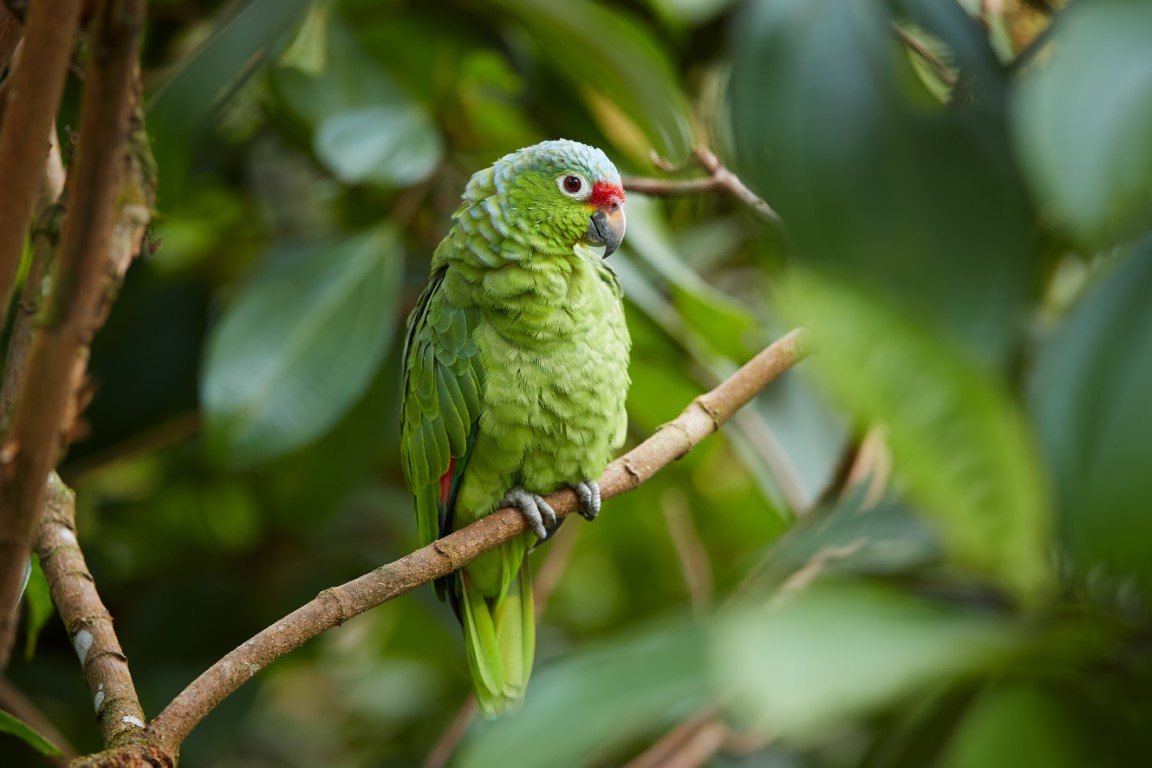
Parrots have a reputation for bright feathers and noisy chatter, but their real claim to fame is how many biological records they break. As a group, parrots range from tiny, lightweight species that can dart through foliage like windblown leaves to hefty birds with beaks built for cracking armor tough nuts. Their extremes are not just trivia; they reveal how evolution shaped parrots into problem solvers and survivors across forests, savannas, mountains, and islands.
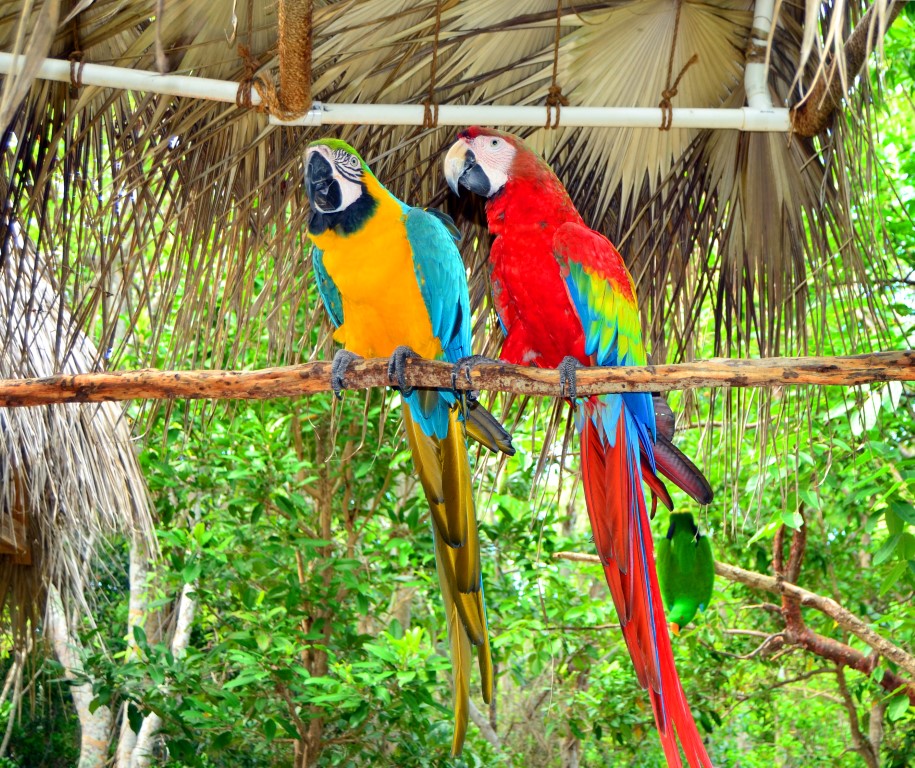
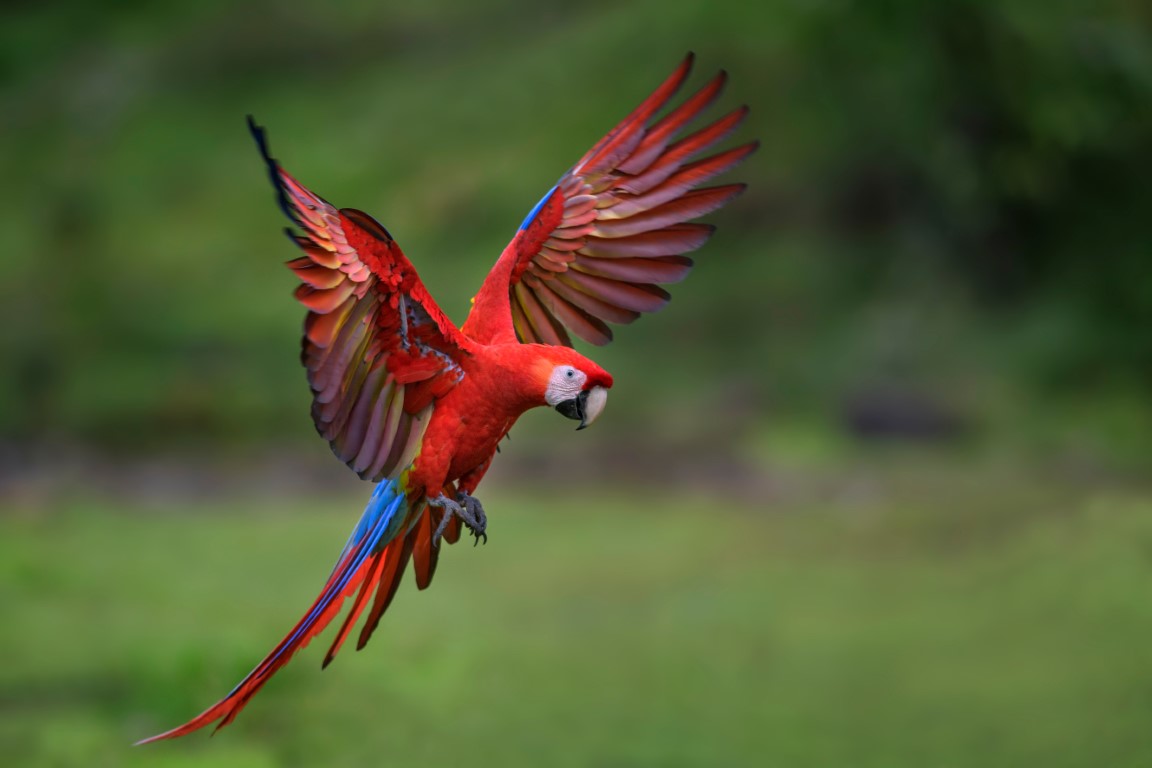
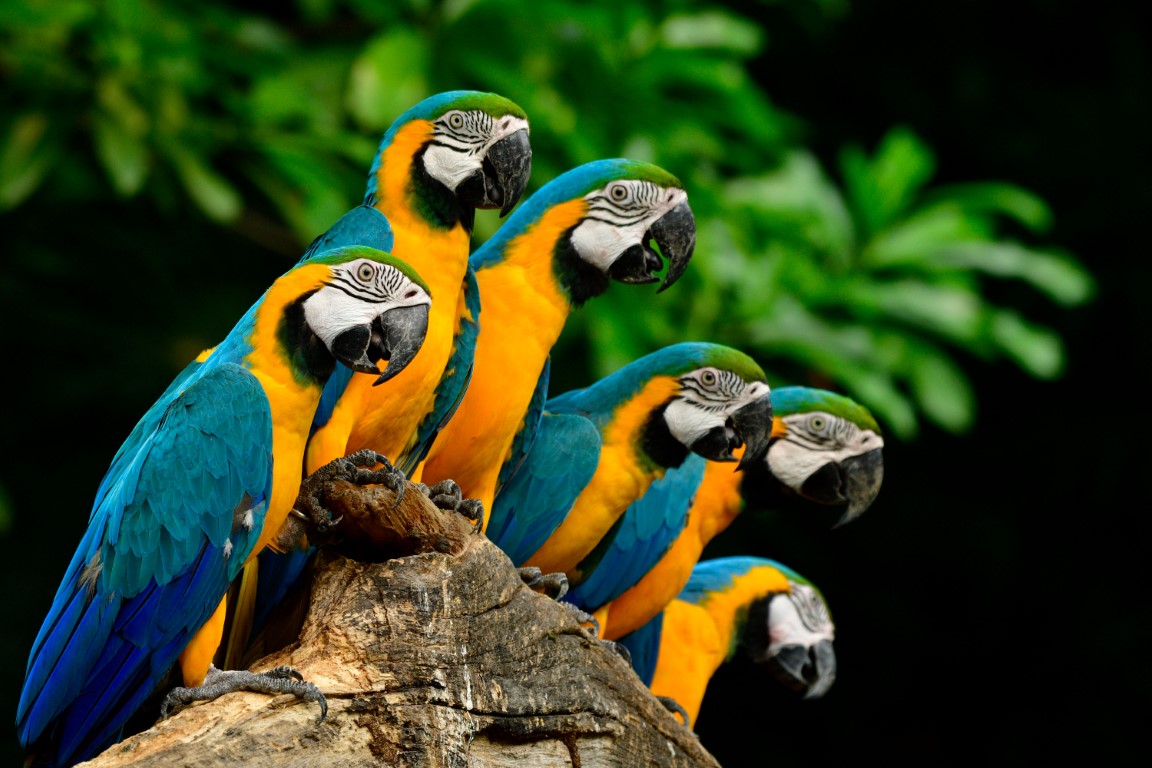
At the heavyweight end, the hyacinth macaw is often celebrated as the largest flying parrot by length, with a long tail that adds to its impressive size. That grandeur is not just for show. Its massive beak is adapted to open very hard palm nuts that many animals cannot access, turning the macaw into a specialist that can exploit a difficult food source. Large parrots like macaws also tend to be long lived, and their slow life pace matters. They may take years to mature, form strong pair bonds, and rely on stable habitats to raise relatively few chicks. This is one reason habitat loss and illegal trapping hit them so hard.
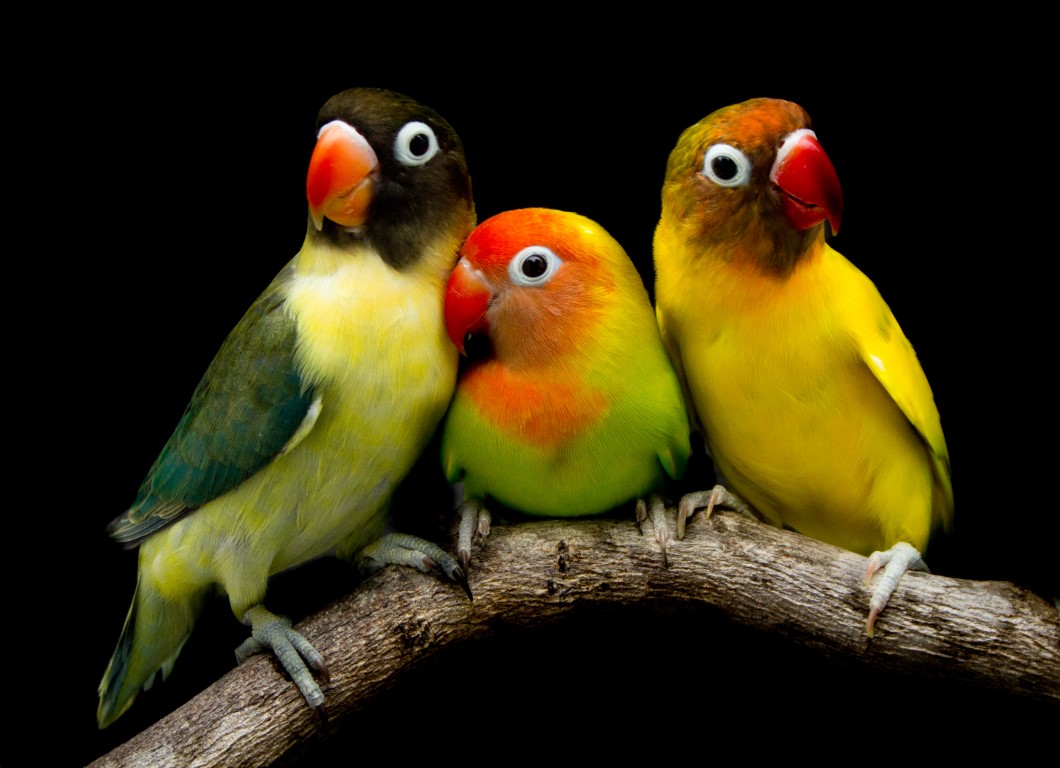
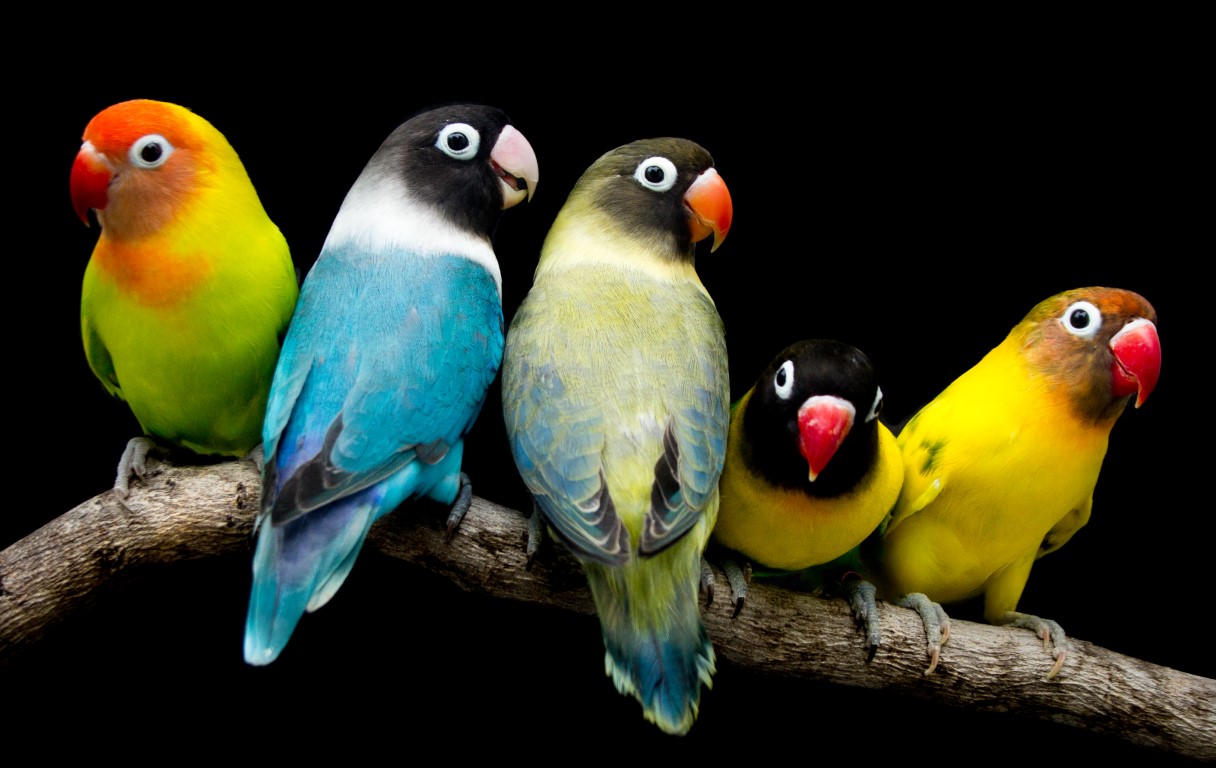
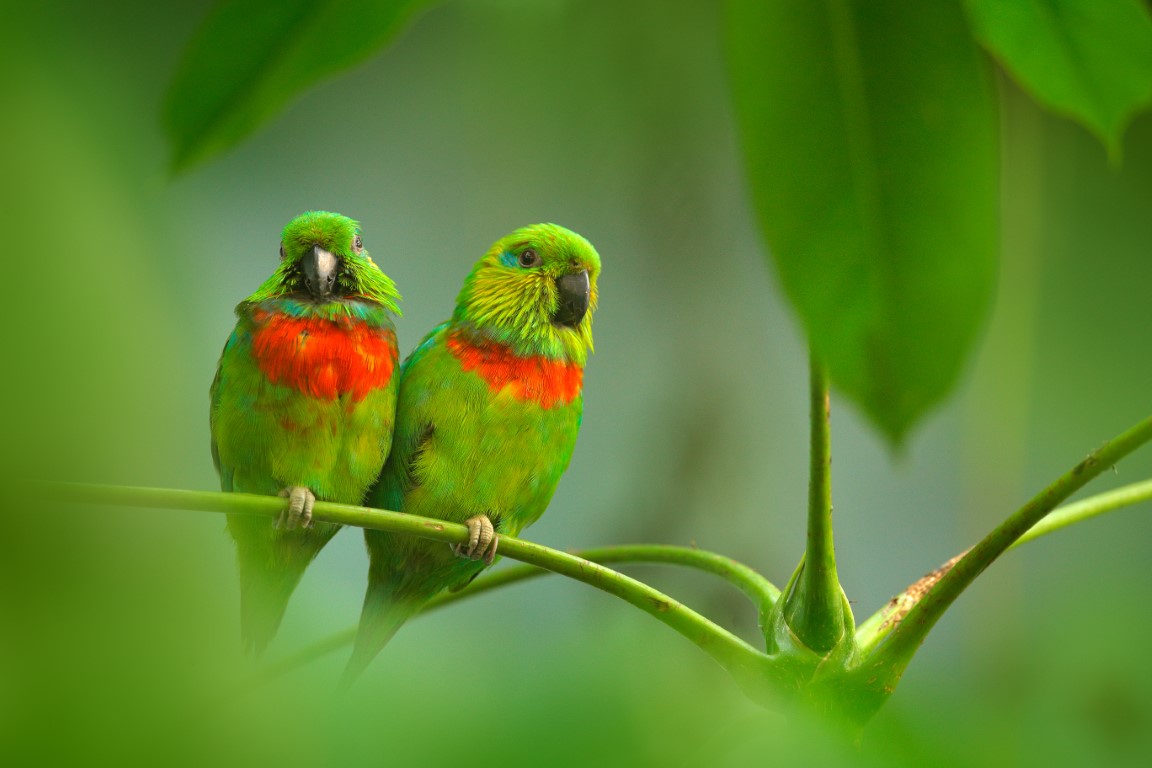
At the opposite extreme are some of the smallest parrots, including tiny parrotlets and pygmy parrots, which can weigh less than a slice of bread. Small size brings agility and efficiency, but it also means higher vulnerability to weather and predators. These little parrots often compensate with fast reactions, tight flocking behavior, and an ability to exploit small food items like seeds, buds, and fruit.
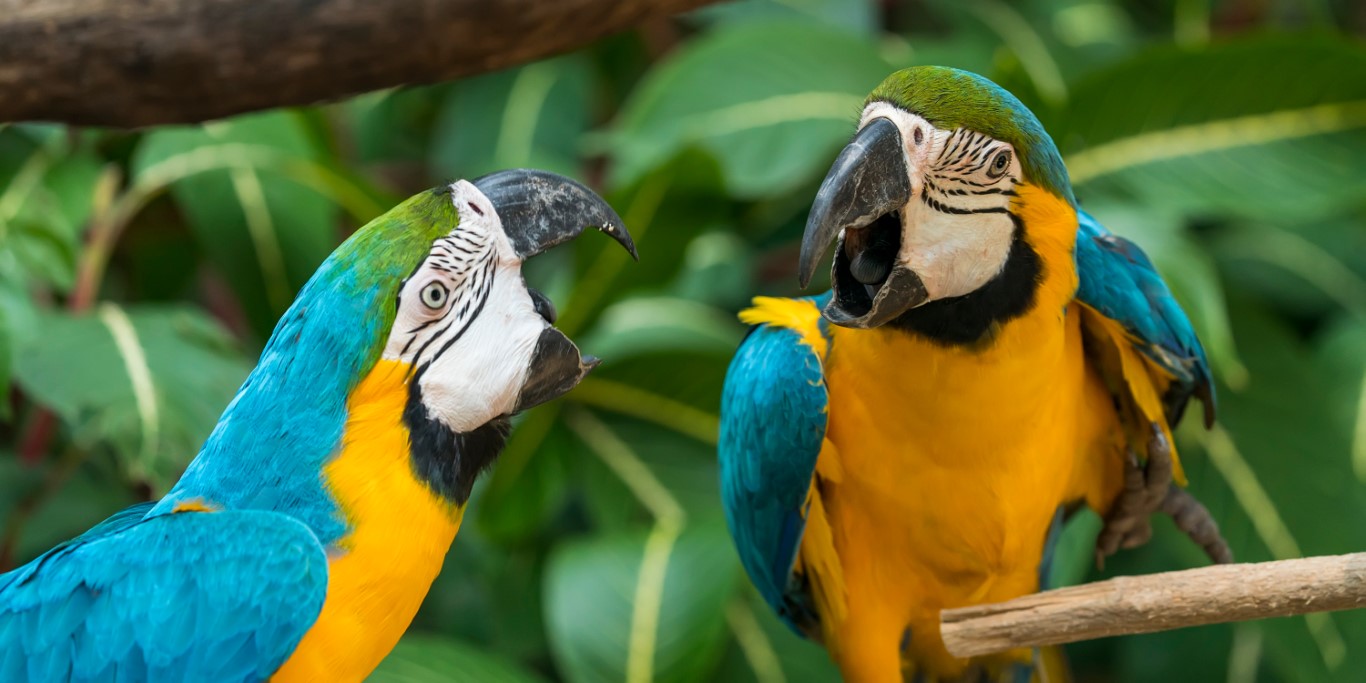
Parrots also compete in the loudness category. Cockatoos and some large macaws can produce calls that carry for kilometers in the right conditions. These ear splitting sounds are not random noise; they are long distance communication tools in dense forests or across open areas where individuals need to keep contact with mates and flock members. Loud calls can also deter rivals and coordinate movement, but they come with tradeoffs, such as attracting predators or human conflict when parrots live near towns.
Longevity is another parrot superpower. Many parrots can outlive dogs and cats, with some individuals recorded living for many decades under excellent care. Long life pairs with high intelligence: a bird that learns where food appears seasonally, recognizes neighbors, and navigates a complex social world benefits from a long memory. However, long lived pets also require long term commitment, consistent enrichment, and specialized veterinary care, because boredom and stress can lead to feather damaging behavior and other health problems.
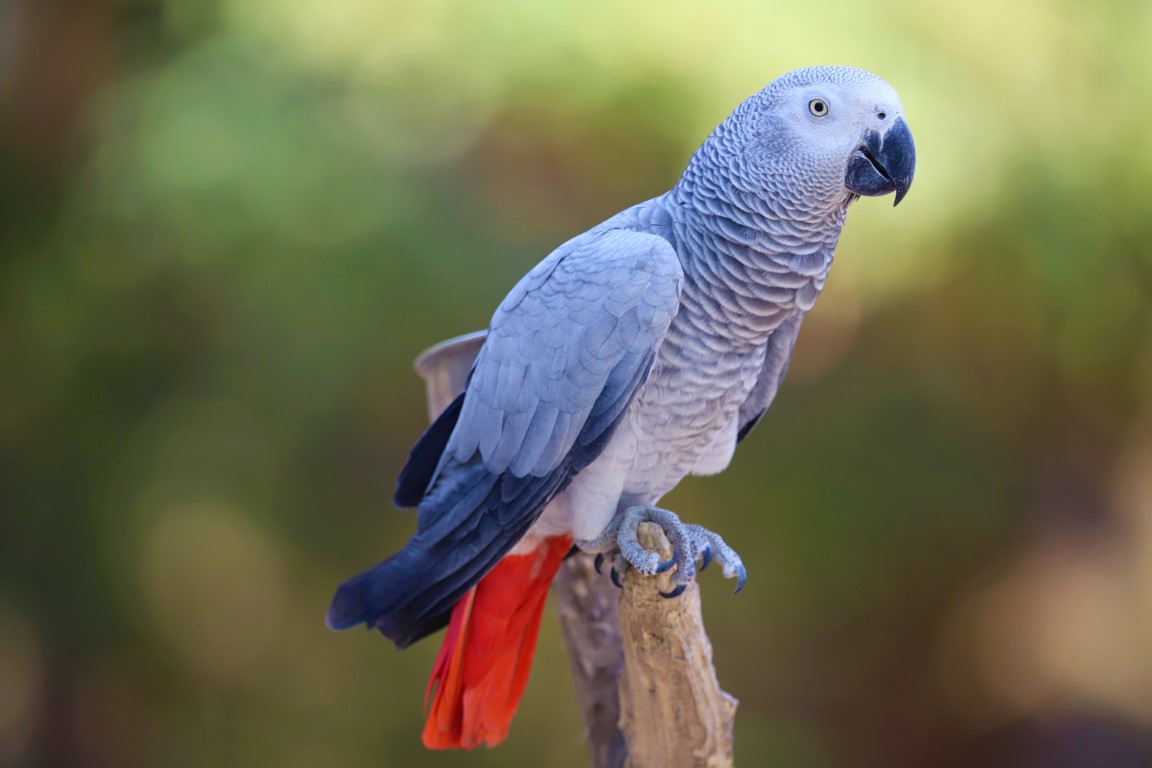
When people think of parrots, they often think of speech. Some species, especially African grey parrots, are famous for clear, humanlike vocal mimicry. The most interesting cases are not just parrots repeating sounds, but birds that appear to use words in context, associate labels with objects, or respond appropriately to questions. Scientists debate how much parrots understand versus how well they learn patterns, but careful studies show they can categorize items, grasp simple concepts like same and different, and learn through social interaction.
Tool use and athletic surprises add to the legend. Certain cockatoos have been observed using sticks to reach food or manipulating objects in ways that look remarkably planned. New Zealand parrots such as kea are notorious for exploratory play and problem solving, sometimes to the frustration of humans when they dismantle equipment or pry at car parts. Even smaller, speedy parrots like kakariki are built for quick bursts of movement and agile climbing, using their beaks almost like a third limb.
These records and oddities make parrots perfect quiz material, but they also highlight a bigger point: parrots are not decorative pets or background wildlife. They are intelligent, long lived animals shaped by challenging environments and complex social lives. Understanding their extremes helps explain why they need space, stimulation, and protection, and why losing them from the wild means losing some of the most remarkable minds in the bird world.