Canopy Creepers Sloth Biology Mastery Quiz
Quiz Complete!
The Hidden Complexity of Sloths: Built for a Life Upside Down
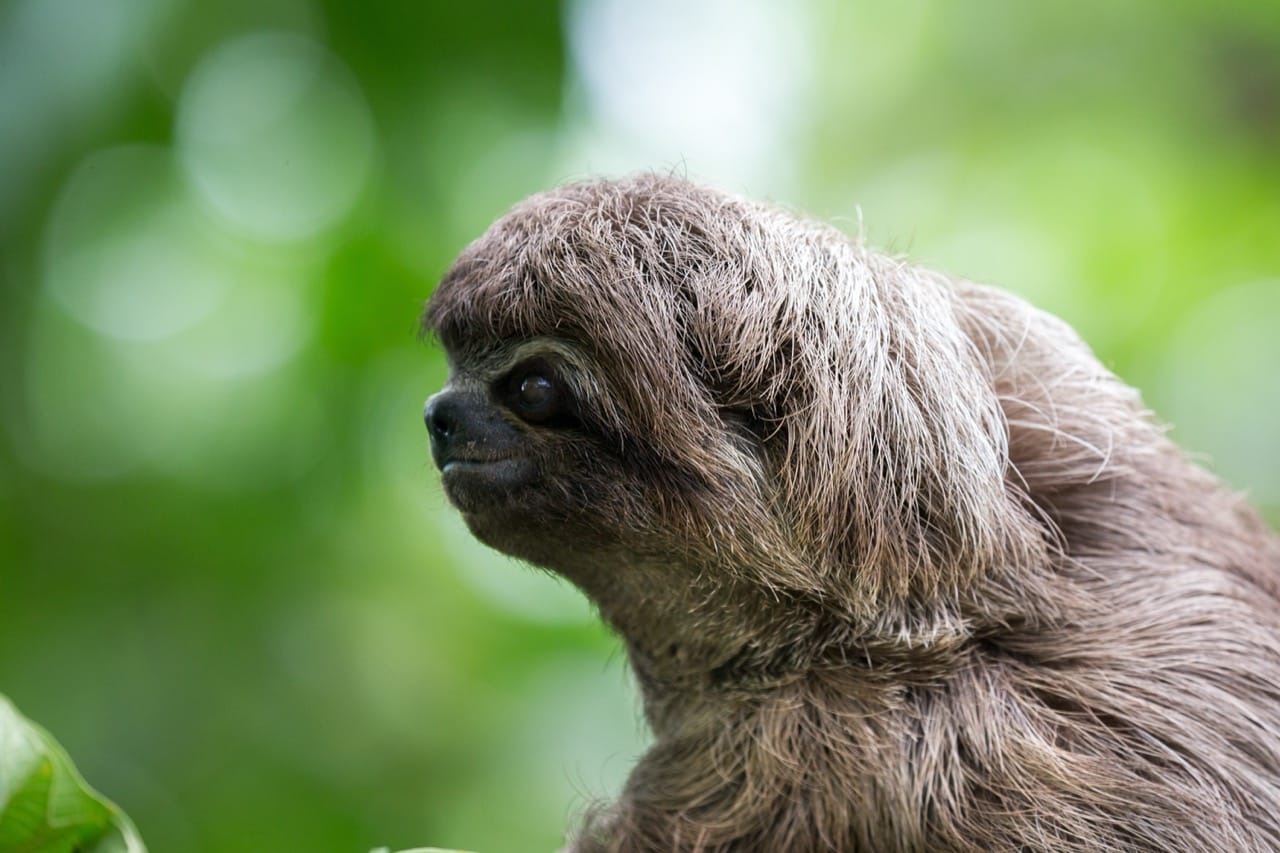
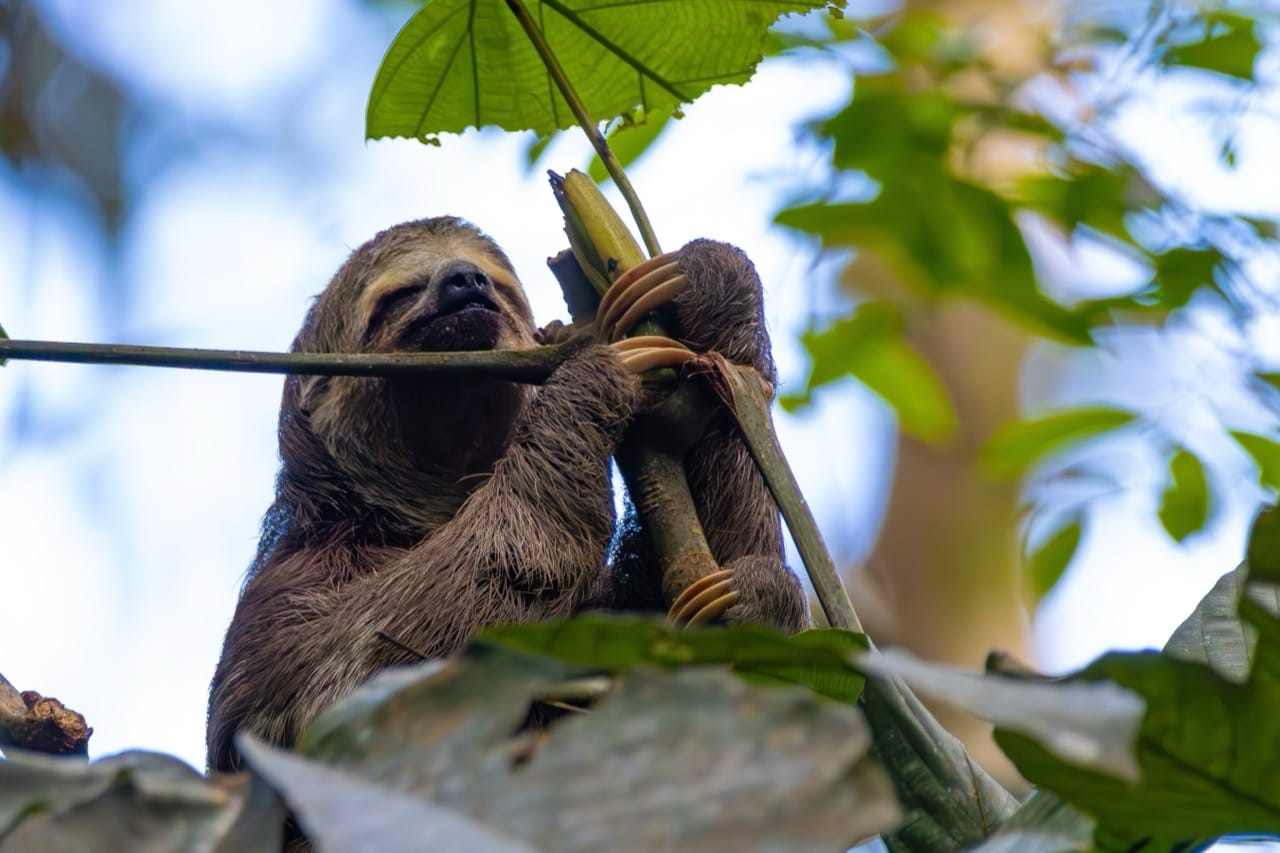
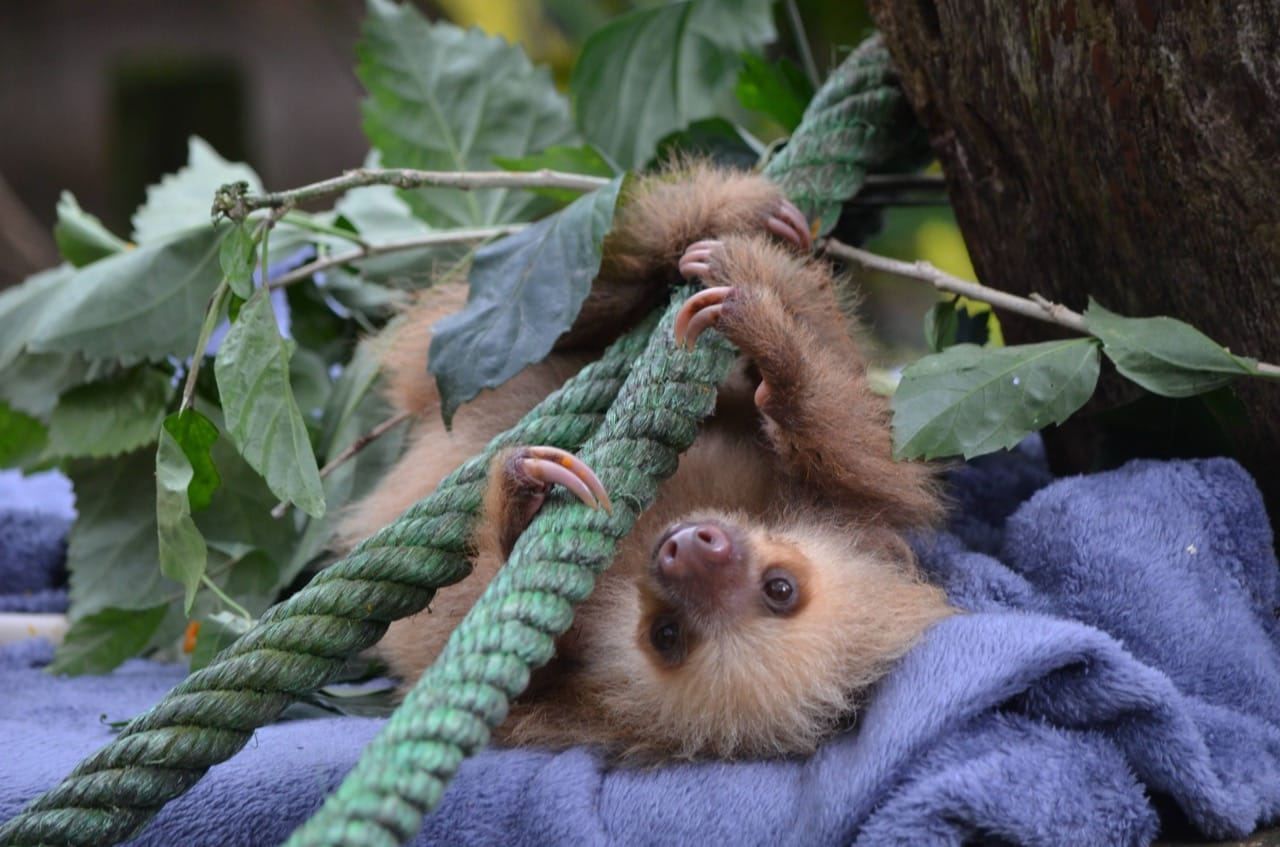
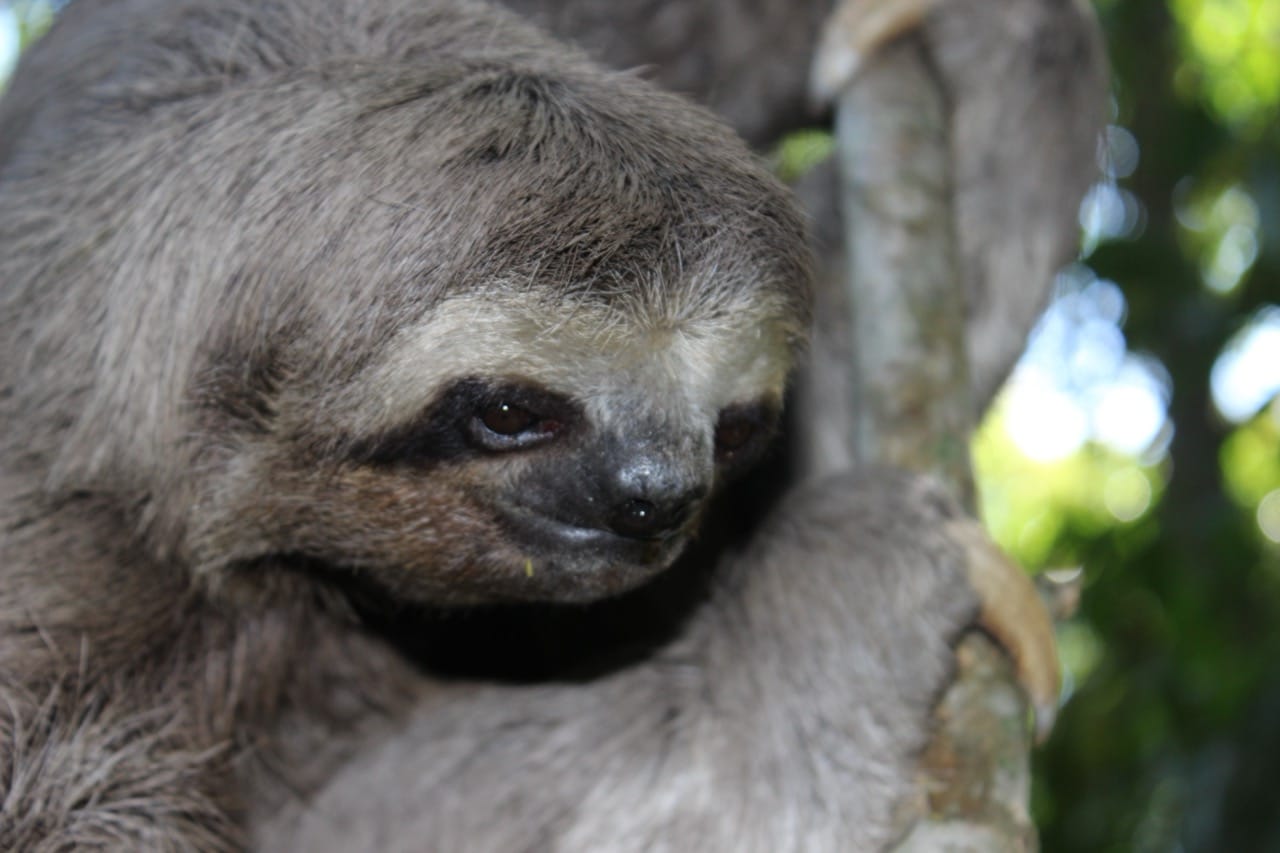
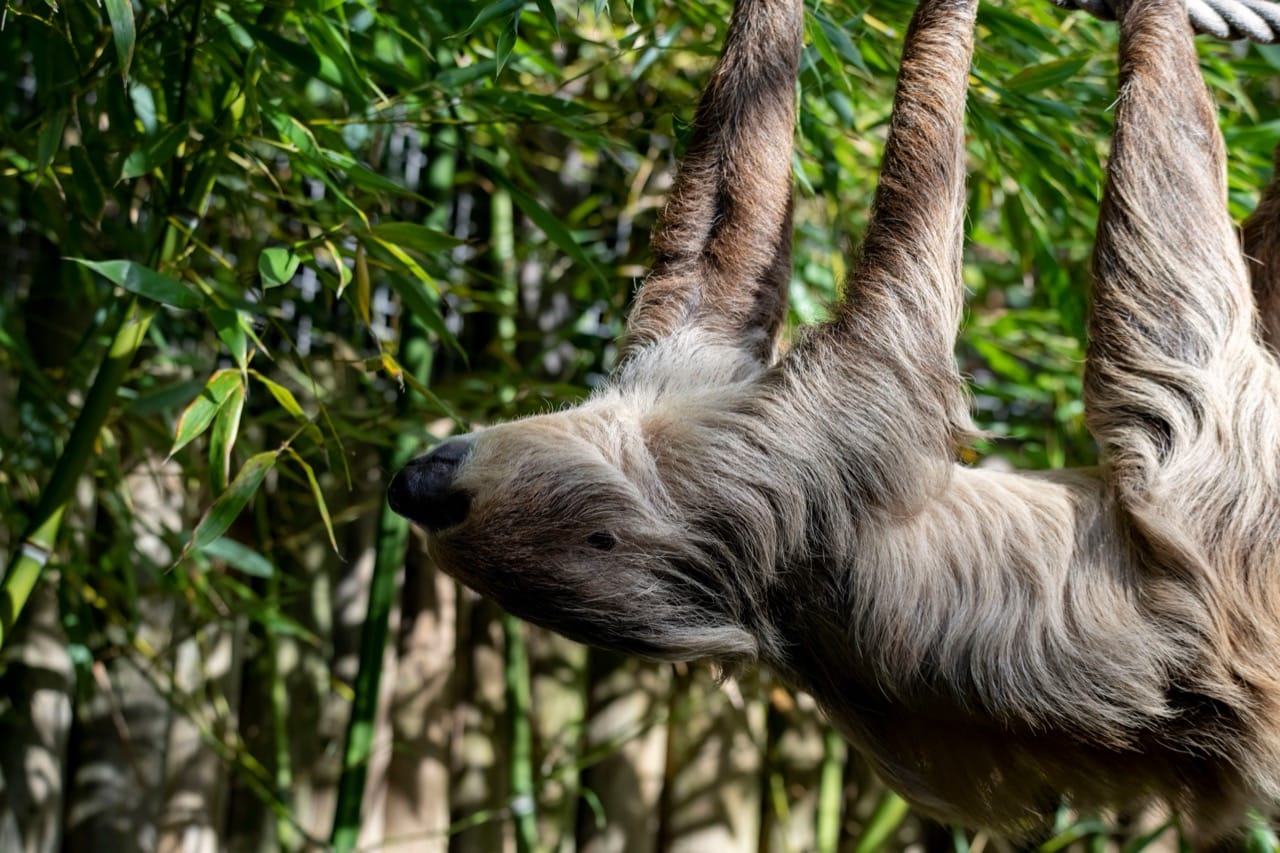
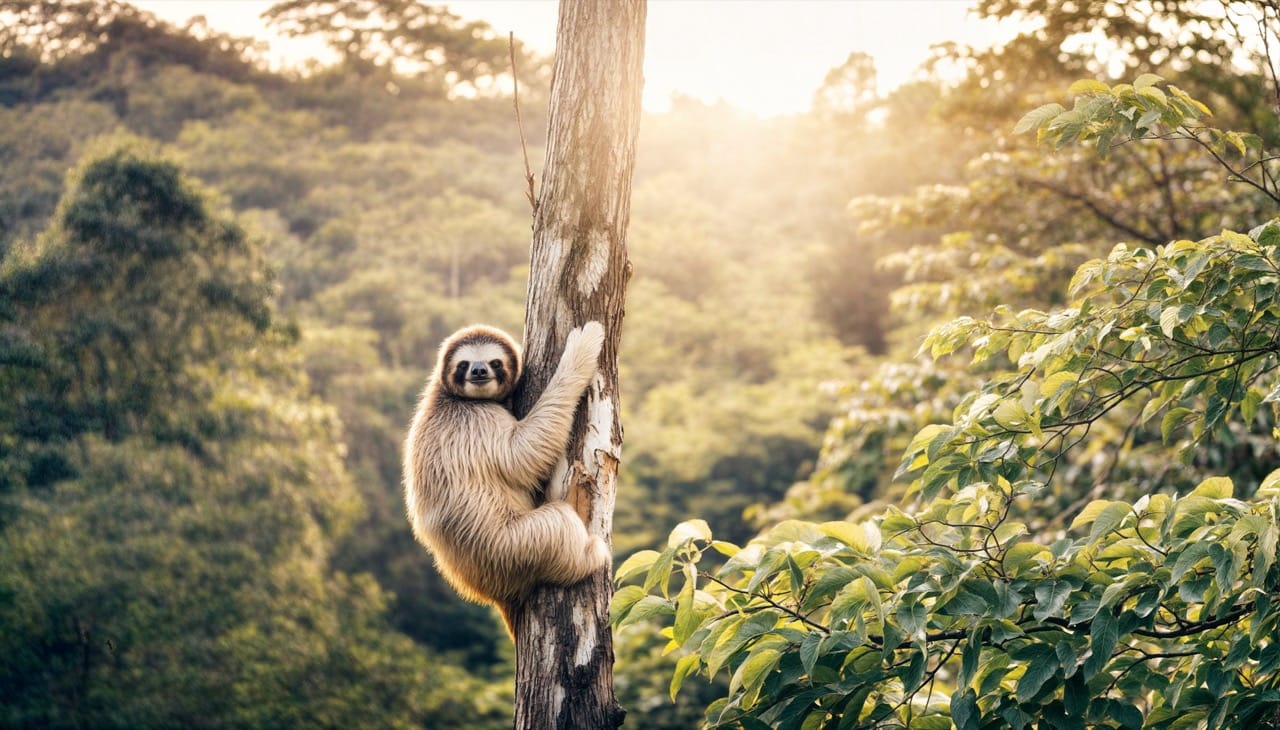
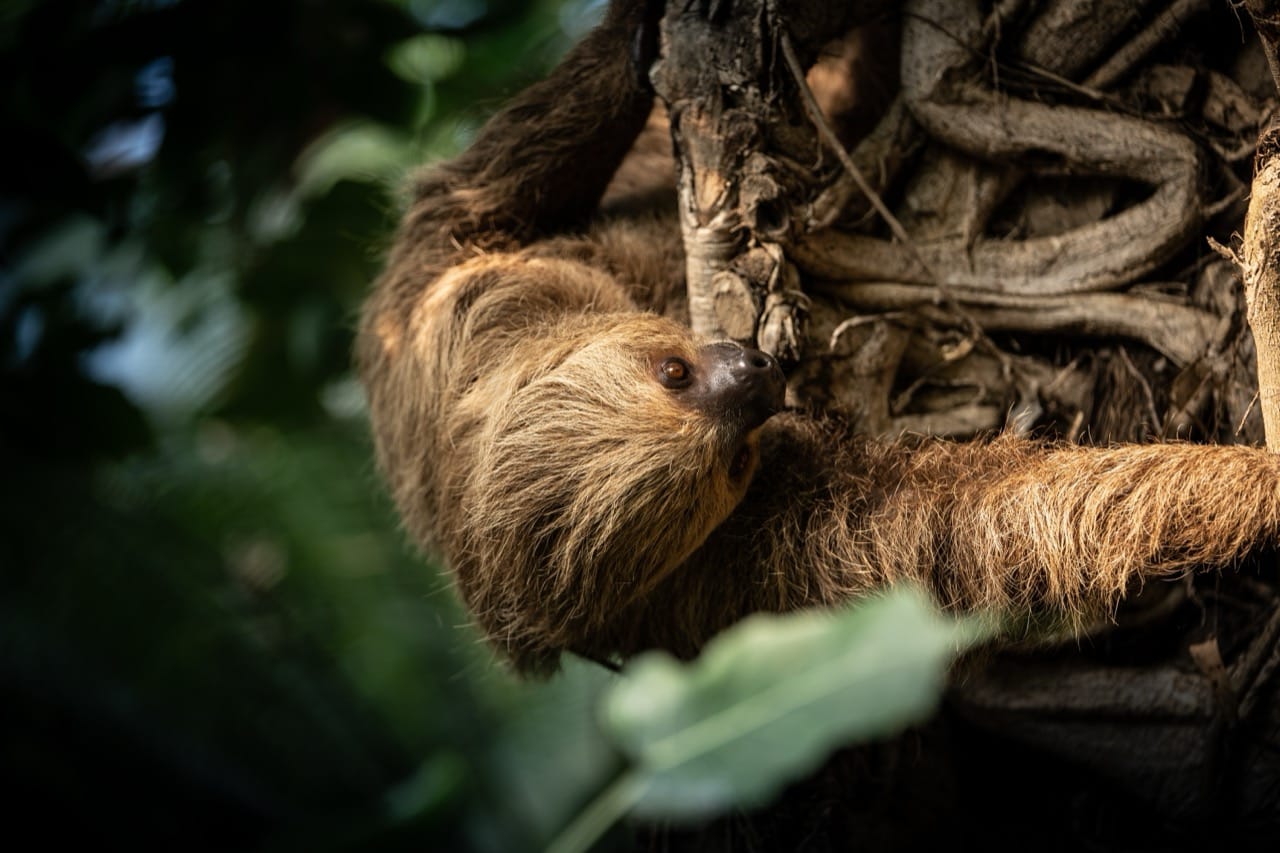
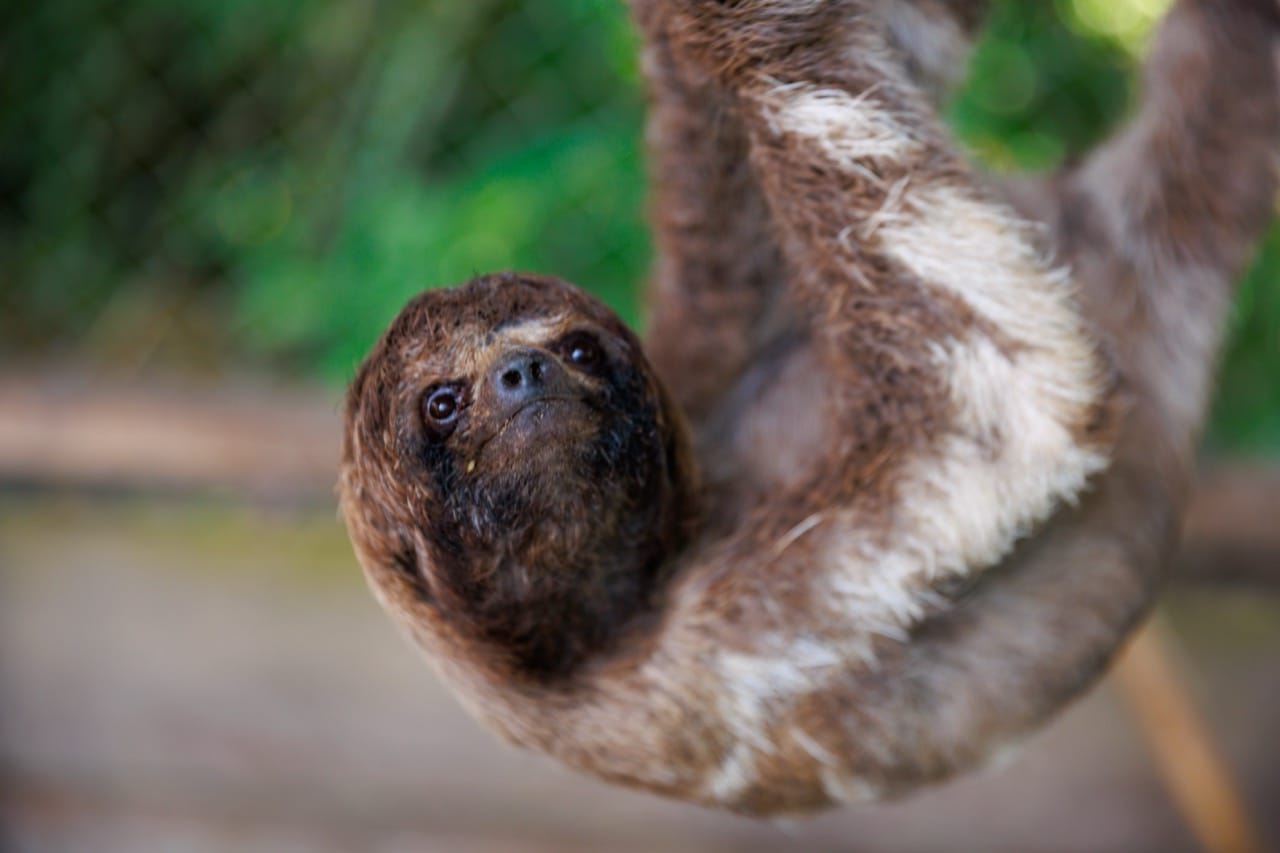
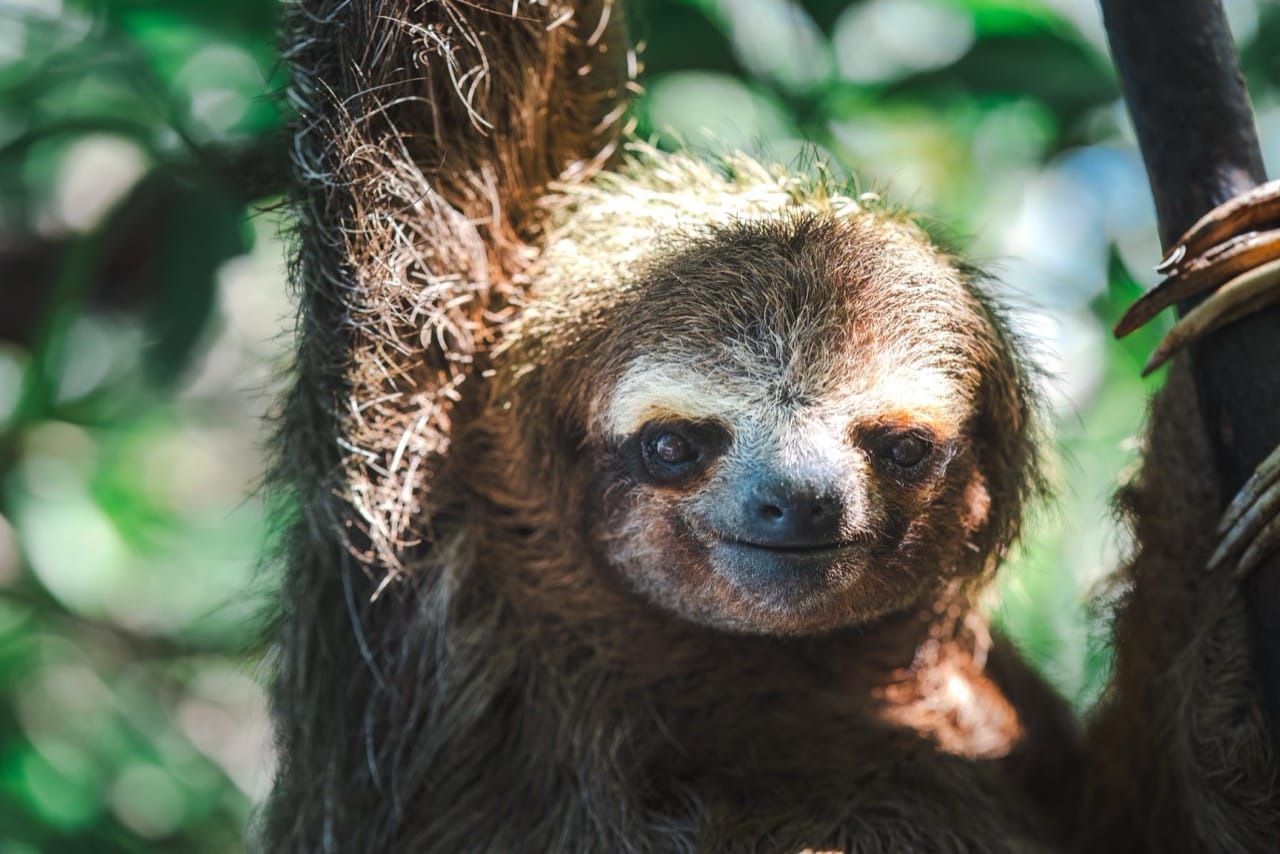
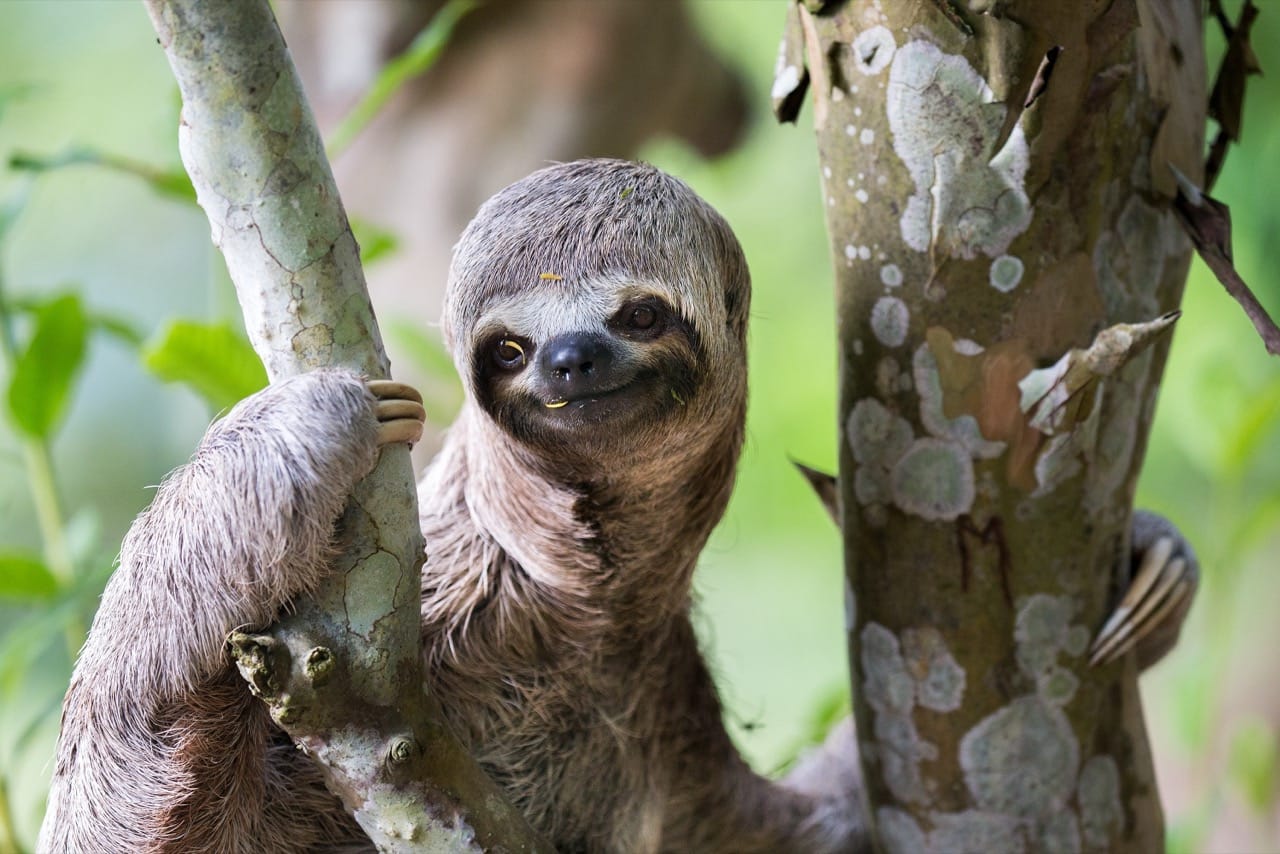
Sloths may look like they are permanently stuck in slow motion, but their bodies are finely tuned for a demanding lifestyle: hanging, feeding, and even giving birth while suspended in the canopy. Modern sloths come in two living families that can look superficially similar yet differ in key anatomical ways. Two toed sloths belong to the genus Choloepus, while three toed sloths are in the genus Bradypus. The names refer to the number of functional digits on the forelimbs, but the differences run deeper. Two toed sloths tend to be larger, more active at night, and better climbers when they choose to move. Three toed sloths are often more strictly arboreal and have a reputation for being even more unhurried. Their neck anatomy also differs: three toed sloths can rotate their heads impressively thanks to extra cervical vertebrae, a useful trick when you want to scan for danger without shifting your whole body.
The sloth’s famously low metabolism is not laziness; it is strategy. Leaves are abundant but nutritionally stingy, and living on them means either eating huge amounts or extracting every possible calorie. Sloths take the second approach. Their metabolic rate is drastically reduced compared with other mammals of similar size, and their body temperature can vary more than you might expect for a mammal. This slow burn means they can survive on a diet that would not sustain a more energetic animal, but it comes with tradeoffs: they have limited power for sprinting or prolonged exertion, and they are especially vulnerable when forced into situations that demand speed.
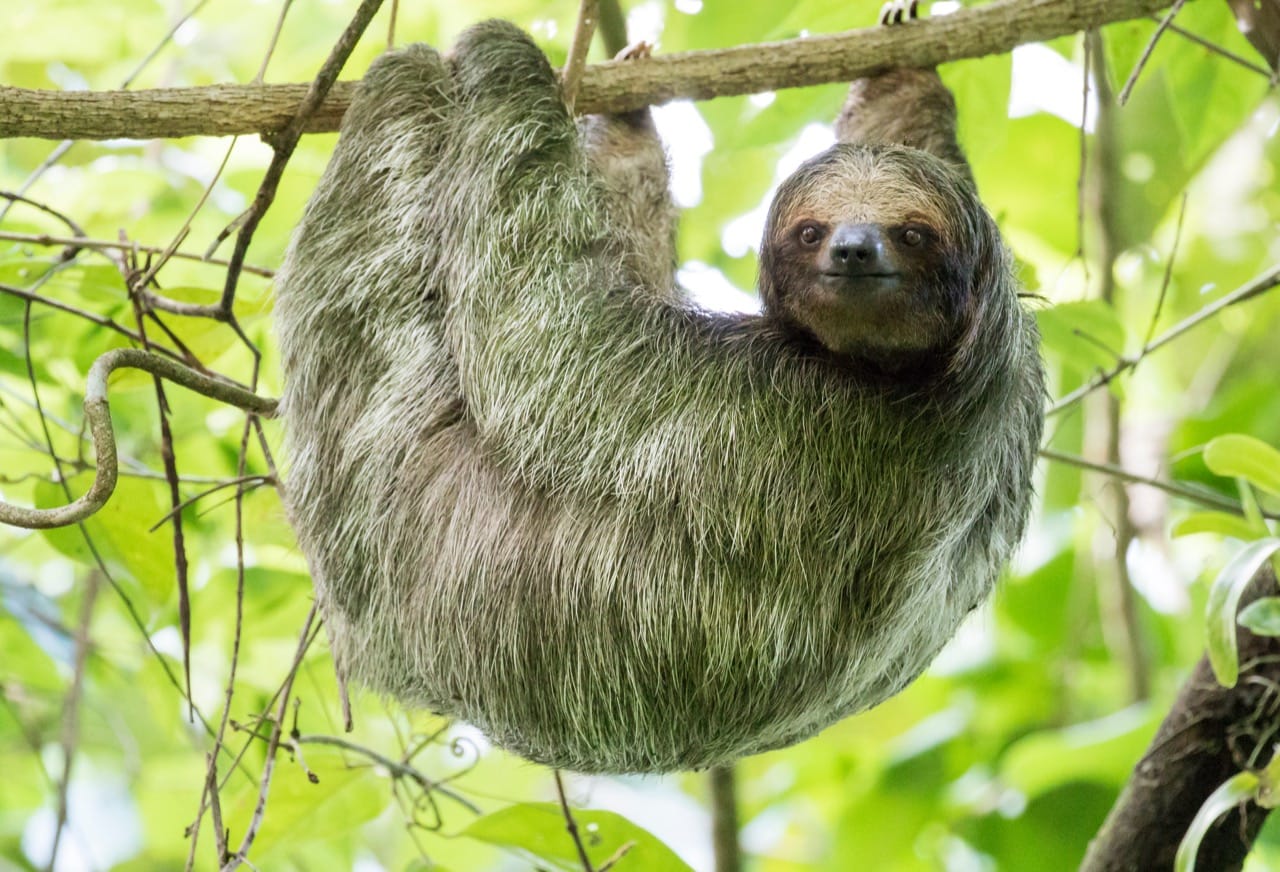
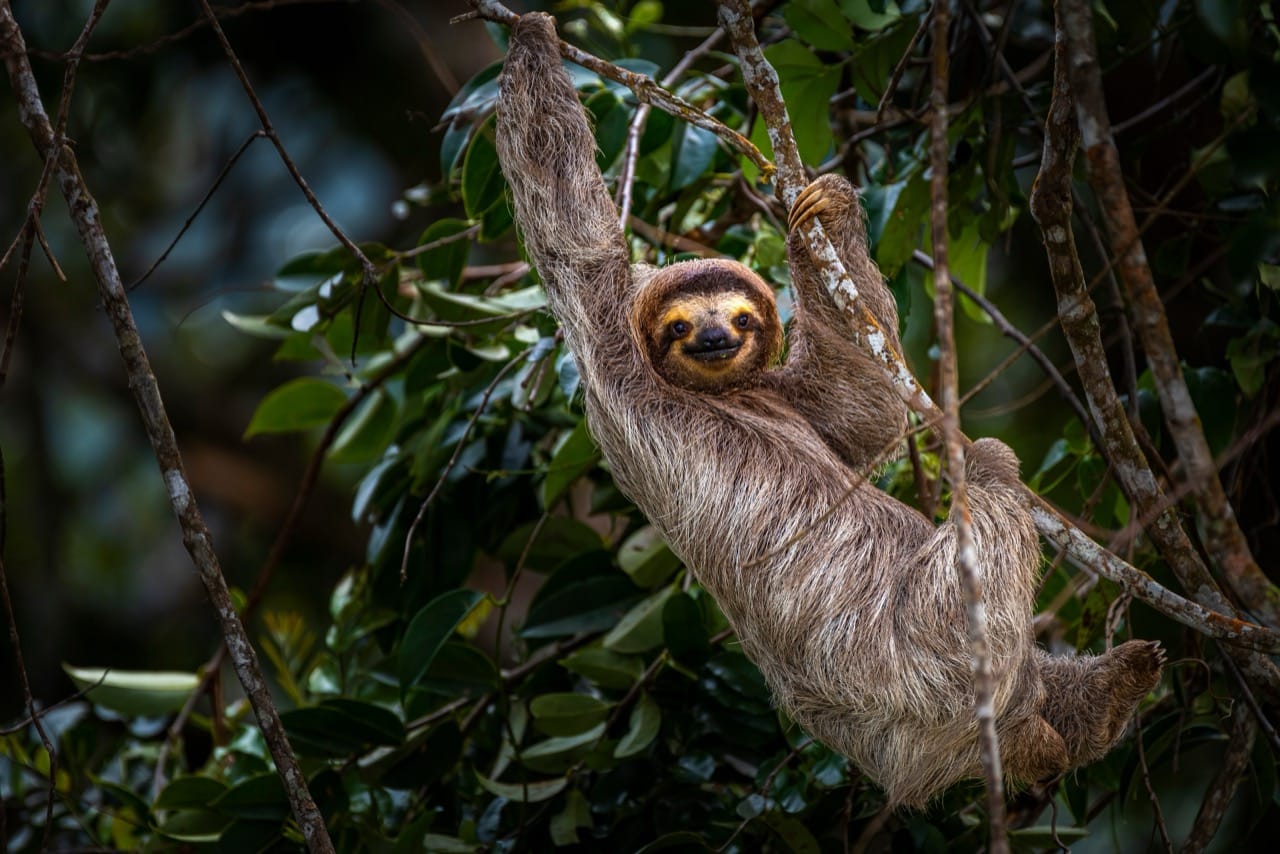
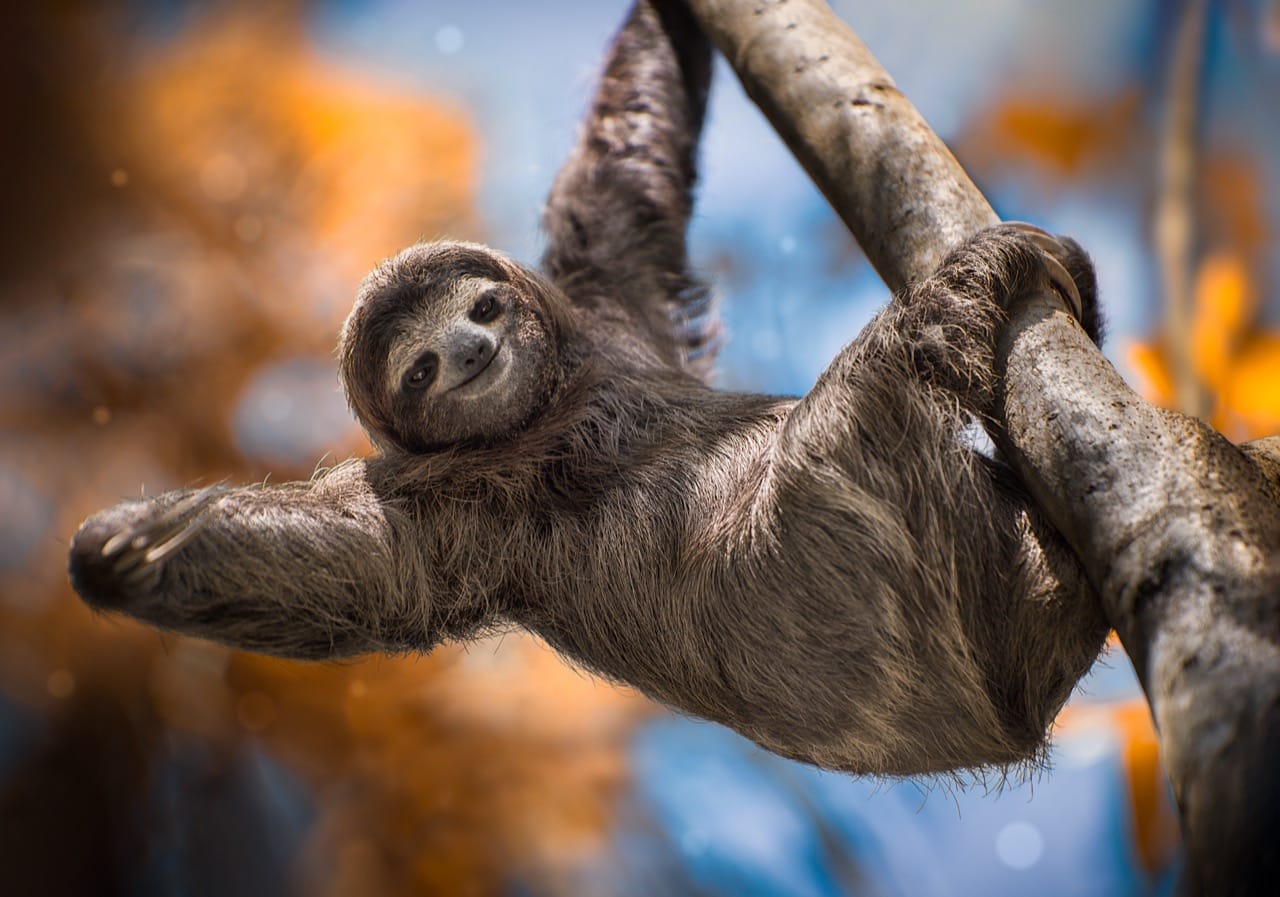
Hanging all day is not effortless, yet sloths make it look that way because their musculoskeletal system is adapted for suspension. Their long forelimbs, curved claws, and specialized joints help them hook onto branches securely. Instead of relying on constant muscle contraction, sloths can lock in their grip with reduced effort, conserving energy. Their muscles are arranged to favor pulling and holding rather than pushing off for jumps. On the ground, these same adaptations become a handicap. Sloths are not built to walk efficiently; they end up dragging themselves with their forelimbs and claws, exposing them to predators and making road crossings particularly dangerous.
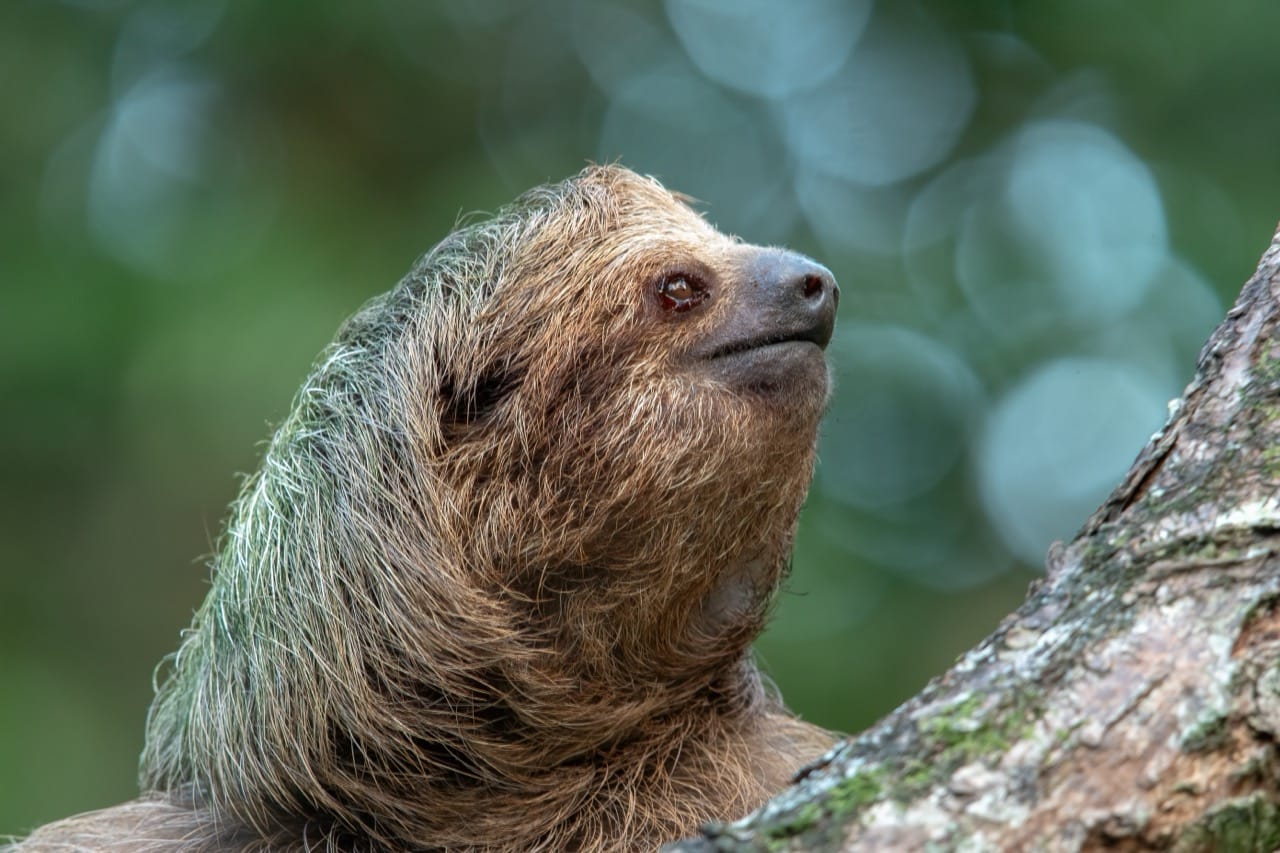
One of the most surprising sloth features is its fur, which is less like a simple coat and more like a habitat. Sloth hair can have a structure that encourages moisture retention, and it often hosts algae that tint the animal greenish, improving camouflage among leaves. That algae, in turn, supports a community of small organisms. Moths may live in sloth fur and complete parts of their life cycle there, and their presence can contribute nutrients that help algae grow. The result is a miniature ecosystem riding on a mammal, shaped by humidity, shade, and the sloth’s slow, steady routine.
Sloth teeth and digestion are equally specialized. Sloths lack the complex enamel patterned teeth seen in many mammals; instead, they have simpler, peg like teeth that continue to grow and are suited for grinding plant material. Their digestion relies on a large, multi chambered stomach and extensive fermentation by microbes. Food can remain in the digestive tract for an exceptionally long time, which helps extract nutrients but also adds weight. This is part of why sloths move carefully and why their once a week descent to defecate on the forest floor is such a notable event. That trip is risky, yet it may play roles in communication or nutrient cycling that scientists are still investigating.
Modern sloths are only the surviving twigs of a much larger evolutionary branch. The fossil record reveals extinct giant ground sloths, some as large as elephants, that lived across the Americas. These relatives show that sloth evolution experimented with many lifestyles, from terrestrial grazers to powerful diggers. Comparing fossils with living species helps scientists understand how today’s canopy specialists fit into that broader story: not as primitive oddities, but as highly adapted survivors. The next time a sloth seems to be doing nothing, it is worth remembering that its entire biology is an intricate compromise between energy, safety, and a life spent upside down among the leaves.