Rabbit Myths Versus Facts Reality Quiz



Quiz Complete!
Rabbit Myths Versus Facts: What Bunnies Are Really Like
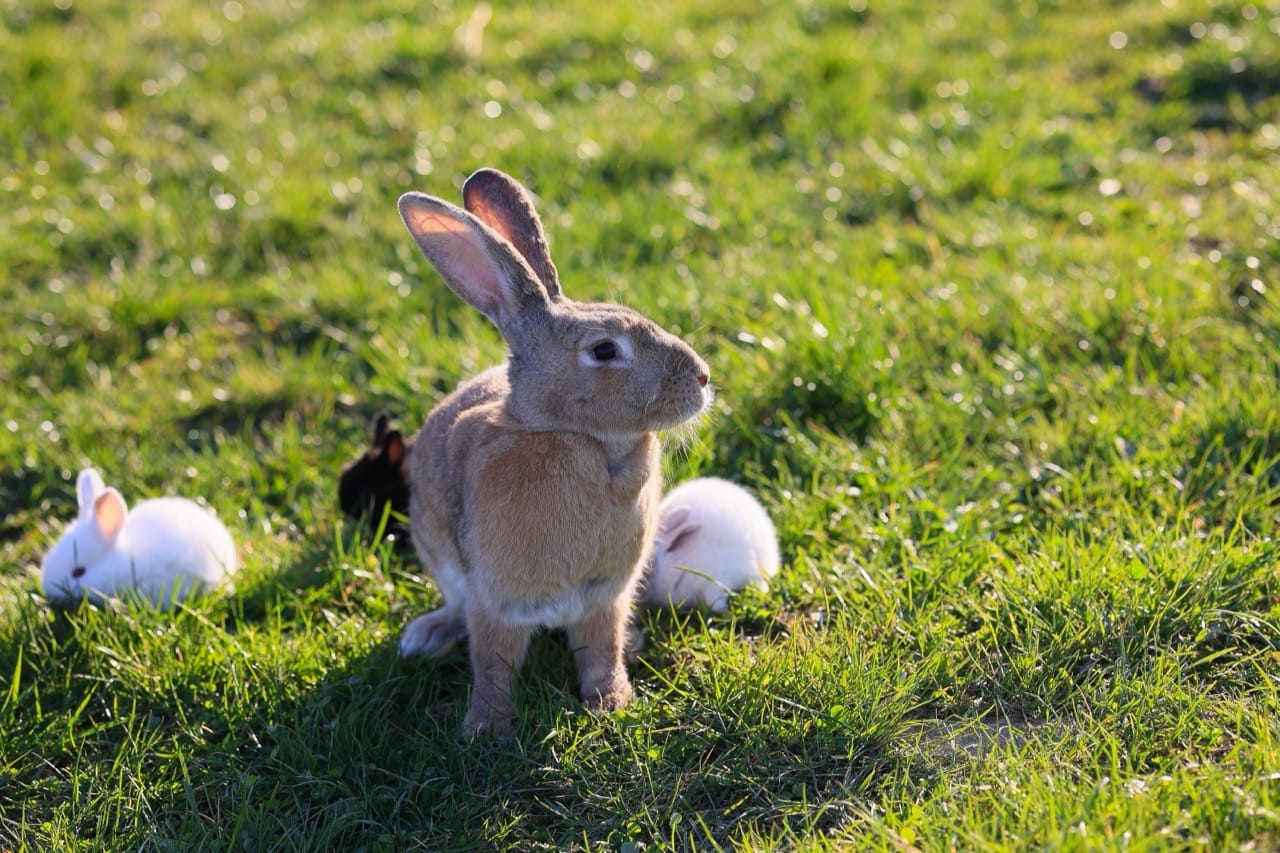
Rabbits seem simple at first glance: quiet, fluffy, and always ready to nibble. That image is exactly why myths about them spread so easily. Some are cute, like the belief that rabbits live for carrots. Others can cause real harm, especially when they influence how people feed or house pet rabbits. Knowing what is true about rabbit biology and behavior makes it easier to care for them and understand the wild ones you might spot in a yard or field.
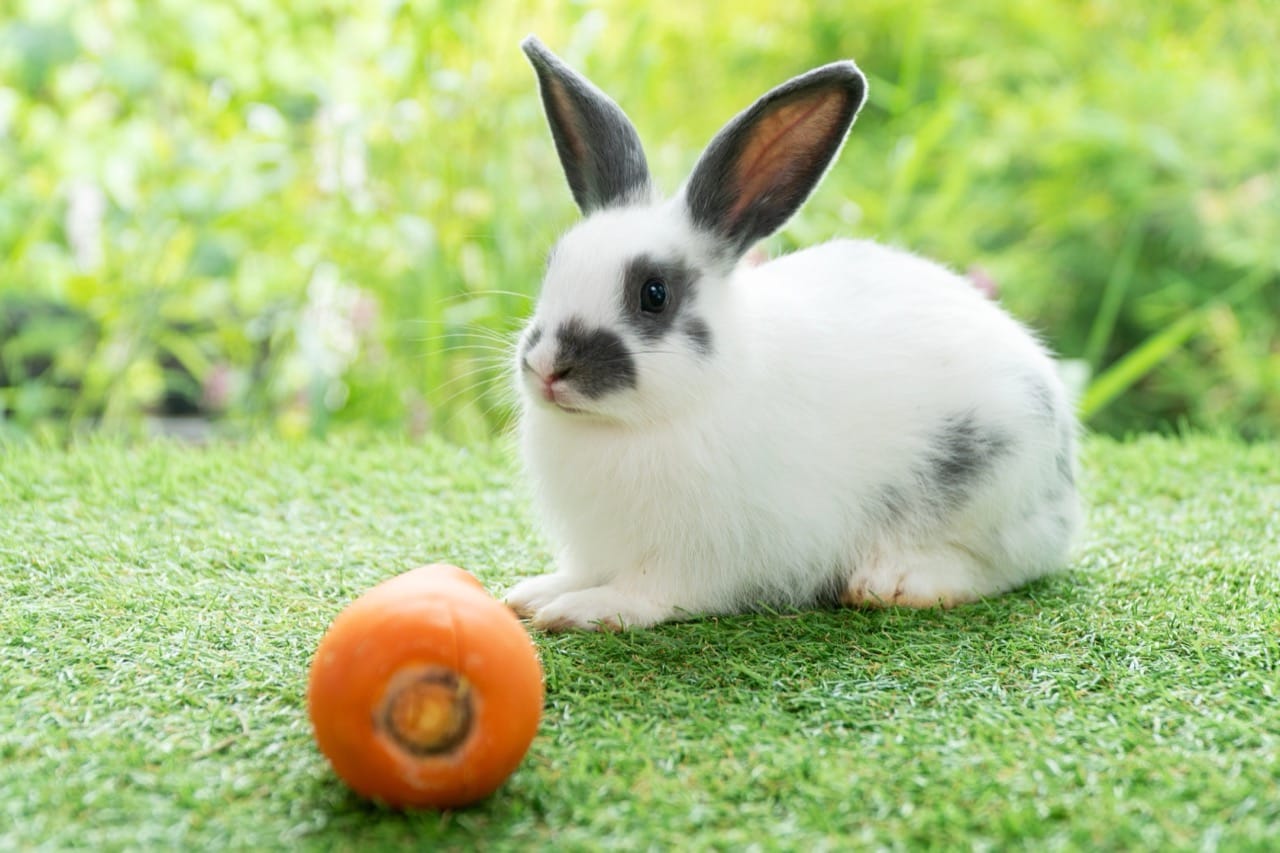
The famous carrot obsession is more cartoon than reality. Rabbits will eat carrots, but they are sugary root vegetables and should be treats rather than staples for pet rabbits. A rabbit’s digestive system is designed for constant processing of fibrous plants, especially grasses and hay. The healthiest daily diet for most pet rabbits is unlimited grass hay, a measured portion of leafy greens, and a small amount of pellets if needed. Too many sweet or starchy foods can upset the gut, contribute to obesity, and increase the risk of dental problems.
That brings up another common misunderstanding: chewing is not just a hobby, it is maintenance. Rabbit teeth never stop growing, which means they must wear them down through long hours of grinding fibrous food. Hay is crucial because it requires side to side chewing that naturally files the teeth. When rabbits do not get enough roughage, their teeth can overgrow or develop sharp points that cause pain, drooling, and refusal to eat. Chew toys help, but they do not replace the daily tooth wear that comes from hay.
Many people assume rabbits are rodents. They are not. Rabbits belong to a different group called lagomorphs, and one key difference is that rabbits have an extra pair of small incisors behind the main front teeth. This detail matters because it reflects a different evolutionary path and slightly different nutritional needs.
Another myth is that rabbits are low maintenance pets that thrive in small cages. In reality, they are intelligent, active animals that need space to run, explore, and stand fully upright. They also need safe opportunities to dig, chew appropriate materials, and interact with their environment. A bored rabbit can become destructive or depressed, and a cramped rabbit can develop muscle loss and sore feet. Good care usually looks more like a puppy proofed room or large exercise pen than a tiny hutch.
Rabbits are also more social than their quiet reputation suggests. Many do best with consistent companionship, either from humans who spend time with them daily or from a bonded rabbit partner. Bonding is a careful process, not a quick introduction, because rabbits can fight if rushed. Their communication is subtle: tooth purring signals contentment, a thump can mean alarm, and a sudden flop often means they feel safe enough to relax.
People often say rabbits breed endlessly, and while they are indeed efficient breeders, the bigger practical issue is responsible spaying and neutering. Altered rabbits are typically easier to litter train, less likely to spray urine, and less prone to certain cancers, especially uterine cancer in females.
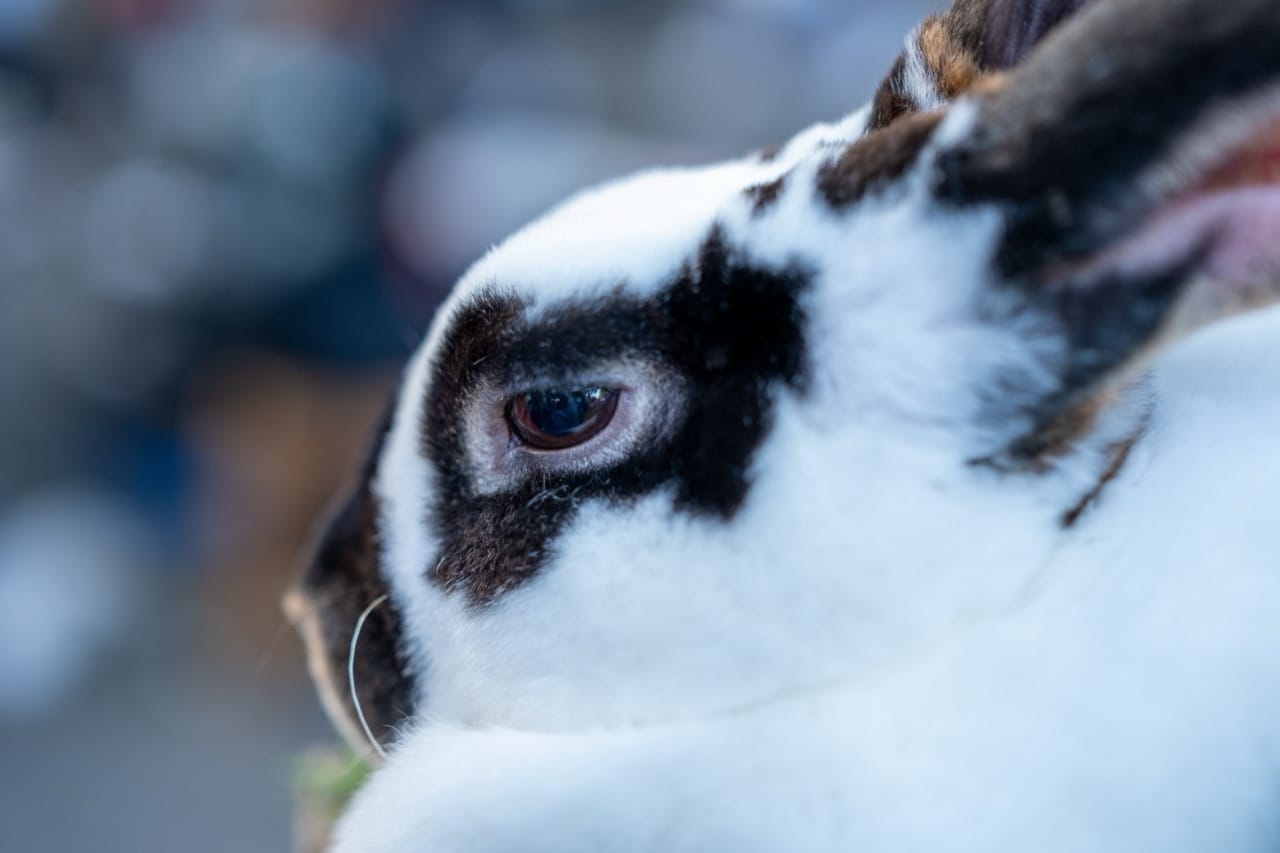
Rabbits are crepuscular, meaning they are most active at dawn and dusk, not strictly nocturnal. Their eyes are adapted for low light and wide angle vision to spot predators, but that does not mean they see perfectly in the dark. Like many prey animals, their senses are tuned for survival: excellent hearing, strong smell, and quick reflexes.
Finally, rabbits are not fragile ornaments, but they are delicate in specific ways. They can be stressed by rough handling, and their digestive system can slow dangerously if they stop eating. A rabbit that refuses food, produces fewer droppings, or seems hunched and uncomfortable needs prompt veterinary attention. When myths hop away under scrutiny, what remains is a fascinating animal with real needs, real intelligence, and a surprisingly rich inner life.