Slow Legends Sloth Records and Superlatives Brain Buster Edition
Quiz Complete!
Slow Legends: Sloth Records, Superlatives, and the Science of Hanging On
Sloths have a reputation for laziness, but their slow pace is less a personality trait than a finely tuned survival strategy. Living mostly in the treetops of Central and South America, they specialize in energy savings, and that single theme explains many of their strangest records. Their bodies are built around doing more with less: less food, less movement, and less time on the ground where predators are most dangerous.
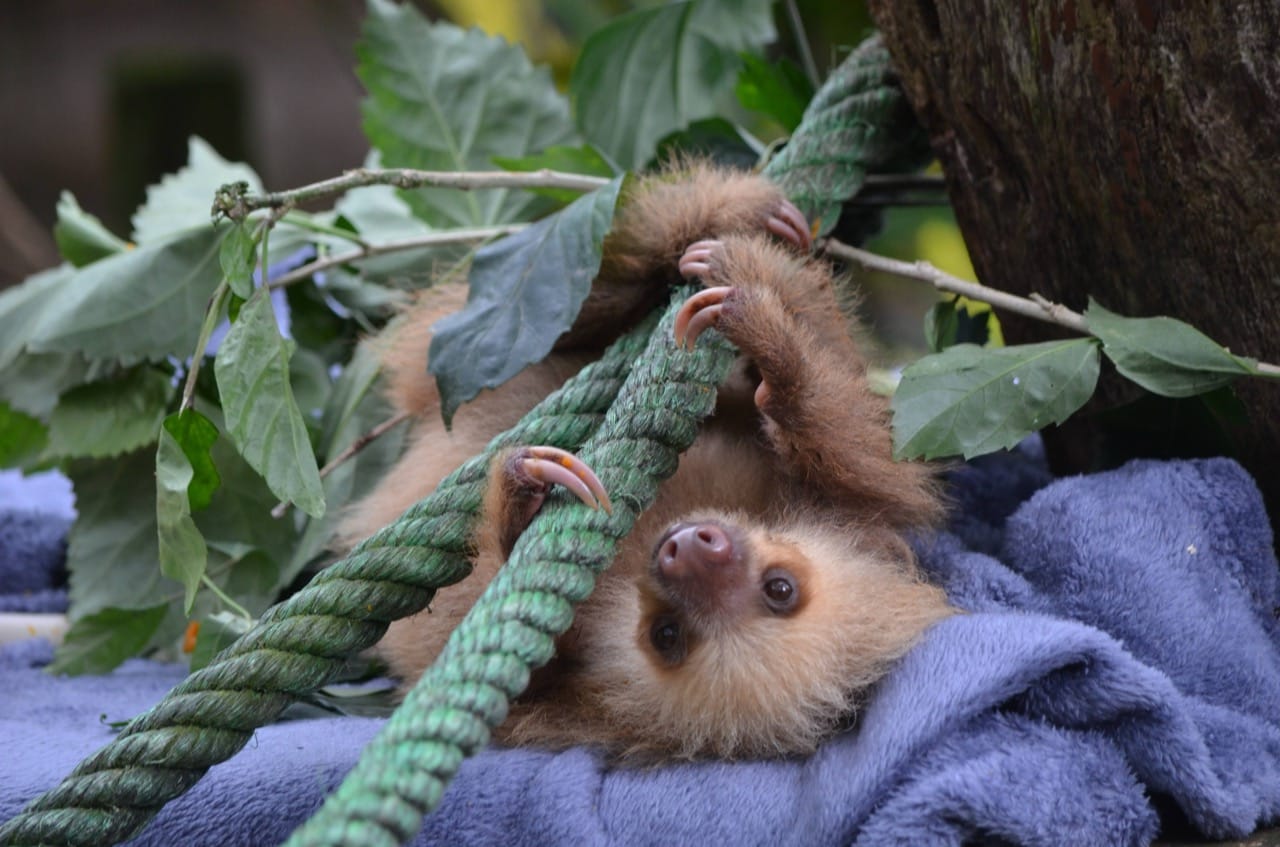
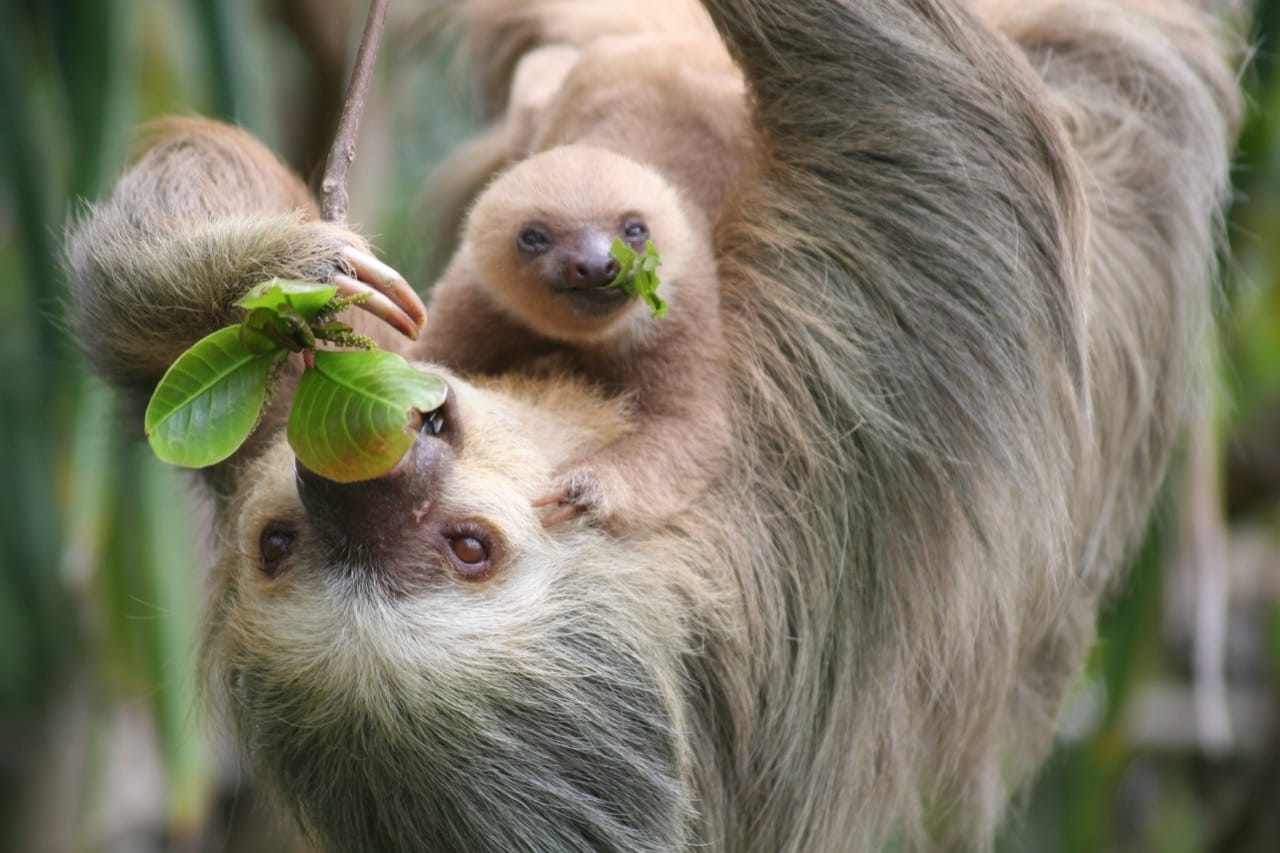
When people ask which sloth is biggest, the answer depends on whether you mean living species or the sloths of prehistory. Among modern sloths, the largest tend to be the two-toed sloths, such as Hoffmanns two toed sloth and Linnes two toed sloth. They can reach roughly 6 to 9 kilograms, though individuals vary. The smallest living sloths are often found among the three-toed group, with the pygmy three toed sloth being the standout miniature. It lives only on Isla Escudo de Veraguas off Panama and is both small and geographically restricted, a combination that makes it especially vulnerable.
The fossil record rewrites the idea of sloths as always slow and small. Giant ground sloths once roamed the Americas, and some were truly enormous. Species like Megatherium could reach several tons, more comparable to an elephant than a tree-dwelling sloth. These extinct relatives were not hanging quietly in canopies; they were ground-living herbivores that likely stood upright to feed and used powerful limbs for digging and defense. Their disappearance is tied to a mix of climate change and human hunting pressures near the end of the last ice age.
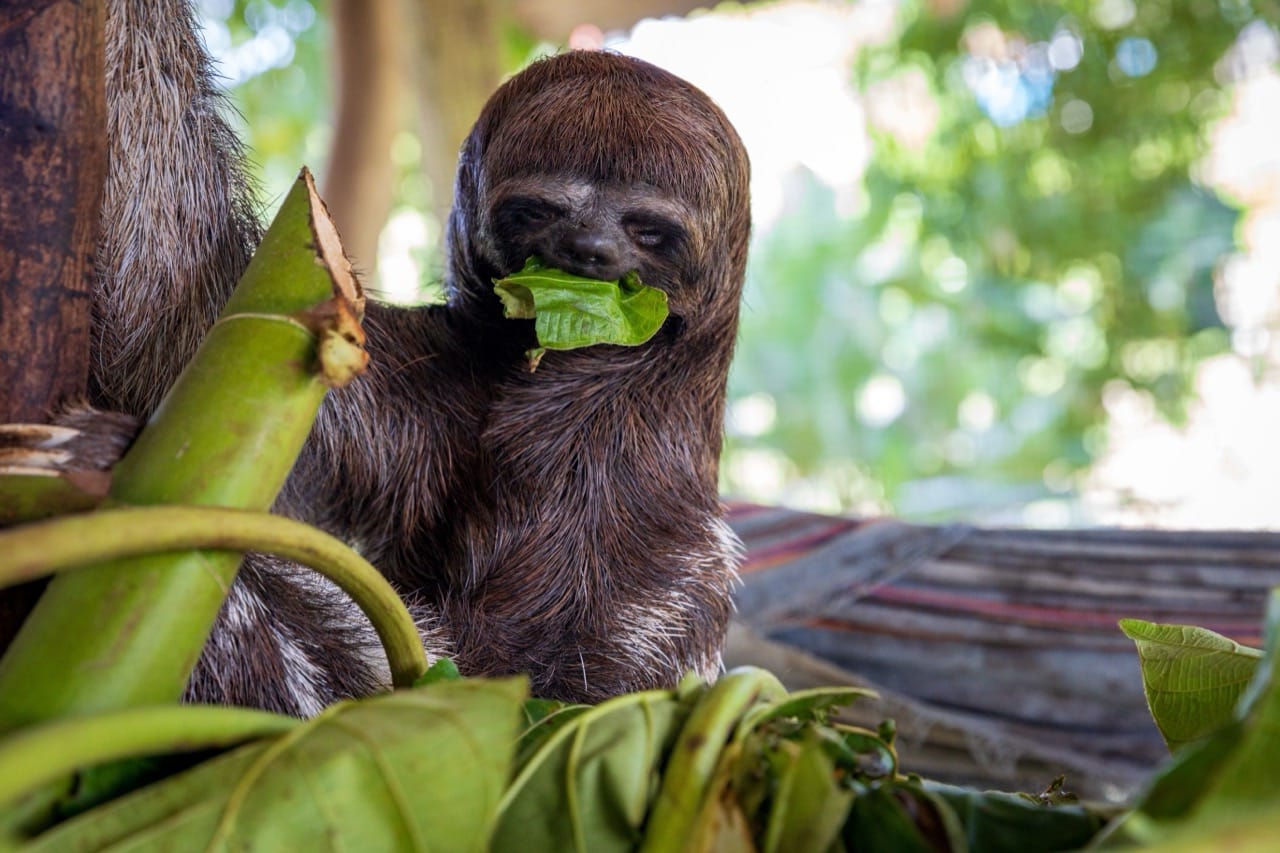
Modern sloths are famous for being slow, but the myth is that they are simply incapable of moving faster. They can move more quickly when they need to, yet their default is a careful, economical crawl. Their muscles and metabolism are adapted for a low-calorie diet of leaves, which are abundant but not very nutritious. A sloths digestion is extremely slow, and their multi-chambered stomach relies on microbes to break down tough plant material. This lifestyle comes with tradeoffs: sloths have relatively low body temperatures for mammals and can be sensitive to cold or prolonged wet conditions.
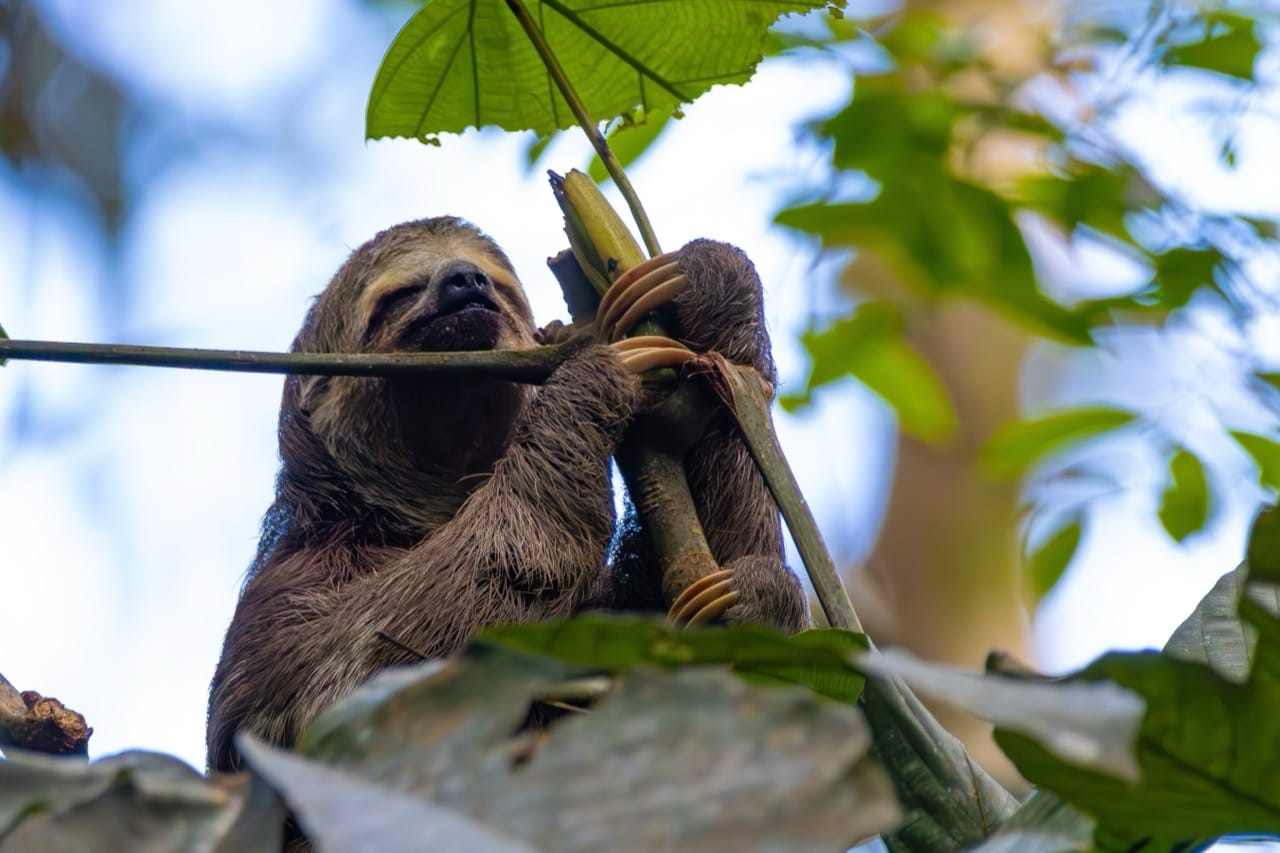
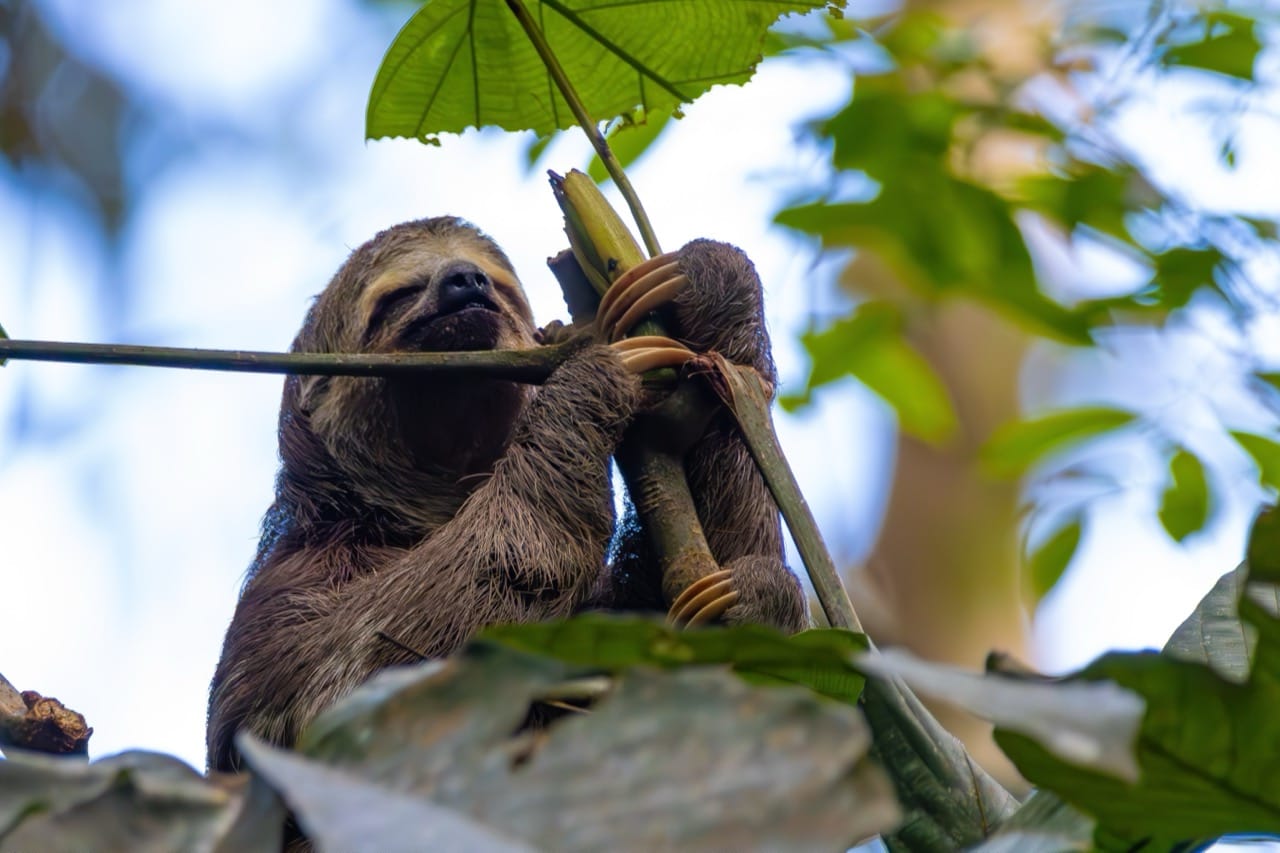
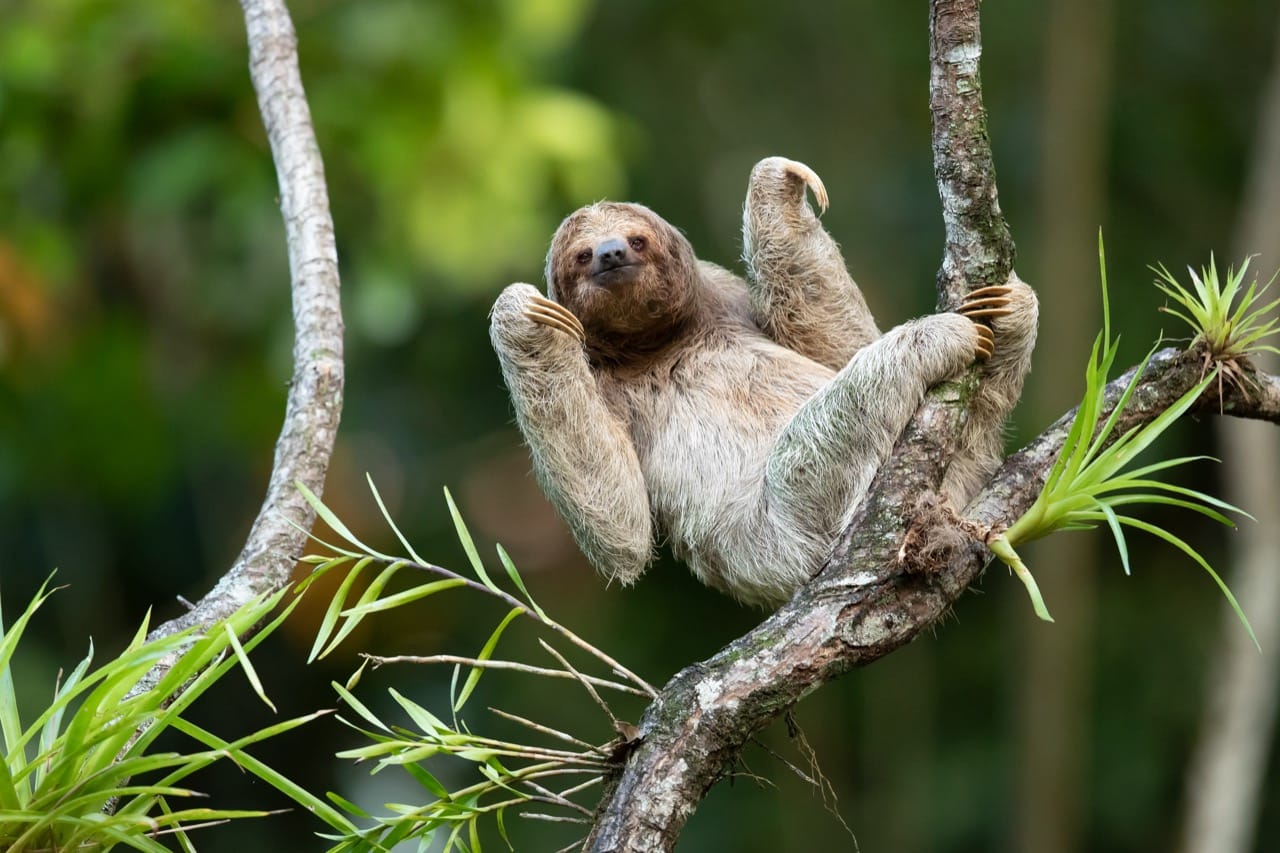
Their upside down life is supported by a set of anatomical superlatives. Sloths have long, curved claws that act like natural hooks, letting them hang with minimal muscular effort. Their grip is so secure that a sloth can remain suspended even after death, simply because the tendons and claw shape lock into place. They also have an unusually flexible neck for their body plan. Most mammals have seven neck vertebrae, but three-toed sloths can have more, allowing them to rotate their heads impressively far to scan for danger without moving the rest of their body.
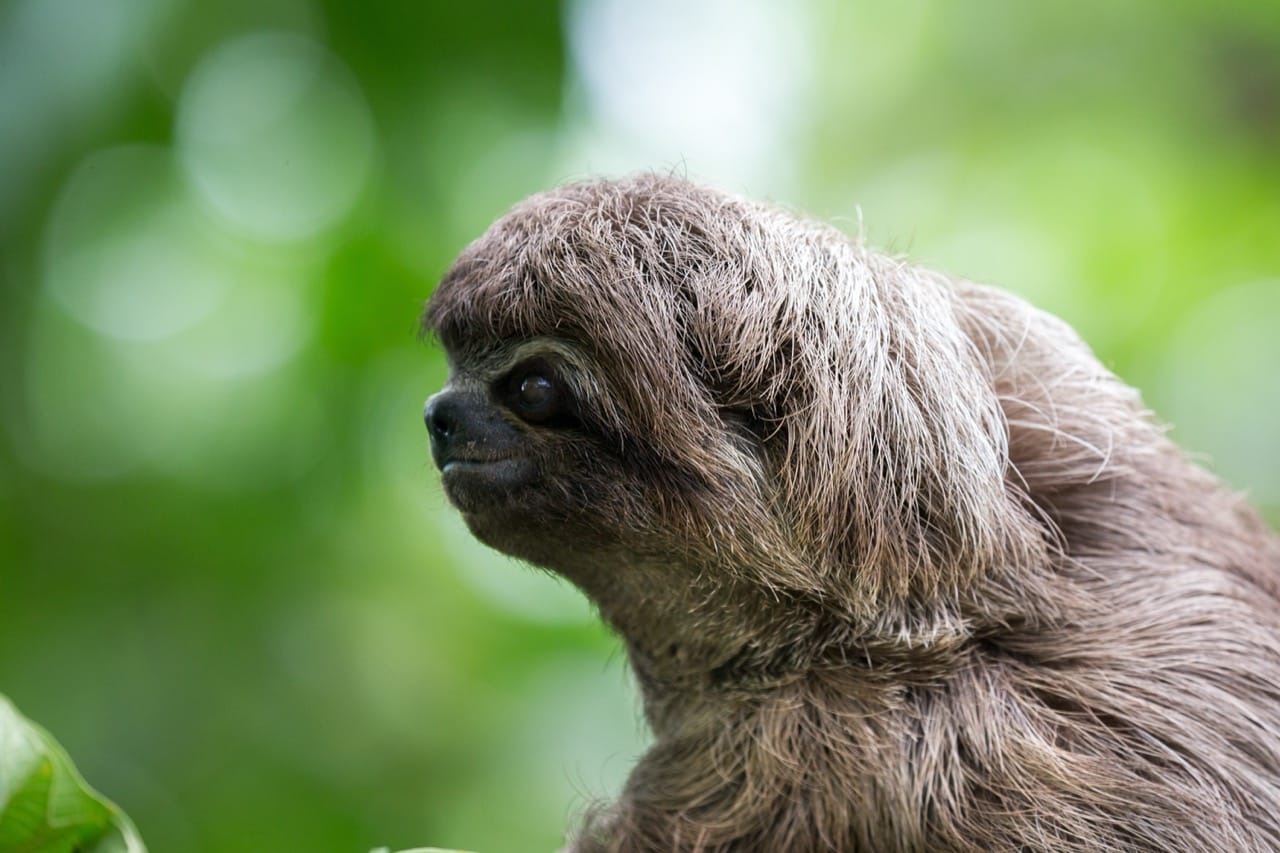
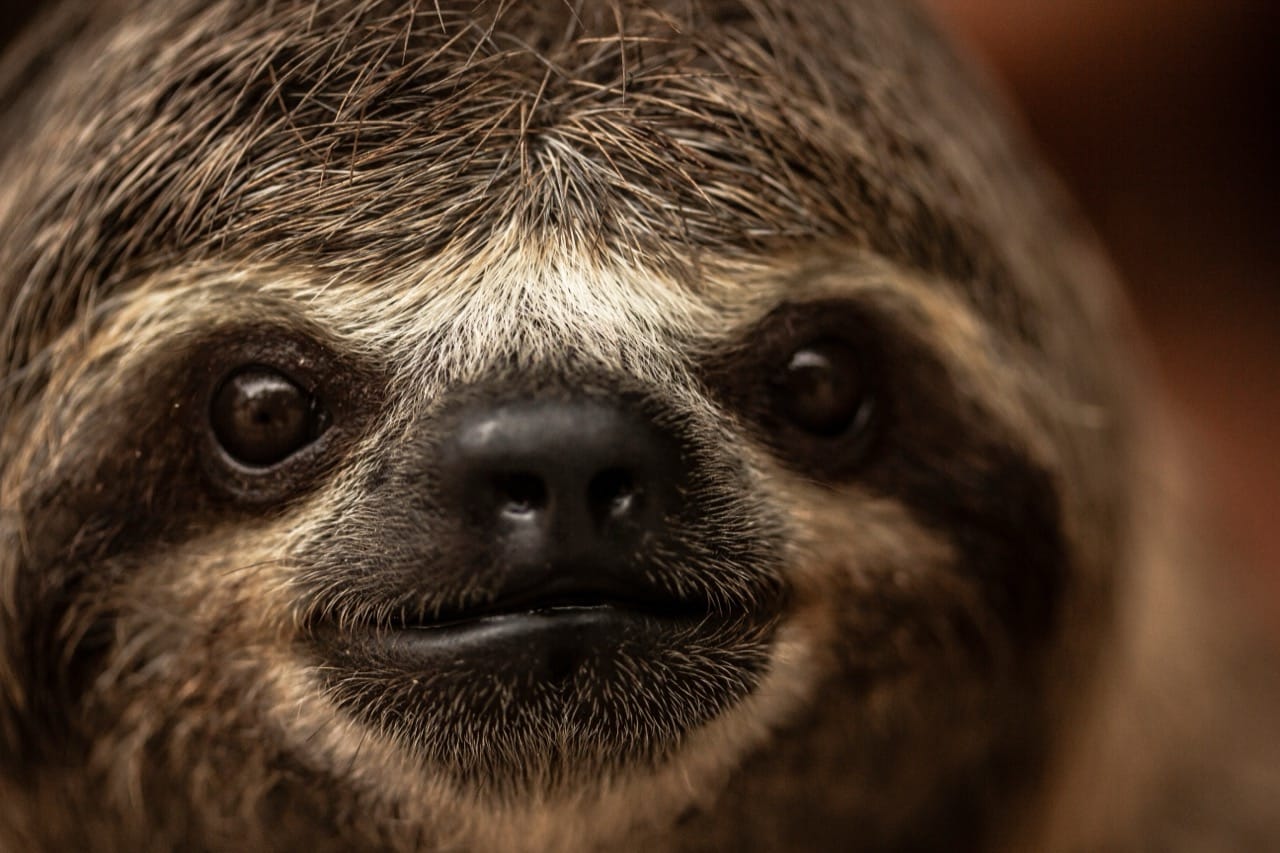
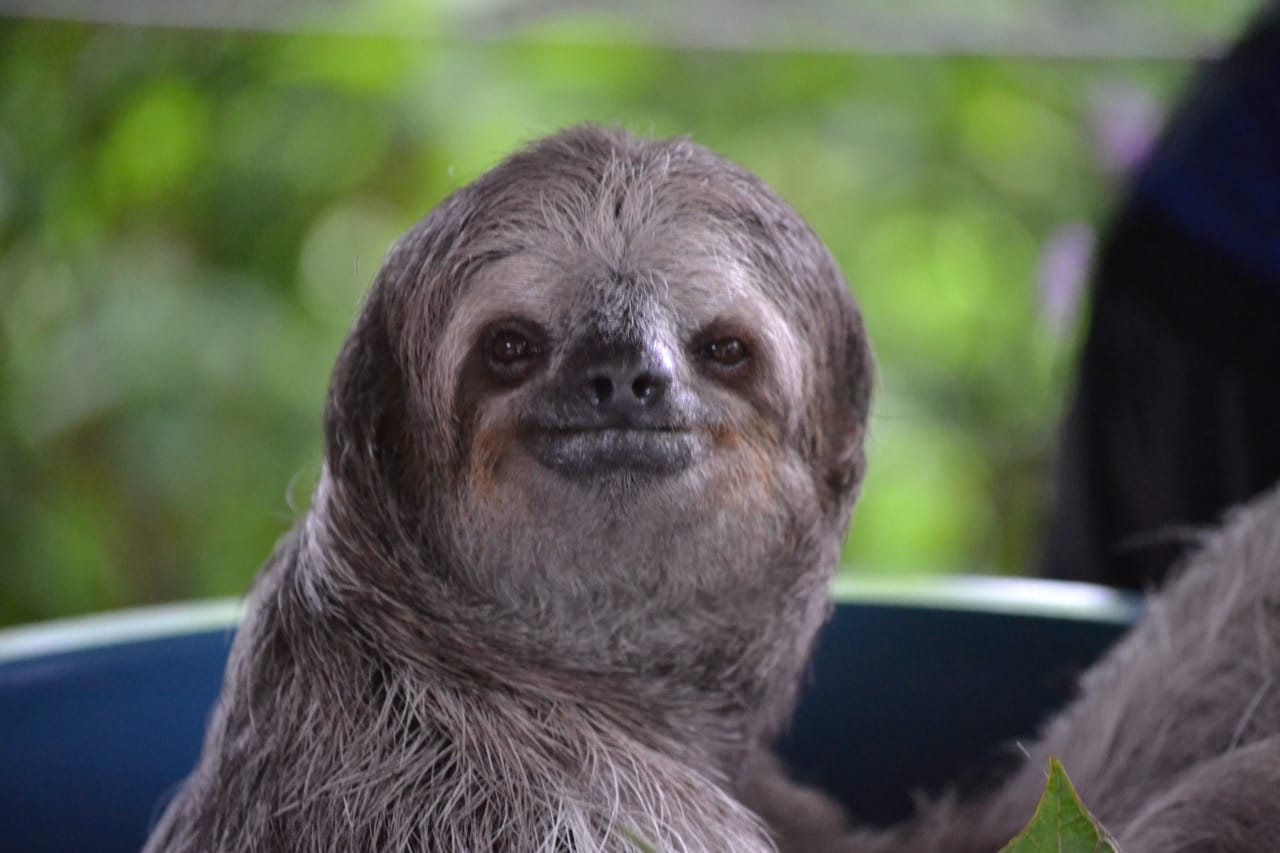
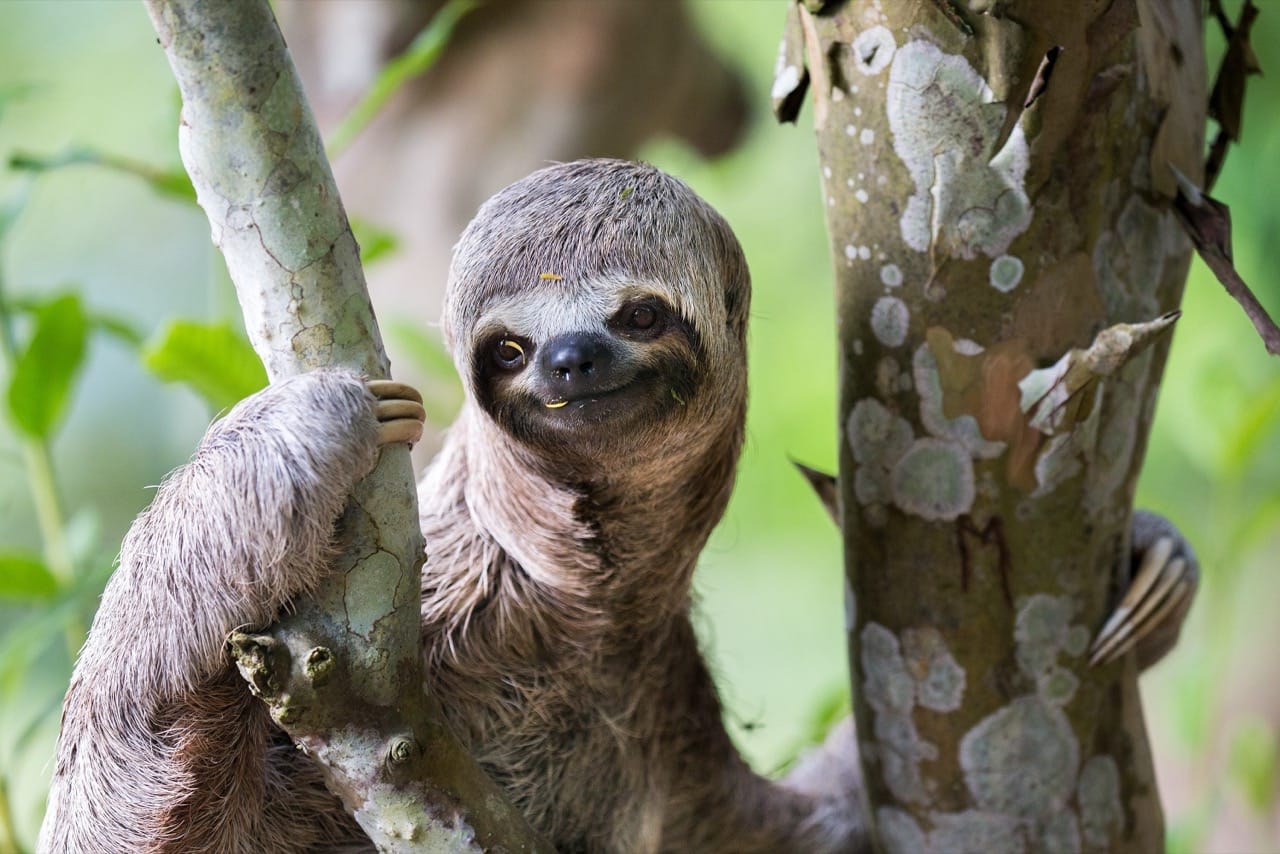
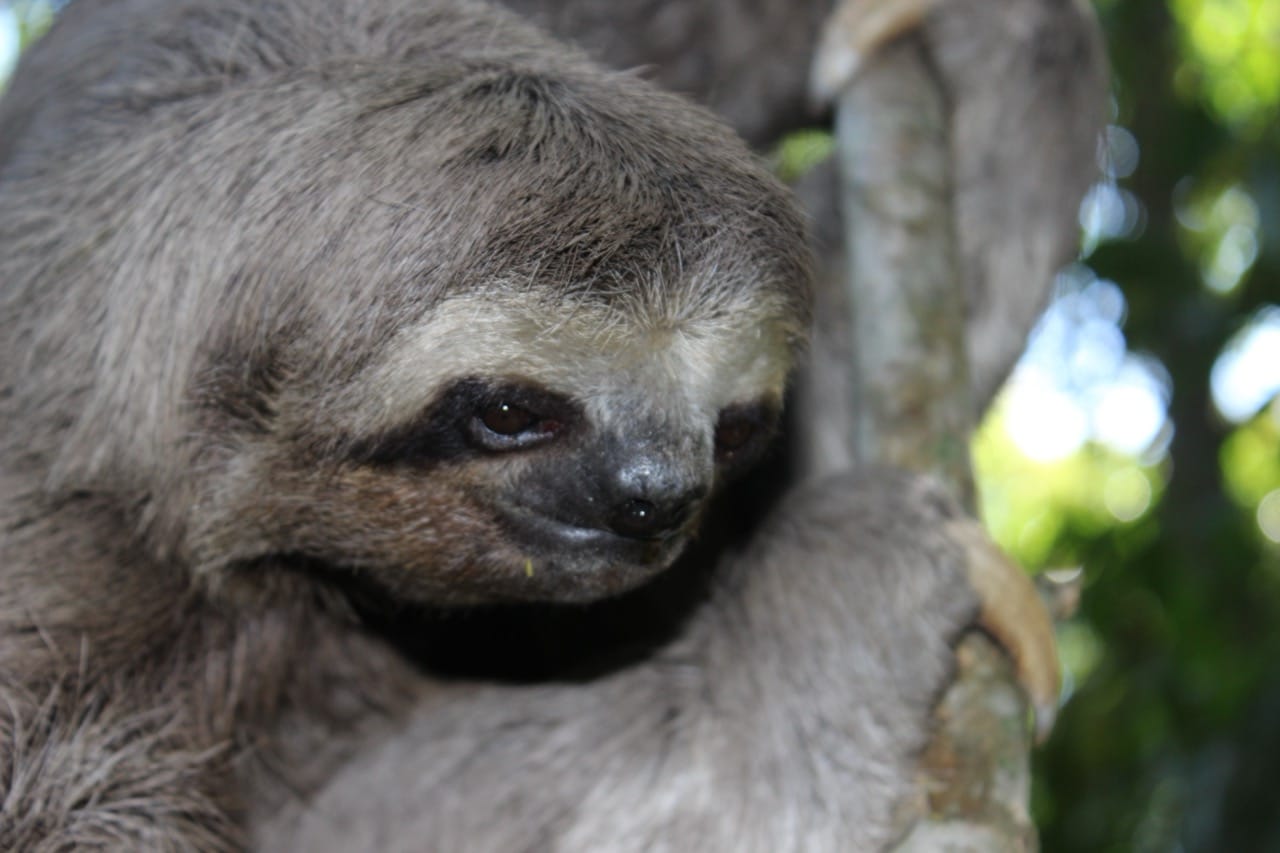
The difference between two-toed and three-toed sloths is more than toe count. They belong to different families and are not as closely related as many people assume. Two-toed sloths tend to be a bit larger, often more active at night, and have a more varied diet that can include fruit and flowers. Three-toed sloths are stricter leaf specialists and are known for their slow, almost deliberate movements. Even their faces differ: three-toed sloths often look like they are smiling because of their facial structure.
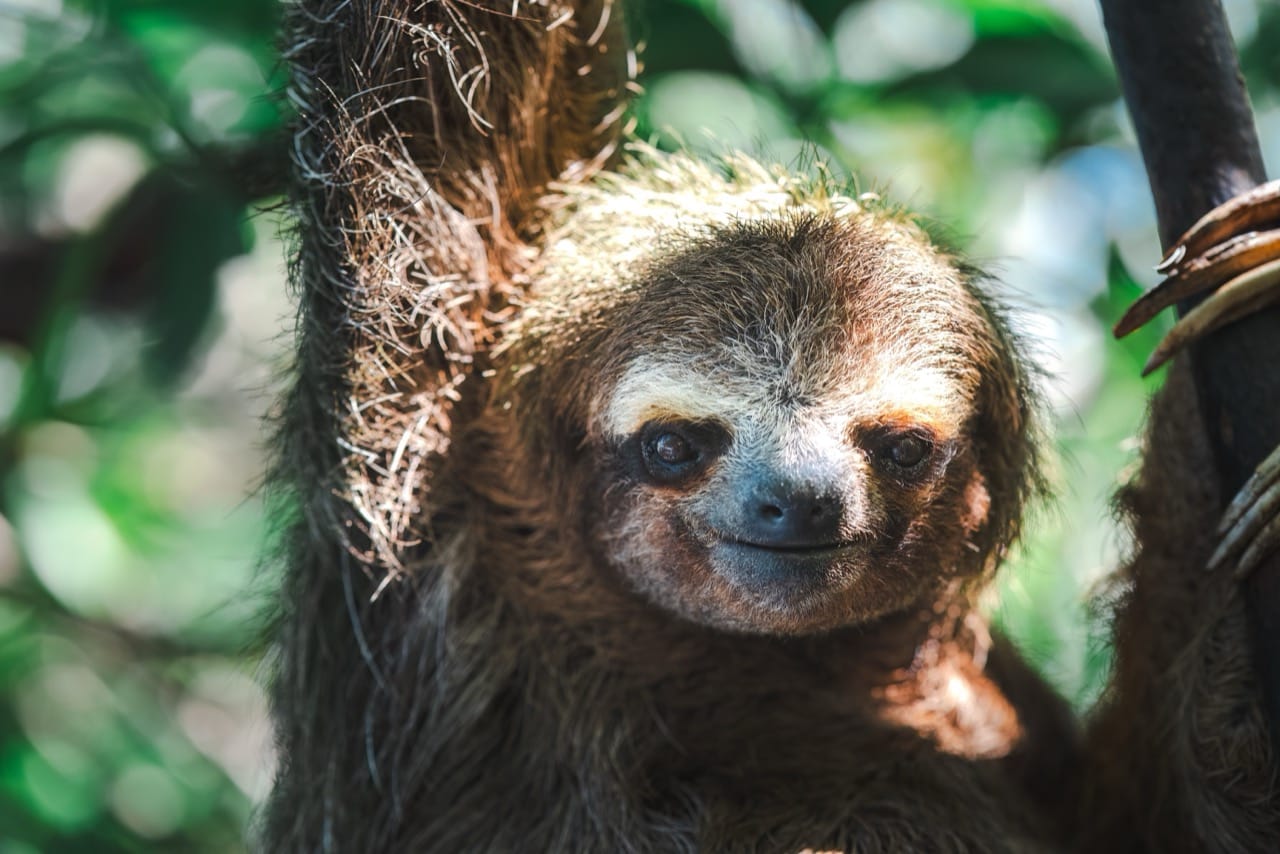
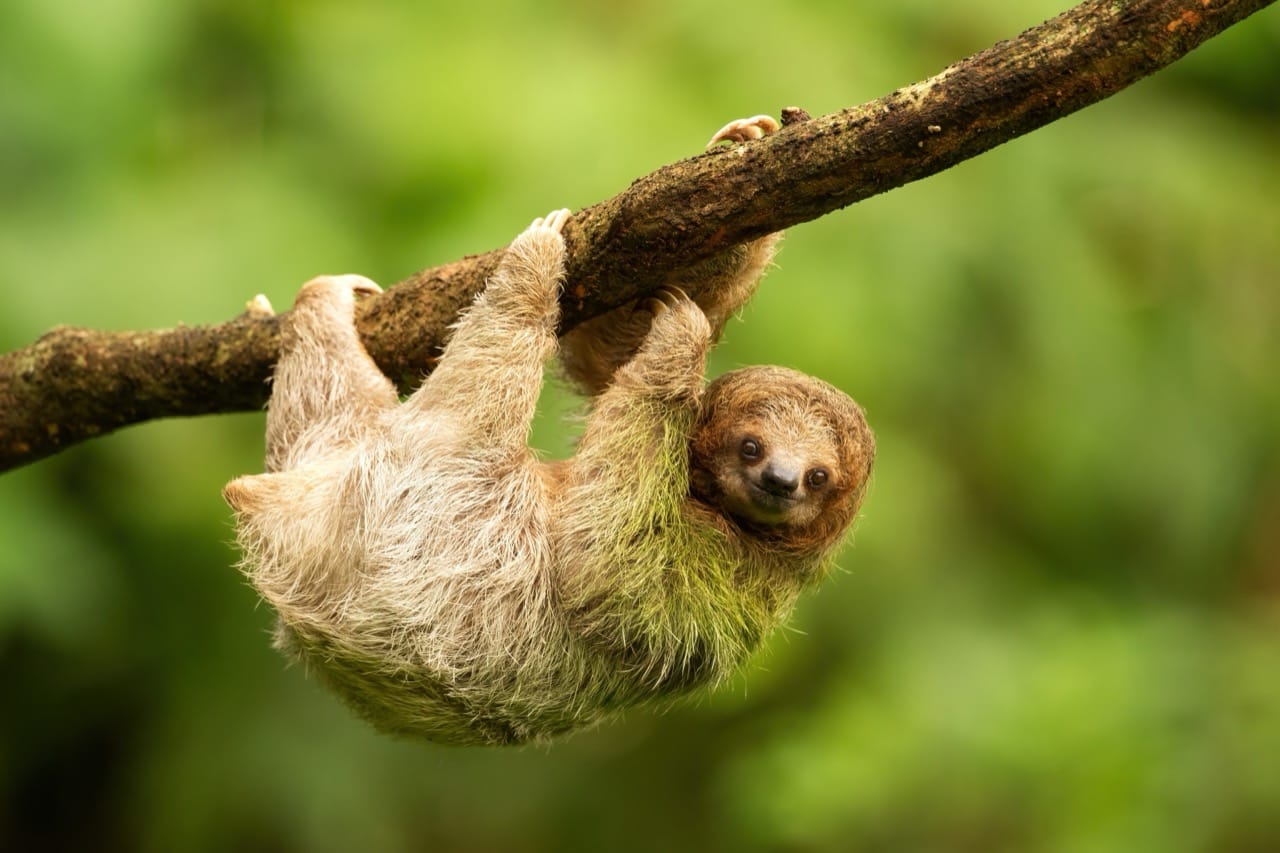
One of the most delightful sloth oddities is their tendency to look green. This is not a natural fur color but a living camouflage. Sloth fur has a structure that can hold moisture, creating a tiny habitat for algae to grow. The algae can tint the fur green, helping sloths blend into the canopy. This fur ecosystem can include fungi, beetles, and moths, forming a small community that benefits from the sloths slow, stable lifestyle. The sloth benefits too, gaining extra concealment in a world where avoiding detection can matter more than outrunning anything.
Put together, sloths are less about being slow and more about being perfectly matched to a specific niche. Their records and superlatives, from tiny island specialists to fossil giants, show a lineage that has experimented with many ways of being a sloth. The living species represent the treetop chapter of that story, where patience, camouflage, and energy thriftiness are not quirks but winning strategies.