Quokka Spotlight Famous Faces and Fun Facts
Quiz Complete!
Quokka Spotlight: Famous Faces, Viral Selfies, and the Facts Behind the Smile
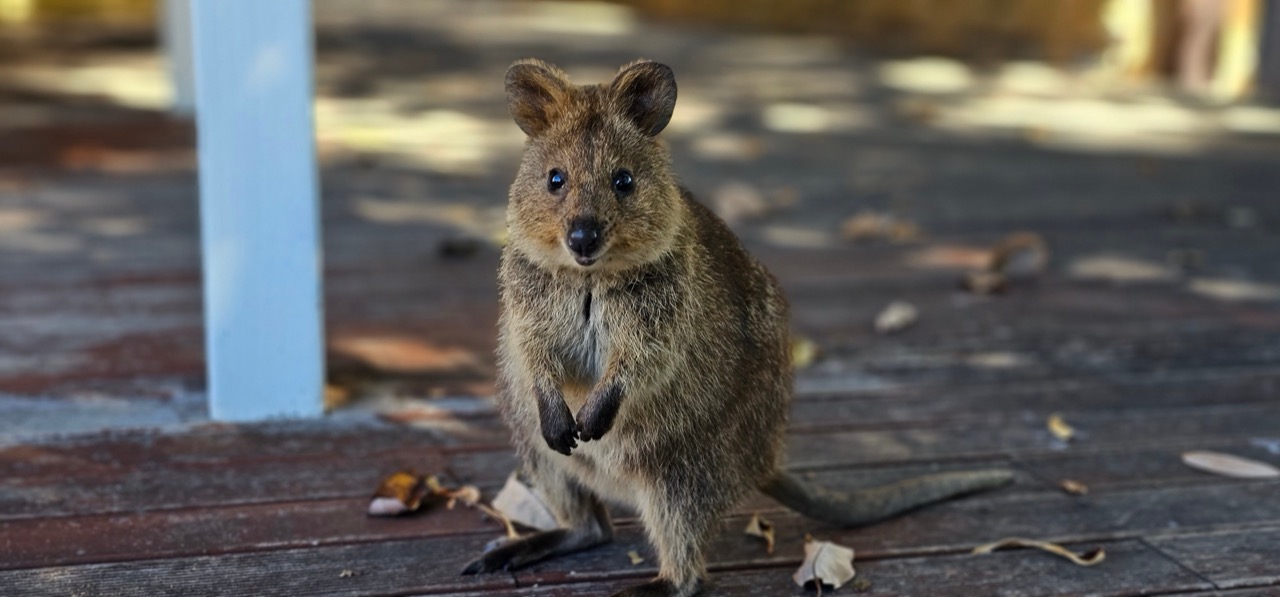
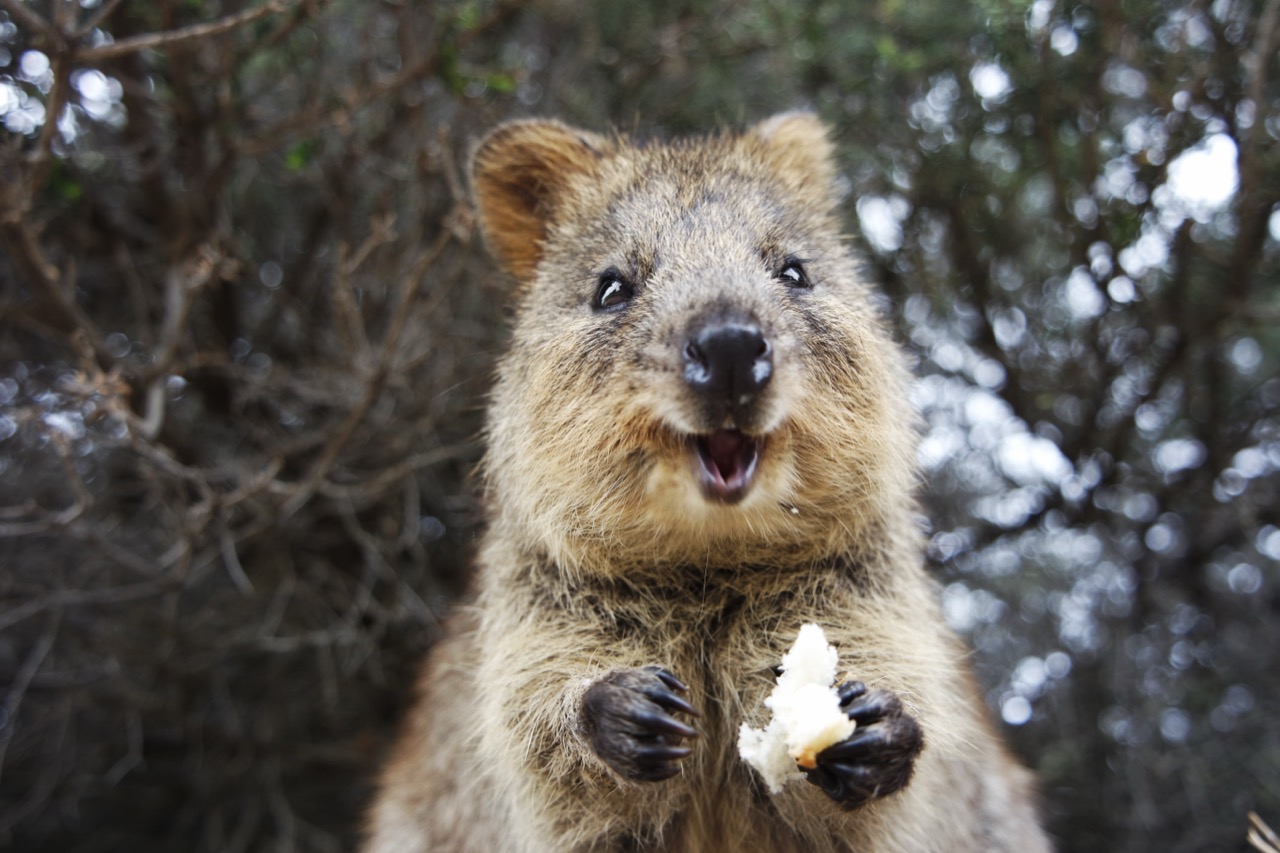
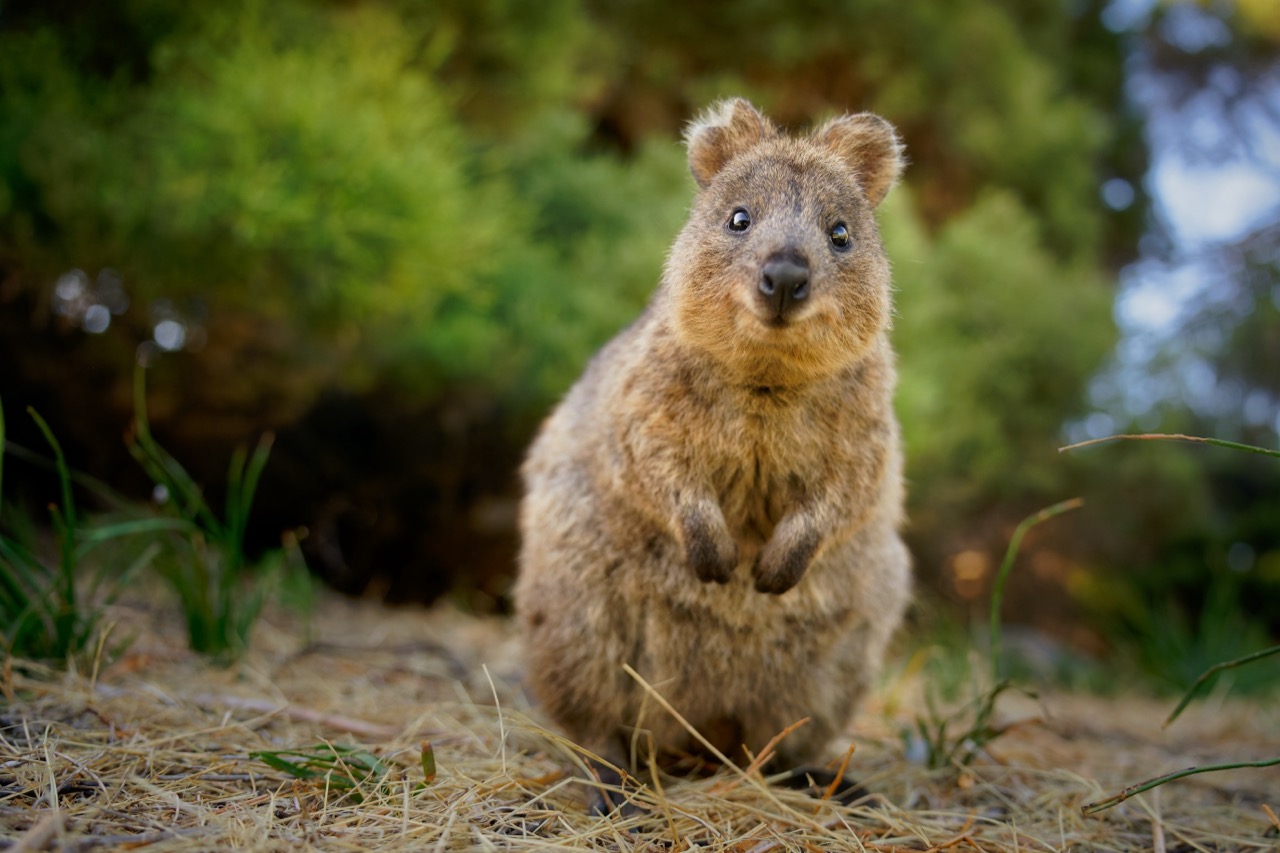
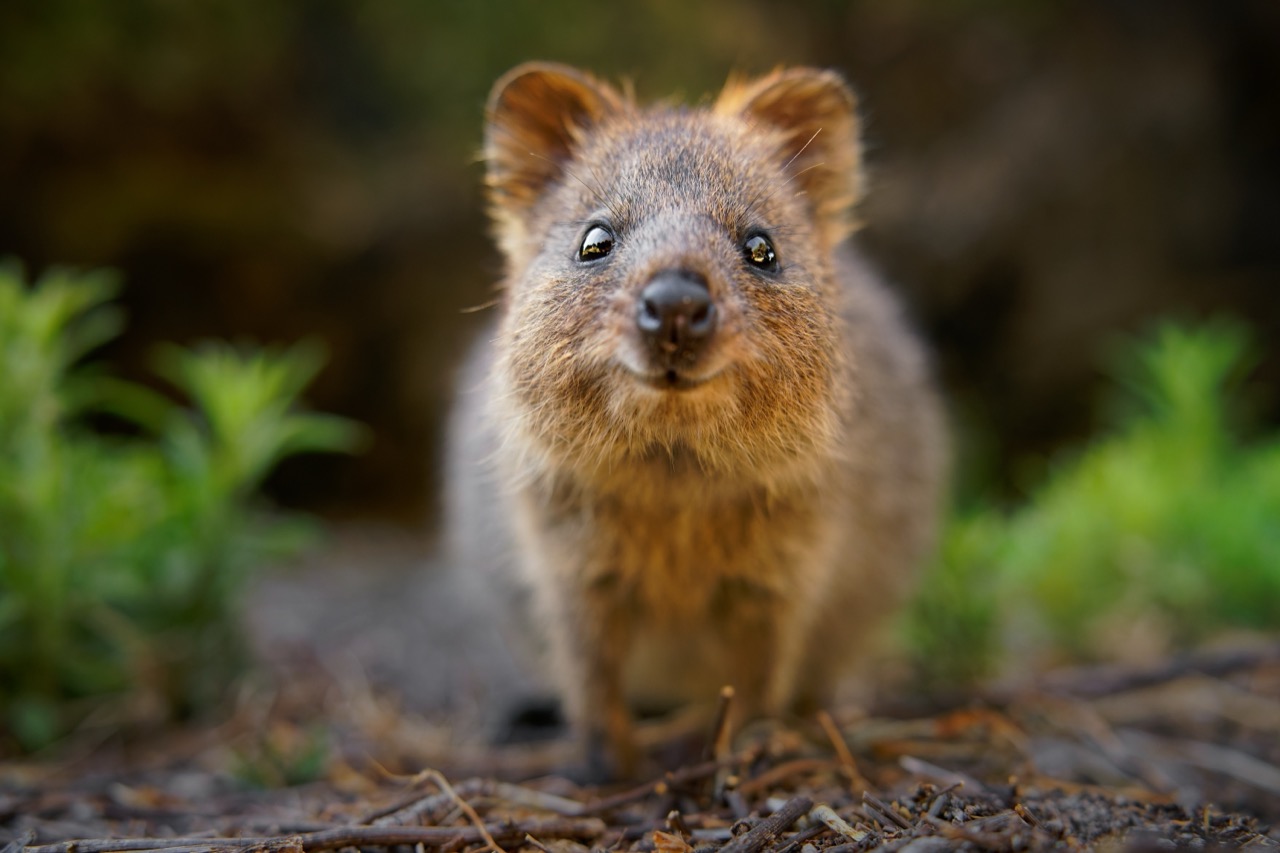
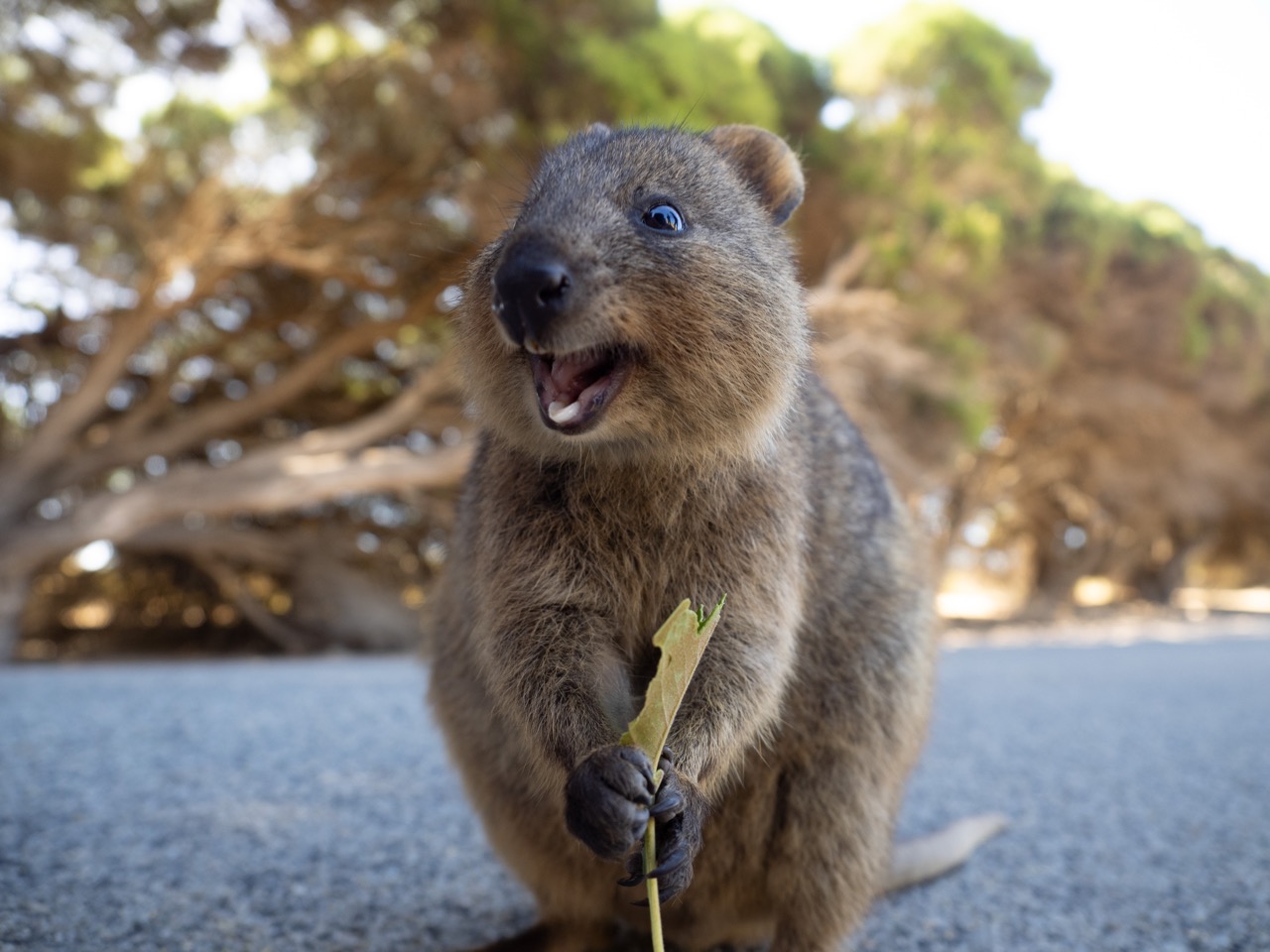
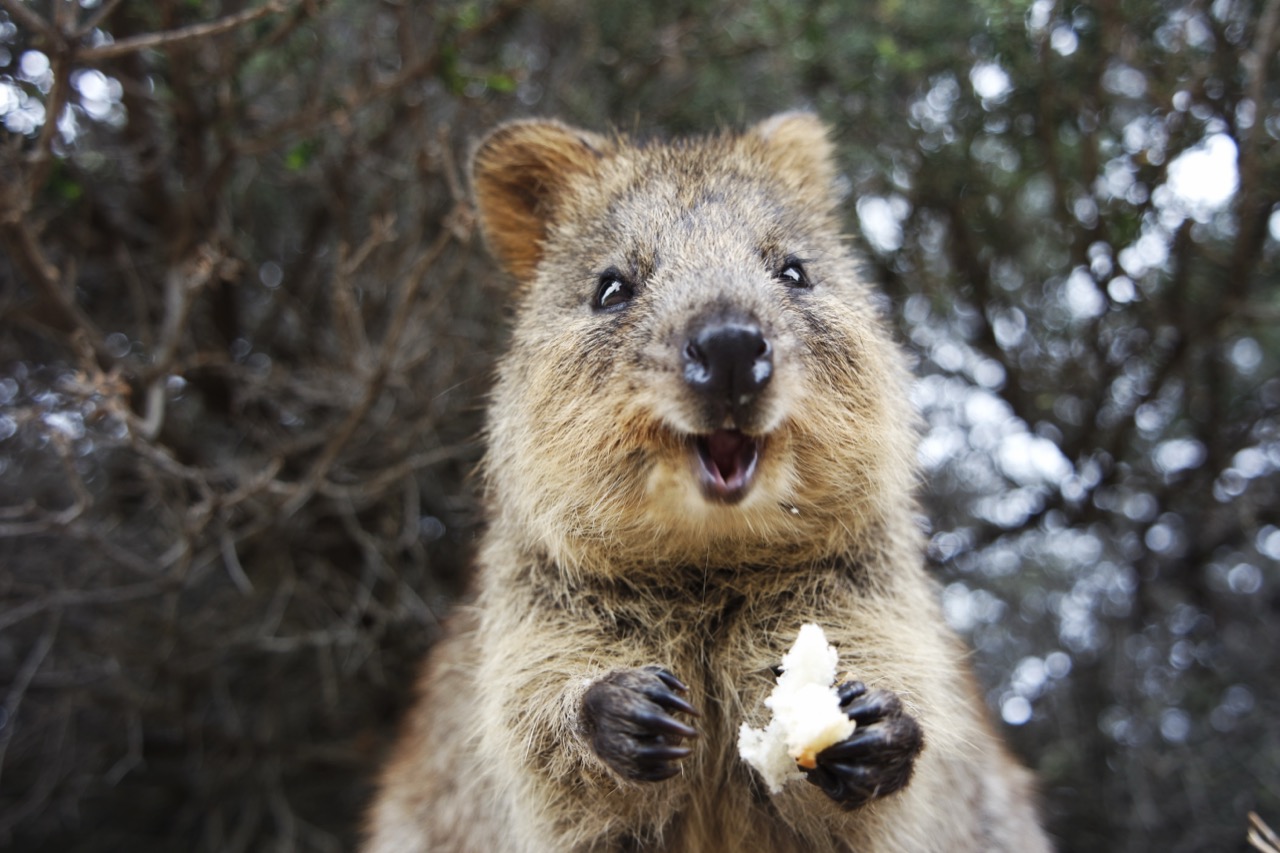
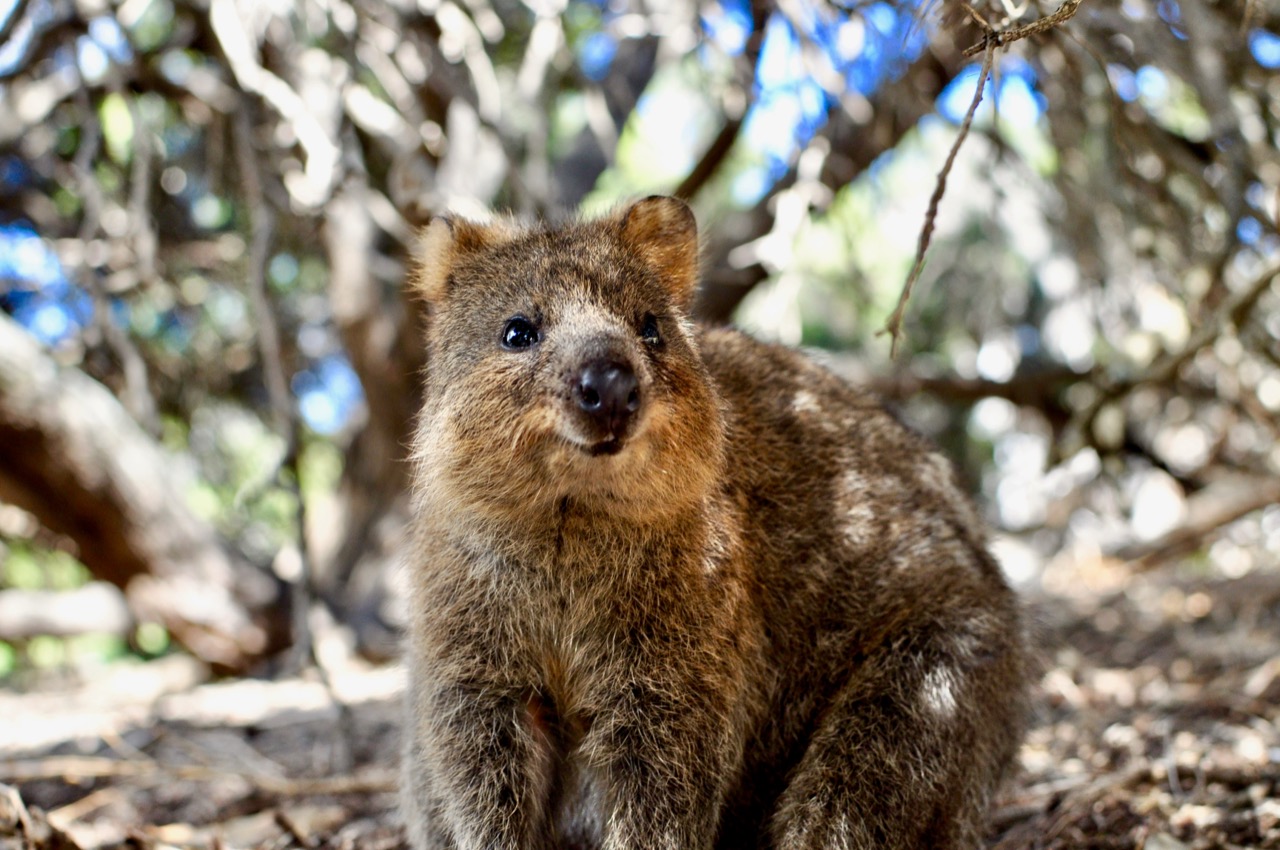
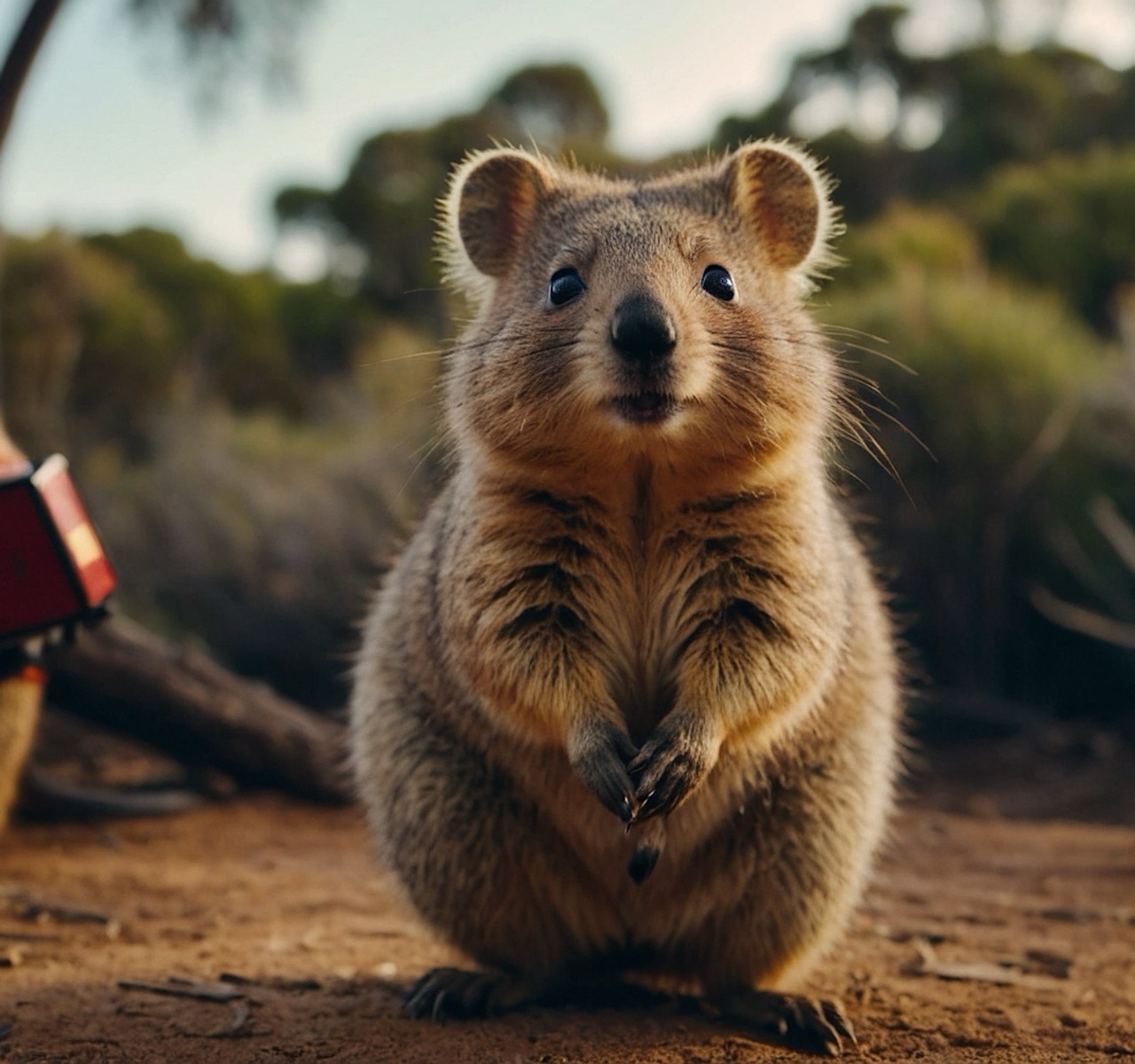
Quokkas have become unlikely celebrities thanks to a face that seems to grin for the camera. That “smile” is not a human emotion caught on fur, but the shape of their mouth and cheeks, which can look extra cheerful in photos taken from slightly above. Social media turned that expression into a global calling card, and a few high profile encounters helped push quokkas from local wildlife to international icons. Yet the real animal behind the viral moments is a tough, well adapted marsupial with a story that mixes biology, tourism, and conservation.
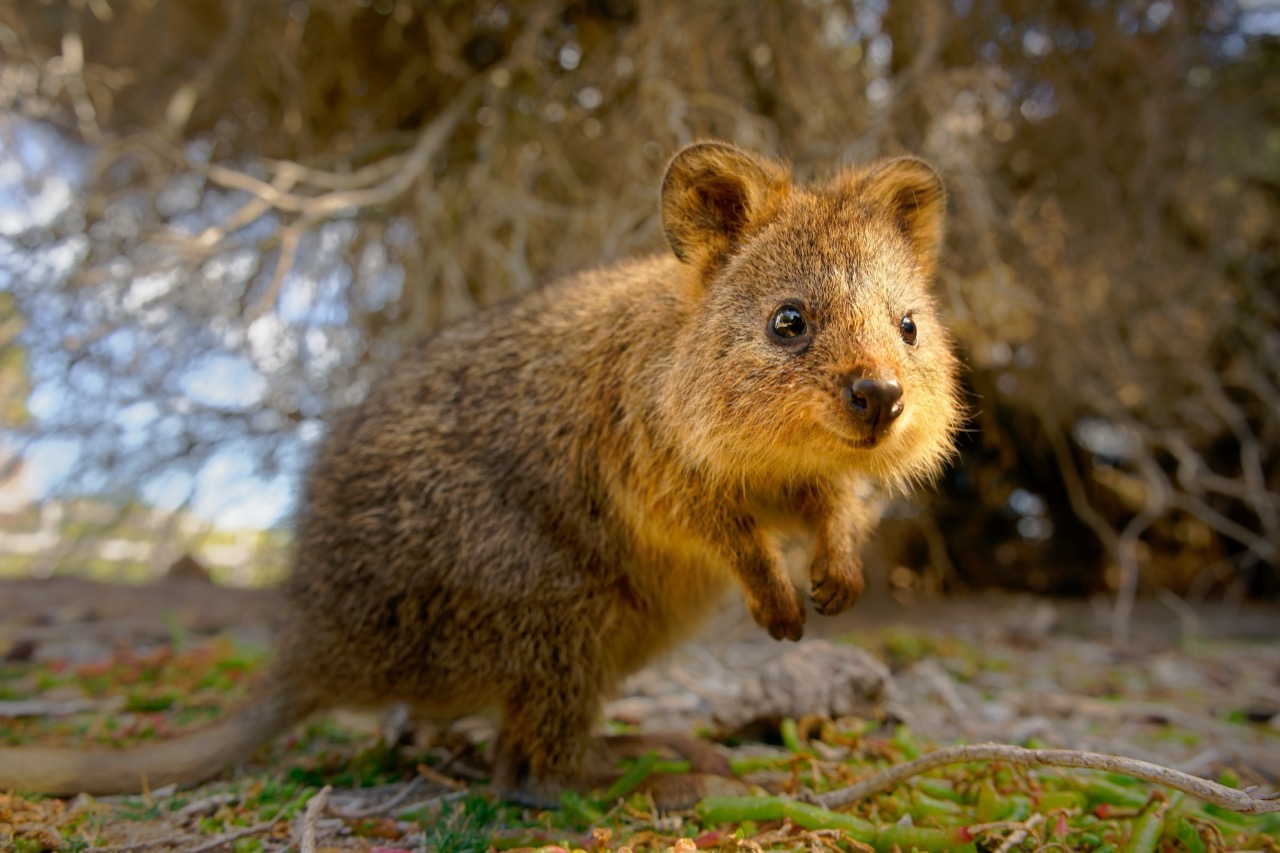
Quokkas are small macropods, relatives of kangaroos and wallabies, and they carry their young in a pouch. Like other marsupials, a tiny newborn crawls into the pouch and continues developing there. Adults are compact and sturdy, built for moving through dense vegetation rather than bounding across open plains. They are mostly active from late afternoon through the night, spending hot daylight hours resting in shade to conserve water and energy.
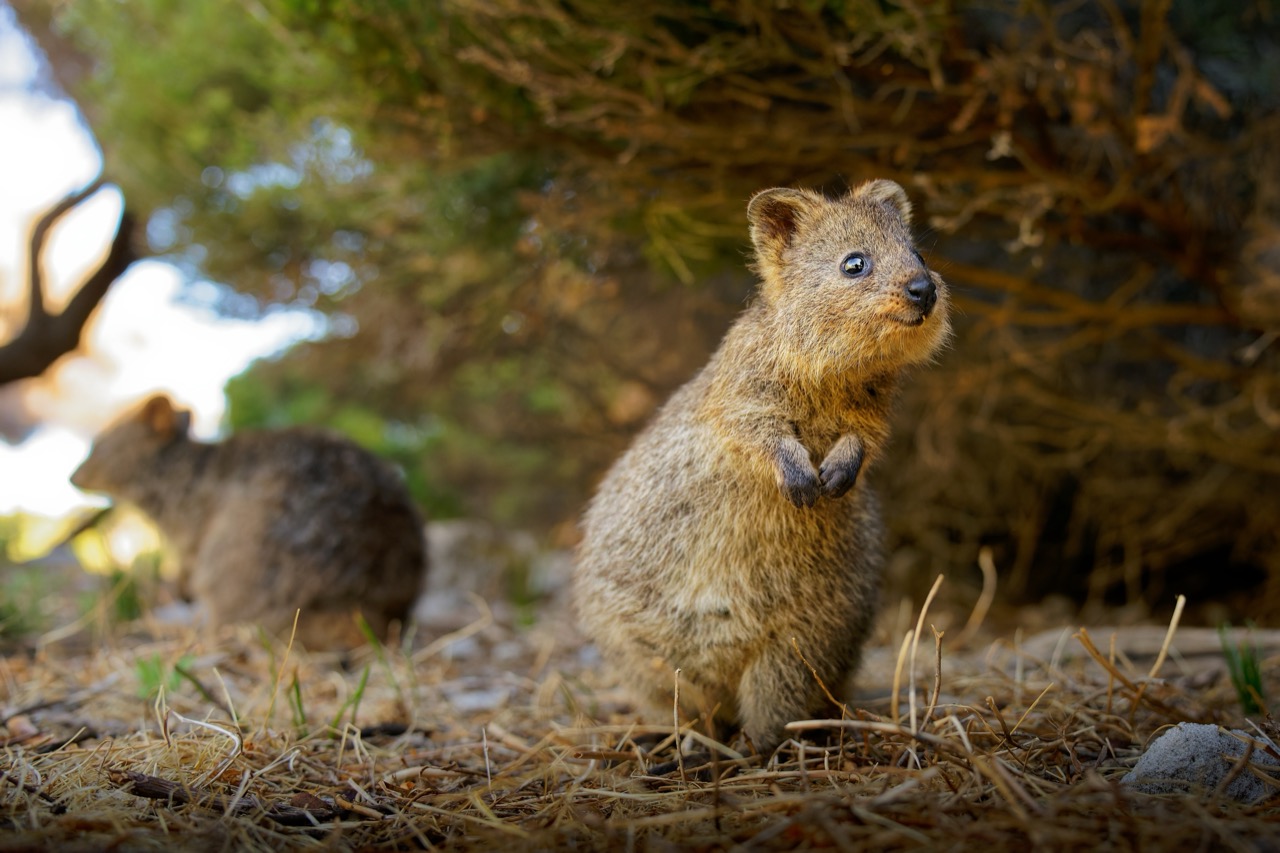
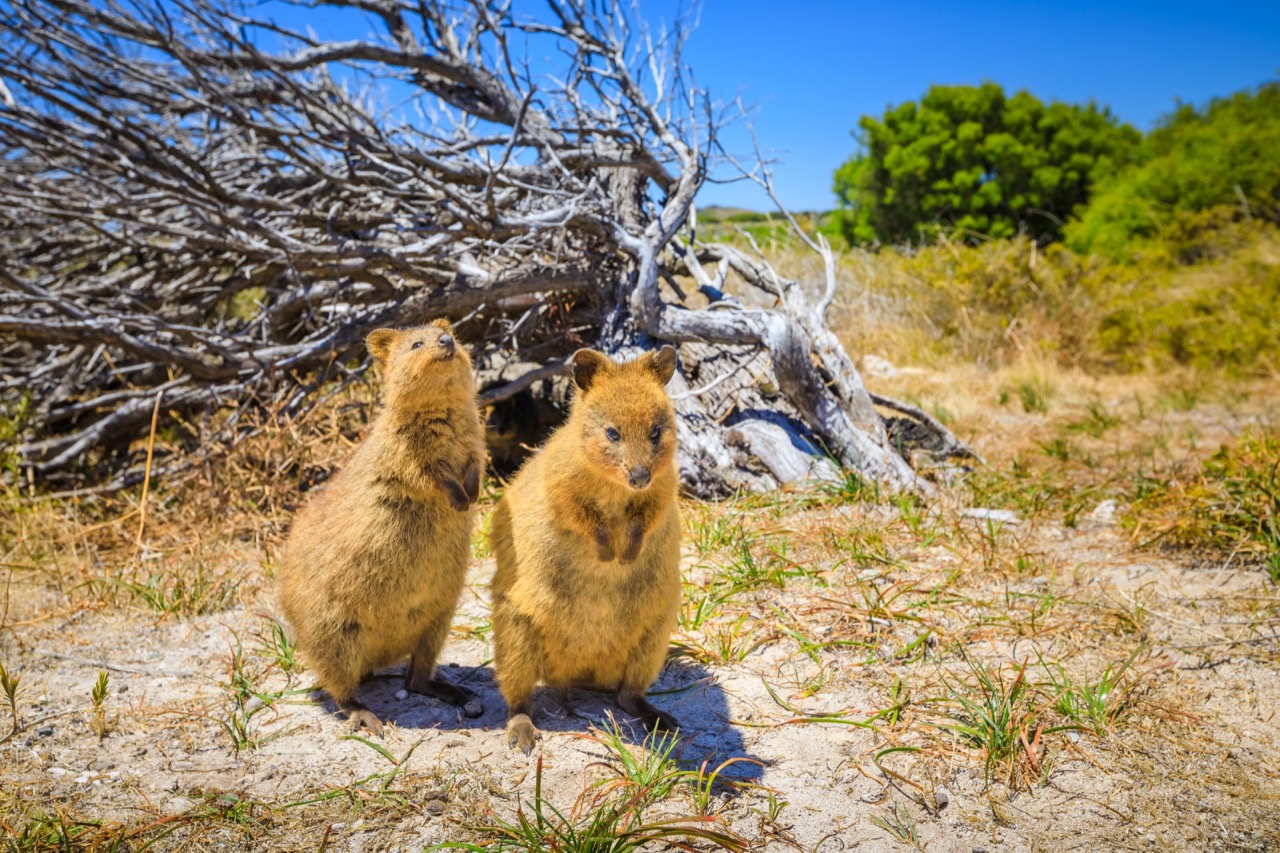
When people think of quokkas, they usually think of Rottnest Island, a short trip off the coast of Western Australia near Perth. Rottnest has become the center of quokka fame because visitors can see them at close range in a setting that feels safe and approachable. The island’s quokkas are accustomed to people, and the landscape around popular bays and walking paths makes encounters more likely. The island’s name itself comes from an early Dutch visitor who mistook the animals for large rats, calling the place “rat nest.” The quokkas were never rats, of course, but the name stuck and became part of the island’s quirky history.
Quokkas also live on the mainland in parts of southwestern Western Australia, but mainland populations face heavier pressure from habitat loss and introduced predators such as foxes and cats. On islands and in fenced reserves, quokkas can do better because predator numbers are lower or controlled. That difference helps explain why Rottnest Island, despite being busy with tourists, can support a visible and relatively stable population compared with many mainland areas.
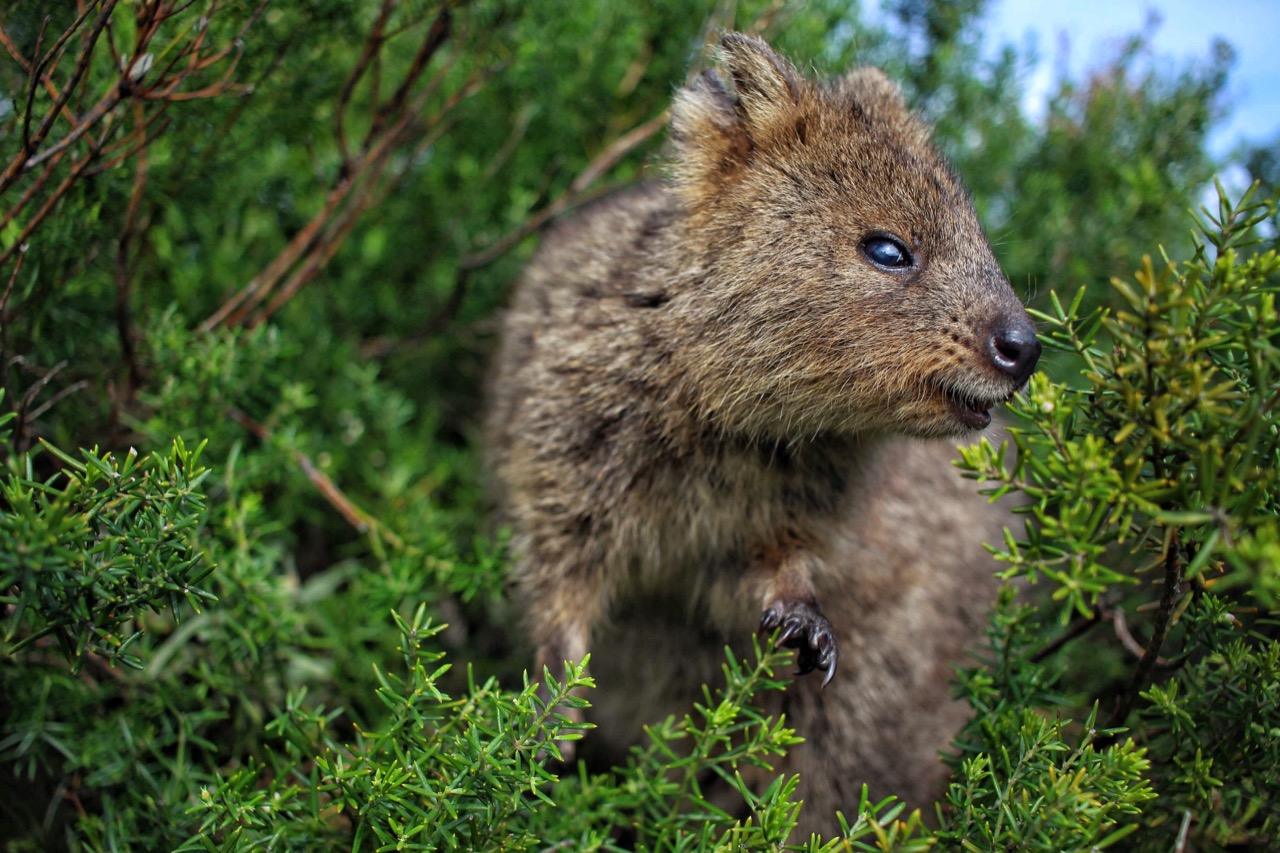
Their diet is mostly vegetation: grasses, leaves, stems, and succulents. Quokkas are good at getting moisture from food and can cope with dry periods by adjusting what they eat and when they move. They have a digestive system suited to breaking down fibrous plants, and they may revisit the same feeding areas as plants regrow. During breeding, females can raise a joey in the pouch and may have the ability to pause development of an embryo until conditions are right, a strategy that helps them respond to changes in food availability.
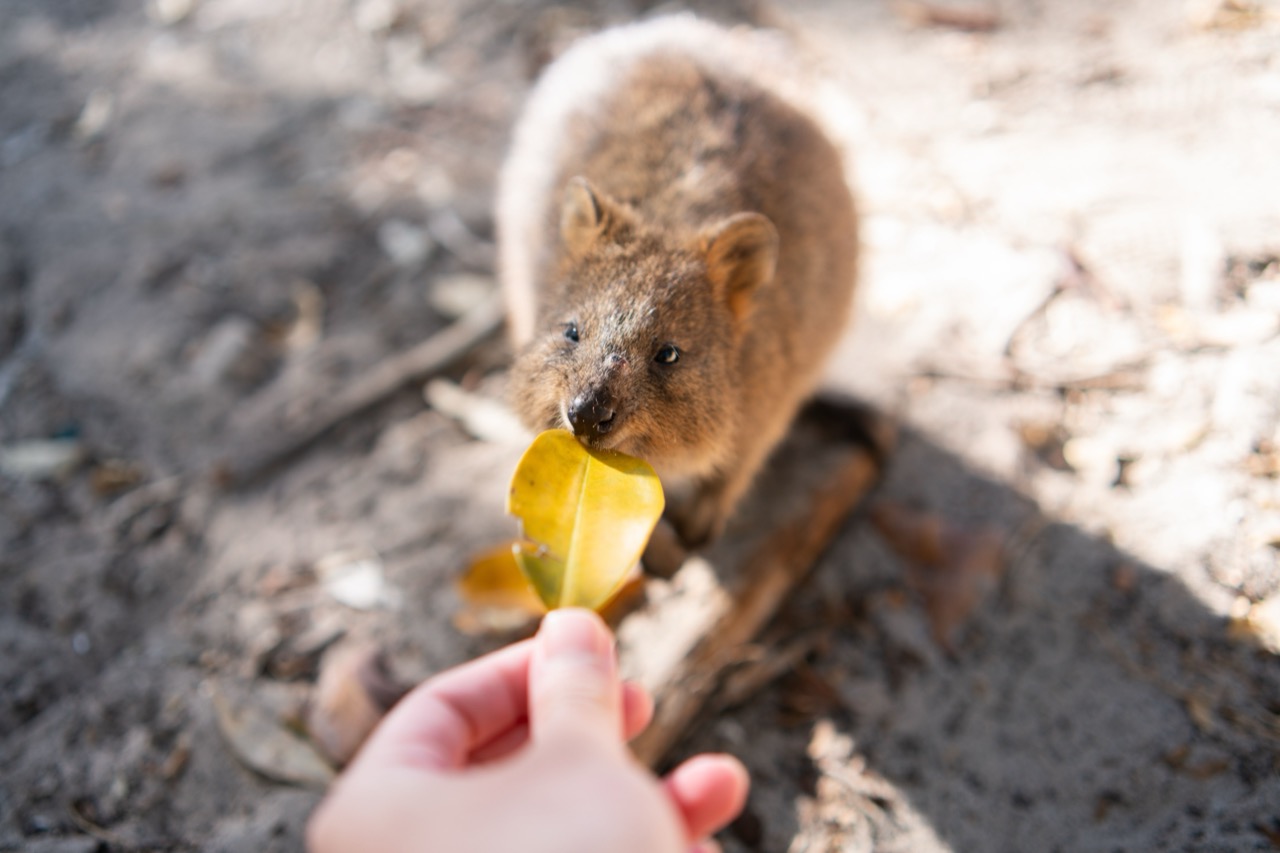
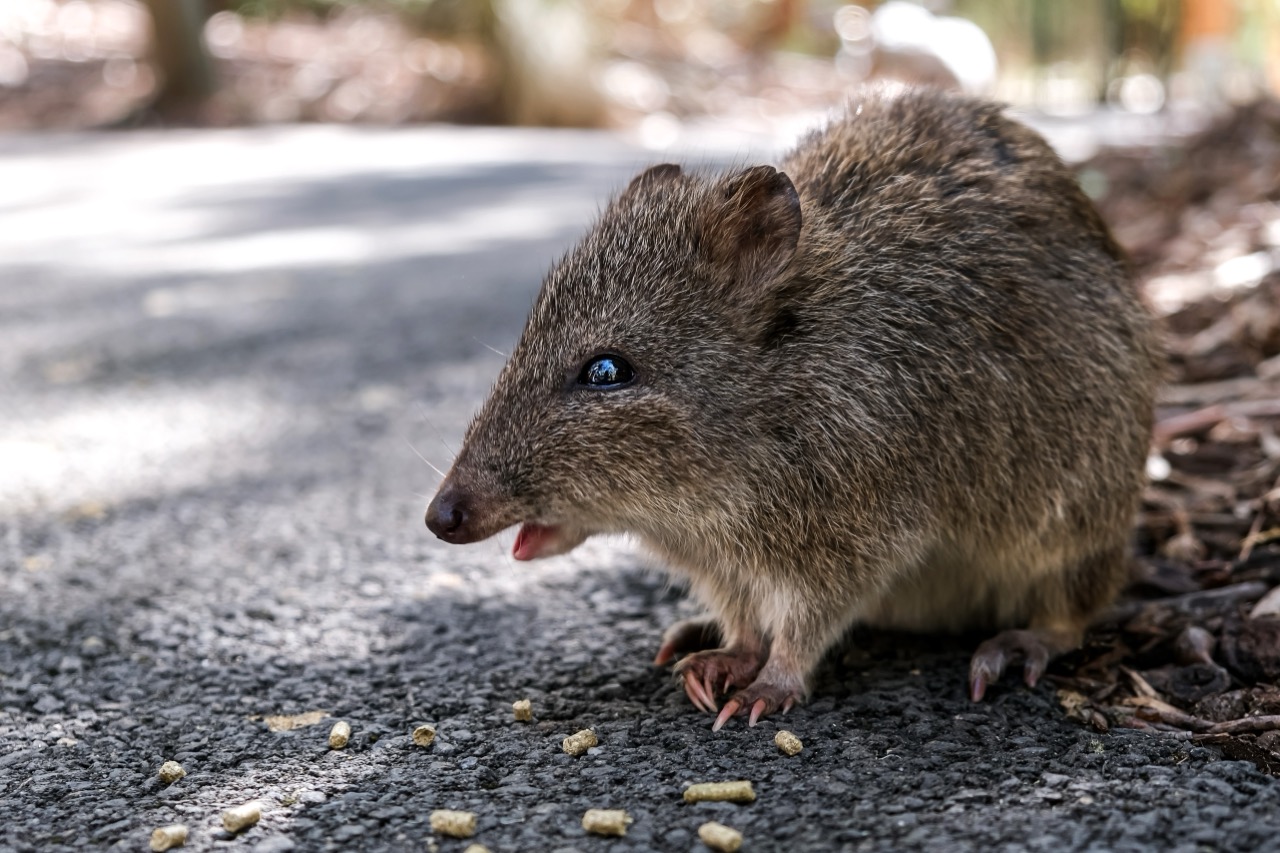
The selfie phenomenon brought both attention and problems. Close interactions can stress animals, disrupt feeding, and lead to bites or scratches when people crowd them. Feeding quokkas is especially risky because human food can make them sick and can encourage them to beg, which increases conflict. Wildlife managers and local authorities promote rules such as keeping a respectful distance, not touching, and never feeding. The best photos usually come from patience: staying still, letting the quokka choose the distance, and keeping the animal’s welfare ahead of the perfect shot.
Quokkas are a reminder that internet fame can be a double edged gift. Viral images can inspire people to care about a species they never knew existed, but they can also flatten a complex animal into a cute symbol. Learning where quokkas live, how they survive, and why careful tourism matters turns that fleeting smile into something more meaningful: a chance to appreciate wildlife responsibly and support the habitats and management that help these marsupials persist.