Bunnies Across Nature and Culture Trivia

Quiz Complete!
Bunnies Across Nature and Culture: How Rabbits Connect Biology, Ecosystems, and Stories
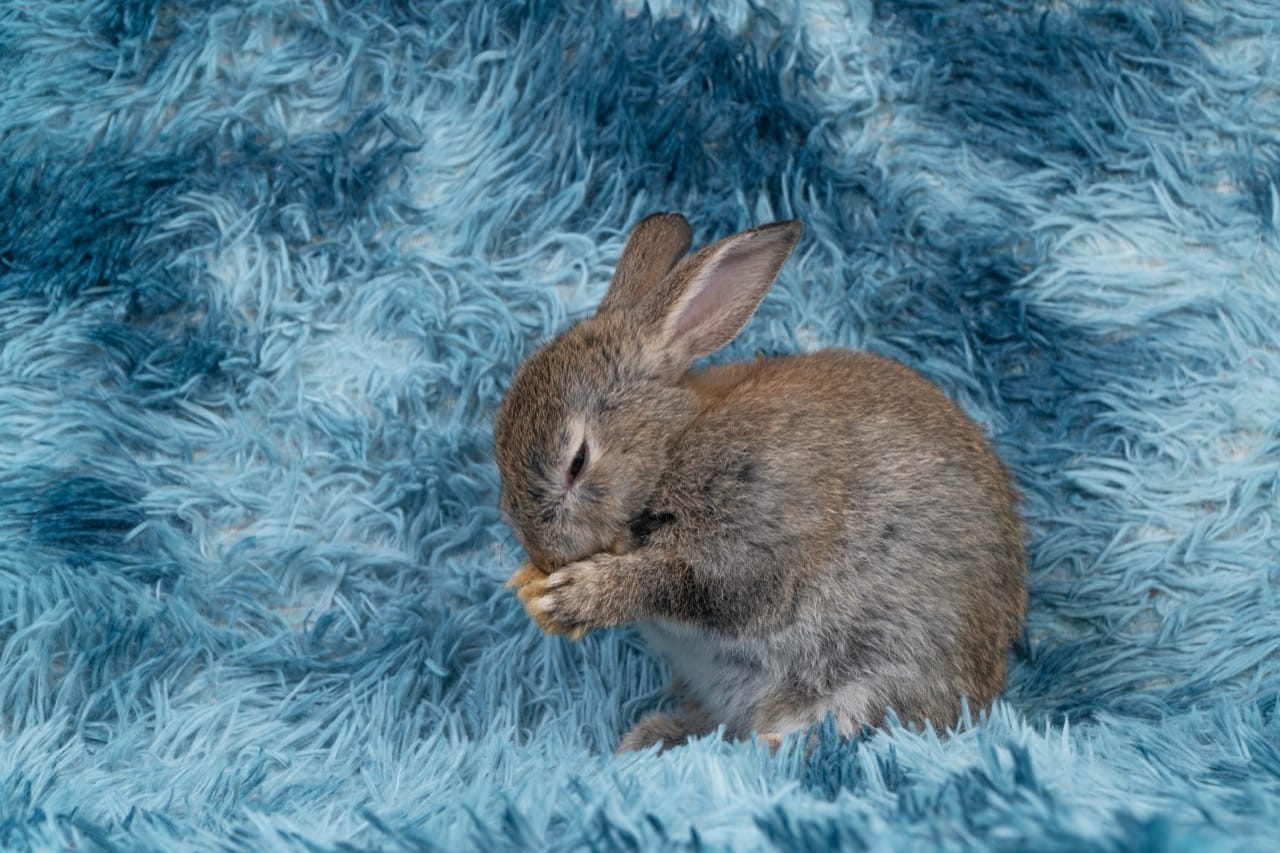
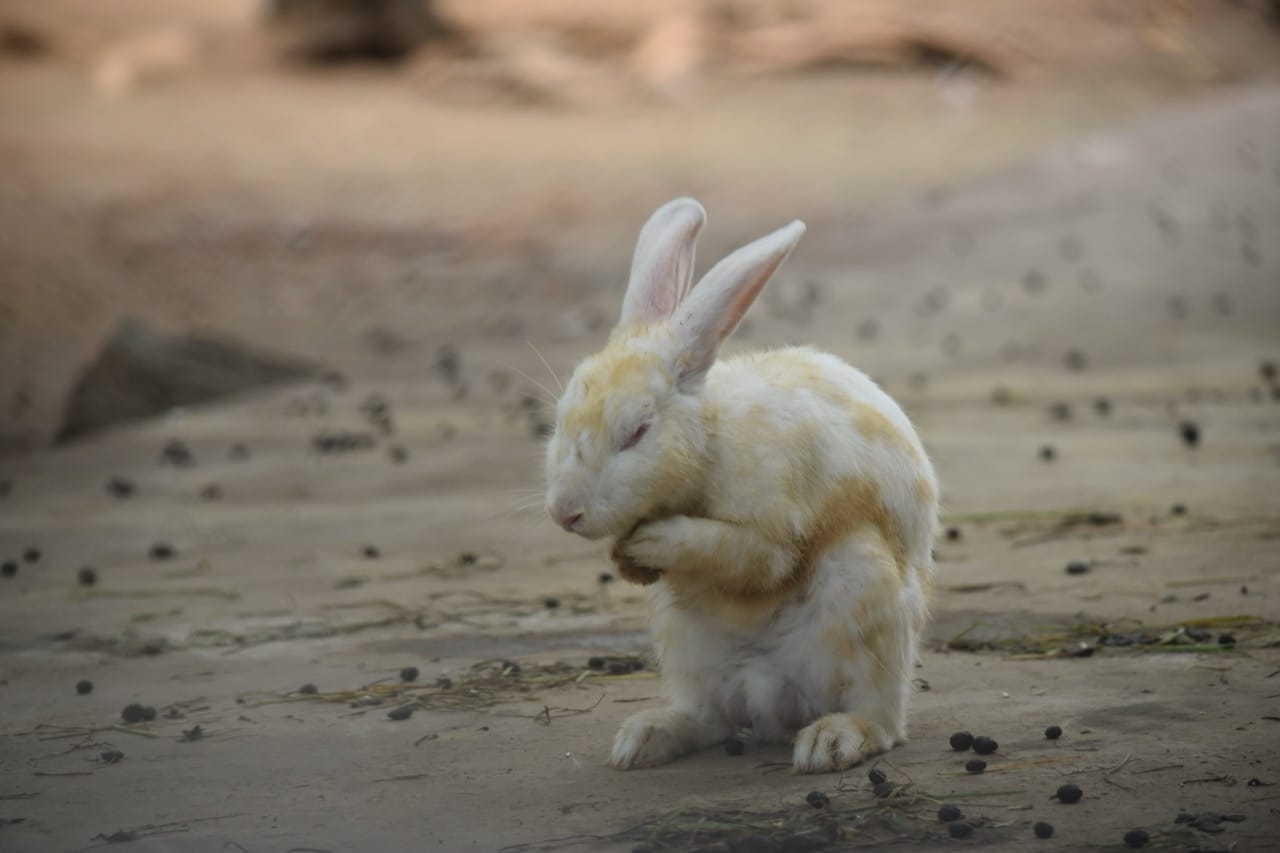
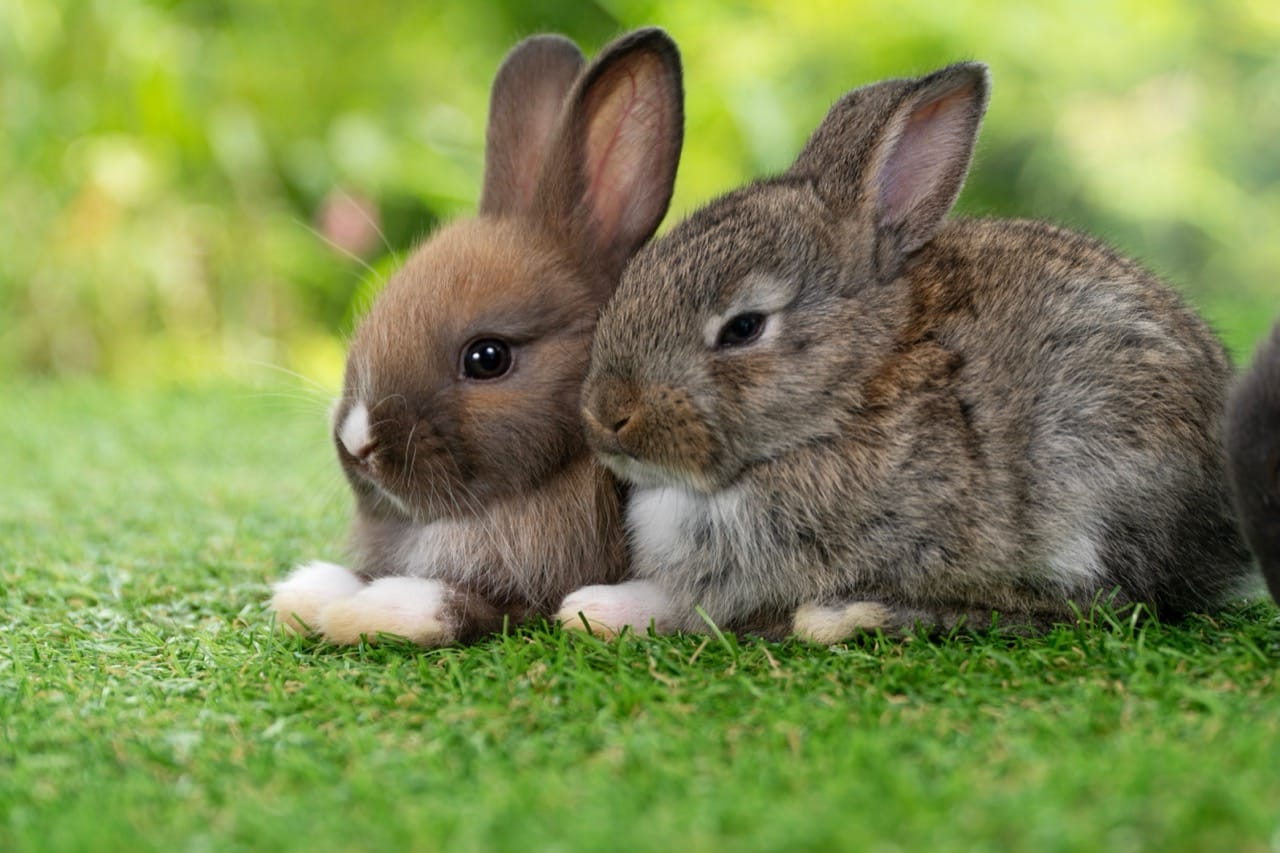
Rabbits seem ordinary until you notice how many worlds they touch at once. In nature they are small plant eaters with outsized influence, and in culture they hop through folktales, art, and everyday language. Even the word for their group, lagomorph, hints at a deeper story. Rabbits are not rodents, though they are often mistaken for them. Lagomorphs include rabbits, hares, and pikas, and one quick anatomical clue is their extra pair of small upper incisors tucked behind the front ones. That dental setup helps them crop tough vegetation, but it also points to their life strategy: constant eating, constant alertness, and constant readiness to bolt.
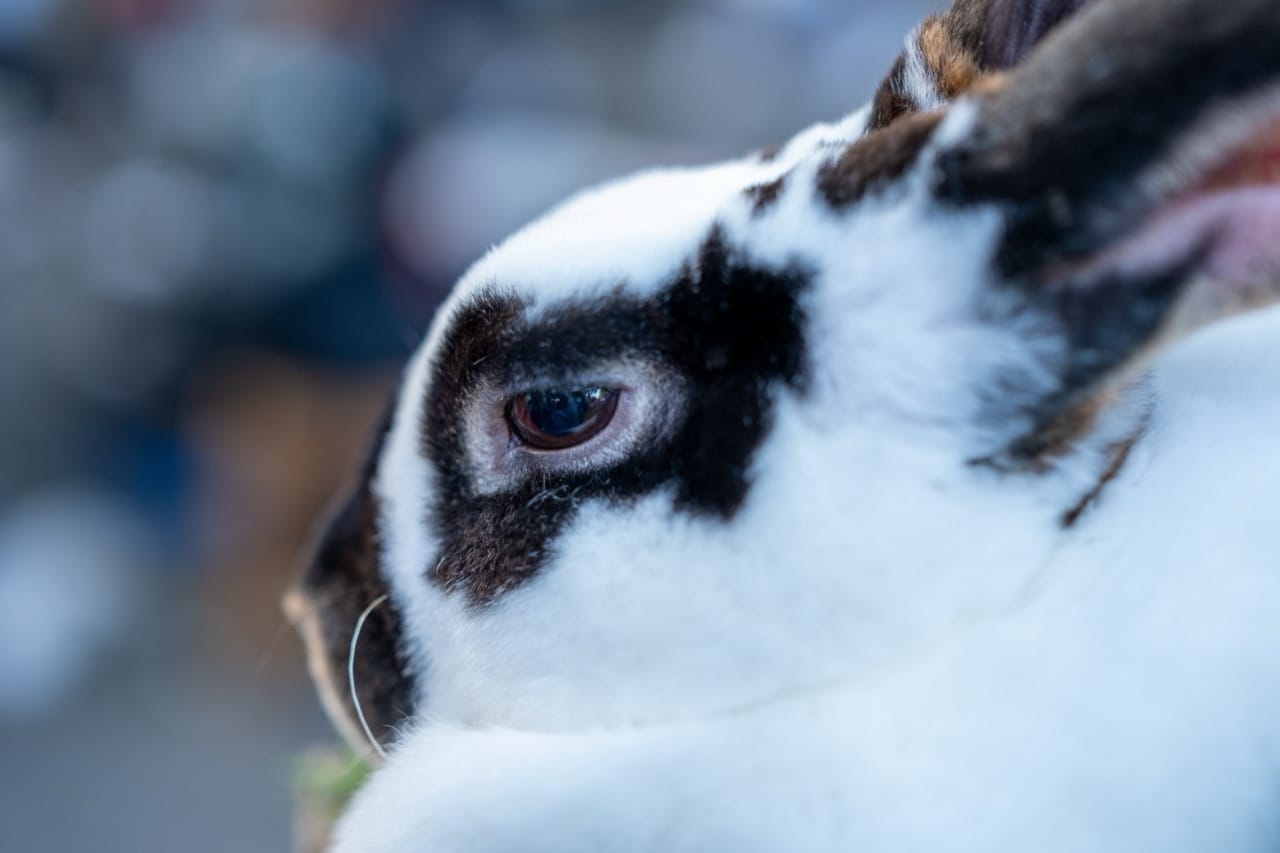
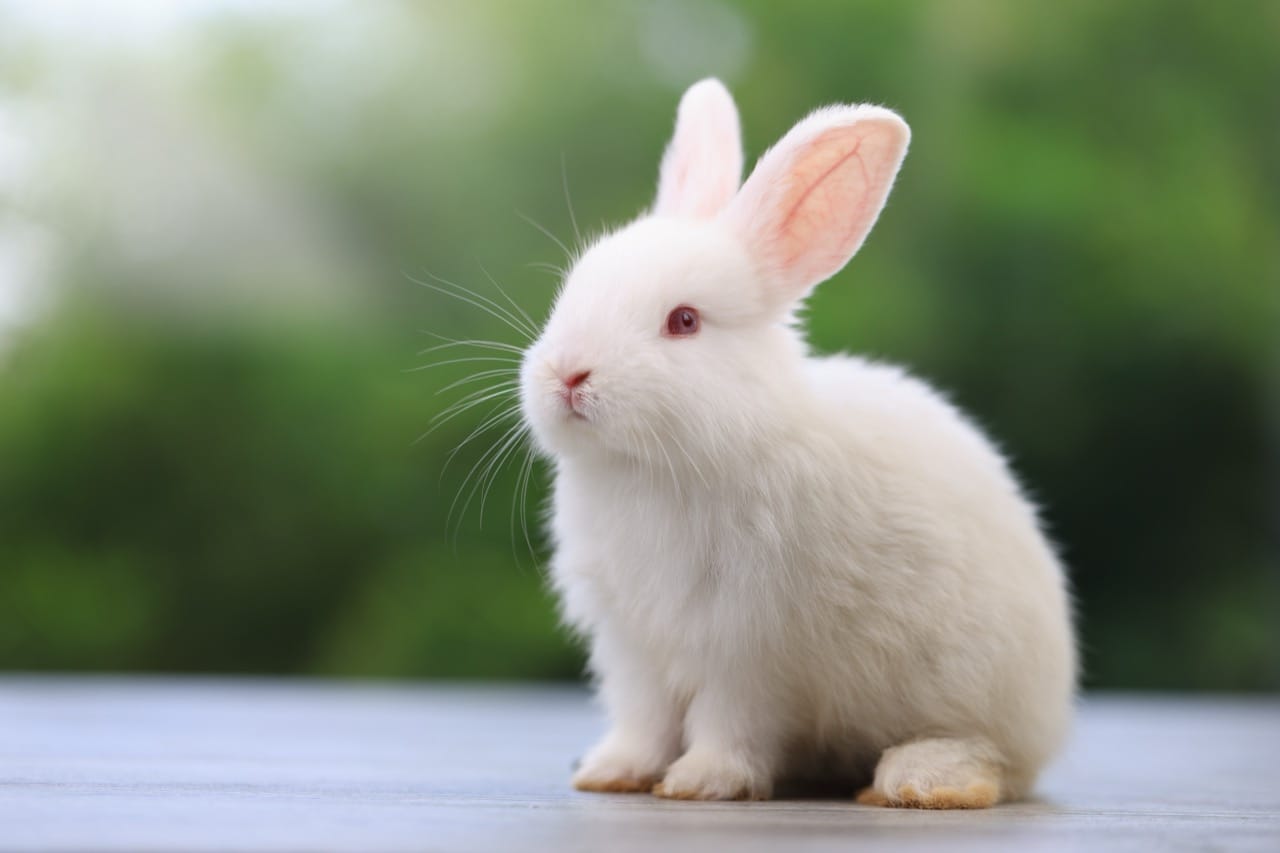
A rabbit’s body is built for quick escapes. Powerful hind legs launch sudden zigzags, while wide-set eyes give a broad view for spotting danger. Their ears are not just for hearing; they help regulate body temperature, especially in hot climates where blood vessels in the ears release heat. Desert species like jackrabbits, which are actually hares, take this to an extreme with very large ears. Hares and rabbits look similar, yet they differ in lifestyle and baby design. Hares tend to live above ground and their young are born furred, eyes open, and ready to move. Many rabbits raise their kits underground in burrows, and the newborns are smaller, blind, and more dependent.
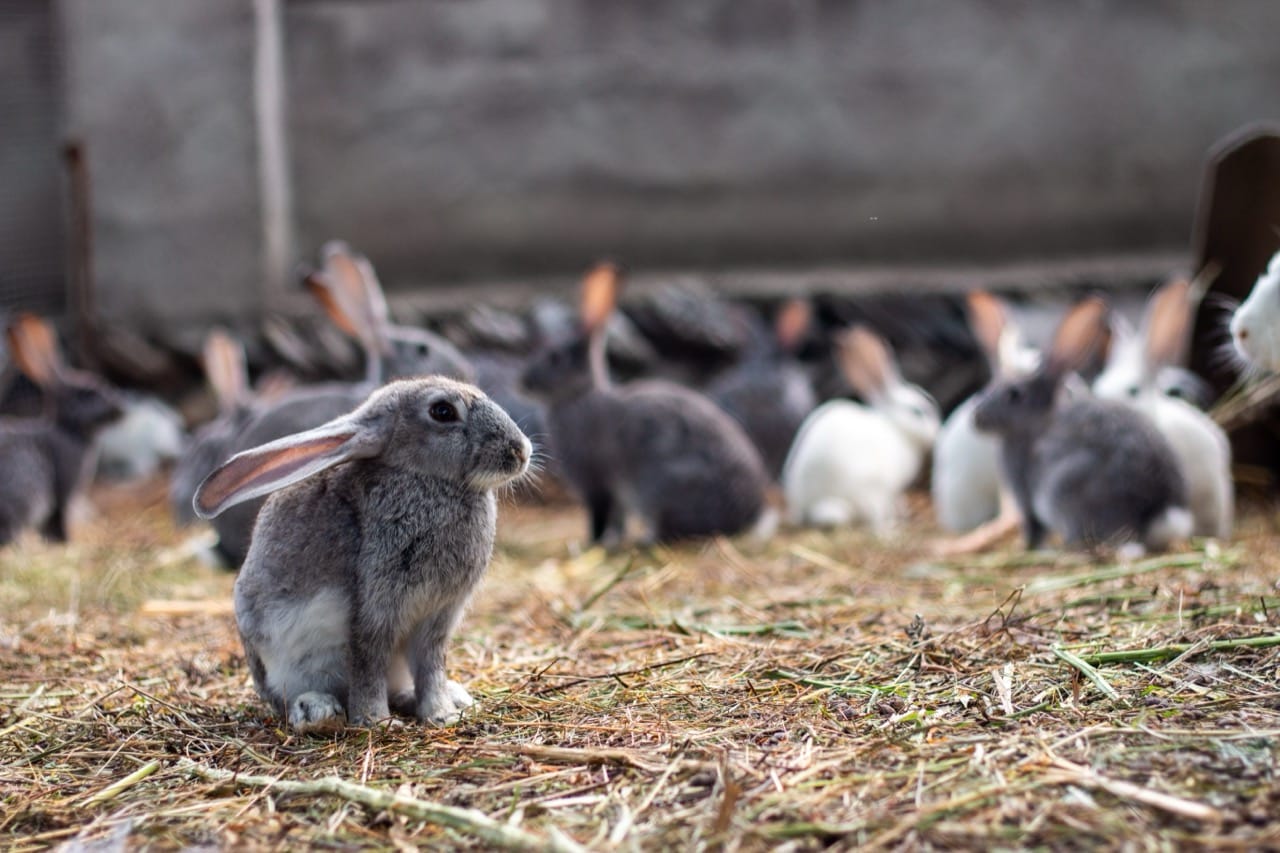
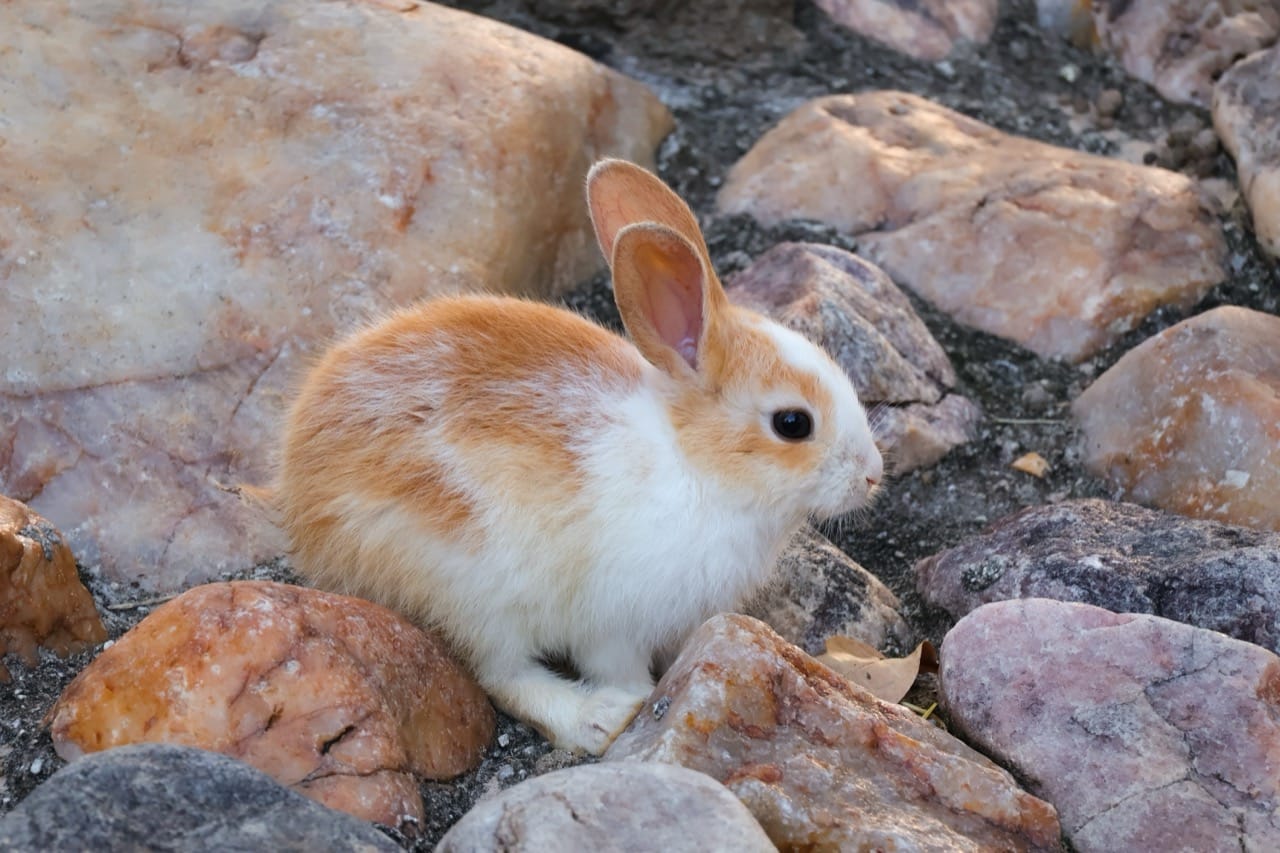
Burrows are more than hiding places. A complex warren can have multiple entrances, nesting chambers, and escape routes, and it can change the landscape over time. Digging aerates soil, mixes nutrients, and creates microhabitats that other animals use. Abandoned burrows may shelter reptiles, small mammals, and ground-nesting birds. In some ecosystems, rabbits act like living lawnmowers, keeping grasses short and influencing which plants dominate. That can help some species and harm others, depending on the balance. Where rabbits are native, predators and plants have often evolved alongside them. Where rabbits are introduced, their fast breeding can overwhelm habitats. The history of European rabbits in Australia is a famous example of how quickly a well-adapted grazer can reshape vegetation, erode soils, and compete with native wildlife.
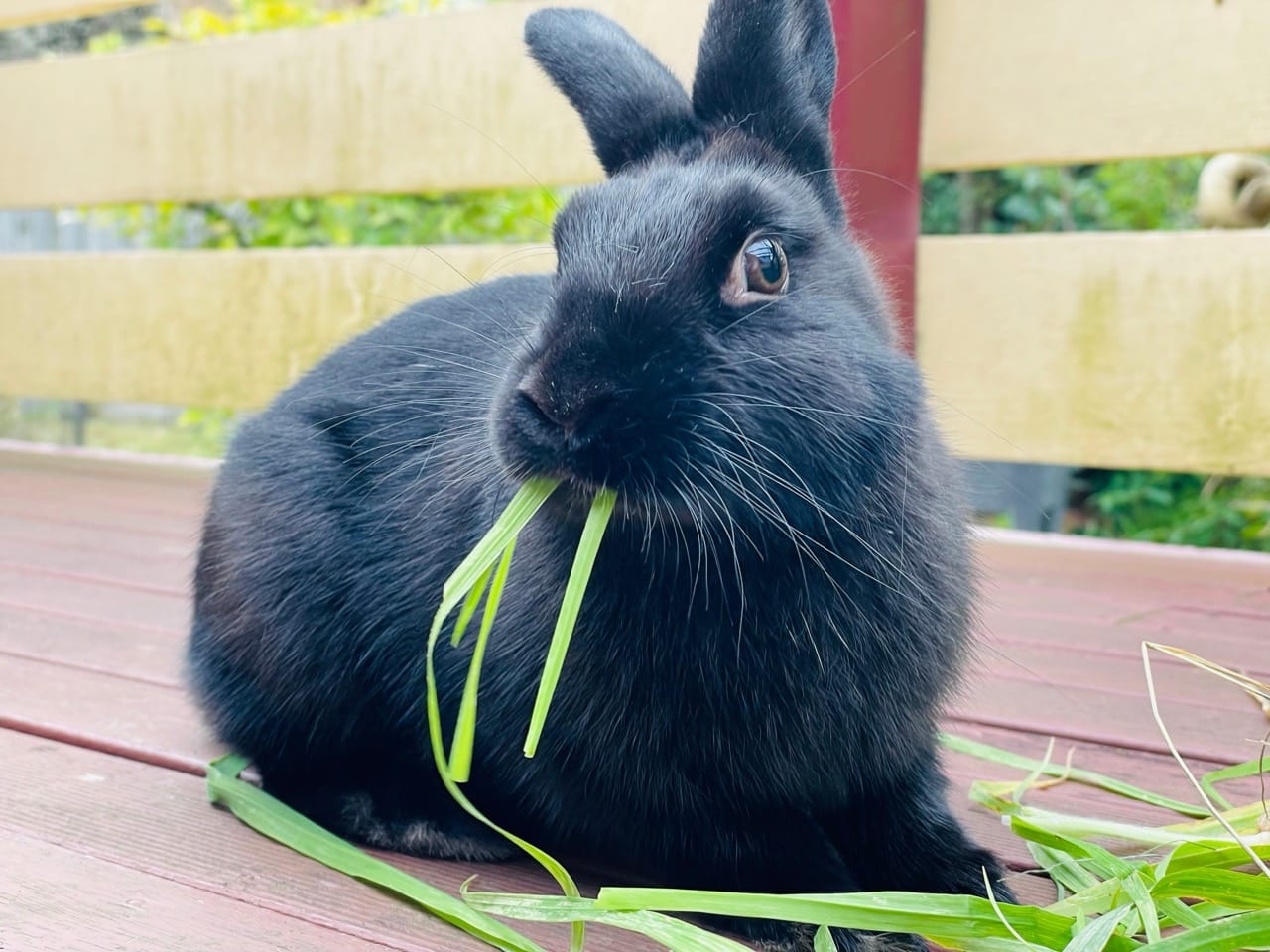
Rabbits sit near the center of many food webs, which is why so many animals rely on them. Foxes, coyotes, wolves, bobcats, lynx, raptors, and snakes all take rabbits when they can. This pressure helps explain rabbit behavior: freeze, listen, and then explode into motion. Their survival also depends on digestion. Rabbits practice coprophagy, re-eating special soft droppings called cecotropes. It sounds odd, but it is an efficient way to extract vitamins and nutrients from fibrous plants using gut microbes.
Because rabbits live close to the ground and often in dense groups, they also share space with parasites and disease. Fleas and ticks can spread pathogens, and rabbits are associated with illnesses such as tularemia in some regions. In the twentieth century, myxomatosis and rabbit hemorrhagic disease became major forces in rabbit population control, raising complex questions about ecology, animal welfare, and the unintended consequences of biological interventions.
In human culture, rabbits multiply in meaning as easily as they do in meadows. They symbolize fertility and springtime in many traditions, which helps explain their link to seasonal holidays and gift-giving folklore. They also represent speed and cleverness, sometimes as tricksters, sometimes as anxious messengers, and sometimes as comic heroes. One of the most enduring rabbit connections is the fable in which a rabbit races a turtle and learns that confidence without focus can lose to patience. Language carries rabbit traces too: being rabbiting on, pulling a rabbit out of a hat, or disappearing down a rabbit hole all reflect how these animals burrow into our imagination.
Seen up close, rabbits are both real and symbolic: engineers of underground architecture, key prey that supports predators, and cultural icons that keep resurfacing in stories. Paying attention to them is a quick way to understand how biology, ecosystems, and human creativity are braided together.