Feathers in Folklore Parrots in Human Culture

Quiz Complete!
Feathers in Folklore: How Parrots Became Cultural Icons
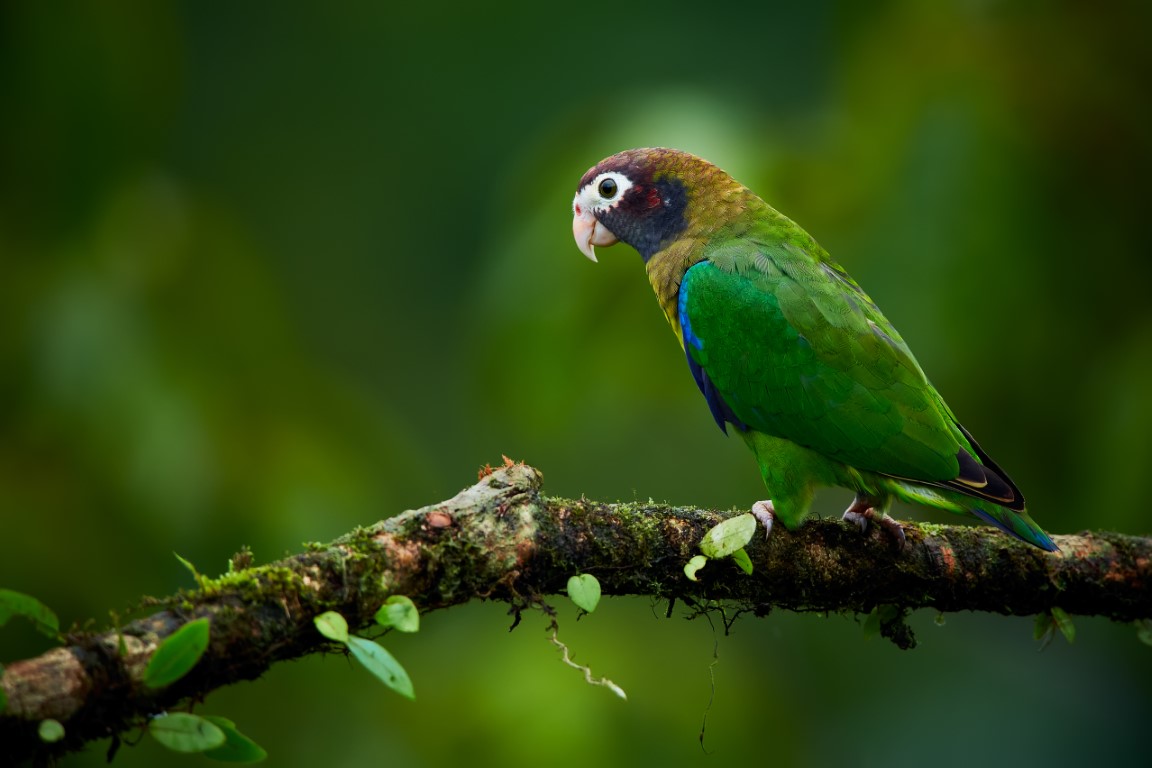
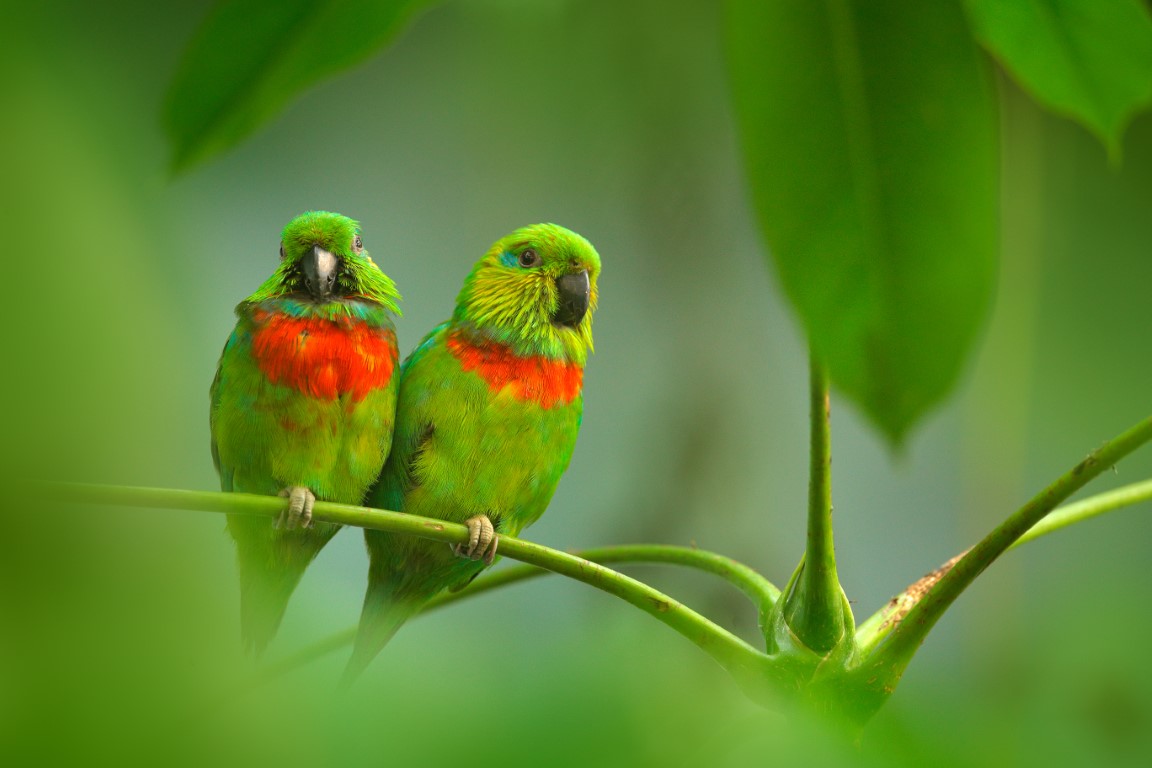
Parrots have long been admired for the same qualities that make them so recognizable today: vivid color, intelligence, social behavior, and an uncanny ability to imitate sounds. But their role in human culture goes far beyond being charming pets. In many societies, parrots and their feathers became signs of status, spiritual power, romance, and faraway luxury, while their talent for mimicry inspired both humor and moral lessons.
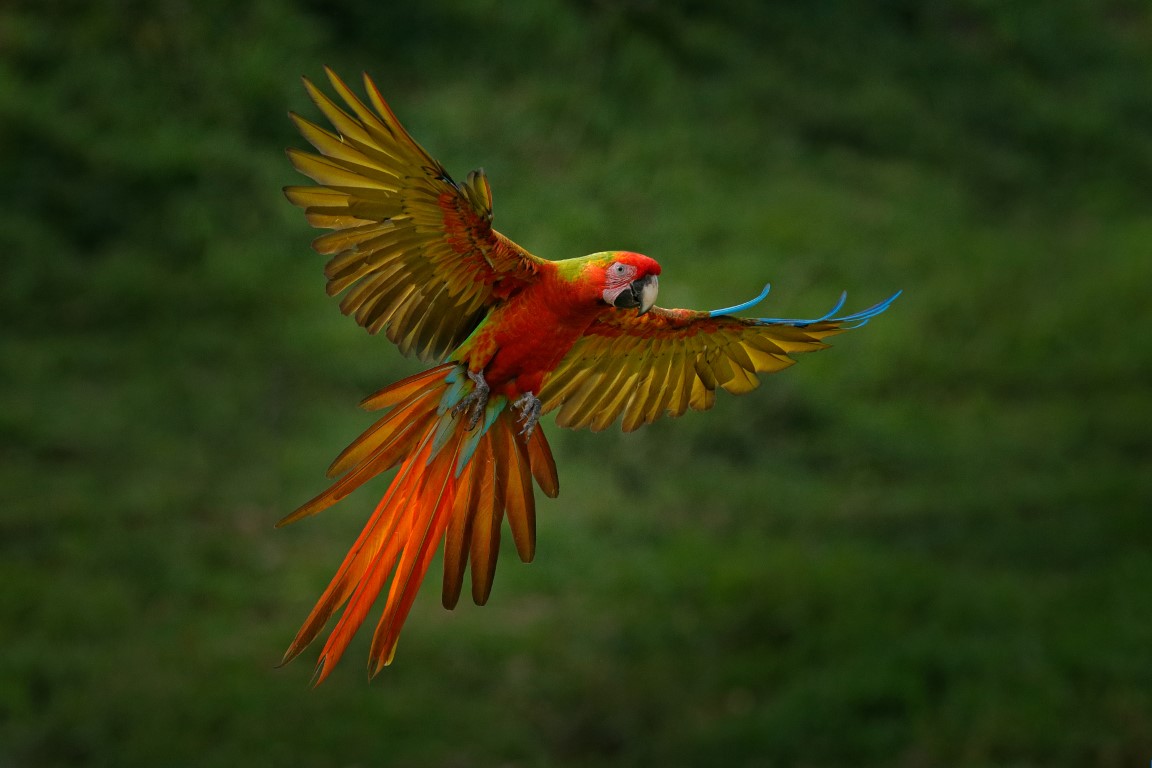
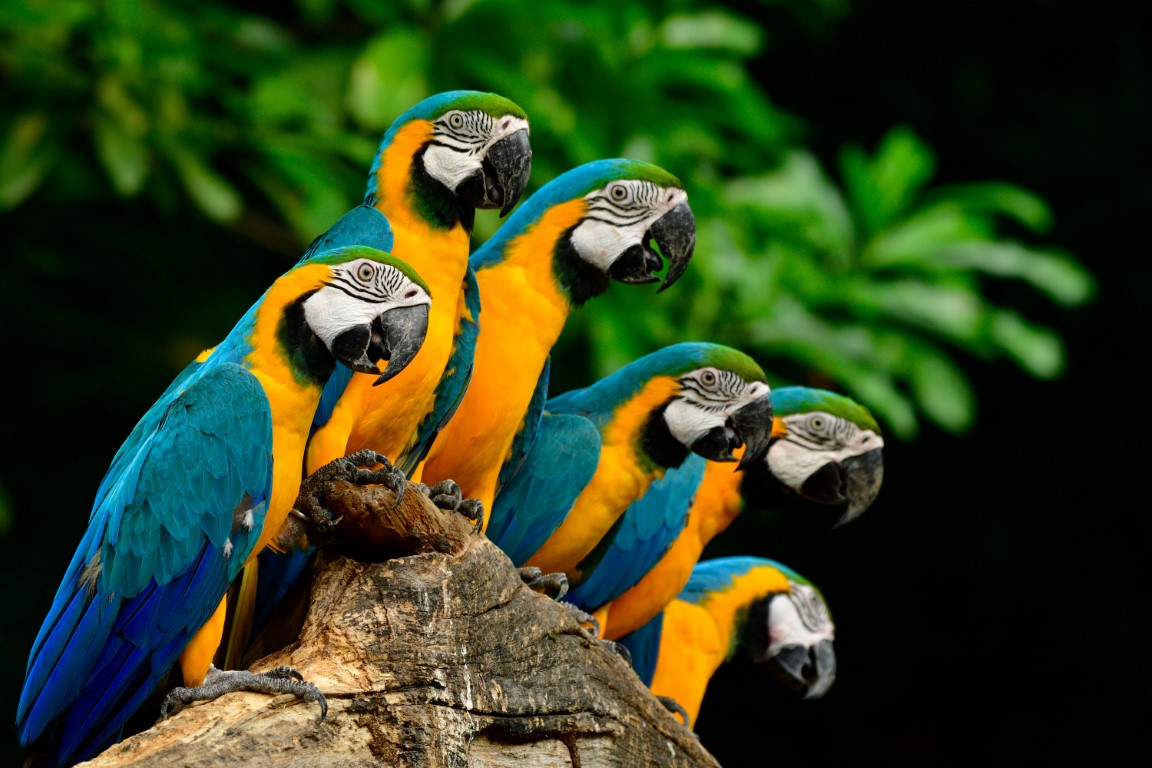
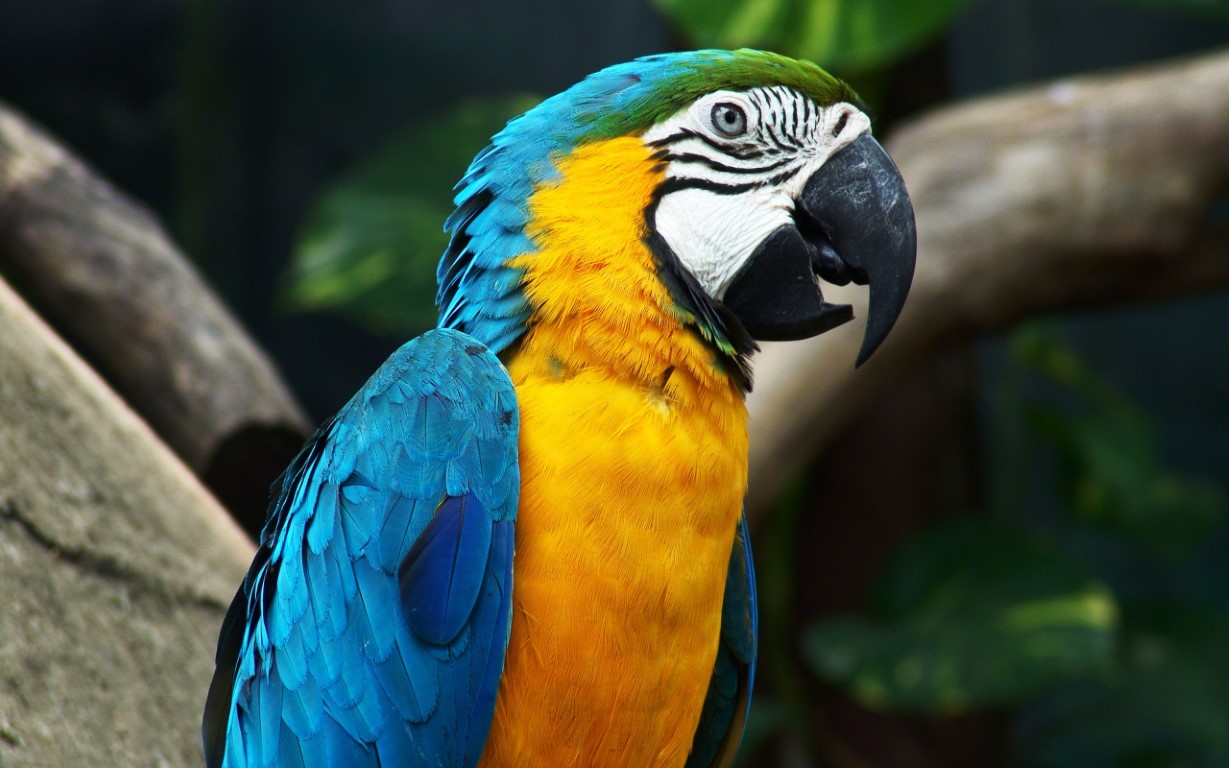
In the Indigenous cultures of the Amazon and surrounding regions, feathers were not mere decoration. They were materials with meaning, tied to identity, community roles, and relationships with the natural world. Bright macaw feathers in particular could signify prestige and were used in headdresses, capes, and ceremonial objects. Some traditions involved carefully maintaining living birds or managing feathers through trade networks rather than simply hunting, reflecting deep knowledge of ecology and a desire for continuity. Color mattered: reds, blues, and yellows could signal different affiliations or spiritual associations, and featherwork often carried stories that were understood by those within the culture.
Across oceans, parrots entered courts and cities as ambassadors of distance. In parts of Europe, especially from the late medieval period onward, exotic birds were prized among elites as symbols of wealth and global reach. A parrot in a painting or household was not only a curiosity but evidence of trade connections and the ability to maintain a delicate creature far from its native climate. Artists sometimes included parrots to suggest luxury, but also to play with ideas of voice and imitation. A bird that repeats words without understanding could be used as a witty symbol of gossip, empty flattery, or the dangers of parroting fashionable opinions.
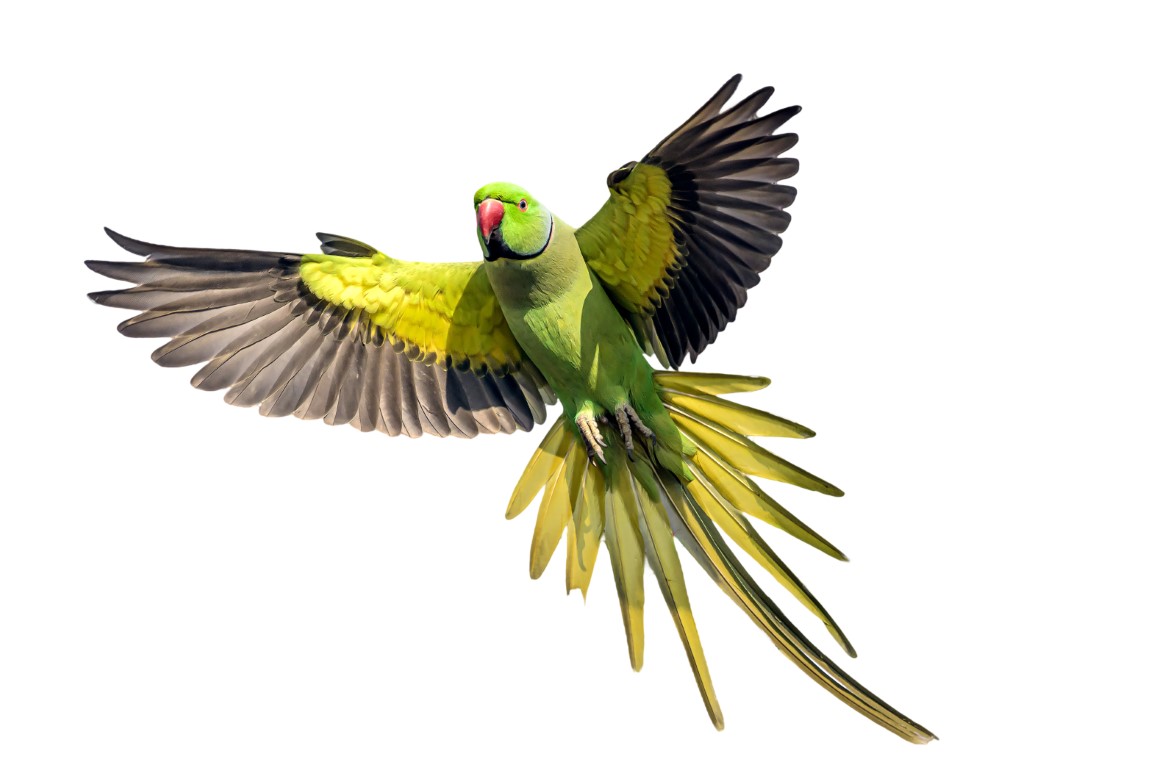
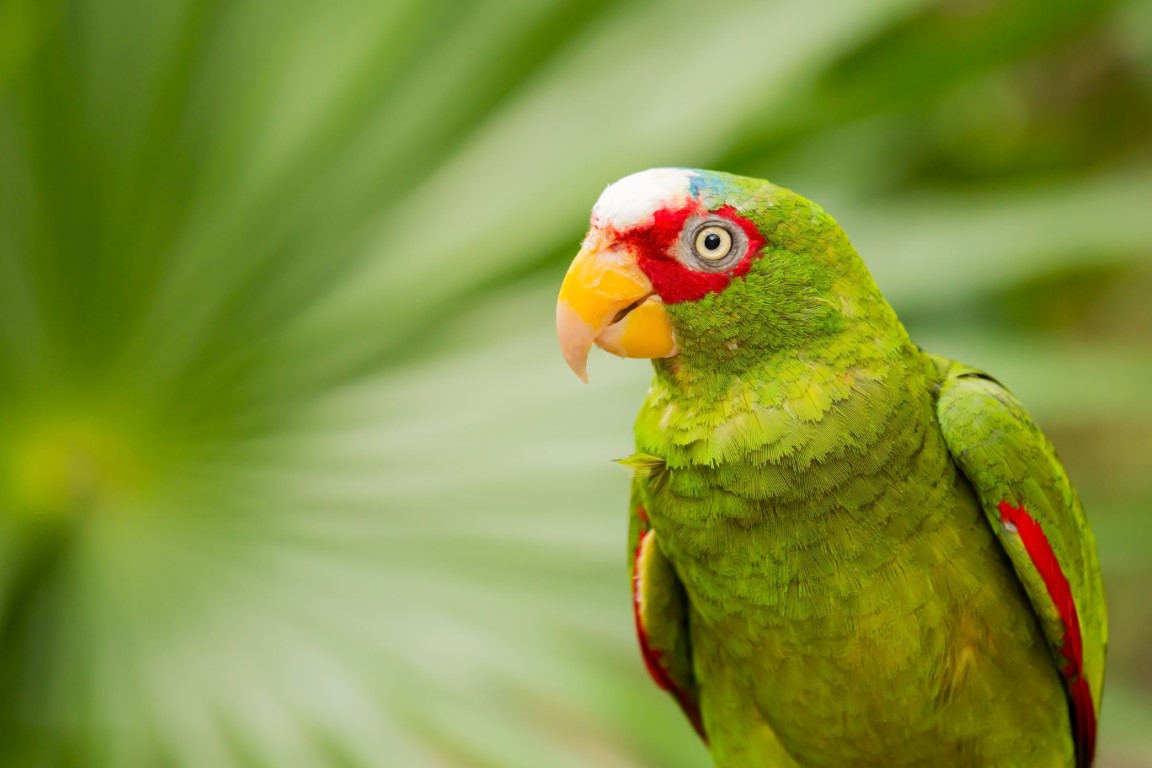
In South Asia, parrots appear frequently in poetry and storytelling, often linked to love, longing, and clever speech. The parrot can be a messenger between separated lovers, a companion who overhears secrets, or a figure that highlights the power of language itself. Because parrots learn by listening, they naturally fit tales where words carry emotional weight. Their green plumage and lively presence also made them attractive symbols in art, where they might perch near a beloved figure or appear in scenes of courtship.
The popular image of pirates with parrots is part history, part exaggeration. Seafarers and traders did bring parrots back from tropical regions, and sailors were well placed to acquire unusual animals. A talking bird could be resold for profit or kept as an entertaining shipboard companion. But the classic pirate parrot owes much to later fiction and theater, which condensed the messy reality of maritime trade into a memorable costume piece. The myth persists because it captures something true: parrots became shorthand for adventure, the tropics, and the strange wonders brought home from distant voyages.
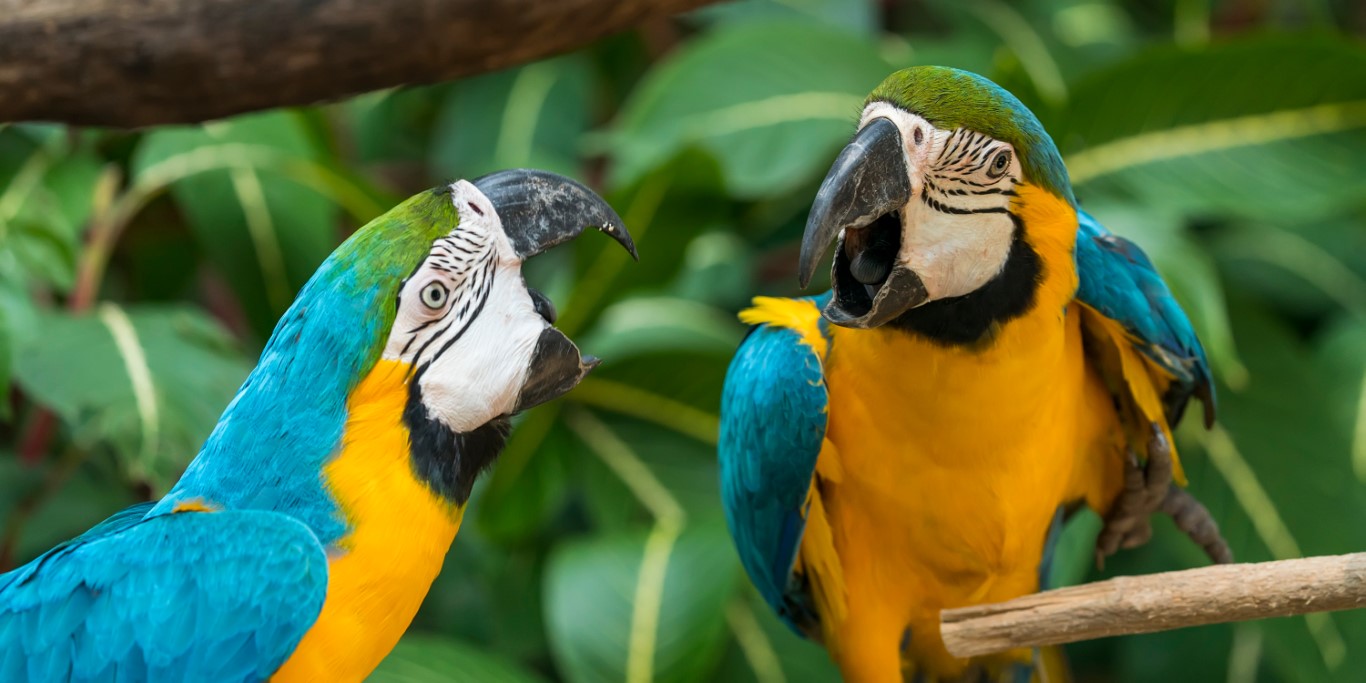
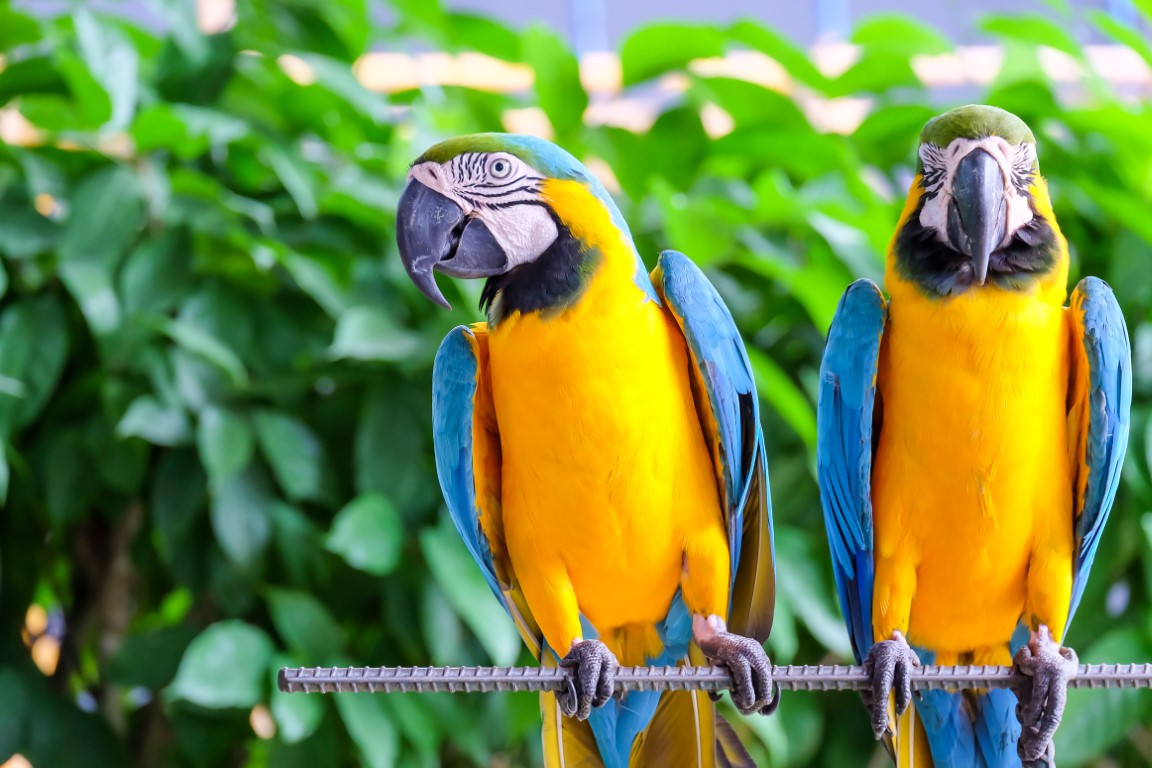
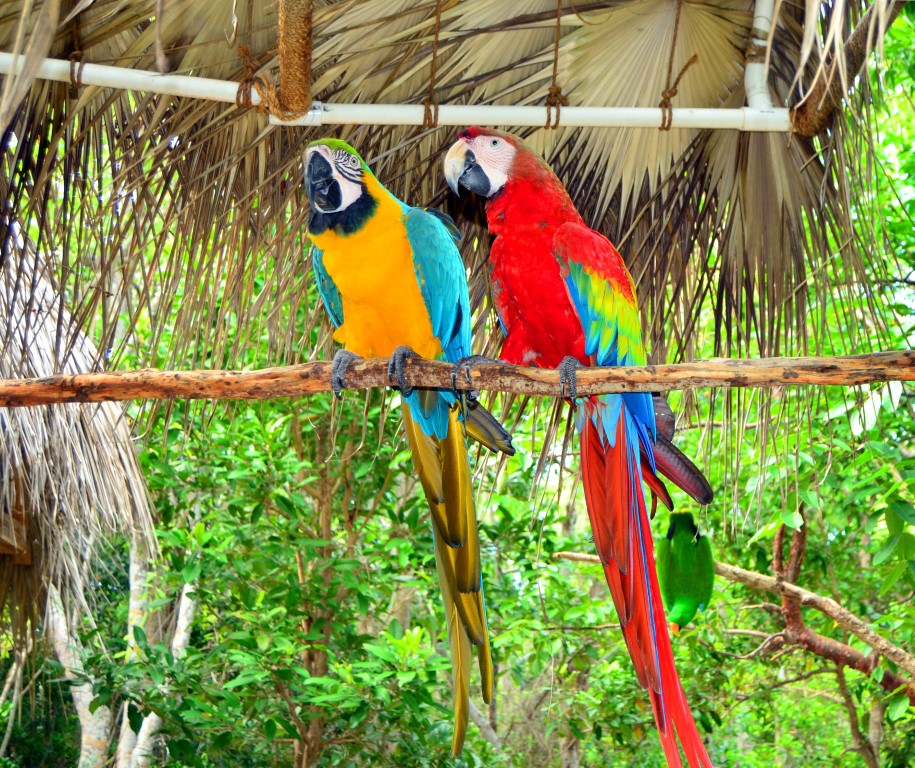
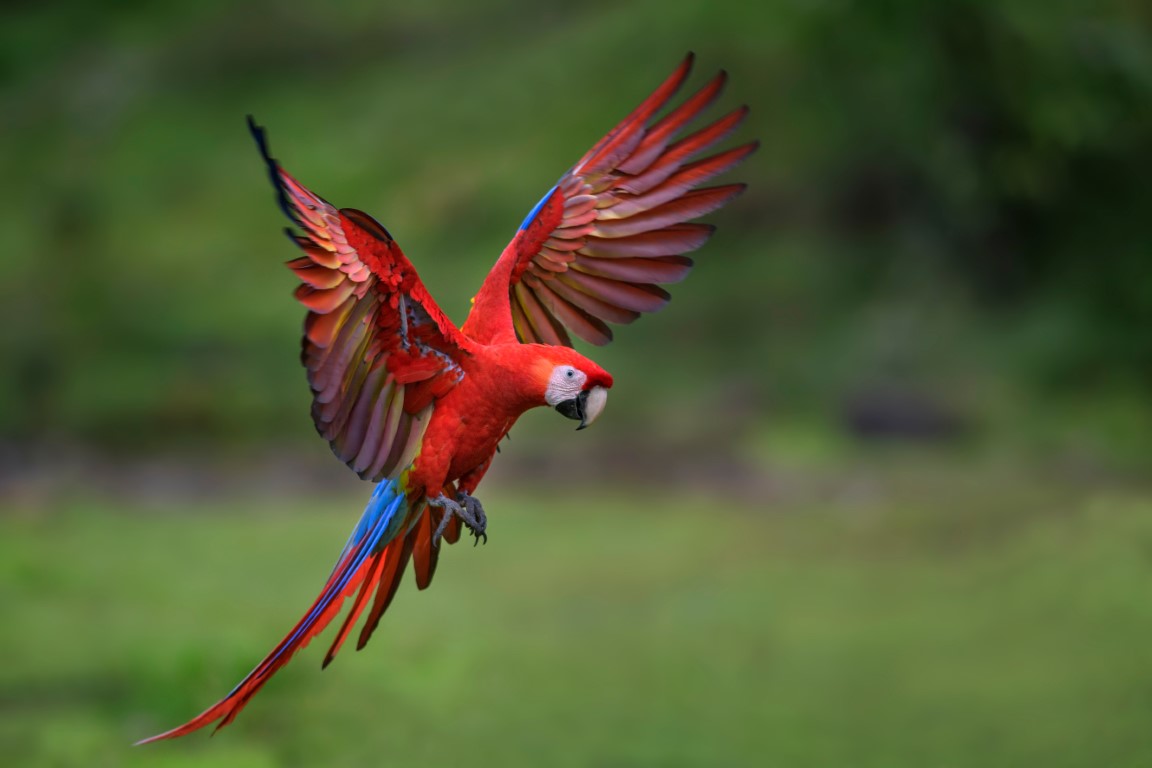
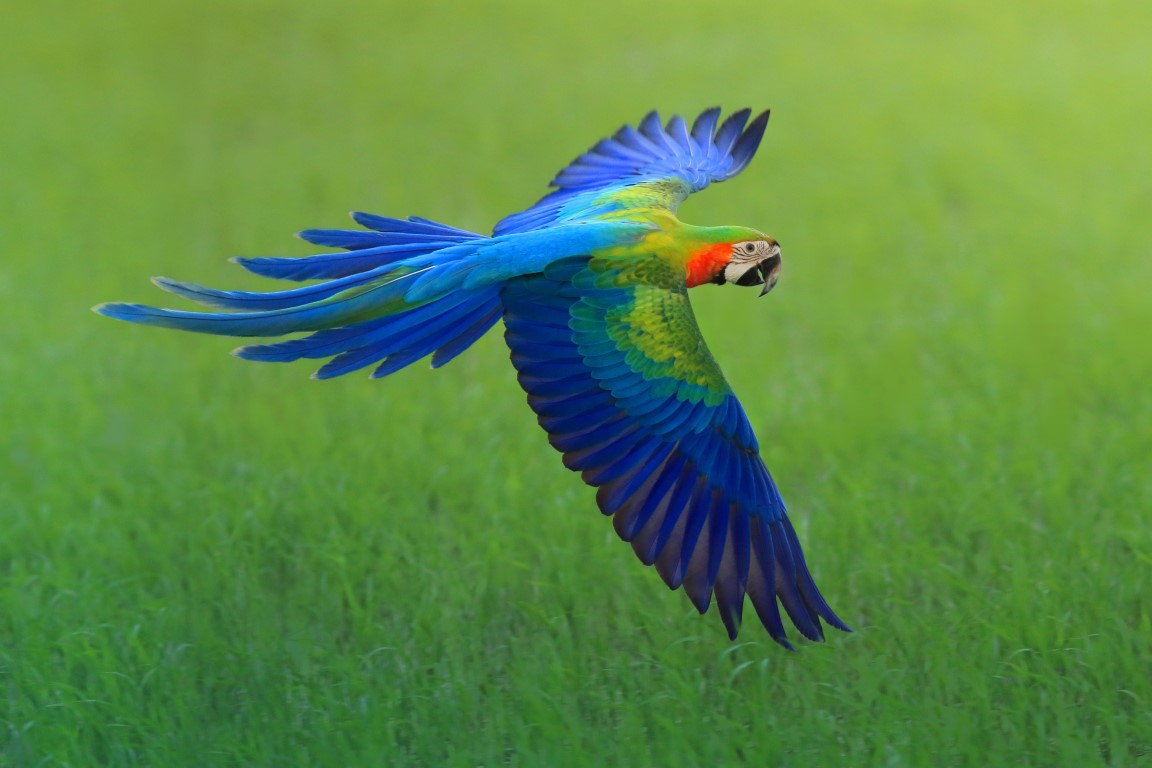
Certain species became cultural celebrities. Macaws, with their large size and bold colors, were especially suited to ceremonial featherwork and to the European imagination of the exotic. African grey parrots gained fame for their vocal abilities and problem solving, reinforcing the idea of parrots as almost humanlike conversationalists. Cockatoos, popular in parts of Southeast Asia and later in Europe, carried an air of theatrical charm with their expressive crests.
Today, parrots occupy a new place in human culture: they are symbols of conservation and ethical responsibility. Habitat loss and illegal wildlife trade threaten many species, and public awareness campaigns often feature parrots because they are charismatic and familiar. The same traits that once made them prized gifts and fashionable pets now help draw attention to the need for protected forests, regulated trade, and respectful relationships with wildlife. In that sense, parrots remain sharp-eyed observers of human behavior, reflecting our values back to us, sometimes in our own words.