Smiling Marsupial, Serious Science Quokka Quiz
Quiz Complete!
Smiling Marsupial, Serious Science: Quokkas and the Tools That Protect Them
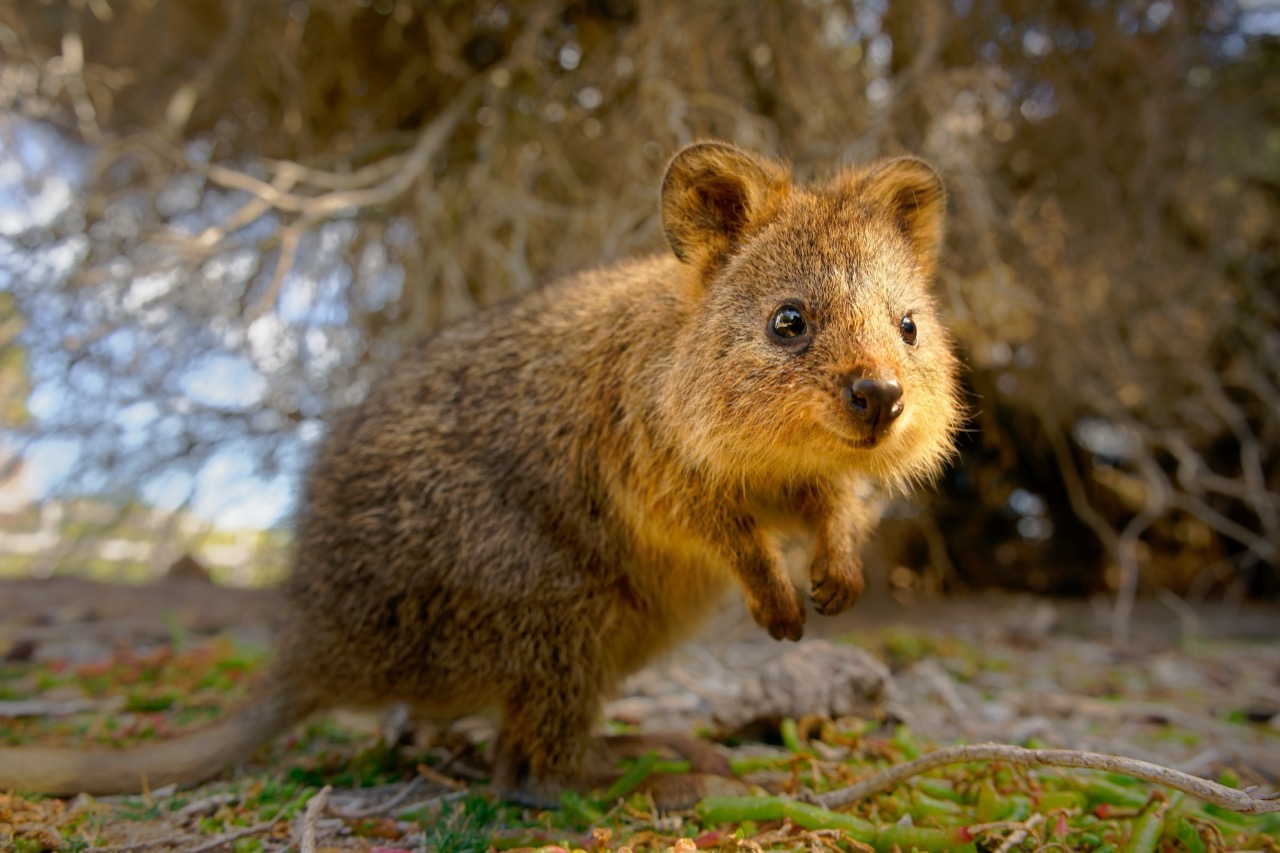
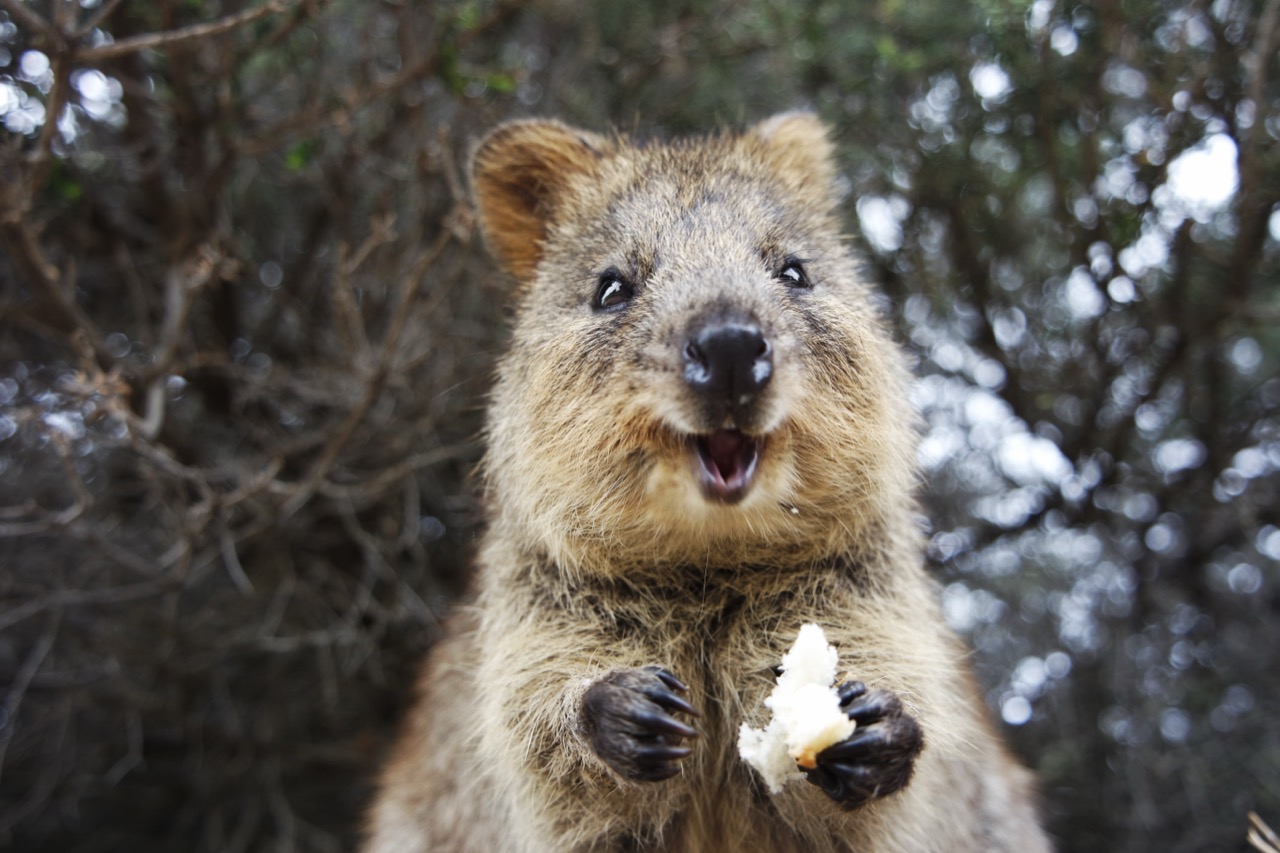
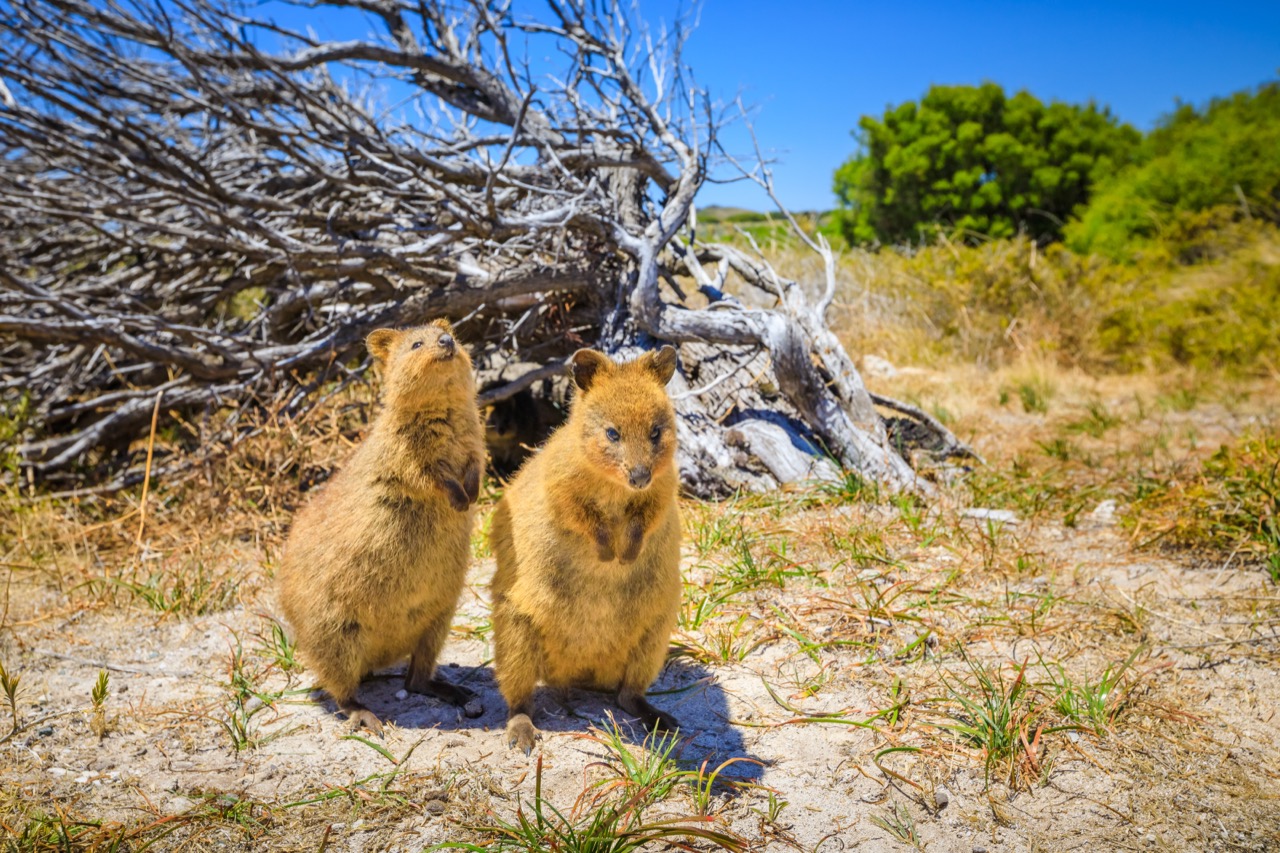
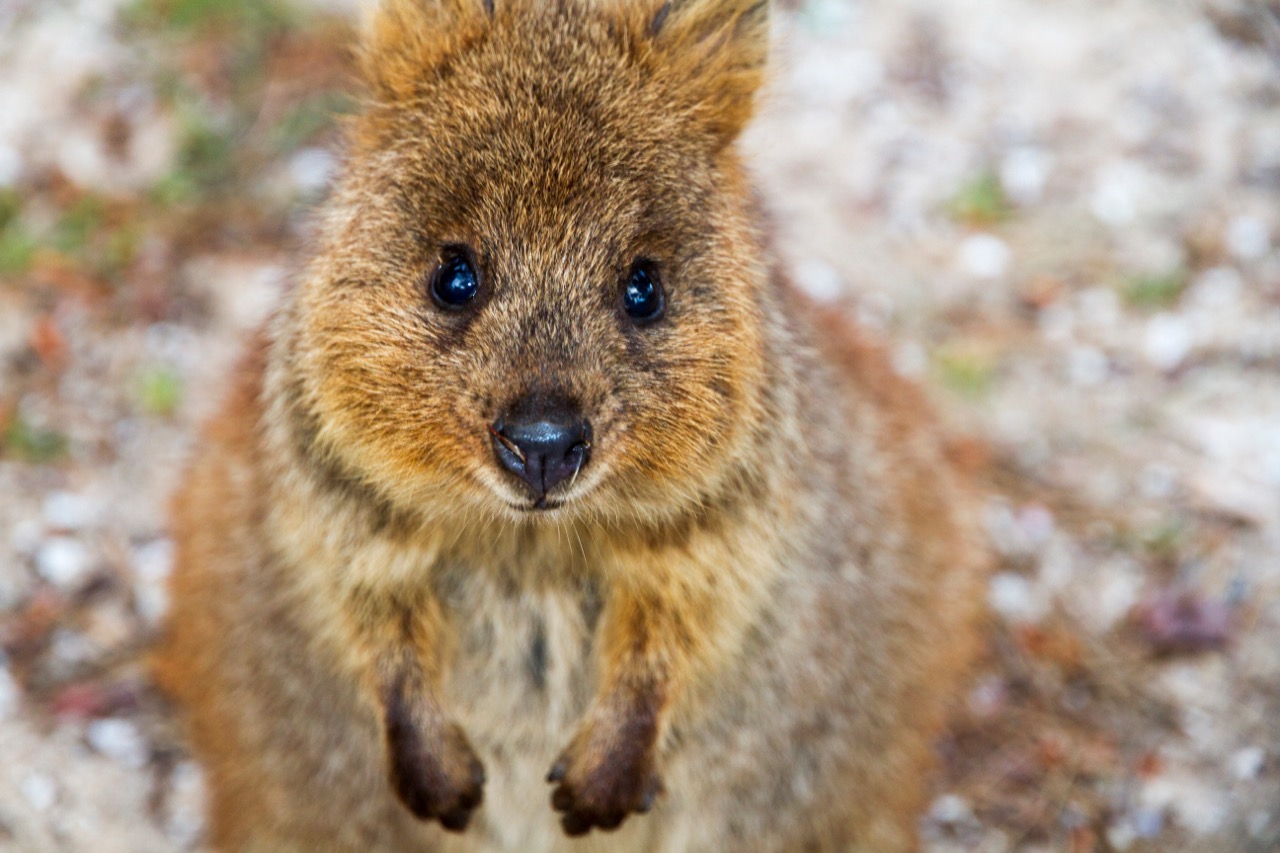
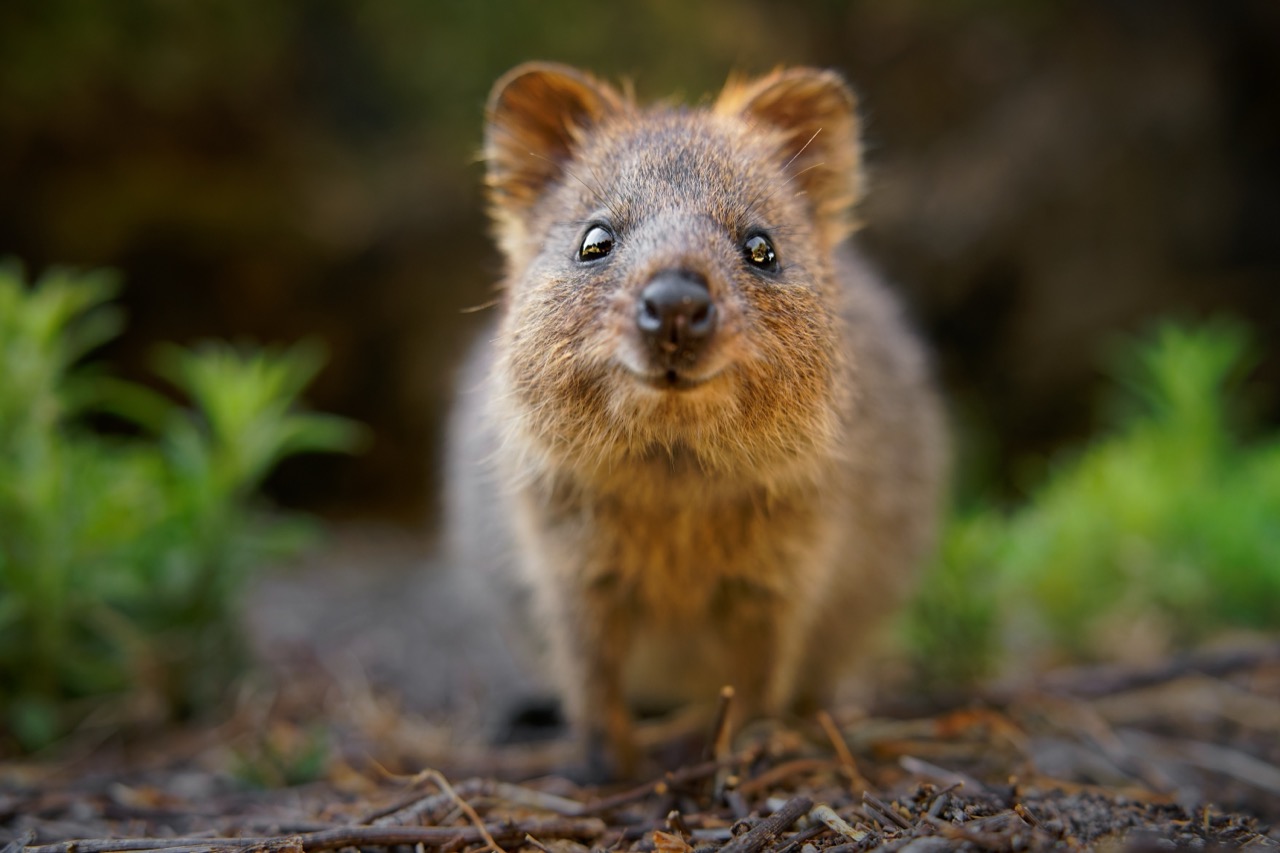
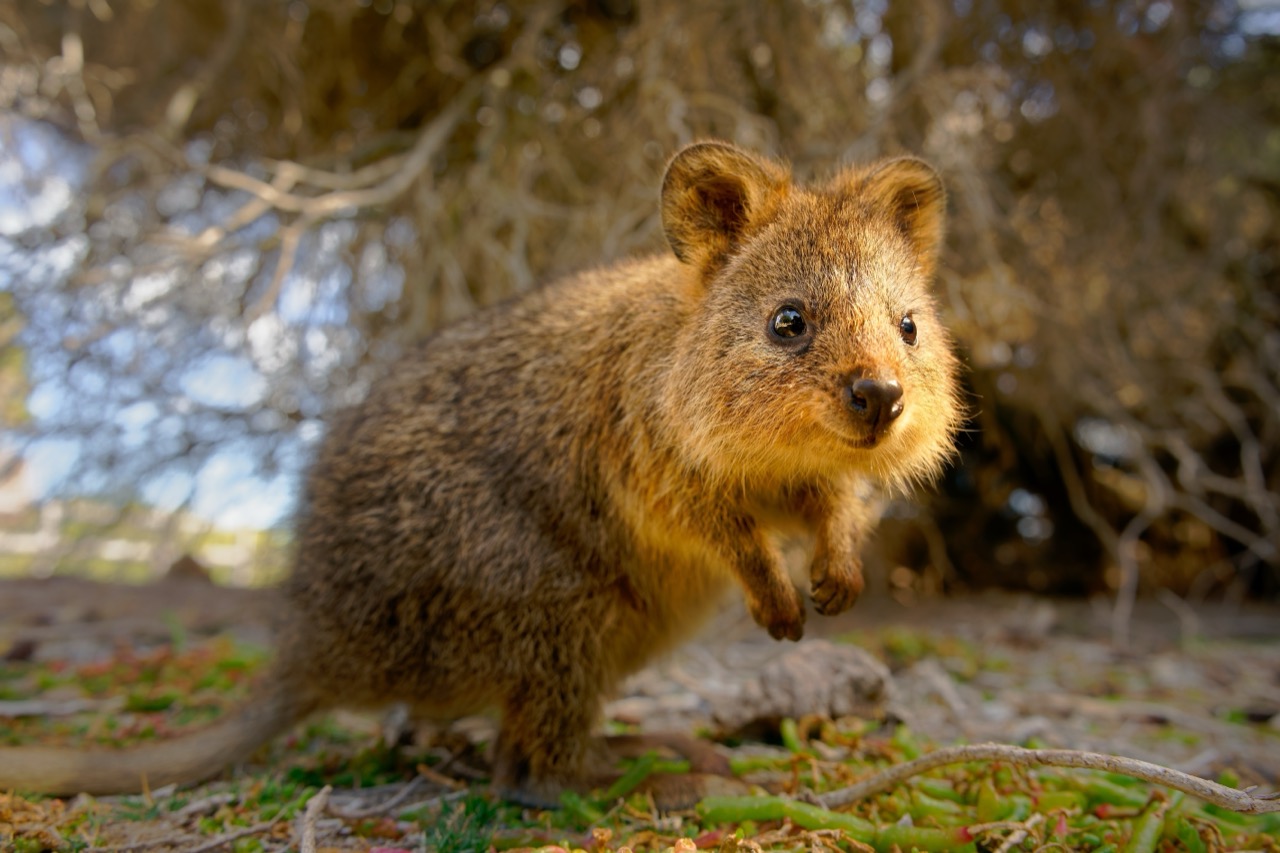
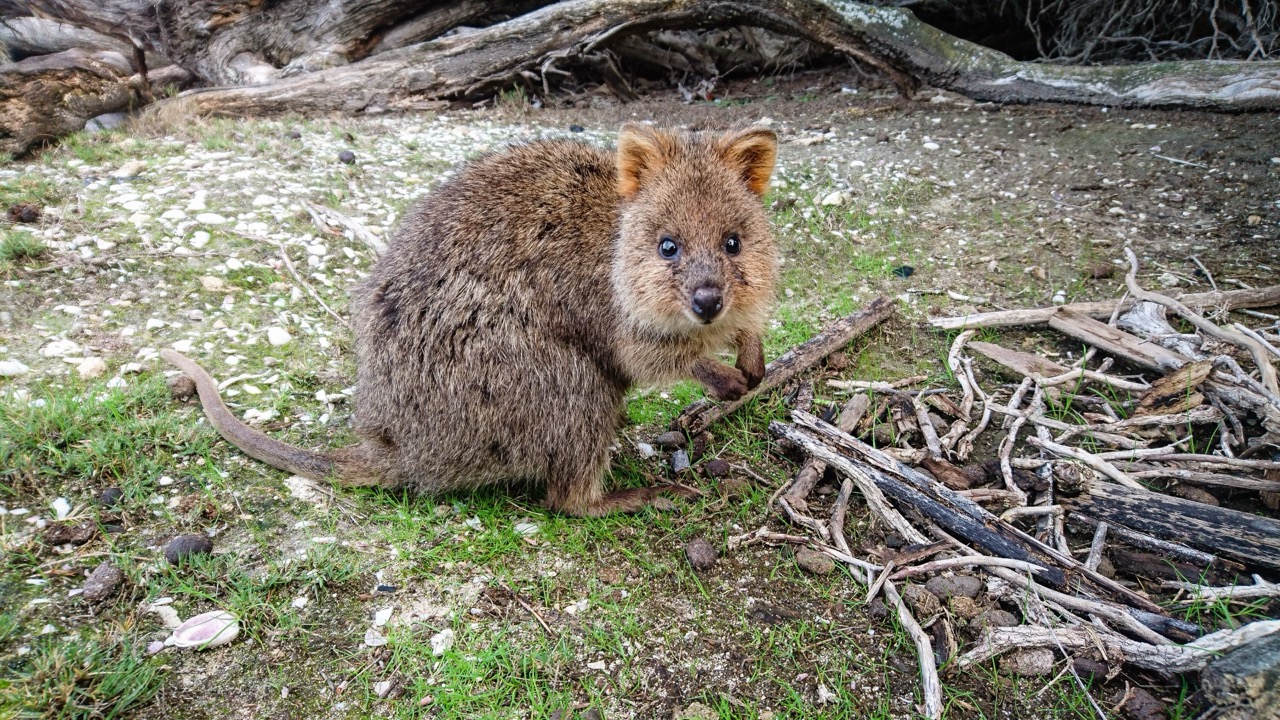
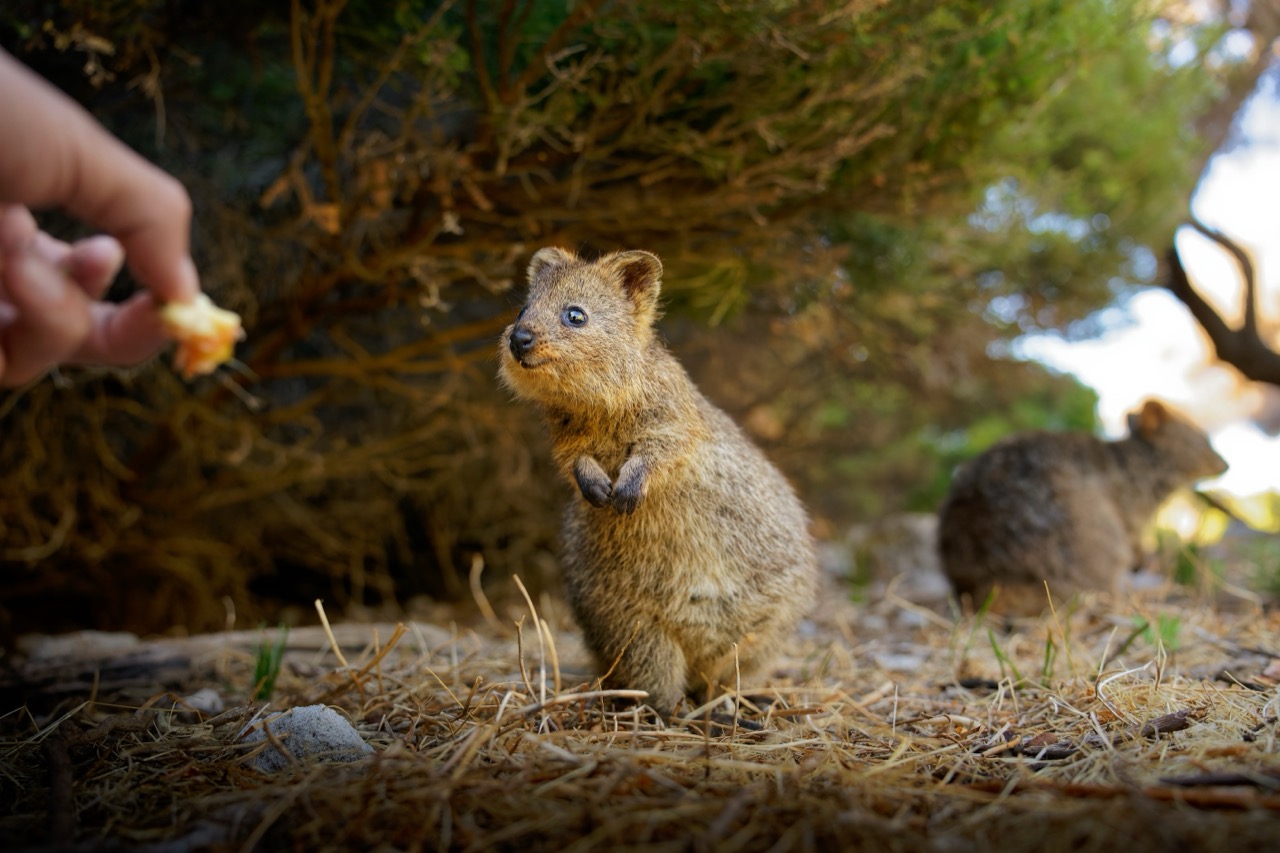
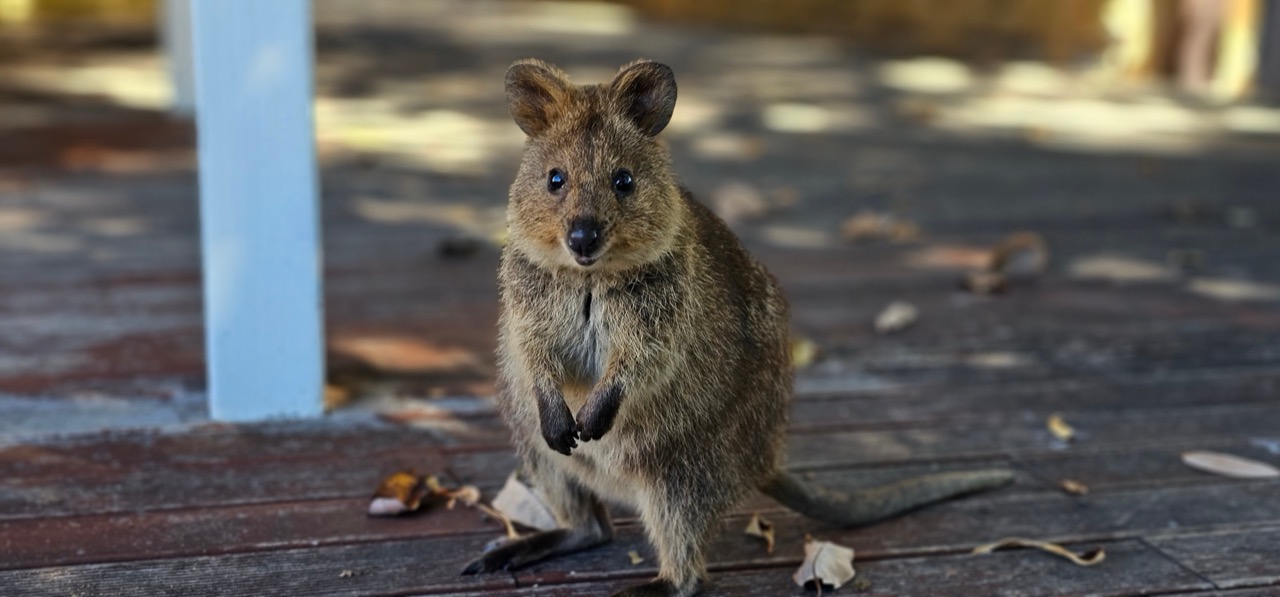
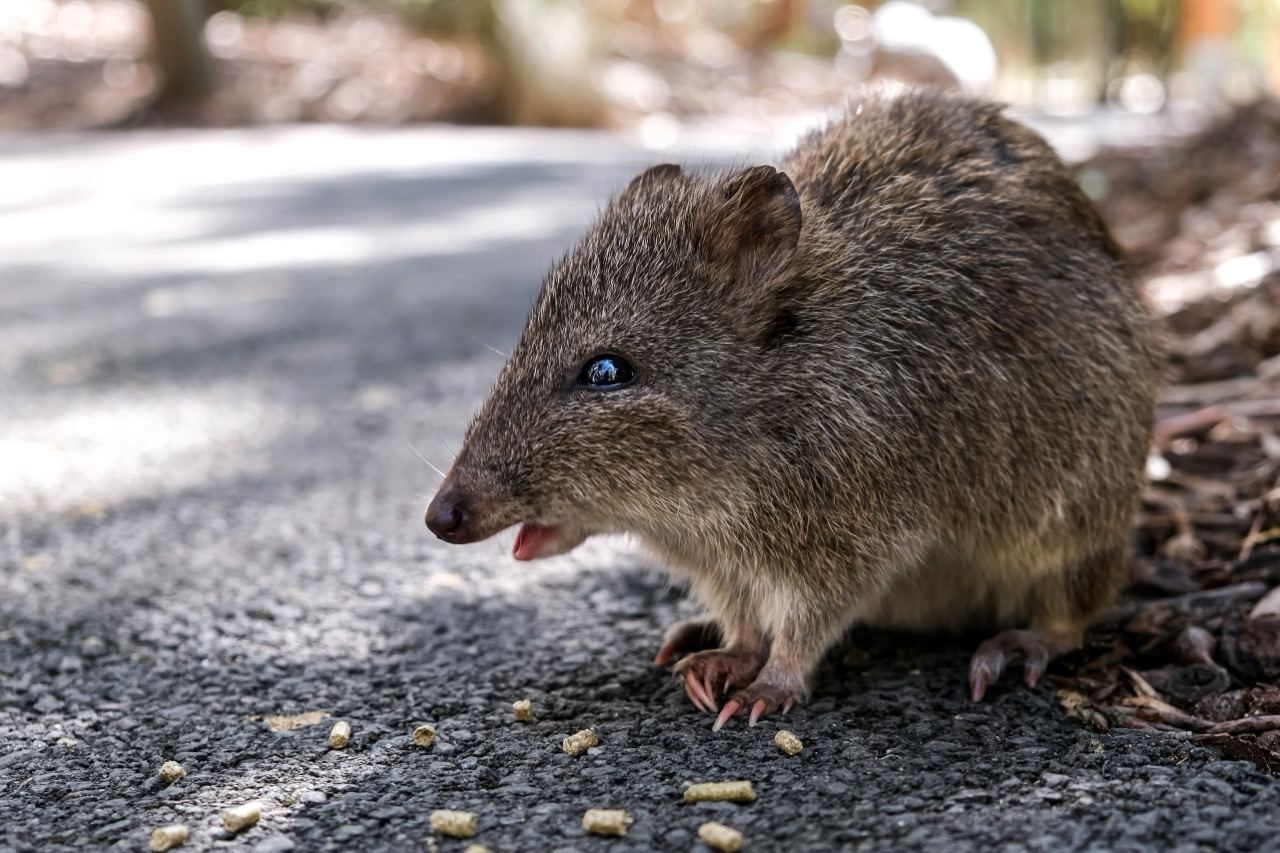
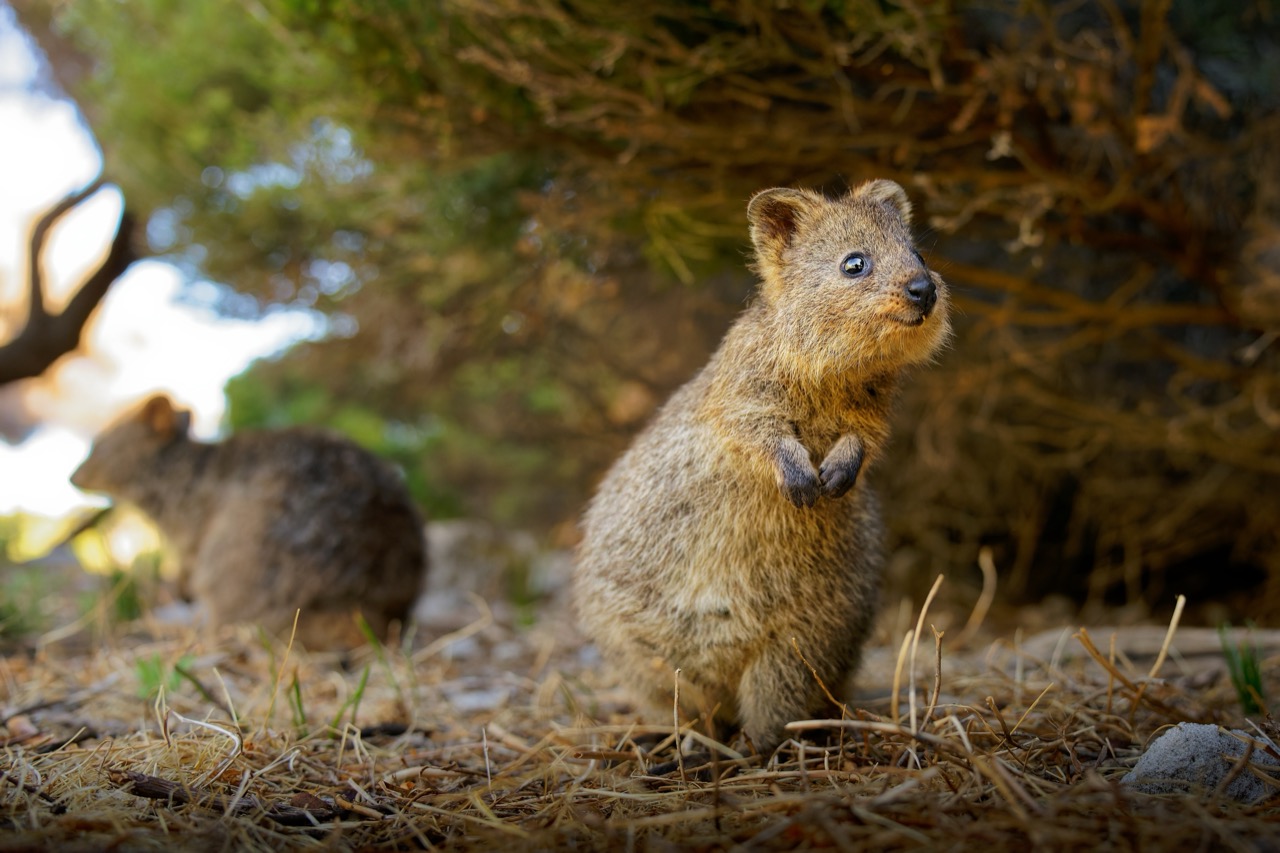
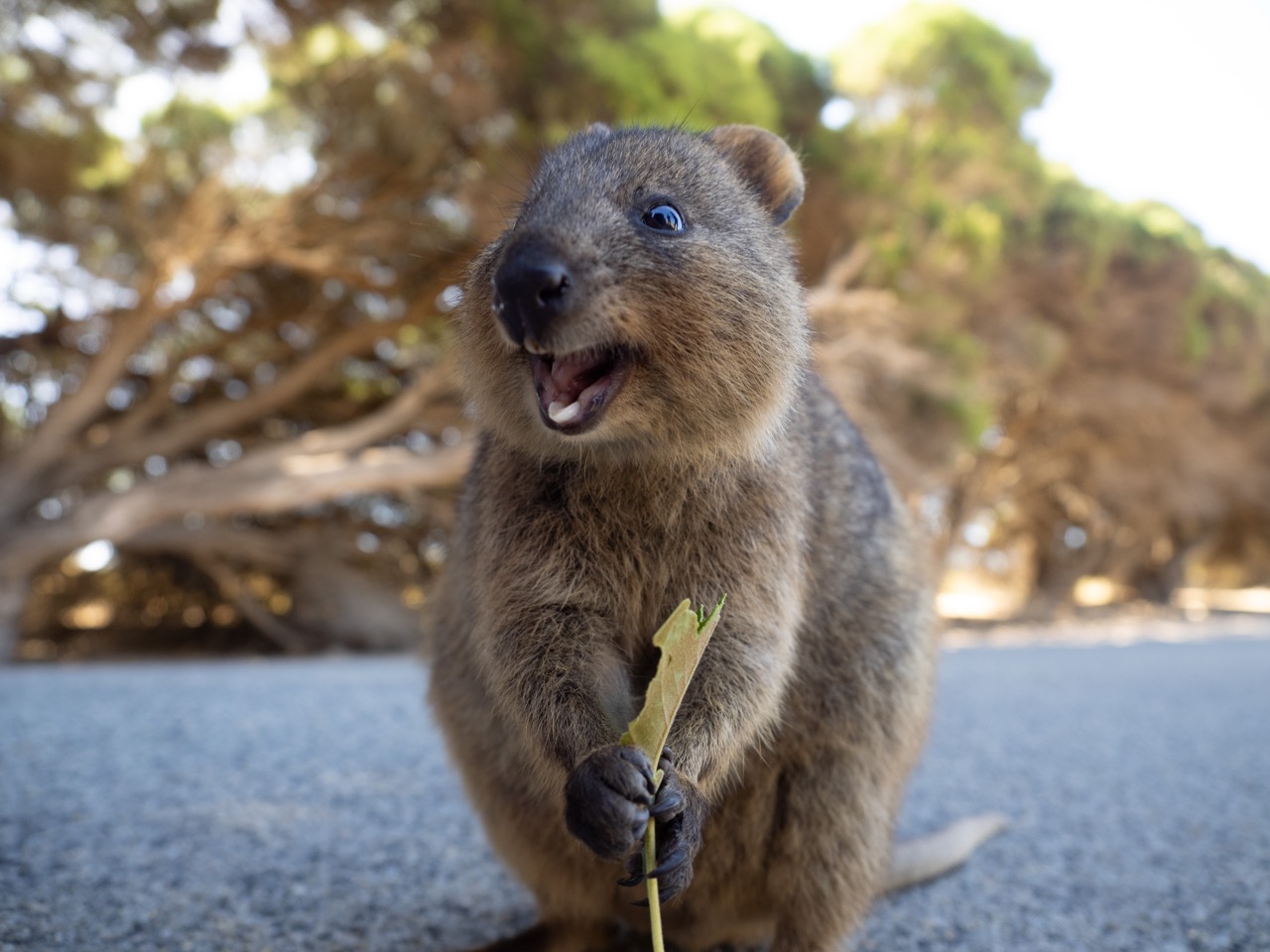
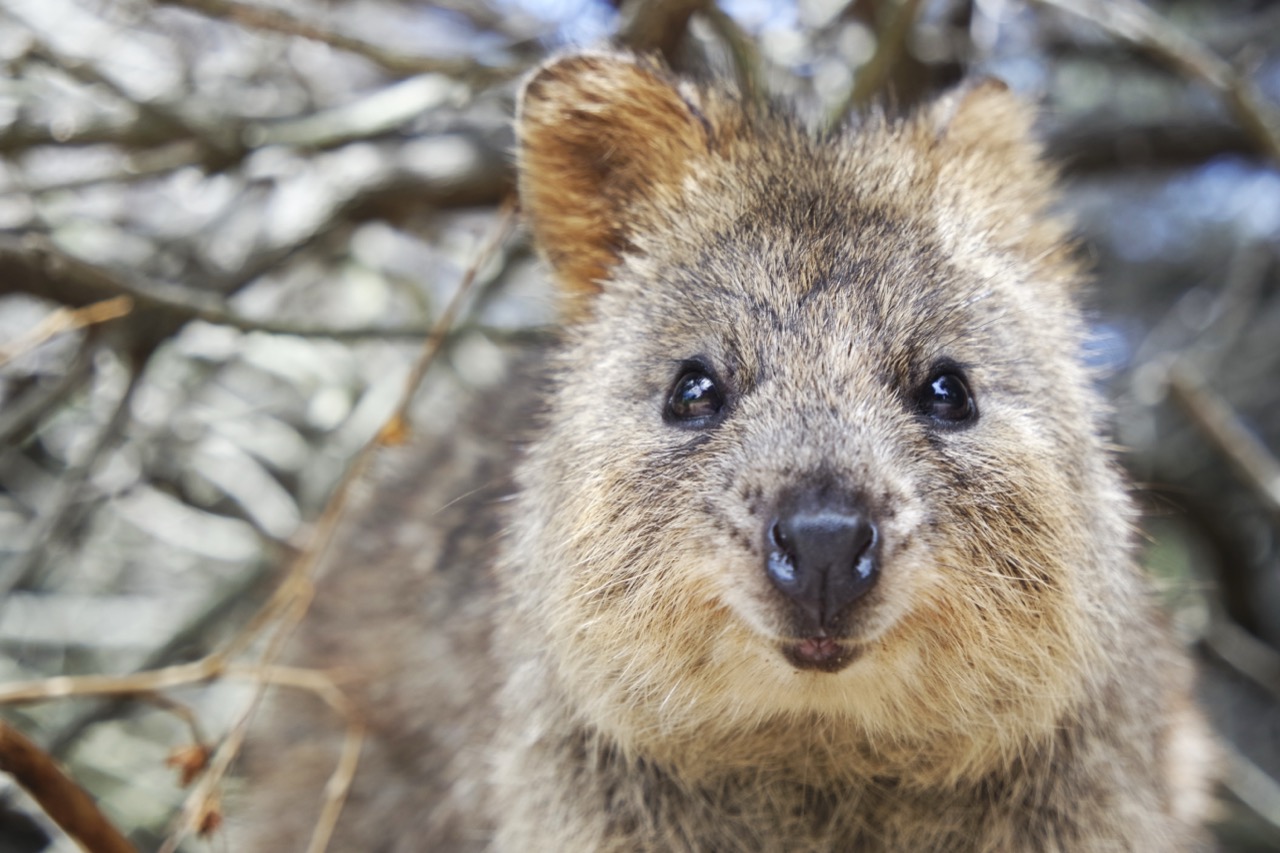
Quokkas have a reputation for looking like they are smiling, but their easygoing face hides a tough life shaped by heat, scarce water, and predators. These small marsupials are native to southwestern Australia, best known from Rottnest Island and Bald Island, with smaller and more fragmented populations on the mainland. Their island fame comes partly from fewer predators and partly from human attention, but the same attention can create risks if it brings disease, altered feeding, or accidental transport of pests.
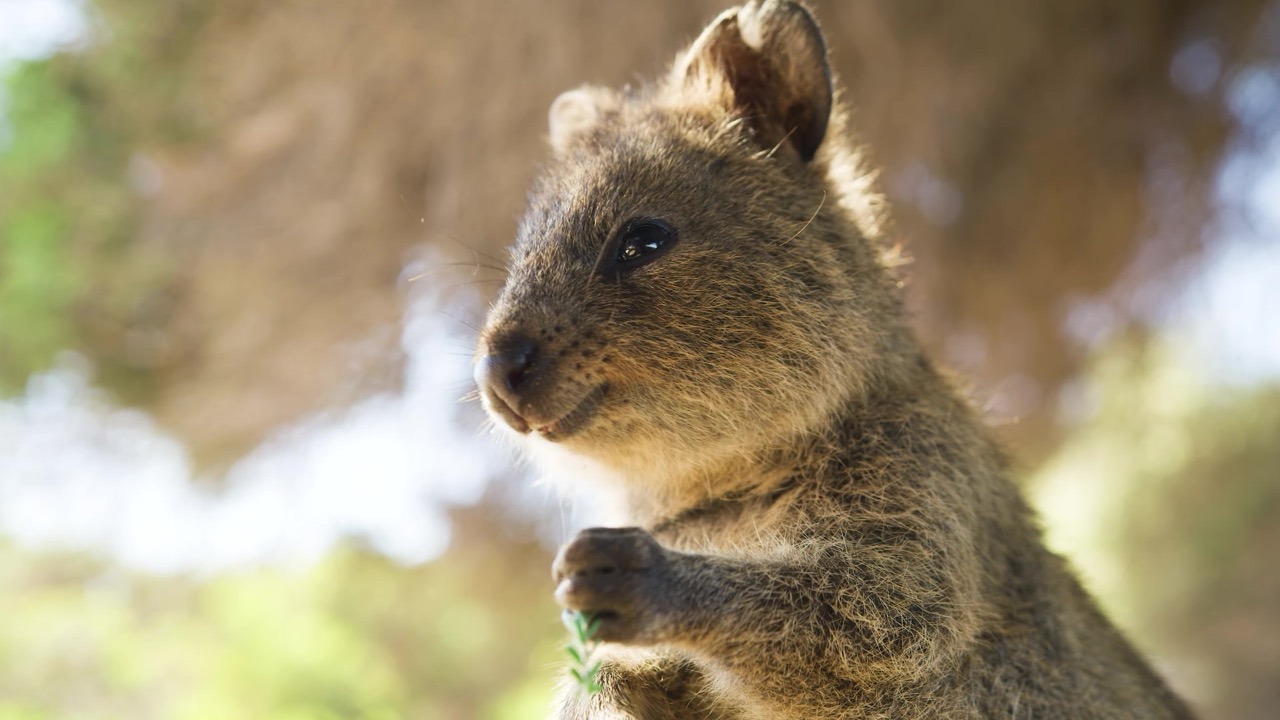
A quokka is a macropod, related to kangaroos and wallabies, and it lives mostly on a diet of grasses, leaves, and succulent plants. On islands and in coastal habitats, it may browse shrubs and take advantage of seasonally available vegetation. Because free water is not always reliable, quokkas can meet much of their needs through the moisture in plants and by reducing water loss. Like many mammals in dry environments, they can adjust activity to cooler parts of the day and seek shade in dense vegetation. Their survival strategy is less about sprinting across open ground and more about staying hidden, conserving energy, and making the most of what the habitat provides.
Understanding how quokkas use their landscape is where modern wildlife science becomes essential. GPS tracking, often using lightweight collars or tags designed to minimize impact, helps researchers map movements, home ranges, and habitat preferences. On islands, tracking can reveal how quokkas navigate between feeding areas and shelter, and how human infrastructure changes their routes. On the mainland, it can show whether animals are forced into risky areas by habitat loss or fire. Camera traps add another layer, quietly recording who visits a trail at night, how often quokkas are active, and whether foxes, cats, or other introduced predators are present.
Thermal imaging is increasingly useful for wildlife surveys, especially in low light or dense vegetation where animals are hard to spot. A thermal camera can detect warm-bodied animals against cooler backgrounds, supporting population counts and helping locate individuals without disturbing them. This is particularly valuable when researchers want to minimize handling, since capture and restraint can elevate stress.
Measuring stress in wild animals is itself a science. Instead of relying only on behavior, researchers can analyze hormones such as cortisol metabolites from fecal samples, which provides clues about long-term stress without needing repeated captures. Genetics offers another powerful toolkit. By studying DNA from tissue, hair, or scat, scientists can estimate relatedness, assess genetic diversity, and detect inbreeding risks, which are especially important for isolated island populations. Genetic tests can also help identify pathogens and track how diseases might spread.
Quokkas are vulnerable to introduced predators, particularly on the mainland where foxes and feral cats can have strong impacts. Conservation therefore includes predator control, habitat management, and careful monitoring to see what works. Biosecurity and quarantine rules are critical on islands because a single introduction, such as a rat, a new disease, or weed seeds, can cascade through an ecosystem. Simple actions like checking cargo, cleaning gear, and restricting animal movements can prevent problems that are far harder to fix later.
The quokka may look cheerful, but its continued survival depends on serious science, careful technology, and the everyday decisions people make when sharing space with wildlife.