Myth or Mammal Reality Check Quiz


Quiz Complete!
Myth or Mammal Reality Check: What’s True About the Animals We Think We Know
Mammals are familiar enough that we think we understand them, yet many of the most repeated “facts” about them are half-remembered stories that have drifted far from reality. One of the classic examples is the claim that bats are blind. In fact, most bats can see, and some have quite good vision. What makes them famous is echolocation, a biological sonar that lets many species navigate and hunt in darkness by listening to echoes. Echolocation is not a replacement for sight so much as an extra sense, and bats use a mix of hearing, vision, and smell depending on the situation.
Another stubborn tale is that lemmings march in a doomed parade off cliffs. This idea was popularized by staged footage decades ago, but real lemmings do not commit mass suicide. Their populations can boom and spread out as food and space become limited, and they can be strong swimmers, which sometimes leads to accidents at rivers or steep terrain. But the dramatic, coordinated cliff leap is a myth.
Then there is the ocean confusion: whales look fishlike, live in water, and have streamlined bodies, so people sometimes assume they are fish. Biologically, whales are mammals. They breathe air with lungs, are warm-blooded, nurse their young with milk, and have hair at least at some stage of life. Their tails move up and down rather than side to side like most fish, and their flippers contain the same basic bone pattern found in other mammals’ limbs.
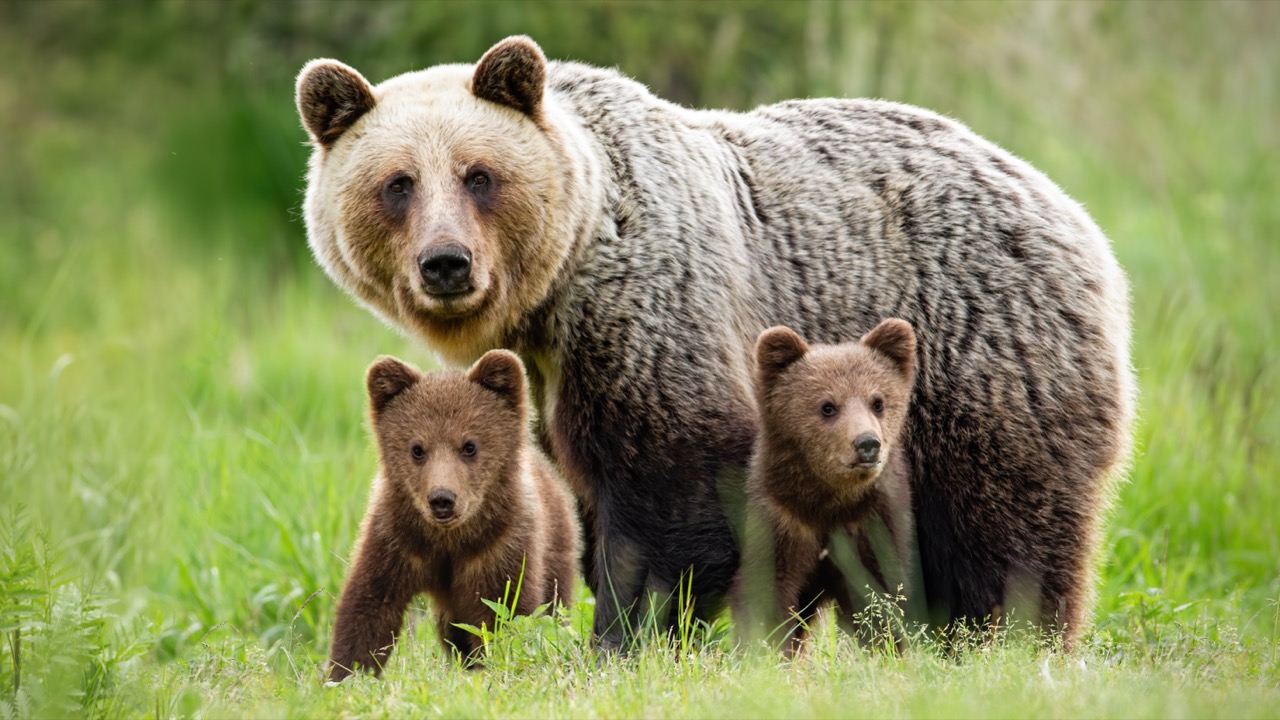
Hibernation is another concept that gets simplified. Many people picture a bear sleeping continuously all winter, but bear “hibernation” is often a lighter state called torpor, with body temperature dropping only modestly and occasional movement possible. True deep hibernators, like some ground squirrels, can lower body temperature dramatically and cycle between long bouts of inactivity and brief awakenings. Even within one species, winter strategies vary with climate and food.
Venom and eggs also trip people up when defining mammals. Most mammals give live birth, but monotremes such as the platypus and echidnas lay eggs. The platypus is also one of the few venomous mammals: males have spurs on their hind legs that can deliver venom, causing intense pain. Venom is rare in mammals, but it exists in a handful of lineages, including some shrews and a few other unusual species.
Milk is the defining feature behind the name “mammal,” yet even that comes with surprises. Not all mammals have obvious nipples. Monotremes produce milk that seeps from specialized skin areas, and the young lap it up from fur. And while people associate mammals with thick coats, hair can be sparse, seasonal, or transformed into whiskers, spines, or even nearly invisible fuzz.
Many myths persist because they contain a grain of truth: bats do thrive at night, lemmings do disperse, whales do resemble fish, bears do spend winter resting, and platypuses are genuinely strange. The real story, though, is usually more interesting than the shortcut. When you swap folklore for observation, mammals stop being cartoon characters and start looking like what they are: a wildly diverse group shaped by evolution into forms that can fly, dive, burrow, glide, and even lay eggs while still feeding their young with milk.