Hoofbeats and Horse Sense Trivia Sprint
Quiz Complete!
Hoofbeats and Horse Sense: A Practical Guide to Spotting Horses Like a Pro
Horses are famous for their beauty, but identifying them accurately takes more than admiring a shiny coat and a flowing mane. A good horse spotting habit starts with learning what you are really looking at: coat color, markings, body type, and the way a horse moves. Once you know the basics, photos and quick glimpses in a field become surprisingly informative, and common stable terms start to make sense.
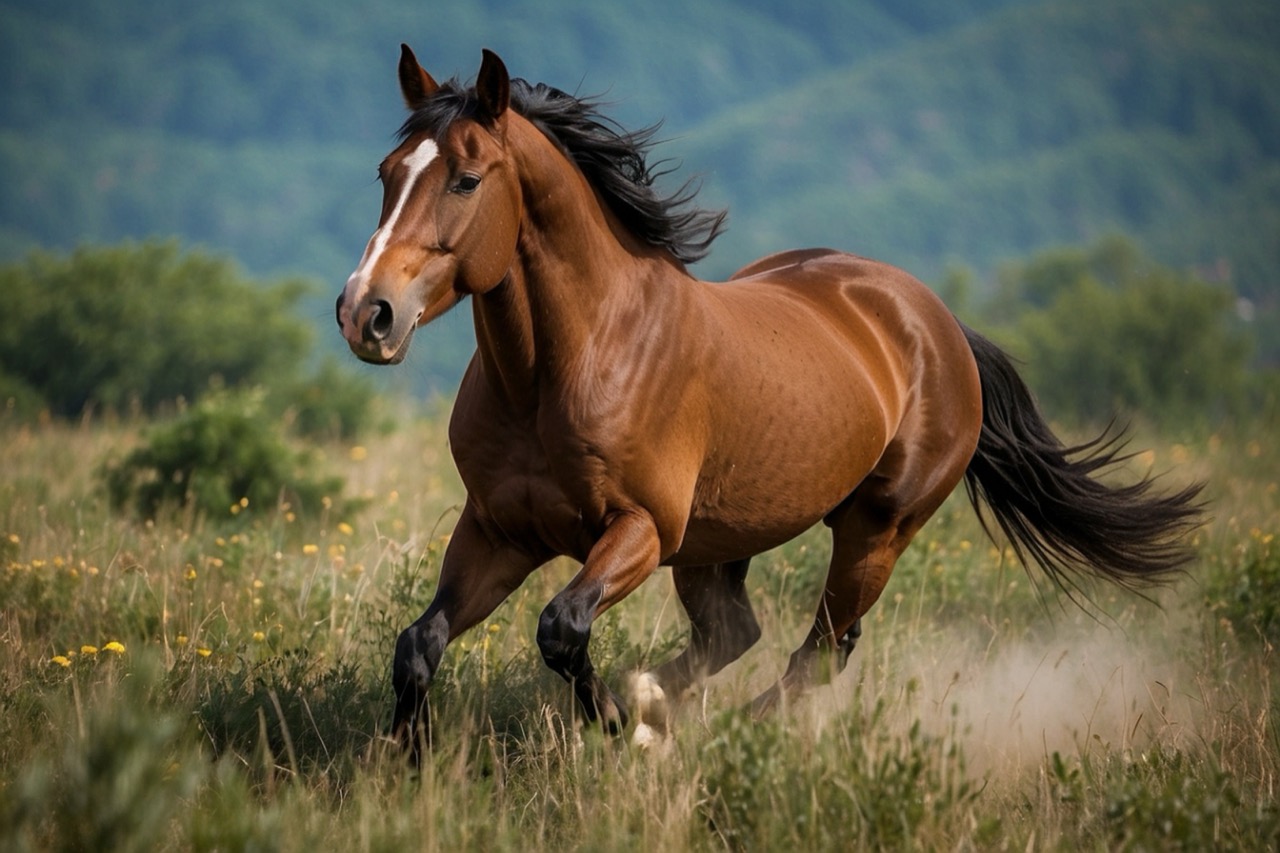
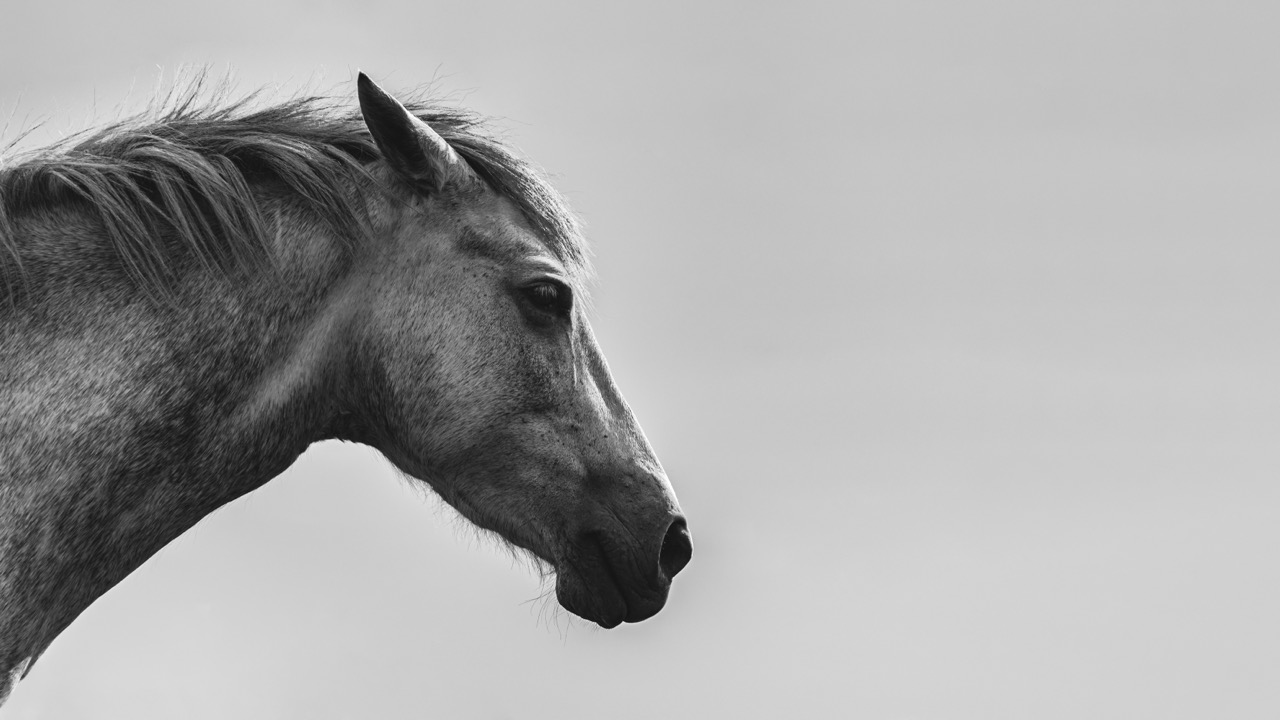
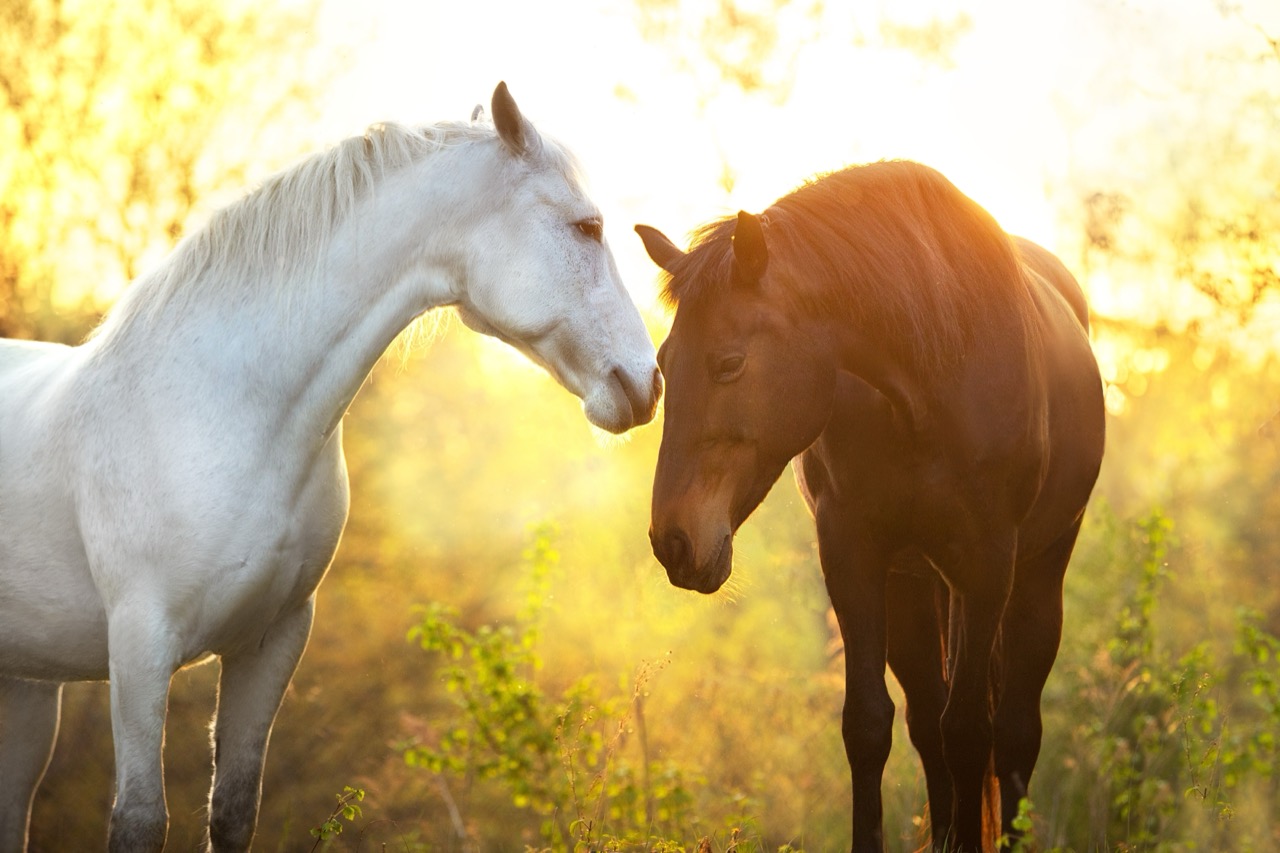
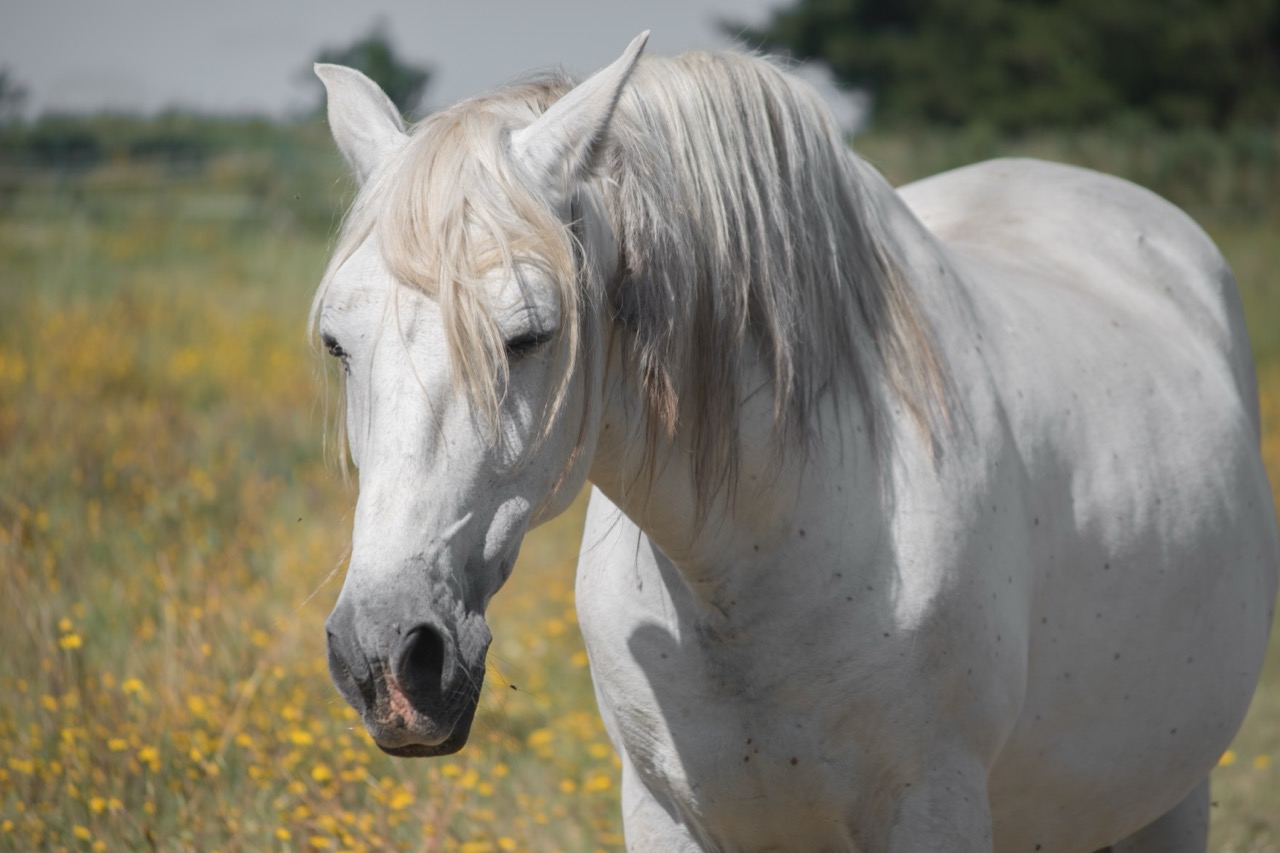
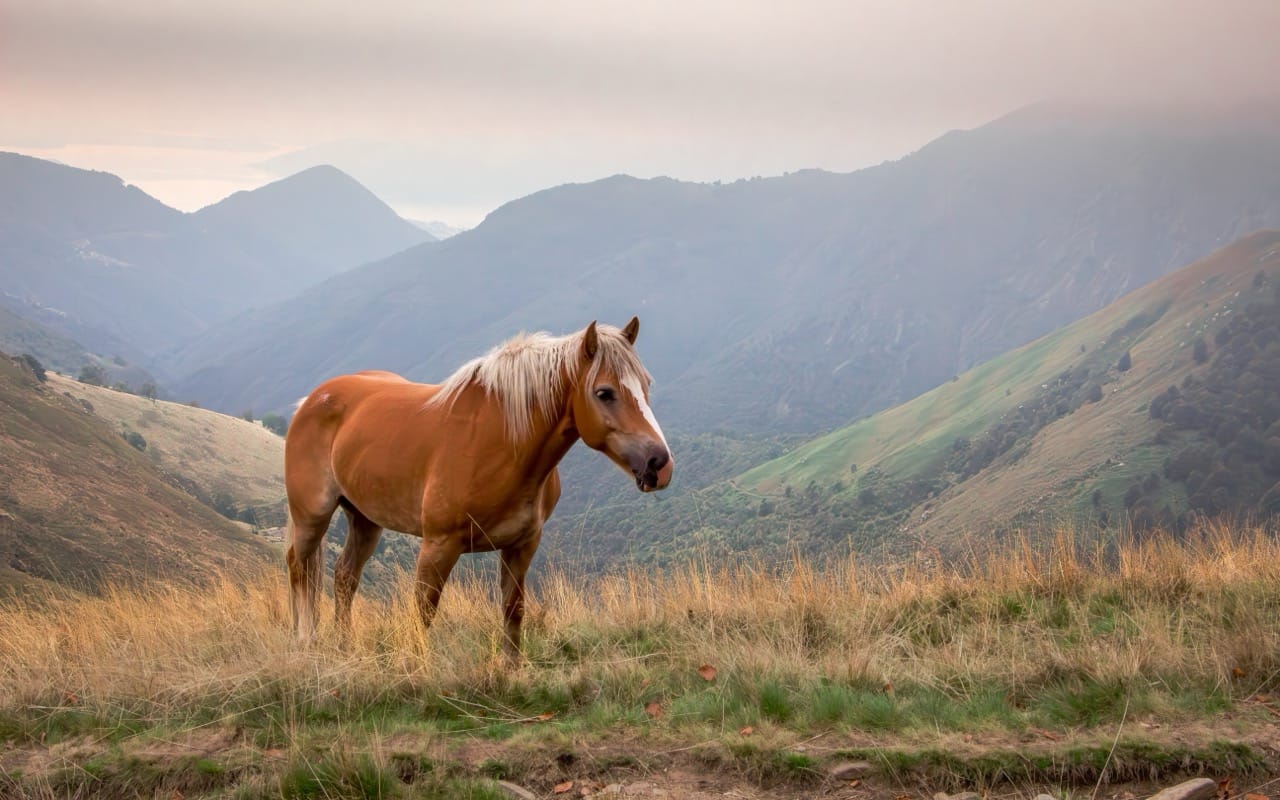
Coat color is often the first clue, but it can be deceptive because lighting, seasonal shedding, and dust can change what you think you see. A bay horse has a reddish brown body with black points, meaning a black mane, tail, and lower legs. A chestnut is red or copper overall, usually with a mane and tail that match or are lighter, but not true black points. A black horse is black all over, though sun fading can make it look brownish in summer. Gray is a special case: it is a pattern of progressive whitening, so many gray horses are born dark and lighten over time, sometimes ending up nearly white while still being genetically gray. Palomino and buckskin are commonly mixed up. Palomino is a golden coat with a light mane and tail, while buckskin is a tan or yellow body with black points, closer to a bay diluted by a cream gene.
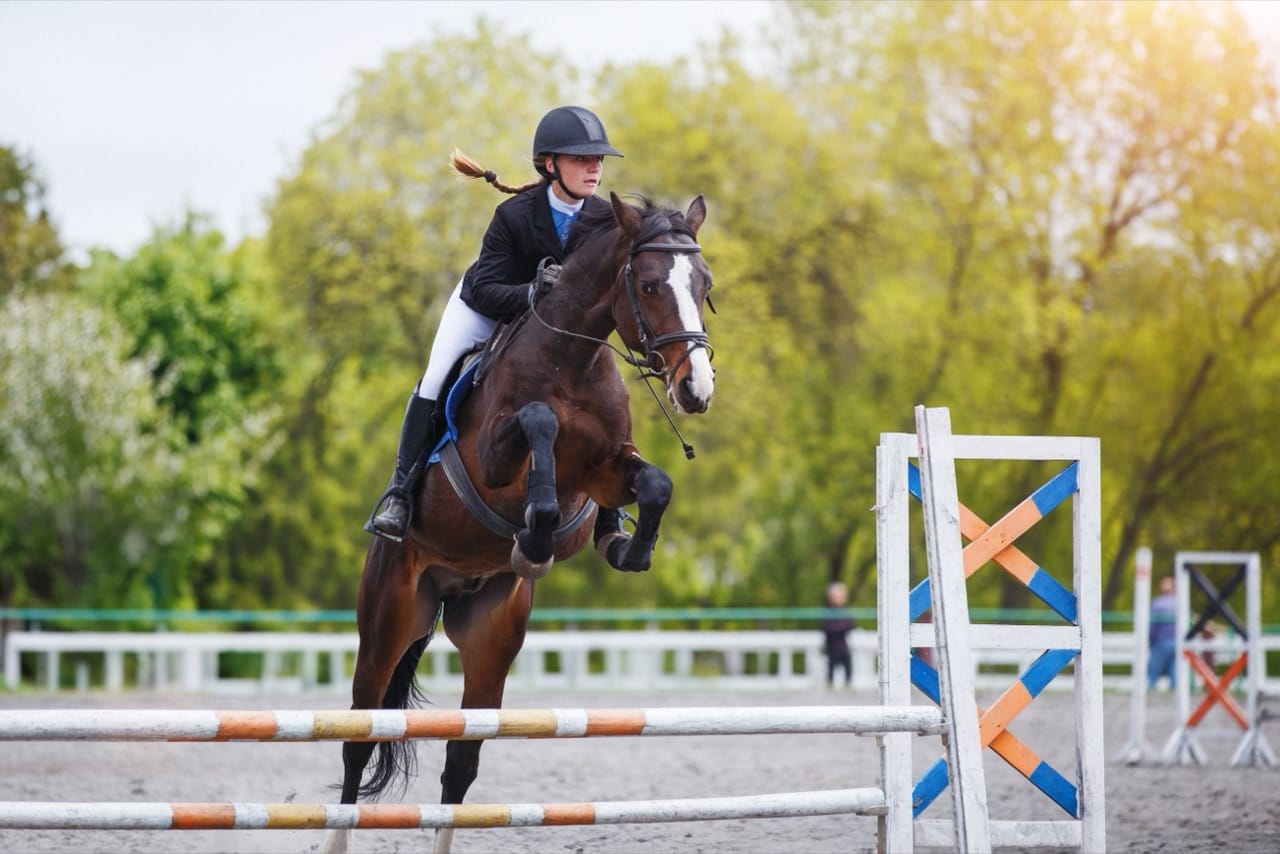
Markings add another layer of identification. Face markings range from a small star on the forehead to a blaze running down the face, or a wide bald face. Leg markings are usually described by how high the white goes: a sock is lower, a stocking is higher. These details matter because two horses of the same color can look completely different once you notice the exact shape and placement of white. Some horses have unique patterns like appaloosa spotting or pinto patches. Appaloosas often show mottled skin around the muzzle and eyes, and striped hooves are common. Pintos have large white and colored areas, and the pattern types are often described as tobiano or overo, though real life horses can be blends.
Breed recognition is less about memorizing names and more about reading silhouettes. Arabians tend to have a refined head, large eye, and a tail carried high, with a more compact build. Thoroughbreds are usually taller and leaner, built for speed with long legs and a deep chest. Quarter Horses often look powerful and compact, with a notably muscular hindquarters, a clue to their sprinting ability. Draft breeds like Clydesdales and Shires are hard to miss: huge frames, thick bone, and sometimes feathering around the lower legs. Ponies are not just small horses; many have thicker necks, rounder barrels, and a sturdier appearance for their height.
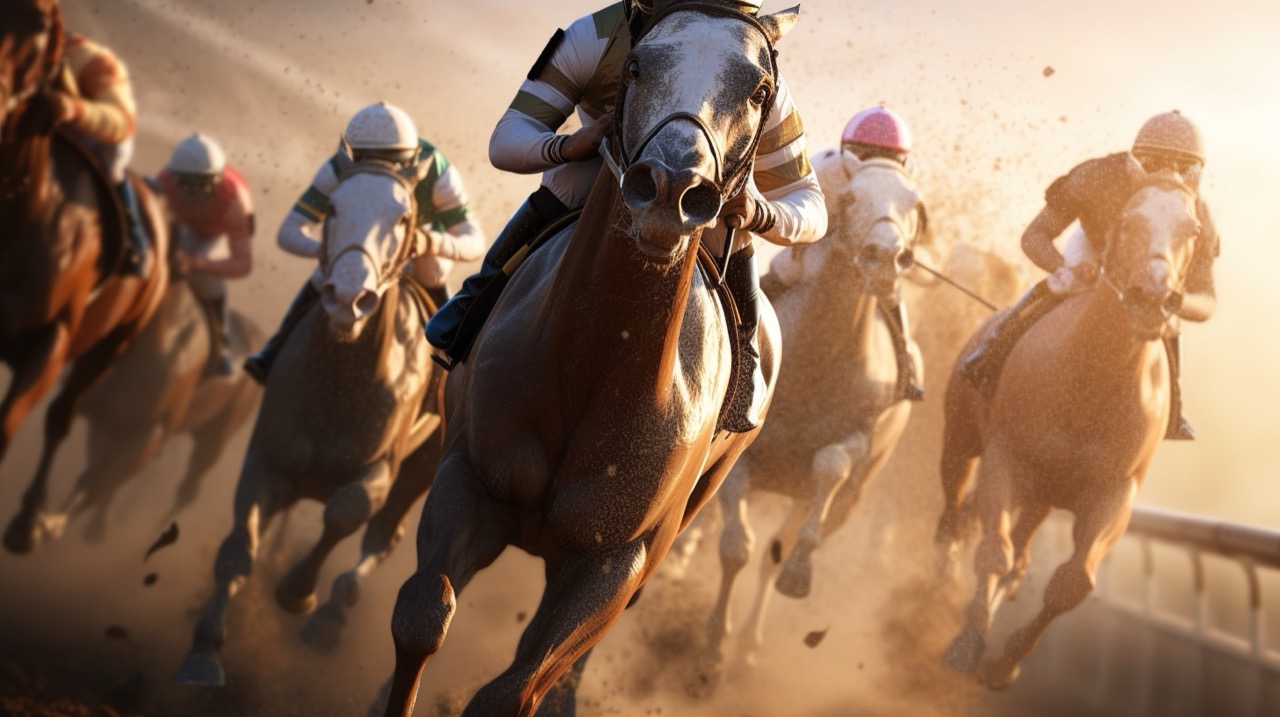
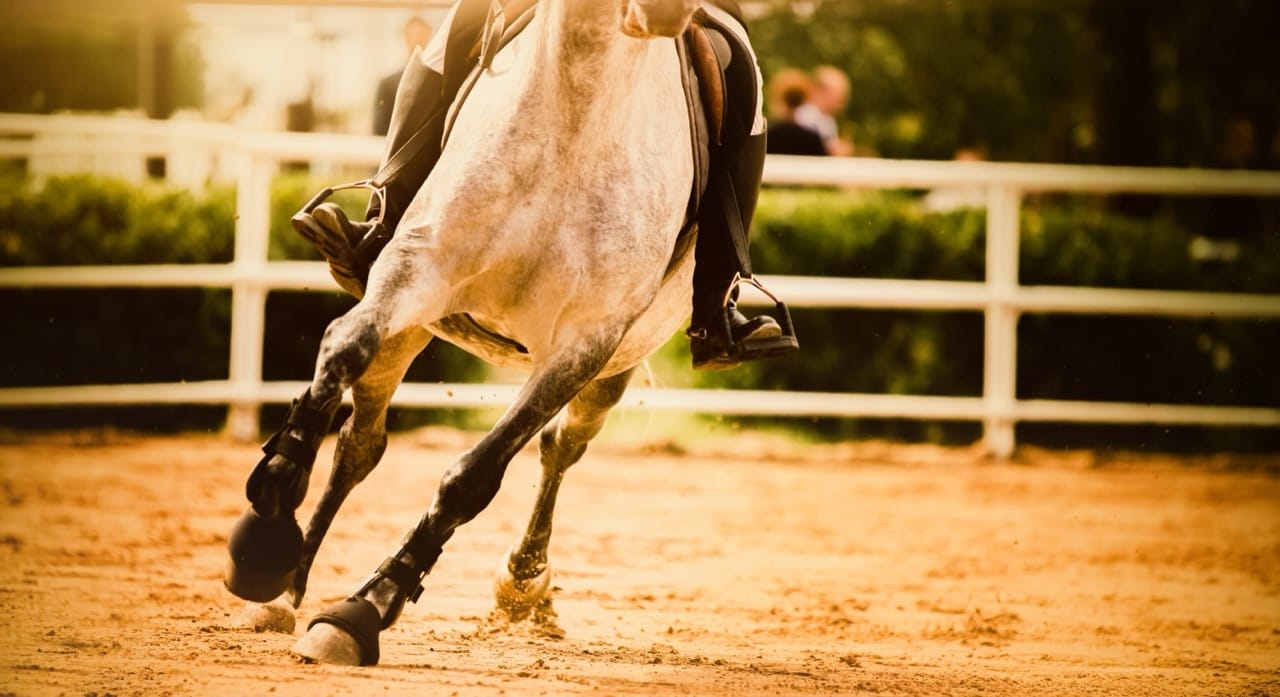
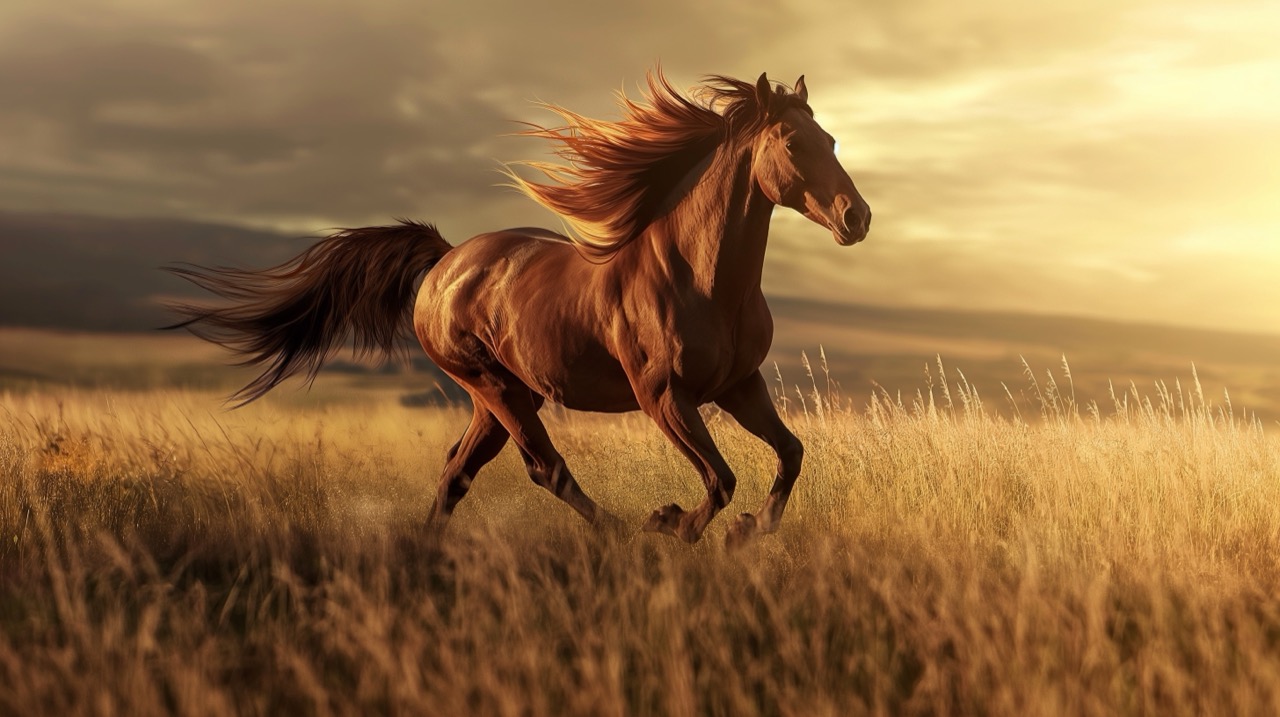
Movement can confirm what your eyes suspect. At the walk, a horse moves in a steady four beat rhythm. The trot is two beat and springy, often with diagonal pairs of legs moving together. The canter is three beat and rolling, and the gallop is faster with a moment of suspension. Some breeds are known for extra gaits, like the running walk in Tennessee Walking Horses. Watching the head and neck, the reach of the shoulder, and the engagement of the hind legs can reveal whether a horse is built for endurance, speed, or pulling.
A quick reality check helps you avoid confusing horses with close relatives. Donkeys usually have longer ears, a shorter, more upright mane, and a tail with a tuft at the end rather than a full horse tail. Mules, the common donkey horse hybrid, often combine a horse like body with donkey ears and a different tail and coat texture. Even when the color looks familiar, the ears, tail, and overall proportions give them away.
Stable vocabulary also sharpens your guessing game. A gelding is a castrated male, a mare is an adult female, and a stallion is an uncastrated male. Withers are the ridge between the shoulder blades, often used to measure height. The pastern is the sloped area above the hoof, and its angle can hint at comfort and soundness. Once you start noticing these details, horse identification becomes a satisfying puzzle: part art, part observation, and always a little bit of horse sense.