Fur, Fossils, and First Mammals Quiz


Quiz Complete!
Fur, Fossils, and the Long Road to Mammals
Mammals seem like the default animals of everyday life, yet their roots reach back to a time when dinosaurs did not even exist. The earliest branches of the mammal family tree begin with synapsids, a group of vertebrates defined by a single opening behind each eye socket in the skull. That small anatomical detail matters because it marks a lineage that split from the ancestors of modern reptiles and birds hundreds of millions of years ago. Early synapsids included formidable predators and bulky plant eaters, but over time one subset, the therapsids, began to show a mix of traits that would later become unmistakably mammalian.
Fossils reveal that the path to true mammals was not a sudden leap but a long series of upgrades. One of the most important changes involved the jaw. Reptile like ancestors used multiple bones in the lower jaw, while modern mammals rely mainly on a single bone, the dentary, that hinges against the squamosal bone of the skull. This new jaw joint allowed stronger, more precise chewing. The older jaw bones did not vanish; they gradually shrank and migrated into the middle ear, becoming the malleus and incus. Along with the stapes, these tiny bones improved hearing, especially for higher frequency sounds, a useful advantage for small animals active at night.
Teeth also tell the story in exquisite detail. Early synapsids had relatively simple teeth, but later forms evolved differentiated teeth with incisors, canines, premolars, and molars. This division of labor made feeding more efficient and supported higher energy lifestyles. Many early mammal relatives developed complex cusps on their molars, creating surfaces that could slice, crush, or grind food. In the fossil record, paleontologists can often identify lineages from a single tooth because tooth shape is so strongly tied to diet.
Warm bloodedness, fur, and sensitive whiskers rarely fossilize directly, but bones provide clues. The presence of nasal turbinates, delicate structures that help retain moisture and heat during breathing, suggests an endothermic metabolism. Some fossils show pits and grooves associated with hair follicles or whisker roots, hinting that insulation and touch were already important. A warm, steady metabolism is expensive, so mammals paired it with efficient feeding, attentive parental care, and often a nocturnal lifestyle that reduced competition with dominant reptiles.
When true mammals emerged in the late Triassic, they were mostly small, shrew sized animals living in the shadows. For a long time, dinosaurs dominated most large animal roles, but mammals quietly diversified anyway. Some glided, some burrowed, some swam, and some specialized in insects. Genetics and fossils together show that the three living mammal lineages split early: monotremes, marsupials, and placentals. Monotremes, such as the platypus and echidnas, still lay eggs, a reminder that mammal identity is not defined by live birth. They also produce milk, but without nipples, delivering it through specialized skin areas.
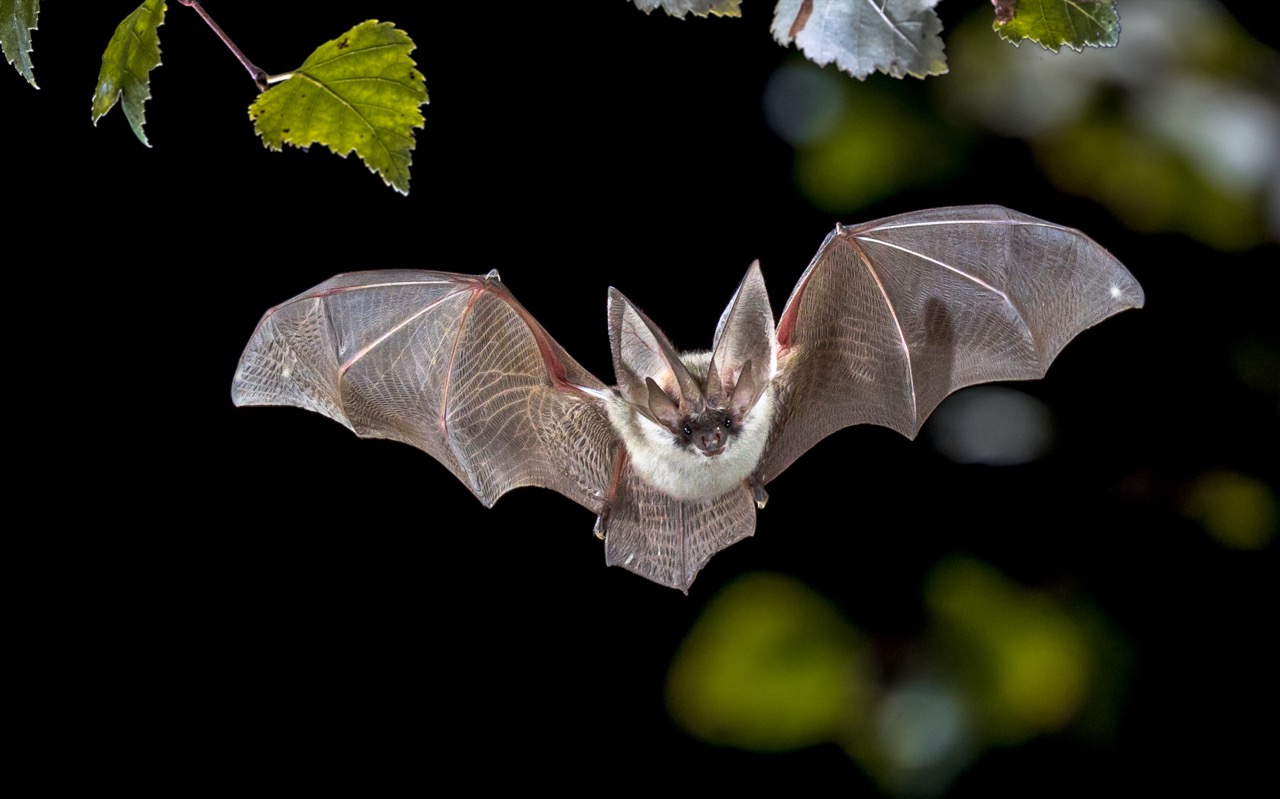
The end of the dinosaur era opened ecological space, and mammals expanded dramatically in size and variety. Yet the so called post dinosaur boom built on tools that were already in place: versatile teeth, refined hearing, larger brains, and flexible limbs. Even whales, which returned to the sea, carry the signature of land mammals in their bones and in their breathing, nursing, and warm blooded physiology. Bats, the only mammals to achieve powered flight, show how far those early experiments could go.
The mammal story is written in tiny bones, especially jaws and ears, and in the subtle wear patterns of teeth. It is also written in behaviors that rarely fossilize but leave indirect evidence, like the demands of raising young on milk and the advantages of heightened senses in the dark. From synapsid beginnings to modern diversity, mammals did not simply appear after dinosaurs; they endured beside them, evolving quietly until opportunity arrived. The result is a family tree full of surprises, where egg layers sit beside live bearers and where the bones that once helped bite down now help us hear a whisper.