Timberline Trivia Famous Forest Landmarks Bonus Round
Quiz Complete!
Timberline Trivia: Famous Forest Landmarks and the Stories Beneath the Canopy
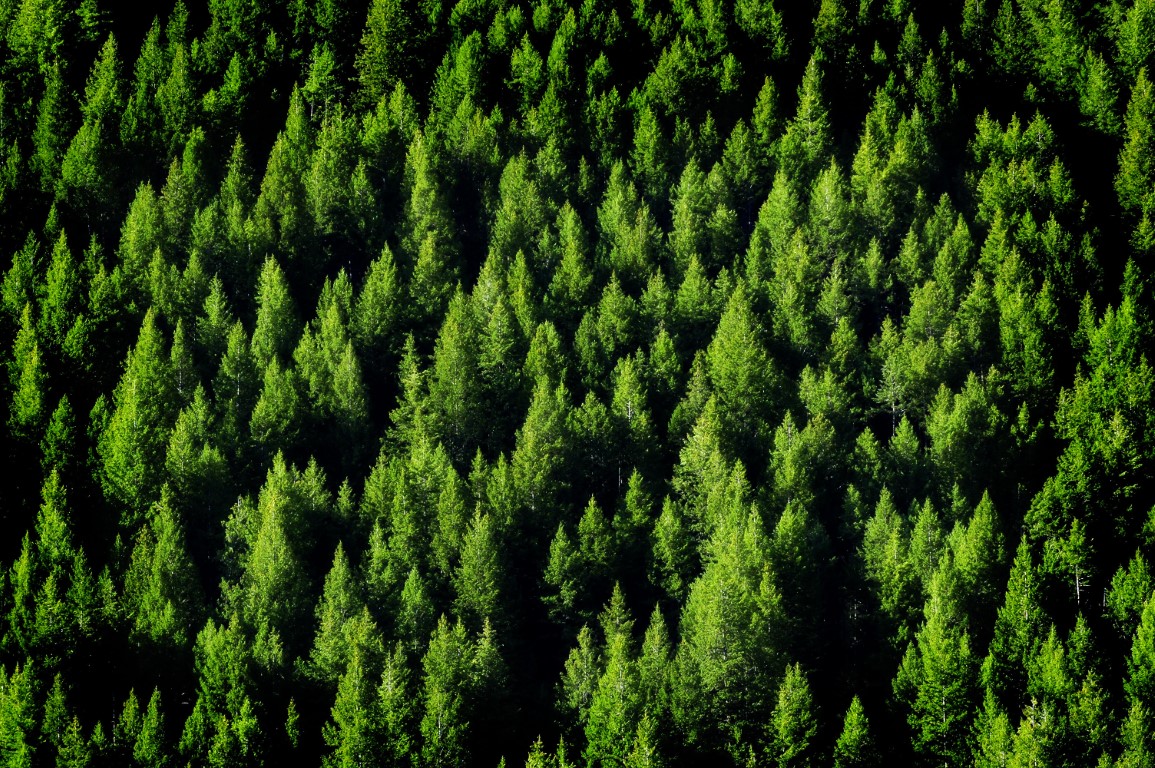
Some landscapes feel instantly legendary, and the world’s best known forests earn that reputation by mixing extreme biology with unforgettable landmarks. A forest landmark can be as obvious as a record breaking tree or as subtle as a fog drenched valley that reshaped how people think about wilderness. What makes these places especially quiz worthy is that they blend geography, natural history, and human choices about what to protect and how to measure it.
In California, the giant sequoias and coast redwoods turn size into spectacle. Sequoias are famous for sheer volume, with some trunks so wide that early road builders cut tunnels through fallen logs to let cars pass, creating quirky roadside icons that still show up in old photos and postcards. Coast redwoods, by contrast, reach for height in the cool, moist air near the Pacific, and the tallest individuals are tracked carefully, sometimes with locations kept quiet to prevent damage. Measuring a champion tree is surprisingly technical: height can be checked with laser rangefinders and climbing tapes, while circumference is taken at a standardized point on the trunk. These details matter because rankings change as trees grow, storms break tops, and new contenders are discovered.
Across the Atlantic, Europe’s famous woodlands often feel older in a different way, shaped by centuries of human use. The Bialowieza Forest on the border of Poland and Belarus is one of the last large remnants of the primeval lowland forests that once covered much of Europe. It is also known for European bison, a conservation comeback story that connects royal hunting history, wartime decline, and careful reintroduction. In the United Kingdom, ancient forests like Sherwood gained fame through folklore, but their real ecological value is in veteran oaks, deadwood habitats, and the insects and fungi that depend on long continuity of woodland cover.
Tropical forests bring a different kind of landmark: vastness. The Amazon is so large that it influences weather patterns, and its iconic features include river confluences where differently colored waters flow side by side, and flooded forests where fish disperse seeds during high water. Because the canopy can hide what is happening below, satellites and airborne sensors have become essential tools for monitoring deforestation, fires, and regrowth. Protected areas in the Amazon range from national parks to Indigenous territories, and many of the most effective conservation outcomes come from combining legal protection with local stewardship.
In Asia, sacred groves and temple forests show how culture can safeguard biodiversity. In Japan, old growth stands around shrines are sometimes protected for spiritual reasons, creating pockets of mature habitat even in heavily populated regions. In India, sacred groves can preserve rare plants and water sources, functioning like living museums of local ecology. These places remind travelers that a forest landmark is not always a single giant tree. It can be a tradition that kept a hillside wooded when surrounding areas were cleared.
Africa’s forest landmarks often overlap with wildlife corridors and mountain refuges. The Congo Basin holds the world’s second largest tropical rainforest, home to forest elephants and lowland gorillas, and conservation there depends on balancing community needs, anti poaching efforts, and sustainable forestry. On islands like Madagascar, remaining forests are biodiversity treasure chests with species found nowhere else, making every protected patch feel like a landmark.
The most surprising detail about famous forests is how many are protected not just by fences or laws, but by stories. A named grove, a celebrated trail, a legendary tree, or a well documented scientific study can turn a place into a symbol. Once it becomes a symbol, people notice when it is threatened. That attention, in turn, can fund research, inspire park creation, and keep the wonder alive for the next quiz and the next visitor under the canopy.