Globe Trek Forest Facts Quickfire Quiz

Quiz Complete!
A Quick Tour of the World’s Forests and What Makes Each One Work
Forests cover a huge range of climates, and the quickest way to understand them is to ask two questions: how much water is available, and how long is the growing season? Temperature, rainfall, wind, soils, and disturbance such as fire or storms combine to shape what kinds of trees can live in a place and how the whole ecosystem behaves. That is why a “forest” can mean a snow-laden belt of conifers, a steamy tangle of vines, or a low, scrubby woodland adapted to summer drought.
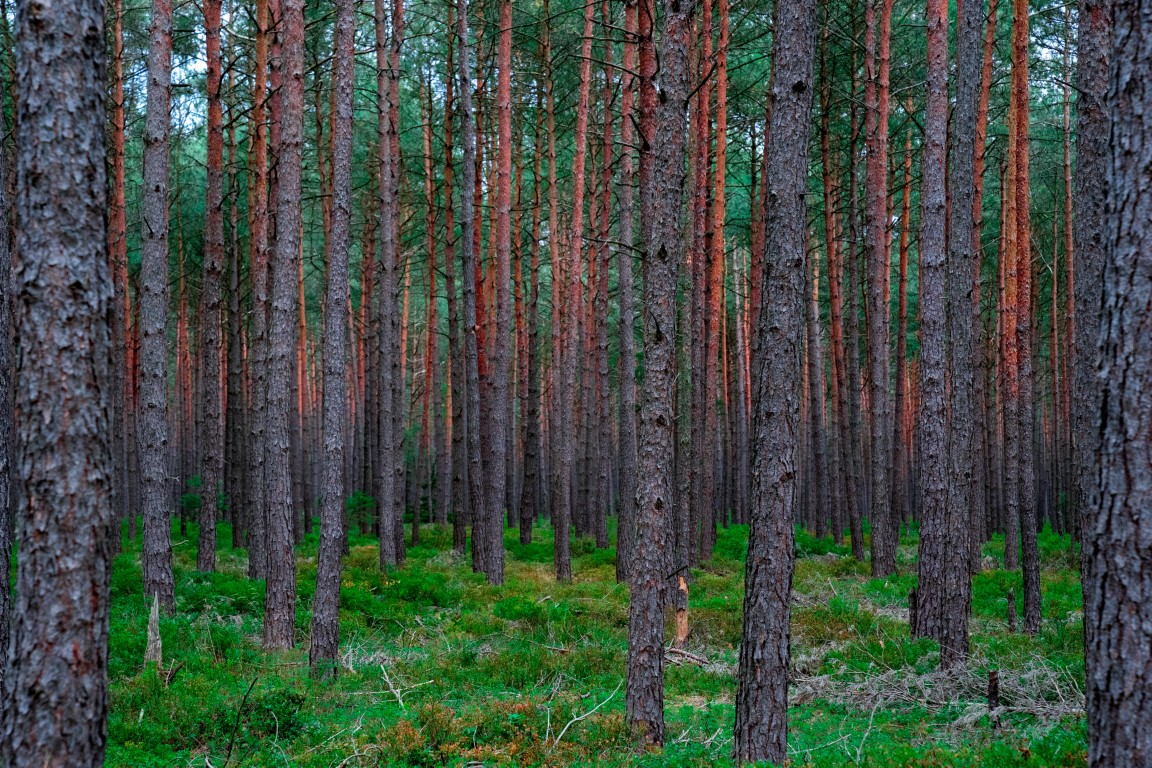
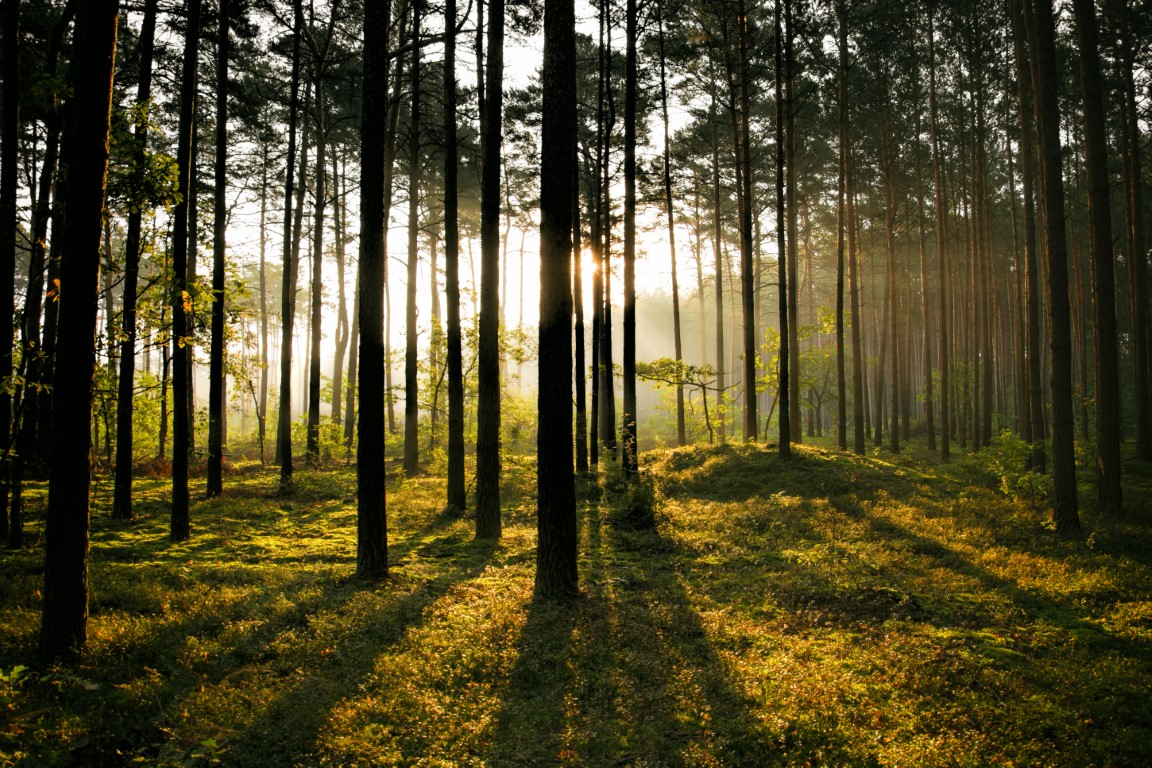
Near the top of the world sits the boreal forest, also called taiga, stretching across Canada, Alaska, Scandinavia, and Russia. Winters are long and dark, summers are short, and the soil often stays cold and acidic. Conifers dominate because needles lose less water than broad leaves and can photosynthesize quickly when conditions allow. Fire is not an accident here; it is a major ecological reset. Some species, like certain pines and spruces, rely on heat to open cones and release seeds. Boreal regions also store immense amounts of carbon, not just in trees but in soils and peat. When permafrost thaws or peatlands dry and burn, that stored carbon can move back into the atmosphere.
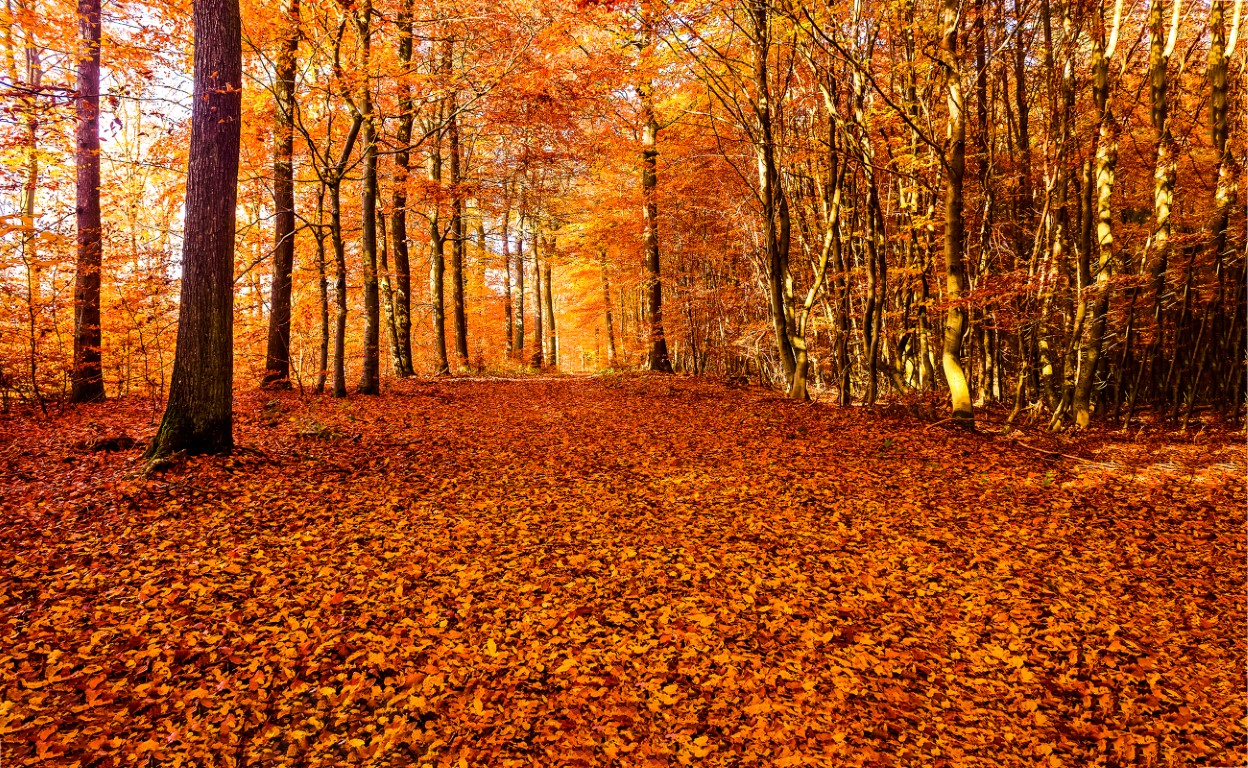
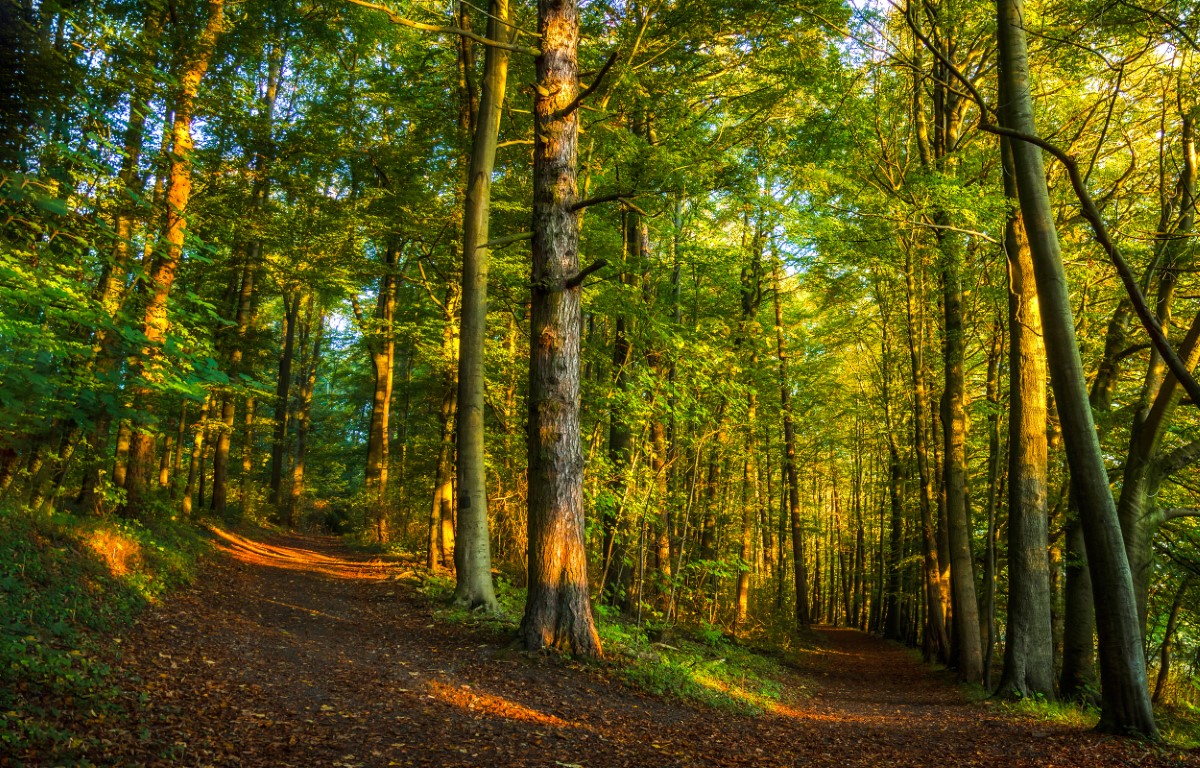
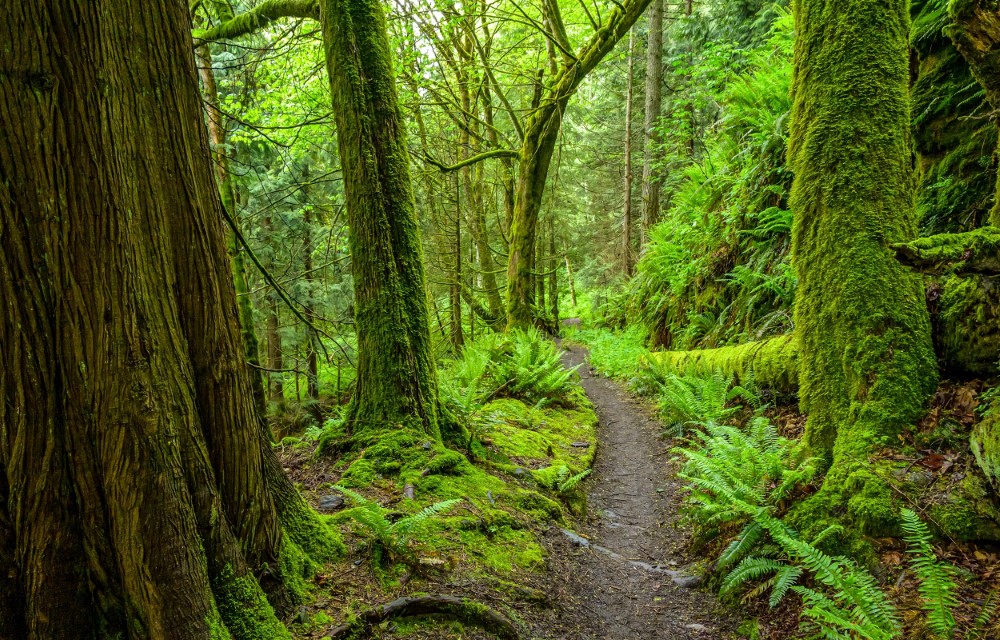
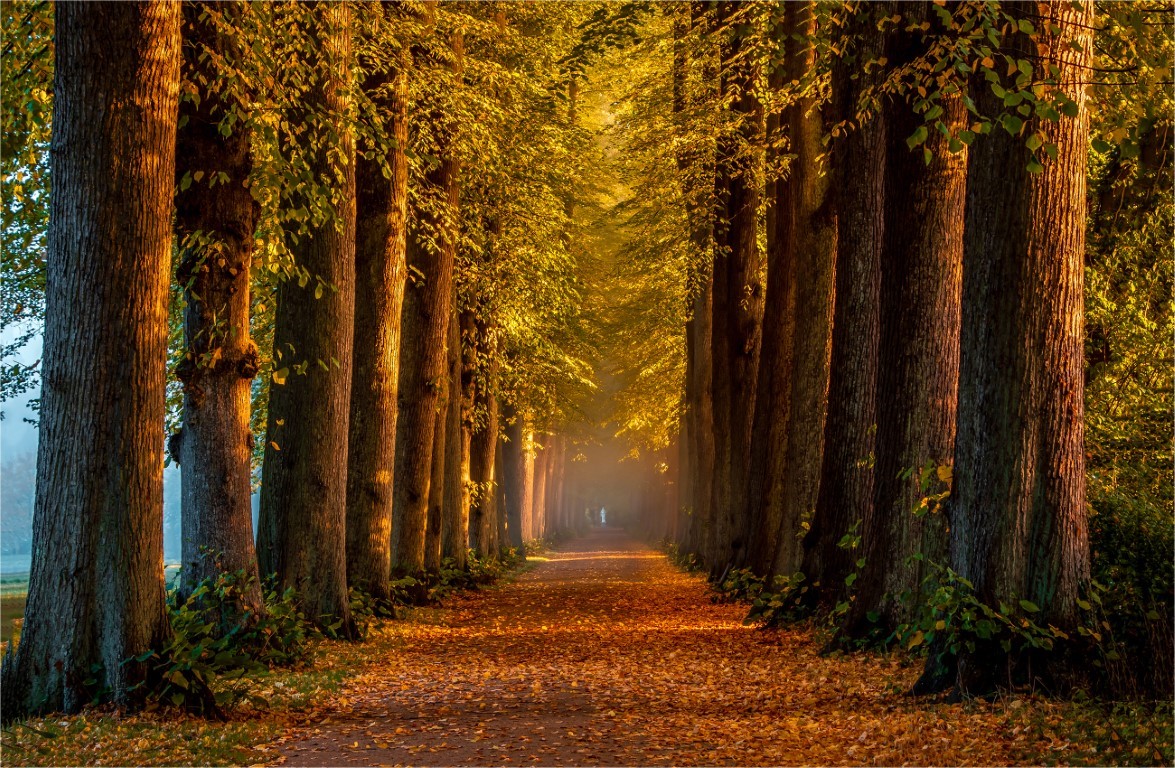
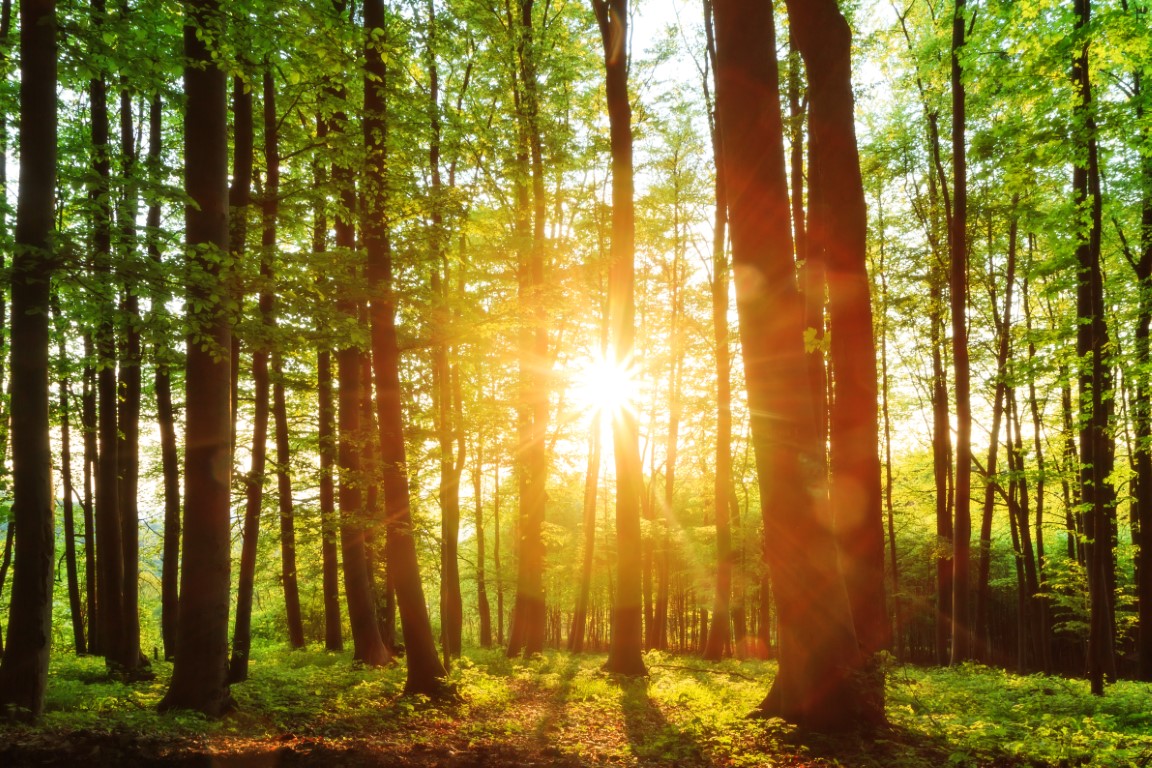
Move into temperate zones and forests often become more mixed and seasonal. Temperate deciduous forests, common in parts of North America, Europe, and East Asia, feature trees that drop leaves to survive winter cold and reduce water loss. Spring wildflowers take advantage of sunlight before the canopy closes. Temperate rainforests, like those along the Pacific Northwest or in parts of Chile and New Zealand, are a different temperate story: cool temperatures plus heavy rainfall and coastal fog allow enormous trees, thick moss, and long-lived ecosystems with high biomass.
In the tropics, warmth is rarely the limiting factor. Instead, the key is water and its timing. Tropical rainforests receive frequent rain, leading to dense, multi-layered canopies and intense competition for light. Many plants grow as climbers or epiphytes, living on branches to reach sun without rooting in the shaded forest floor. Nutrients cycle fast: leaf litter decomposes quickly, and many soils are surprisingly poor because nutrients are held in living vegetation rather than stored in the ground.
Not all tropical forests are wet year-round. Monsoon and dry forests experience distinct wet and dry seasons, so many trees are drought-deciduous, dropping leaves during the dry months. These forests can be rich in wildlife and are often heavily used by people because the climate also suits agriculture, making them among the most threatened forest types.
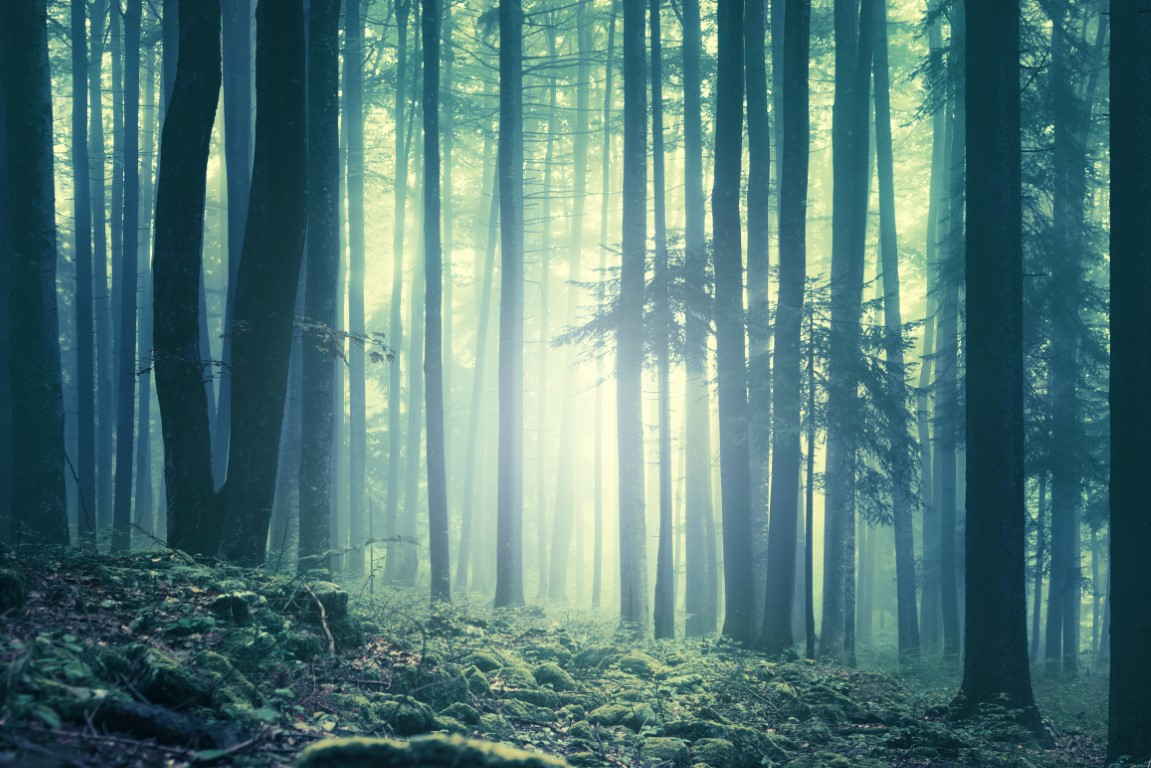
Some of the most unusual forests are shaped by elevation and clouds. Cloud forests form where moist air rises up mountains and condenses into persistent mist. The extra water from fog drip can sustain lush growth even when rainfall is moderate. Trees are often shorter and twisted by wind, and branches can be loaded with orchids, bromeliads, and mosses. Because cloud forests occupy narrow elevation bands, they are especially vulnerable to warming temperatures that shift cloud layers uphill.
Along tropical and subtropical coasts, mangrove forests thrive where many plants would fail. Saltwater, shifting mud, and low oxygen soils demand special adaptations. Mangroves filter or exclude salt, and many have aerial roots that help them breathe. They protect shorelines from erosion, provide nurseries for fish, and store large amounts of carbon in waterlogged soils, making their conservation a climate and coastal safety strategy.
In Mediterranean climates, found around the Mediterranean Sea, California, central Chile, South Africa’s Cape, and parts of Australia, summers are hot and dry while winters are mild and wet. Forests here often blend into scrublands and open woodlands, with tough, waxy leaves that resist drought. Fire is frequent, and many species resprout after burning or keep seeds that germinate best after heat or smoke.
Across all these forest types, the patterns repeat: water availability, temperature, soils, and disturbance set the rules, and plants evolve clever ways to play within them. Understanding those rules helps explain why protecting forests is not just about saving trees, but about safeguarding the climate regulation, biodiversity, and local livelihoods each forest uniquely supports.