Bug Myths Busted in 12 Questions


Quiz Complete!
Bug Myths Busted: What Science Really Says About Creepy Crawlies
Insect myths thrive because bugs are small, fast, and easy to misunderstand. A single dramatic story can spread farther than a careful explanation, especially when the animal in question is something people already find creepy. But real entomology is often more interesting than the rumors, and it can also make you calmer the next time something with too many legs shows up in your home.
Take the famous daddy longlegs tale: the claim that it is the most venomous spider but cannot bite humans. In most places, “daddy longlegs” refers to harvestmen, which are not spiders at all and have no venom glands. In other regions it can mean cellar spiders, which are true spiders and do have venom, but it is mild and not considered dangerous to people. The myth likely survived because it sounds thrilling and because the animal looks like a spider, so people assume it must have spider powers.
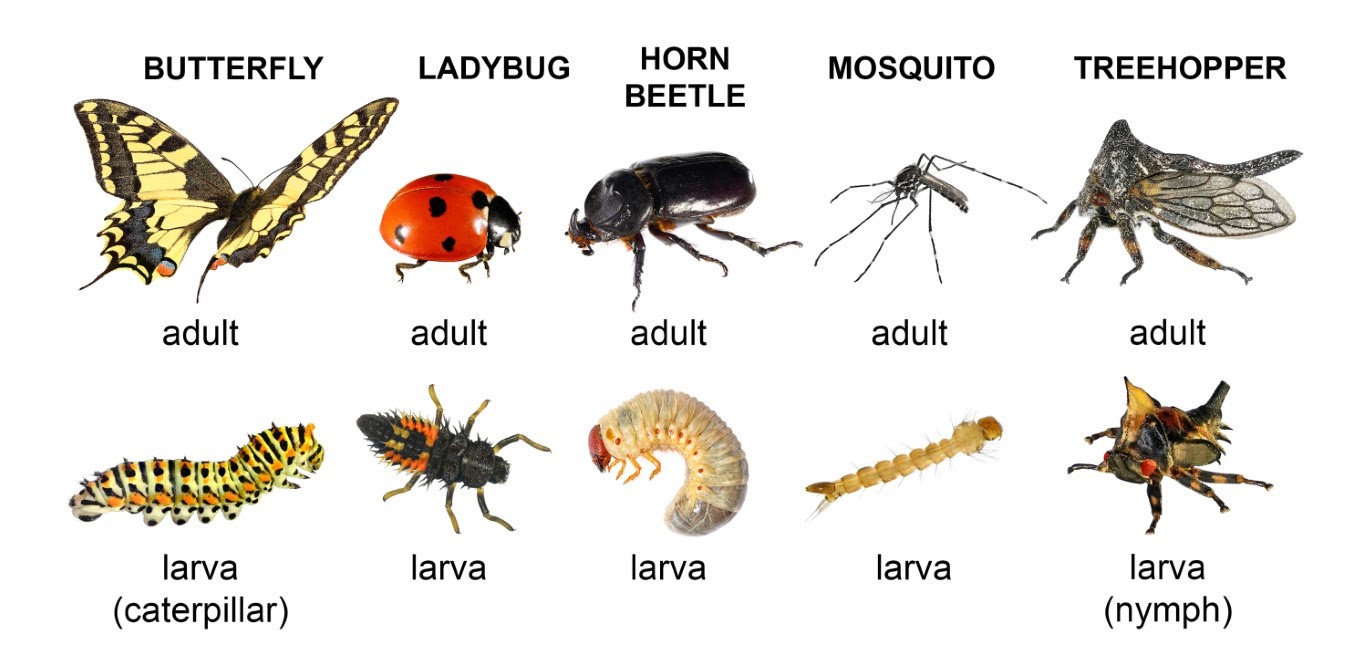
Another stubborn belief is that moths eat your sweaters. Adult moths generally do not eat fabric. The culprits are the larvae of certain moth species, such as clothes moths, and even then they are after proteins like keratin found in wool, fur, and feathers. They are more likely to damage clothing that has food stains, sweat, or body oils, because that extra nutrition helps larvae grow. Clean storage and airtight containers beat most “moth problems” better than hanging cedar blocks and hoping for the best.
People also mix up bees and wasps, then treat every striped flyer as a tiny villain. Honey bees and many native bees are typically focused on flowers and only sting defensively, and a honey bee can sting only once. Many wasps can sting multiple times and some are more willing to investigate your picnic, but they are also important predators that help control pests. If you see a fuzzy, pollen-dusted insect visiting blossoms, it is probably doing free gardening work.
Pain myths are common, too. Some people insist insect stings are always excruciating, while others claim they barely register. The truth depends on the species, the dose, and the person. Allergies matter more than toughness. A sting that is minor for one person can be medically serious for another. That said, most insects are not trying to hurt you; stings and bites are usually defensive or part of feeding.
Mosquito lore may be the most personal, because everyone wants to know why they get bitten. It is not simply “sweet blood.” Mosquitoes track carbon dioxide from your breath, body heat, and skin odors. Genetics, skin microbes, pregnancy, and even what you are wearing can influence how attractive you are. Dark clothing can make you easier to spot, and standing near a person who exhales more carbon dioxide can shift attention away from you. Garlic, vitamin B, and many folk remedies have weak evidence at best. The most reliable protection is reducing standing water, using screens, and applying proven repellents.
Even the idea that all bugs are out to bite you is backwards. Most insects cannot bite humans effectively, and many have mouthparts designed for nectar, plant sap, or other insects. The ones that do bite are a small slice of insect diversity, but they get all the publicity.
Myths persist because insects are everywhere yet hard to observe closely, and because fear makes stories sticky. Learning the real details does not make bugs less strange; it makes them more impressive. The next time someone repeats a backyard “fact,” you will have better tools than a shudder and a guess. You will have the science, and that is usually the best myth-buster of all.