Field Guide Faceoff Insects and Innovation


Quiz Complete!
Field Guide Faceoff: How Insects and Innovation Shape Each Other
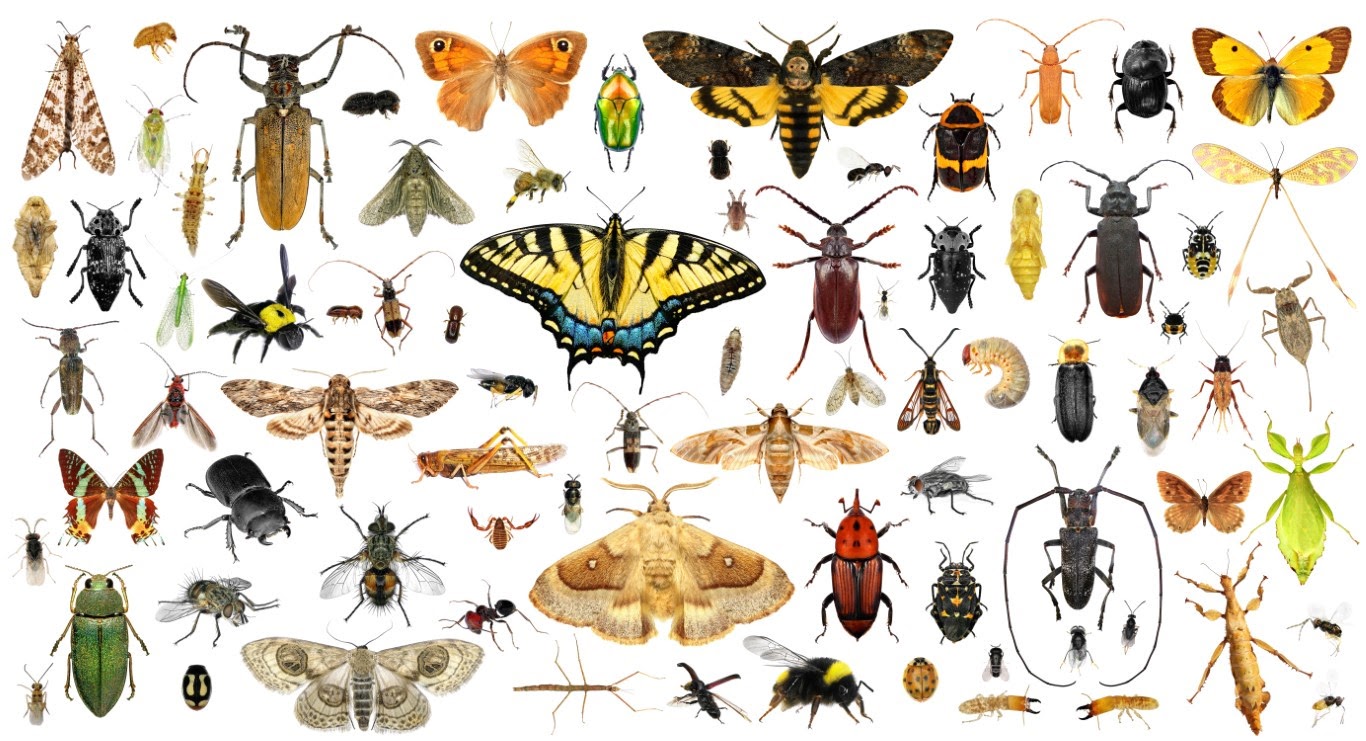
Insects may be small enough to fit on a fingertip, but they run some of the biggest systems on Earth. They pollinate crops, recycle nutrients, spread diseases, and provide food for countless animals. Because they are everywhere and respond quickly to change, insects are also perfect subjects for science and technology. Studying them has taught us basic biology, and trying to manage them has pushed researchers to invent new tools that can track, measure, and even mimic what bugs do naturally.
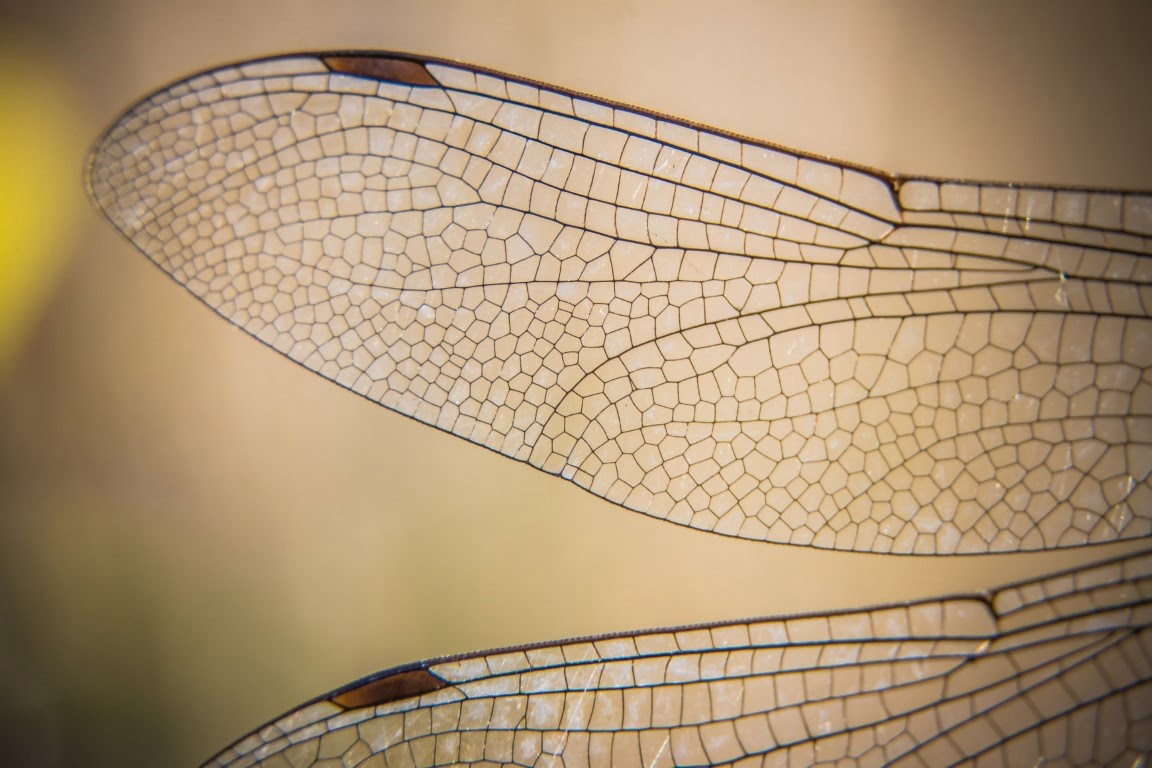
A lot of insect success starts with their body plan. The exoskeleton is a lightweight suit of armor made mostly of chitin, layered in ways that can be tough, flexible, or water resistant depending on the body part. Engineers study these structures to design better coatings, impact resistant materials, and even new ways to build lightweight robots. Wings are another marvel. Many insects beat their wings far faster than birds can, using clever mechanics that store and release energy like springs. This has inspired tiny flying robots and drones that can hover, maneuver in tight spaces, and potentially help with tasks like search and rescue or crop monitoring.
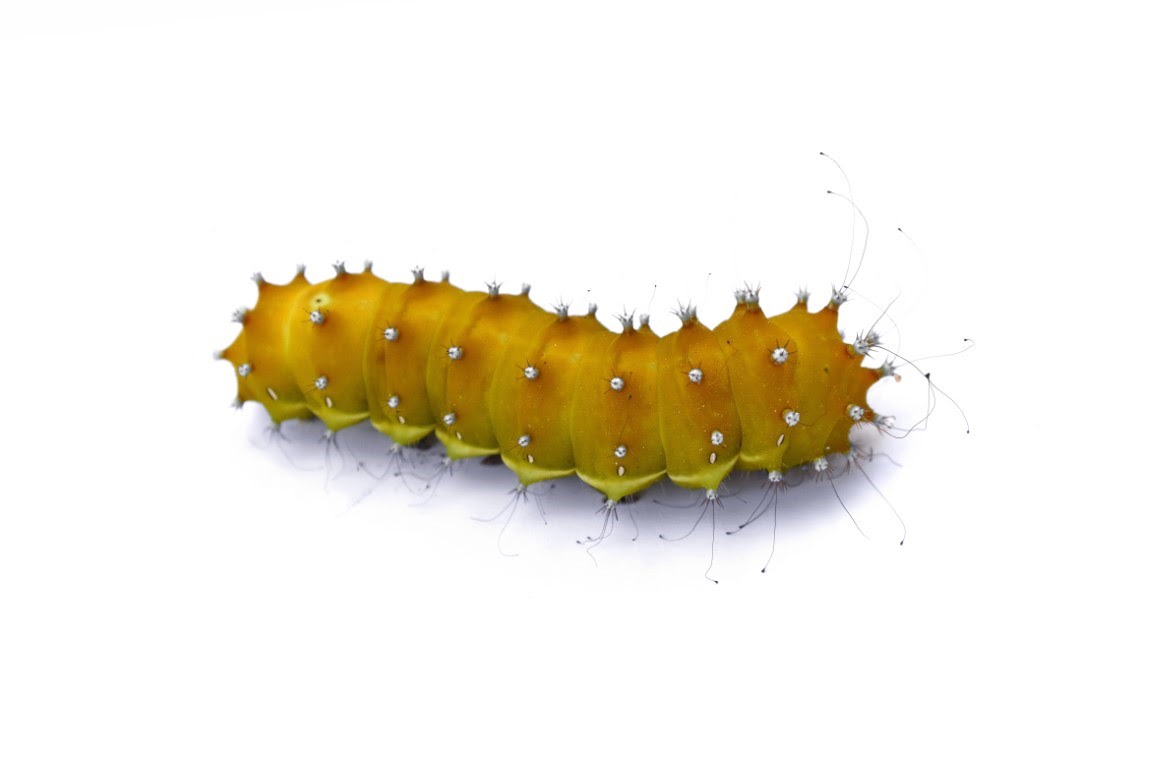
Metamorphosis is one of the most dramatic biological transformations in nature. A caterpillar turning into a butterfly is not just a makeover; it is a full rebuild, with tissues breaking down and reorganizing into a new form. Understanding the hormones and genes that control these stages helps scientists predict insect population booms and improve pest management. It also offers clues about regeneration and development that reach beyond insects.
Insects also communicate in ways that are both familiar and alien. Bees use a dance to tell nestmates where food is, encoding distance and direction with body movements. Many moths and ants rely on chemical signals called pheromones, which can travel far or linger on surfaces like invisible ink. Humans have learned to intercept these messages. Farmers use pheromone traps to monitor pests and sometimes to confuse them, reducing mating and lowering the need for broad pesticide sprays.
When pests or disease vectors must be controlled, technology can get surprisingly sophisticated. One approach is the sterile insect technique, where large numbers of males are raised, sterilized, and released so that wild females produce no viable offspring. This method has helped suppress certain fruit flies and has been used against mosquitoes in some regions. Because it targets a species without leaving chemical residues, it can be a powerful tool when carefully managed.
To understand insect behavior in the real world, researchers use tracking methods that sound like spy gear. Tiny RFID tags can be glued to bees or beetles to record when they enter or leave a hive or a nest. Harmonic radar can follow insects over longer distances by bouncing signals off a small reflector. In the lab, high speed cameras reveal wing motion that the naked eye cannot see, and advanced imaging can track how an insect moves its legs, feeds, or responds to odors moment by moment.
Public health is another arena where insect science meets innovation. Mosquito surveillance networks combine traps, genetic tests, and mapping software to spot outbreaks early and guide targeted control. Some programs study mosquito saliva and biting patterns to understand disease transmission risk. Others explore biological control, such as using natural predators or microbes that reduce a mosquito’s ability to carry viruses.
The more we learn, the more insects look like living laboratories for problem solving. They show how to build strong materials with minimal weight, how to coordinate groups without a leader, and how to adapt quickly to new challenges. Thinking like an insect researcher means noticing small details, asking big questions, and using creative tools to turn tiny creatures into outsized sources of knowledge.