Microscopes and Marvels Insect Science Trivia


Quiz Complete!
Microscopes and Marvels: How Insects Keep Rewriting Science
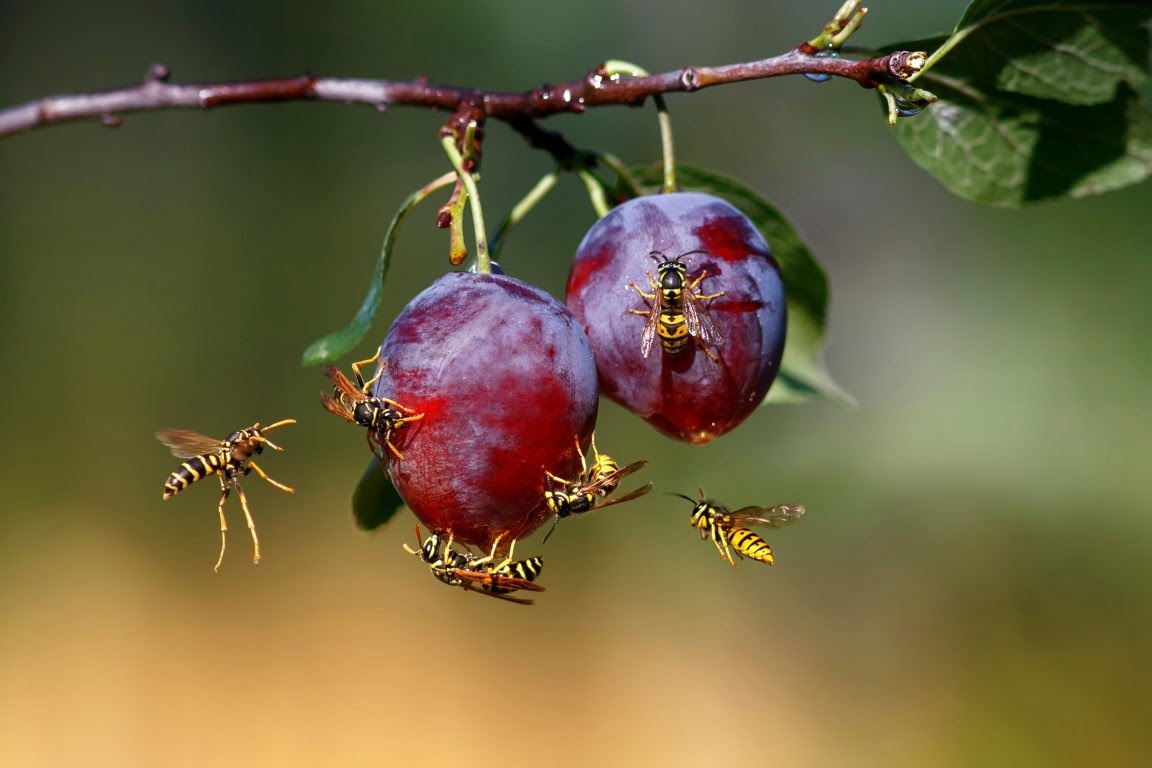
Insects may be small, but they have repeatedly pushed science forward, sometimes by serving as ideal research subjects and other times by inspiring technologies that mimic their tricks. Their bodies are compact engineering solutions shaped by millions of years of evolution, and their behaviors solve problems that humans still struggle with: efficient communication, resilient construction, clever chemistry, and navigation with minimal resources.
Some of the most influential breakthroughs in modern biology came from insect labs. The fruit fly, Drosophila melanogaster, became a cornerstone of genetics because it breeds quickly, has visible traits that can be tracked, and is easy to keep in large numbers. Early geneticists used it to show that genes are carried on chromosomes and to map how traits are inherited. Later, fruit flies helped reveal the genetic programs that guide development, including how embryos establish body plans. These discoveries did not stay in the insect world; they shaped how scientists understand human biology, birth defects, and the logic of gene regulation.
Insect communication can sound like science fiction until you see how it works. Honeybees perform the famous waggle dance to share the direction and distance of food sources. The dance encodes information using the angle relative to the sun and the duration of the waggle. This is not just a charming natural history fact; it has influenced how researchers think about symbolic communication in animals and has inspired approaches in robotics and optimization, where a group can explore options and share results efficiently.
Ants, meanwhile, are masters of collective engineering. Some species build living bridges and rafts by linking their bodies, forming structures that can adapt instantly to changing conditions. Others create vast underground nests with ventilation systems that regulate temperature and carbon dioxide, a reminder that “architecture” does not require blueprints. Computer scientists have borrowed from ant foraging to create ant colony optimization algorithms, which use simple rules and virtual pheromone trails to find good solutions to complex routing and scheduling problems.
Beetles and other desert insects have taught engineers how to manage water when it is scarce. Certain beetles can collect moisture from fog using textured surfaces that encourage droplets to form and roll toward the mouth. This concept has influenced water harvesting designs and surface coatings. The insect exoskeleton also offers lessons in materials science: it is lightweight yet tough, built from chitin fibers arranged in layered patterns. Researchers study these structures to design composites that resist cracking while staying light.
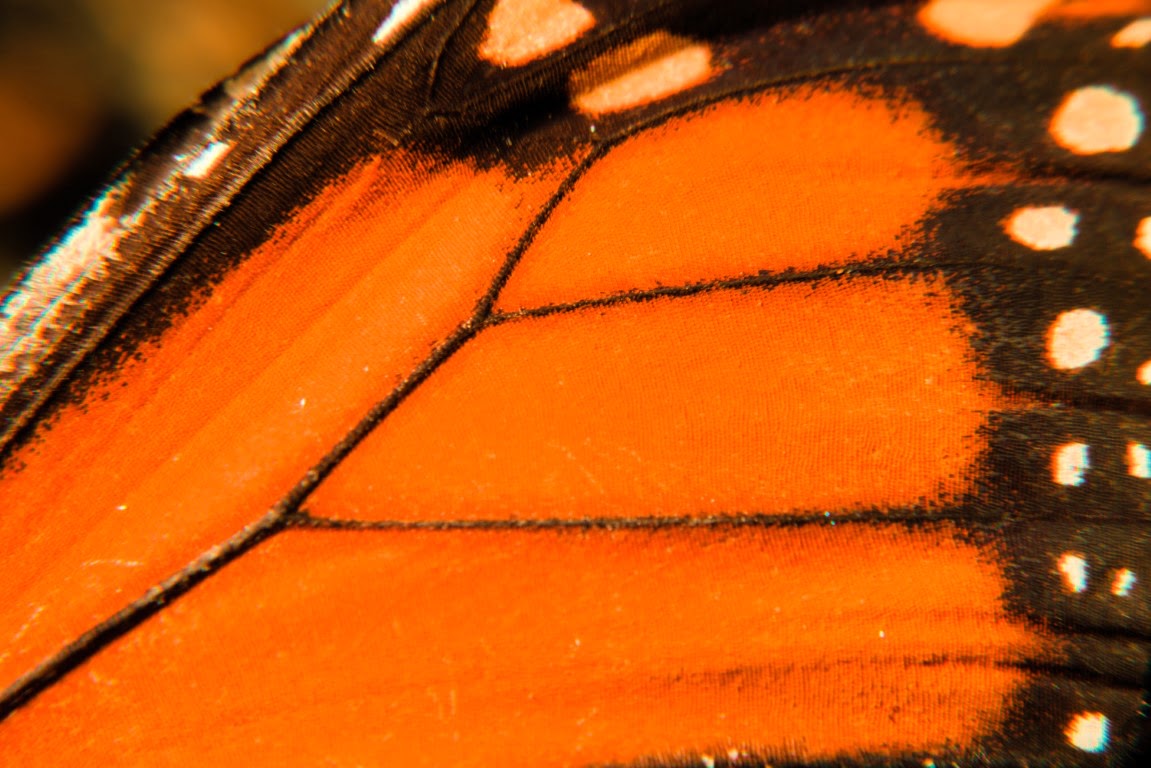
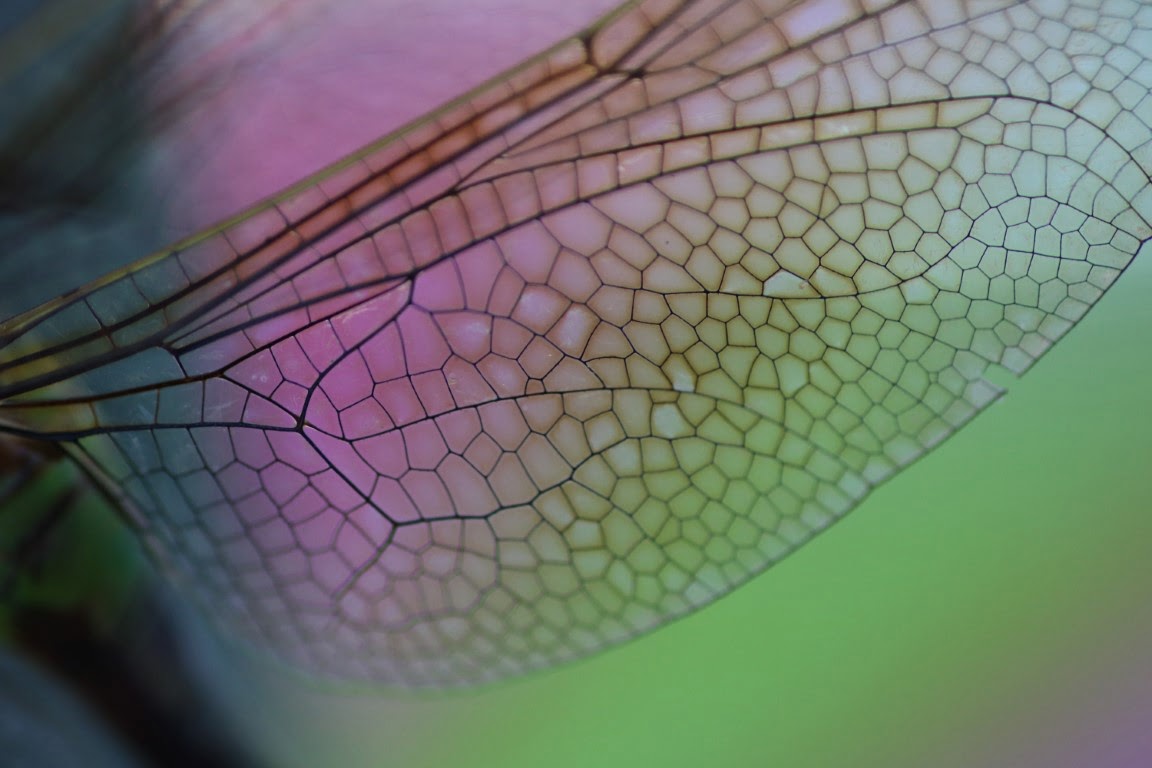
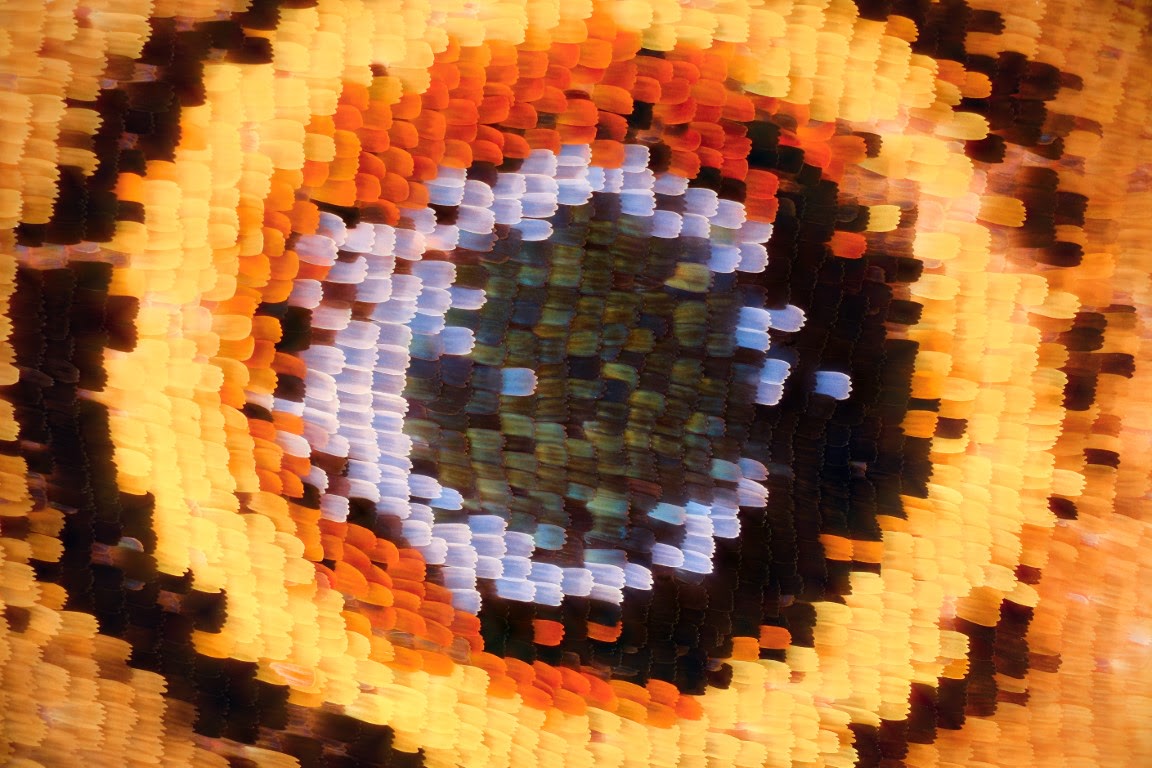
Insect chemistry is another treasure chest. Many insects produce powerful adhesives, repellents, and antimicrobial compounds. The way some beetles and ants generate defensive sprays has informed safer chemical delivery ideas, while the microscopic structures that make butterfly wings shimmer have inspired color without dyes, useful for anti-counterfeiting features and low-energy displays. Even the way moth eyes reduce reflections has guided anti-glare coatings for lenses and solar panels.
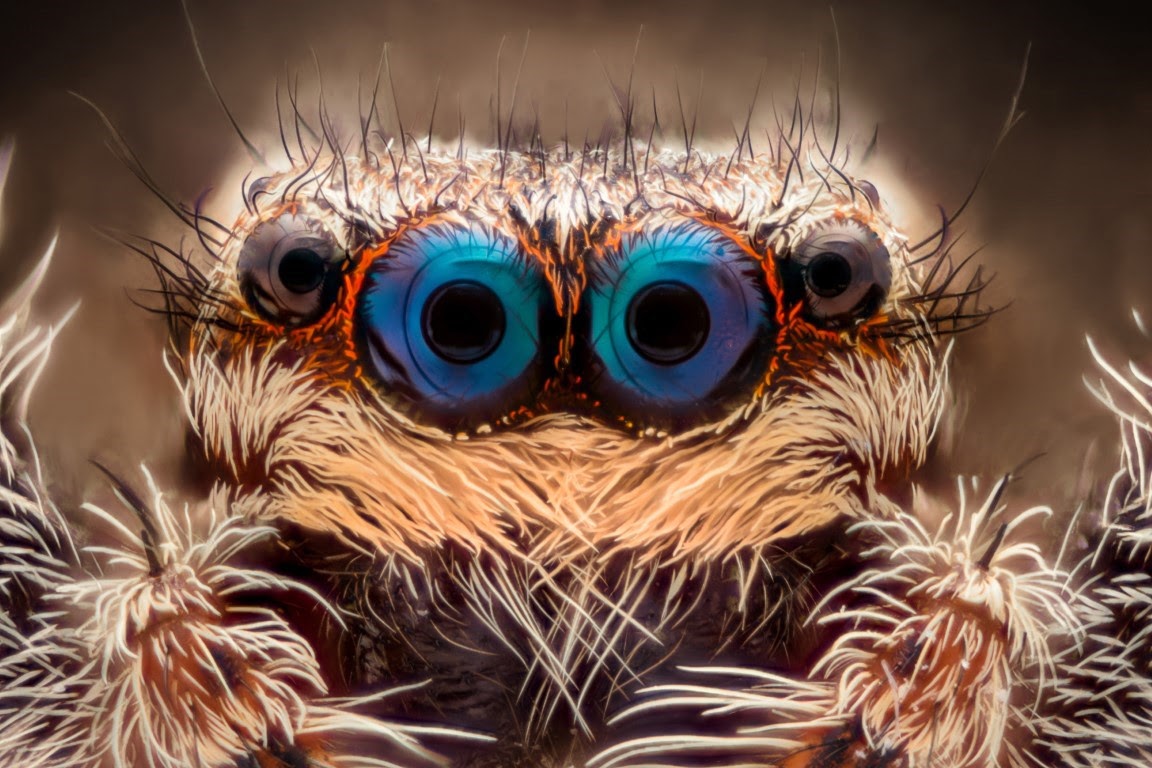
To uncover these secrets, scientists rely on tools that can read insect lives in extraordinary detail. High-speed cameras reveal wingbeats too fast for the human eye, showing how tiny changes in wing angle create lift and maneuverability. Electron microscopes expose nanoscale textures on eyes, wings, and feet. Micro-CT scanning lets researchers see inside an insect without cutting it open, mapping muscles, air tubes, and even how mouthparts are arranged for specialized diets. Genetic sequencing and gene-editing tools allow scientists to connect traits to specific genes, turning insects into living testbeds for understanding how biology builds functional designs.
What makes insect science so compelling is the constant trade between curiosity and usefulness. A question that begins with “Why does this insect do that?” can end up informing medicine, computing, or manufacturing. Insects are not just background buzz in the natural world; they are a library of solutions, and modern science keeps finding new ways to read the pages.