Latitude Lab Where Science Meets Place




Quiz Complete!
Latitude Lab: Where Science Meets Place
Some scientific ideas make the most sense when you can point to the exact spot on Earth where they were tested, measured, or first noticed. Geography is not just a backdrop for discovery; it is often the reason the discovery was possible at all. When you connect science to location, the planet turns into a network of natural laboratories, each with its own conditions, hazards, and advantages.
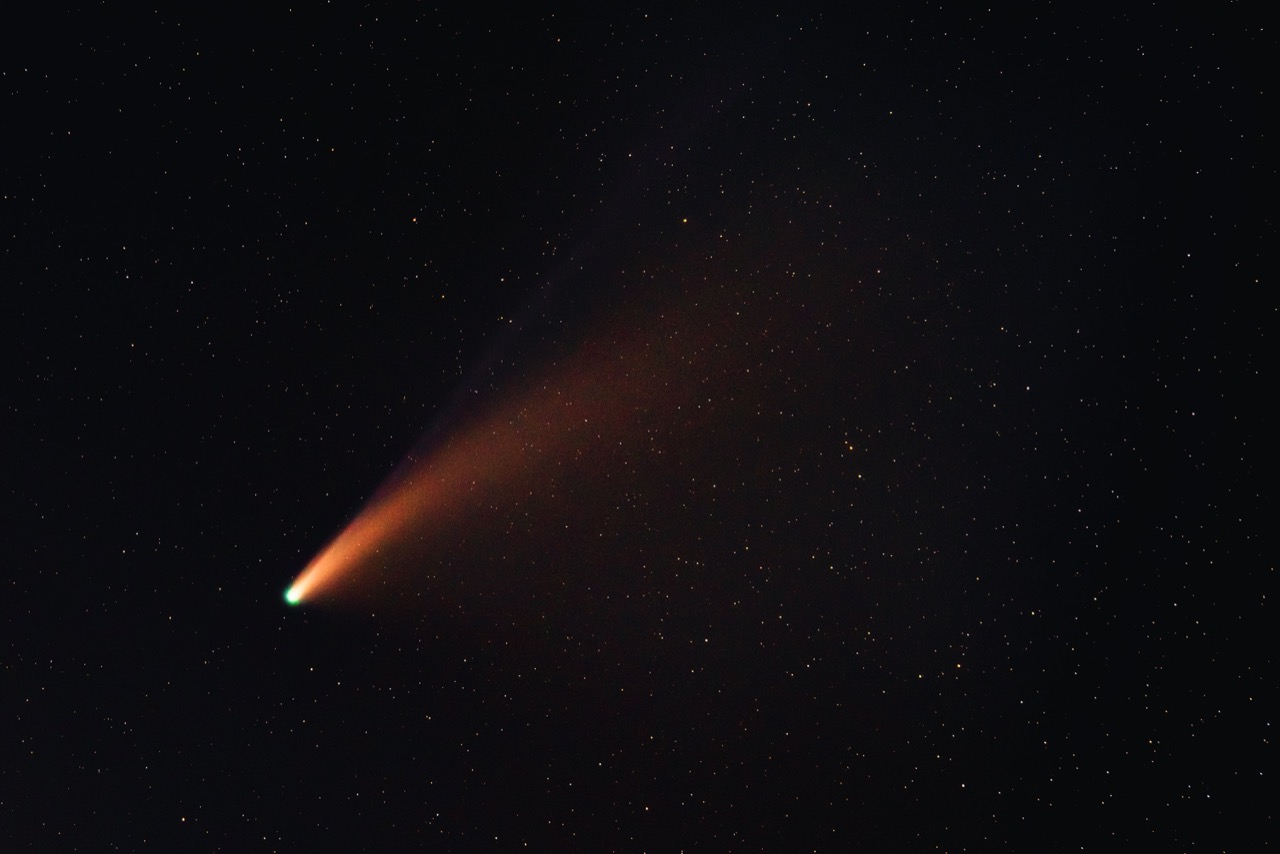
Astronomy offers some of the clearest examples. The best observatories are built where the atmosphere is thin, dry, and steady, because water vapor and turbulence blur starlight. That is why volcanic peaks such as Mauna Kea in Hawaii and the summits of northern Chile host world class telescopes. The Atacama Desert is so dry that it resembles Mars in places, and its high plateaus support instruments that listen for faint signals from the early universe. Even the choice of latitude matters: nearer the equator, you can see more of both the northern and southern skies over the course of a year.
Earth science is equally place bound. Iceland sits on the Mid Atlantic Ridge, where two tectonic plates pull apart, letting magma reach the surface. It is one of the few places where a major plate boundary is visible above sea level, making it ideal for studying rifting, volcanic hazards, and geothermal energy. Japan and the Pacific Northwest of North America, positioned near subduction zones, have driven advances in earthquake engineering and early warning systems because the ground there regularly reminds people what the planet is doing beneath their feet.
Climate science also leans on iconic locations. Antarctica is a deep freeze archive: ice cores drilled there contain tiny bubbles of ancient air, allowing researchers to reconstruct greenhouse gas levels and temperatures going back hundreds of thousands of years. In the Arctic, sea ice acts like a reflective shield; as it shrinks, darker ocean water absorbs more sunlight, amplifying warming. Meanwhile, the tropics teach different lessons. The equatorial Pacific is the stage for El Nino and La Nina, shifts in ocean temperature that can alter rainfall patterns from South America to Africa. The phenomenon is tied to trade winds and ocean currents, so it is a reminder that weather is local but climate is connected.
Some places shape science through measurement and standards rather than natural conditions. In the nineteenth century, scientists and surveyors worked across Europe to refine maps and define units with unprecedented precision. The prime meridian was ultimately fixed at Greenwich in London, not because it was the only sensible choice, but because navigation, timekeeping, and international agreement needed a single reference line. Accurate longitude at sea depended on reliable clocks, and the push to solve that problem produced better instruments and a new relationship between time and place.
Even seas and coasts can lend their names to puzzles. The Mediterranean has long been a natural lab for studying evaporation and salinity because it loses more water to the air than it gains from rivers, becoming saltier than the Atlantic. Narrow straits and semi enclosed basins help scientists trace how water masses mix, sink, and circulate, offering clues that scale up to the global ocean conveyor.
When a quiz asks you to match an idea to a location, it is really asking how conditions shape questions. Clear skies, moving plates, frozen archives, and agreed upon reference lines all show that discovery is not only about clever minds. It is also about being in the right place, and knowing what that place can teach you.