Lab Bench Lightning Round Science Basics






Quiz Complete!
Science Basics You Use Every Day, Even Without Noticing

Science can feel like a set of classroom topics, but the basics are really a toolkit for everyday thinking. Start small with atoms, the building blocks of matter. Atoms combine to form molecules, and the way they bond explains why water behaves so strangely. Water molecules are slightly uneven in charge, so they attract each other like tiny magnets. That is why water forms droplets, why it climbs a little in thin tubes, and why ice floats. When water freezes, its molecules lock into an open pattern that takes up more space than liquid water, making ice less dense and letting it float on lakes, insulating the water below.
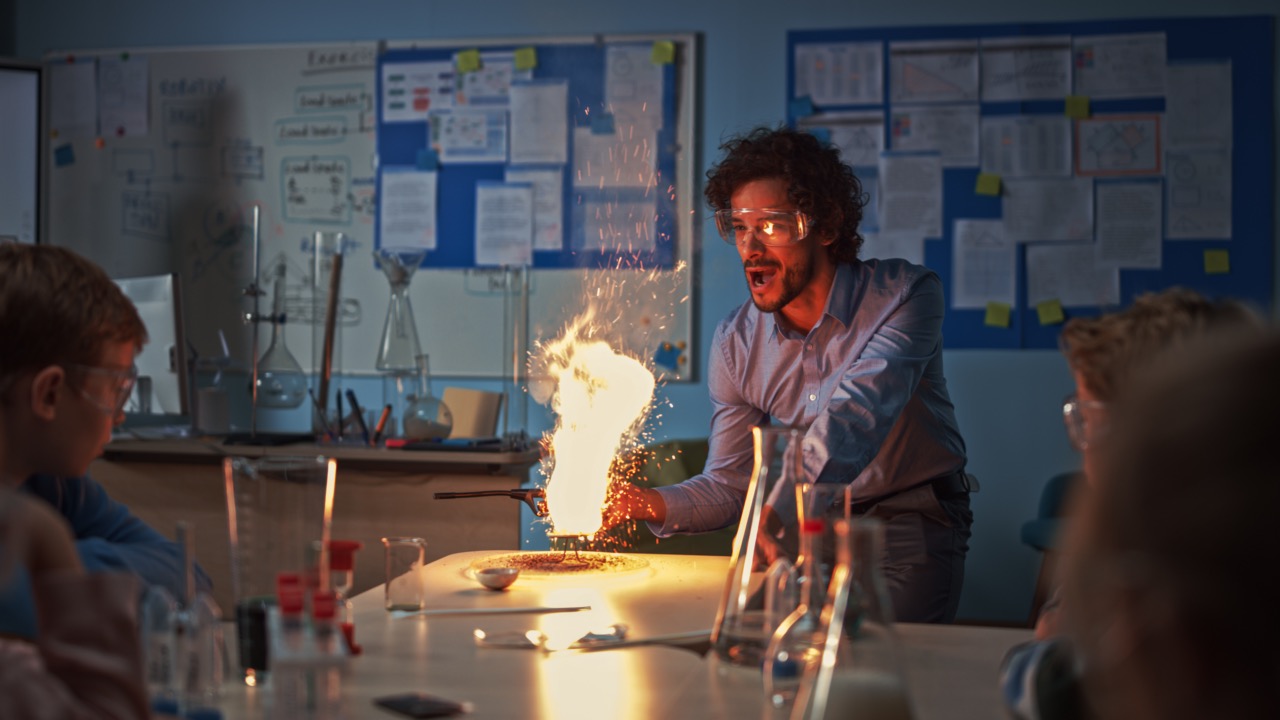
Chemistry also helps you understand reactions you see at home. Rust is iron reacting with oxygen and water, slowly rearranging atoms into a flaky oxide. Baking bread involves yeast turning sugar into carbon dioxide gas, which gets trapped and makes dough rise. Acids and bases are not just lab liquids; they show up in citrus fruit, cleaning products, and your own stomach. The pH scale measures how acidic something is, and small changes on that scale matter because it is logarithmic. A drop from pH 7 to pH 6 is not a tiny shift; it is ten times more acidic.
Biology begins with cells, the smallest units of life. Your body is a community of specialized cells that cooperate: muscle cells contract, nerve cells carry signals, and red blood cells transport oxygen. DNA is the instruction set cells use to build proteins, and proteins do most of the work in living things, from digesting food to building tissues. Photosynthesis in plants is another core idea with huge impact: plants use sunlight to turn carbon dioxide and water into sugars and oxygen. The oxygen you breathe and much of the food you eat trace back to that process.
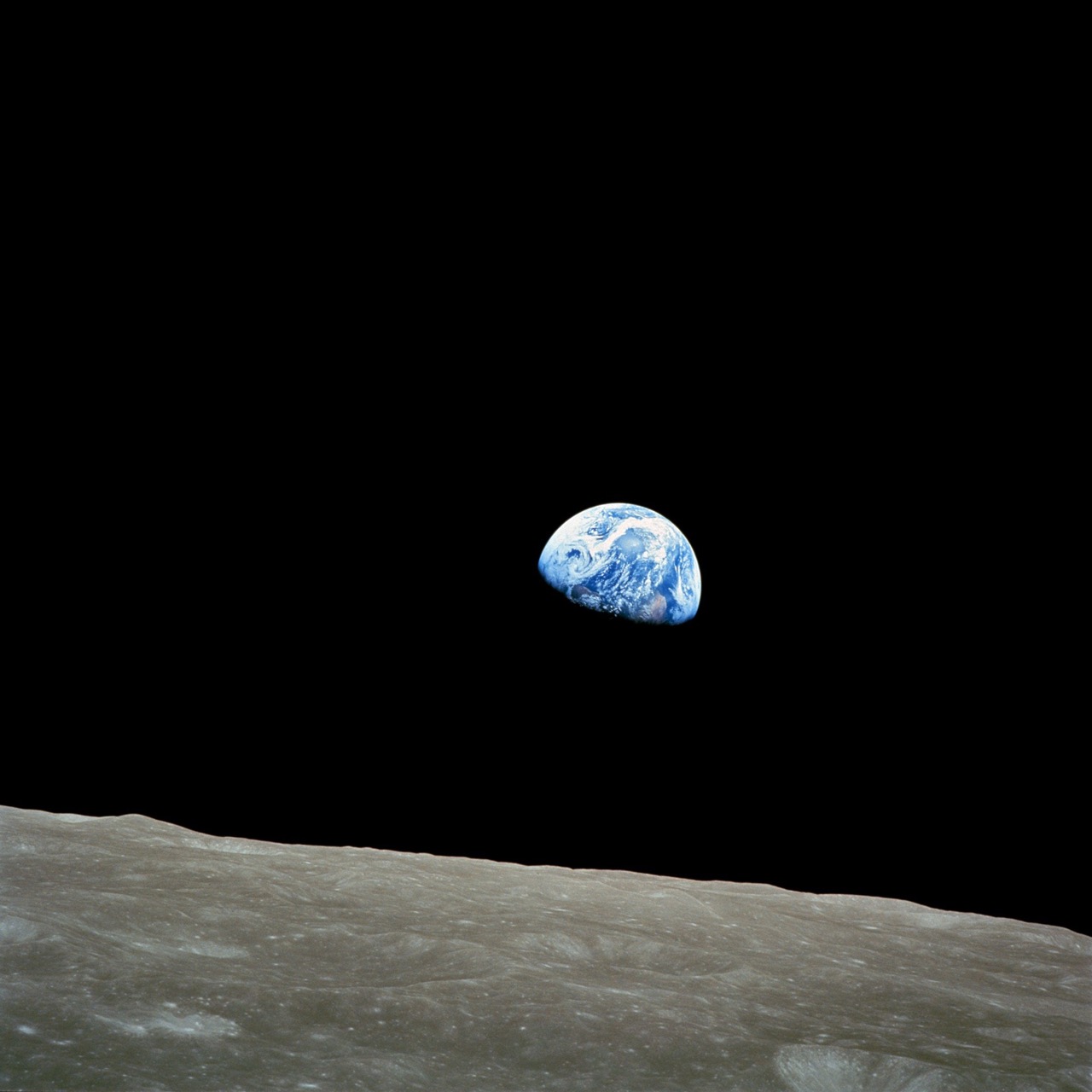
Physics ties these ideas together with forces and energy. Gravity pulls you toward Earth, but it also keeps the Moon in orbit and shapes the paths of planets. Friction is why you can walk without slipping, but it also wastes energy as heat in engines and brakes. Energy itself comes in many forms, yet it is conserved: it can change from chemical energy in food to mechanical energy in motion, or from electrical energy in a phone battery to light and sound. Heat is energy moving from warmer to cooler objects, and temperature is a measure related to the average motion of particles. That is why metal feels colder than wood at the same room temperature: metal conducts heat away from your skin faster.
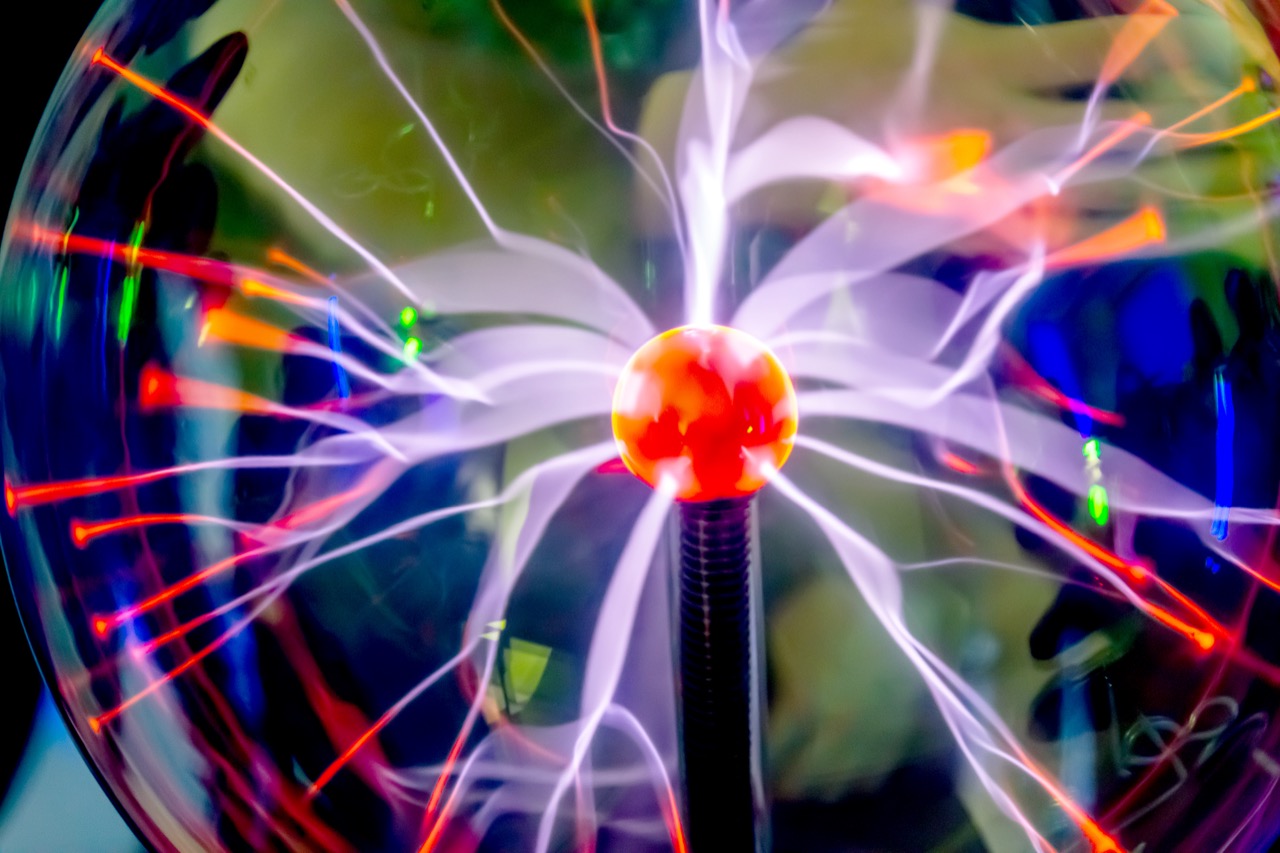
Electricity and magnetism explain much of modern technology. Electric current is the flow of charged particles, usually electrons in a wire. Metals conduct well because some electrons are free to move through the material. Insulators like rubber hold electrons tightly, which is why they are used to protect you from shocks. Circuits need a complete loop; break the loop and the current stops, which is the simple logic behind switches.
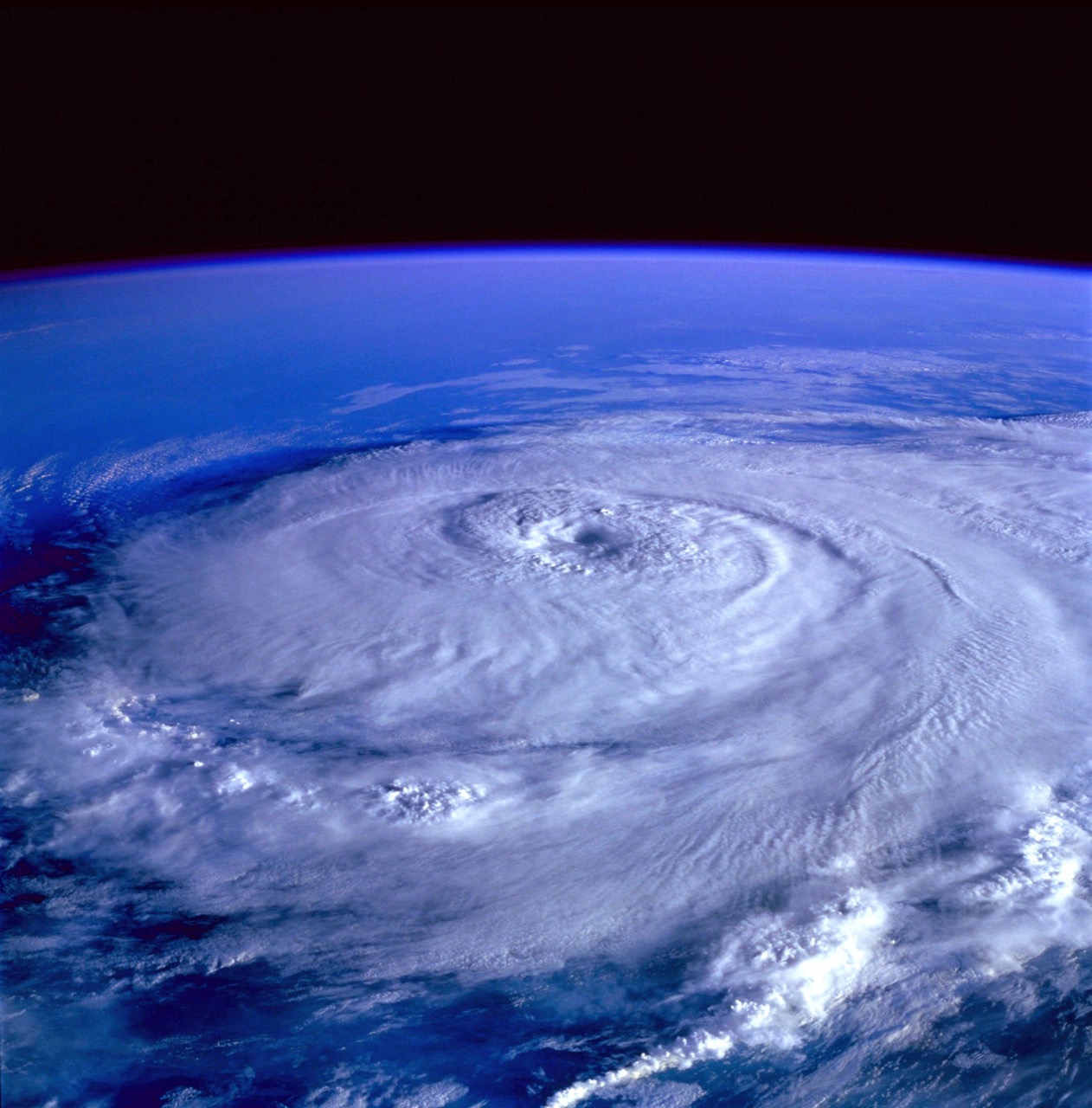
Earth science and astronomy connect your daily weather to the wider universe. Seasons are not caused by Earth being closer to the Sun in summer. They happen because Earth is tilted, changing how directly sunlight hits each hemisphere and how long days last. Weather comes from uneven heating of Earth, which drives moving air and water. Clouds form when warm, moist air rises, cools, and water vapor condenses onto tiny particles in the air. Looking up, you see stars that are enormous balls of hot gas powered by nuclear fusion, turning hydrogen into helium and releasing vast energy. The same physics that governs a falling apple also governs orbiting satellites and distant galaxies, which is a good reminder that science basics are not trivia. They are a way to read the world clearly, one observation at a time.