Buzzworthy Bug Celebrities and Record Holders
Quiz Complete!
Buzzworthy Bug Celebrities and Record Holders
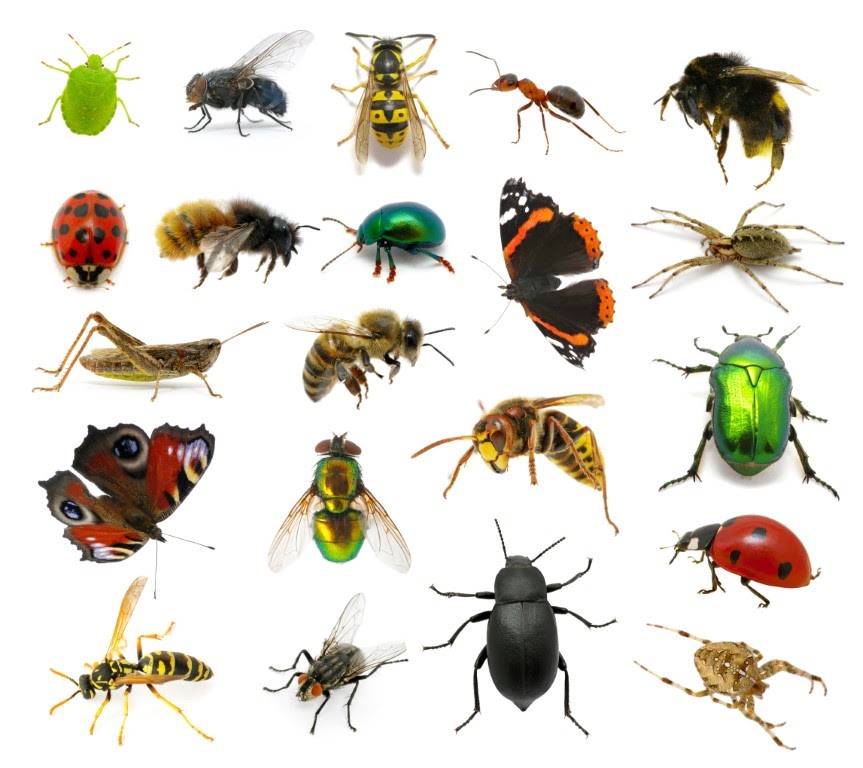
Insects have a rare talent for living in two worlds at once: the real one, where they pollinate crops and recycle nutrients, and the imagined one, where they star in stories, symbols, and movies. Some of the most recognizable “bug celebrities” are based on real biology, while others borrow just enough truth to feel believable. Knowing which is which is part of the fun, and it also reveals how extraordinary insects are without any fictional help.
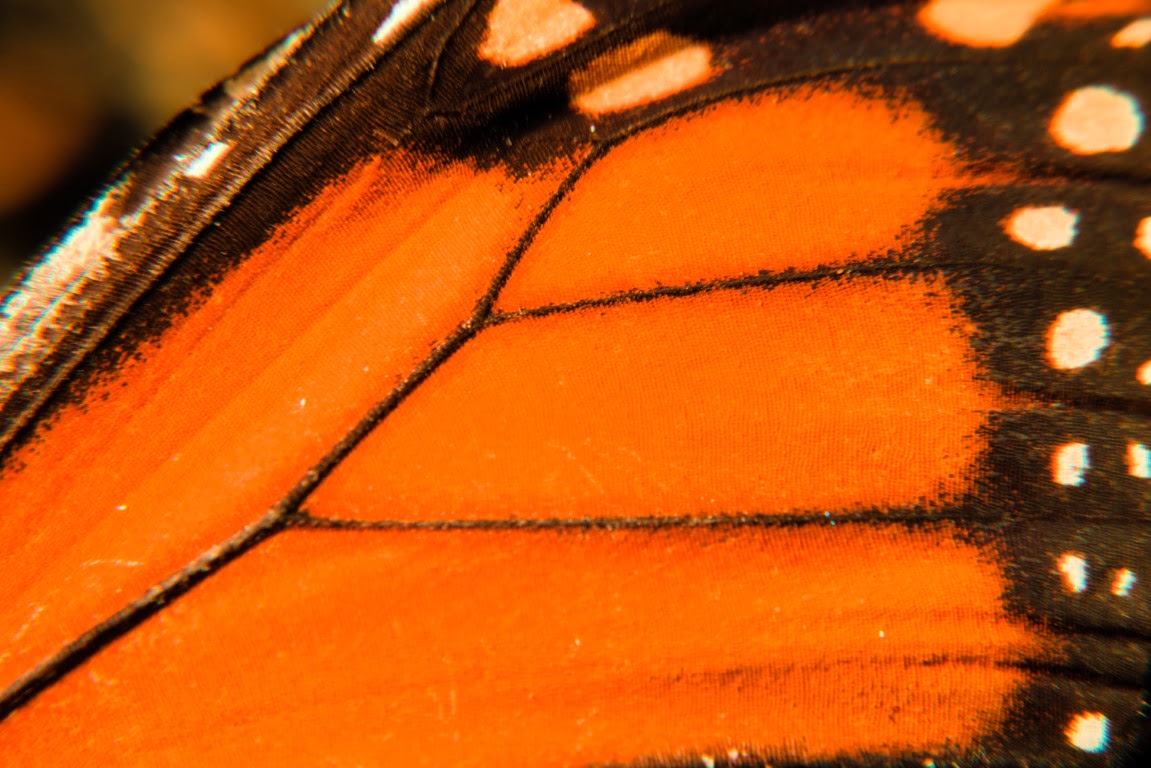
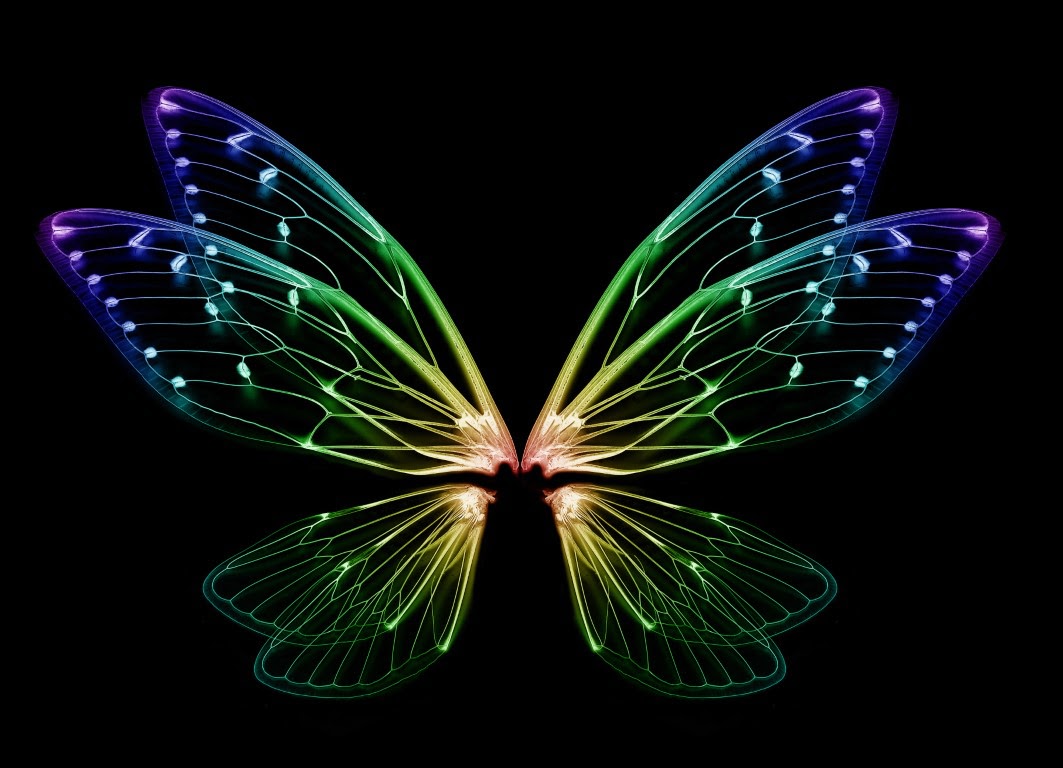
Butterflies may be the best ambassadors for insect fame. The monarch is a genuine record holder, famous for a multigenerational migration across North America. No single monarch completes the entire round trip; instead, several generations share the journey, with a late-season generation living longer and traveling farthest to overwintering sites. That life history feels like a plot twist, but it is well documented. Another butterfly known for epic travel is the painted lady, which can move across continents in huge numbers, reminding us that migration is not only a bird story.
Bees occupy a special place in both agriculture and popular culture. The honey bee is celebrated for its waggle dance, a real communication system that encodes direction and distance to food sources. While honey bees often get the spotlight, many native bees are equally vital pollinators. Bumblebees, for example, can “buzz pollinate” by vibrating flowers to release pollen, a trick especially important for crops like tomatoes. In stories, bees are sometimes portrayed as tiny factory workers, and there is a grain of truth there: the hive functions through division of labor, but individuals are flexible and respond to colony needs rather than following a fixed script.
Ants are the champions of teamwork in the public imagination, and nature backs that up with astonishing examples. Leafcutter ants are not actually eating the leaves they carry; they are farming a fungus on chewed plant material, tending it like gardeners and feeding it to their larvae. Other ants have formed partnerships with aphids, protecting them in exchange for sugary honeydew, a relationship sometimes compared to herding. Army ants, meanwhile, are famous for massive coordinated raids, and many animals have evolved to follow them and snatch prey flushed by the swarm.
If you want an insect that feels like science fiction, consider the periodical cicadas. Some species spend 13 or 17 years underground as nymphs and then emerge in synchronized waves so large they can dominate the soundscape. Their strategy is partly about safety in numbers: by overwhelming predators with sheer abundance, more individuals survive to reproduce. Speaking of sound, some cicadas rank among the loudest insects, producing calls that can rival the volume of nearby machinery at close range.
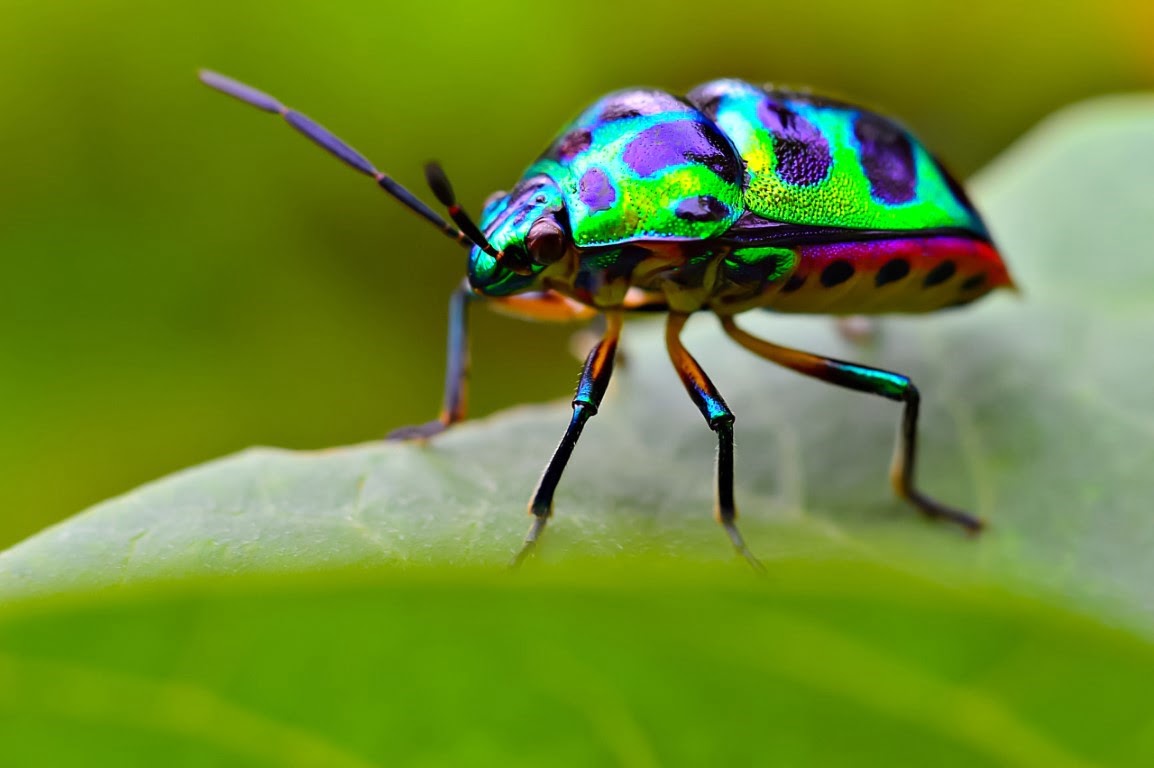
Beetles supply both cultural icons and biological superlatives. Fireflies, which are actually beetles, became symbols of summer evenings thanks to their bioluminescent courtship signals. Those flashes are not just pretty; they are species specific codes, and in some cases females mimic other species’ signals to lure unsuspecting males. Then there are the strength legends: certain rhinoceros beetles can move objects many times their own weight, a feat made possible by their body design and the physics of small size.
Insect fame also includes helpful heroes and notorious pests. Ladybugs are beloved because many species eat aphids and other plant damaging insects, making them allies in gardens and farms. On the other hand, locust swarms, which are a phase of certain grasshoppers, can transform landscapes and livelihoods, showing how insect behavior can shift dramatically when conditions trigger crowding.
The next time a quiz asks you to match an insect to a record, a symbol, or a story, it helps to remember that the truth is often stranger than the myth. Insects have earned their celebrity status the old fashioned way: by being everywhere, doing the impossible at small scale, and leaving humans equal parts grateful, curious, and amazed.