Forks, Fame, and Foodfight Scandals

Quiz Complete!
Forks, Fame, and Foodfight Scandals: Why Public Eating Turns Into Headlines
Food is one of the fastest ways for celebrities and creators to seem relatable. Everyone eats, everyone has cravings, and a casual bite on camera can feel more honest than a polished red carpet pose. Yet the moment food becomes content, it also becomes a test of manners, authenticity, and power. A snack can trigger backlash about health messaging, cultural respect, labor, or simple decency. In the attention economy, the smallest eating moment can be amplified into a scandal.
One recurring flashpoint is the awkward interview bite. Talk shows and street interviews love putting guests on the spot with bizarre snacks or spicy challenges because discomfort reads as entertainment. The problem is that the joke often relies on humiliation. When a guest struggles with heat, texture, or an unfamiliar ingredient, viewers may read it as disrespectful to a culture, a food tradition, or the guest’s boundaries. Even when everyone is laughing, the clip can circulate without context and become a referendum on whether the celebrity is rude, sheltered, or performative.
Brand deals create a different kind of mess. Food sponsorships are everywhere because they are easy to integrate: a drink in hand, a bite on camera, a discount code in the caption. But audiences are increasingly skilled at spotting ads, and they dislike feeling tricked. If a creator claims a product is their favorite and then forgets basic details, old posts can resurface to show they once disliked it. Some countries require clear disclosure of paid promotions, and regulators have fined influencers and companies for hiding ads. Even when legal boxes are checked, a partnership can backfire if the product is tied to health concerns, misleading nutrition claims, or a company’s labor practices.
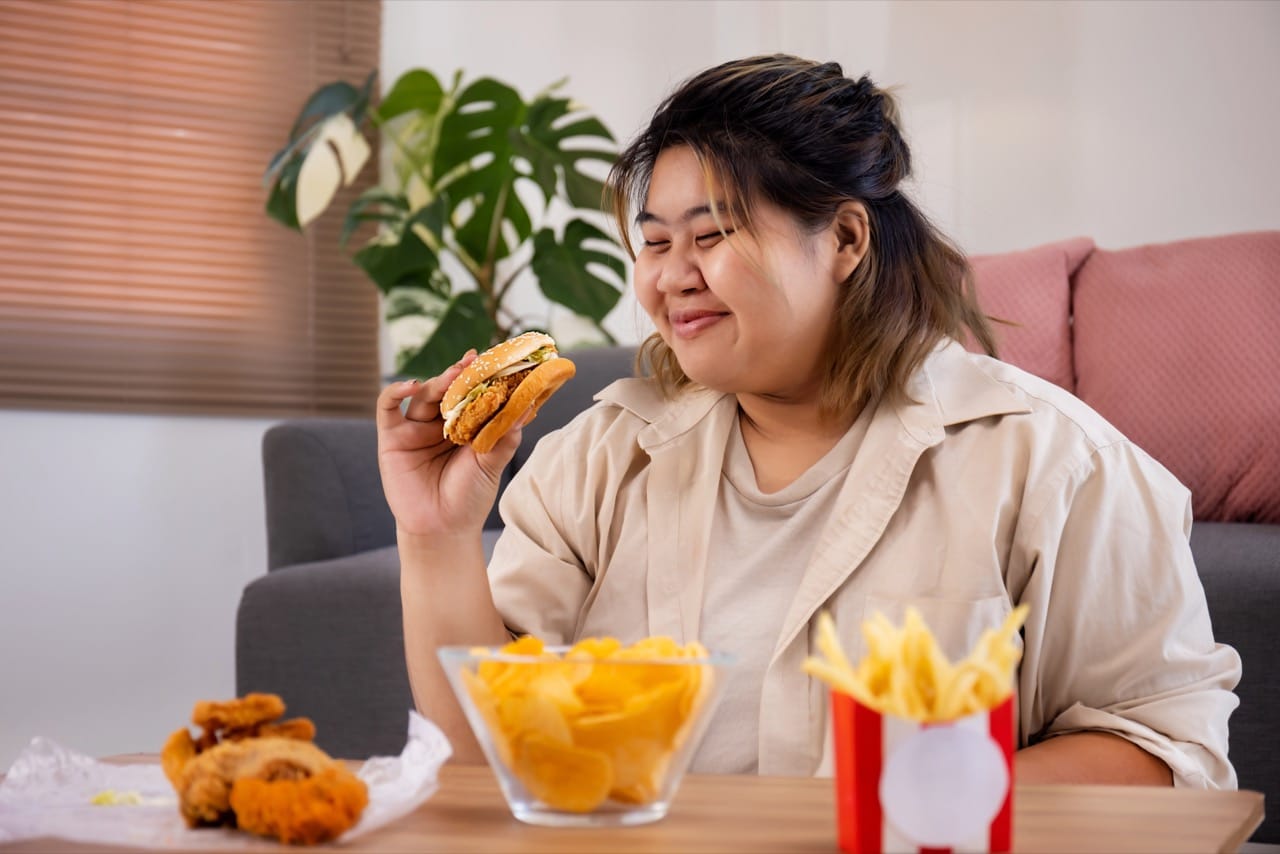
Mukbang culture shows how quickly food content can swing from comforting to controversial. The genre began as a social experience, often featuring conversation and a sense of eating together. As it grew, extremes became more common: huge portions, rapid eating, and escalating shock value. That raises concerns about disordered eating, waste, and the pressure on creators to push their bodies for views. Some platforms have restricted certain binge style content, and public debate often centers on whether the videos normalize unhealthy habits or exploit viewers’ insecurities. There have also been viral blowups involving alleged manipulation, staged relationships, or accusations that a creator is faking how much they actually consume.
Authenticity is another battleground. Audiences like food content because it promises real reactions, real cravings, and real cultural connection. That is why they react strongly to signs of staging, such as suspiciously untouched plates after a supposed feast, or editing that hides what was actually eaten. Restaurant reviews can create drama too. A single viral complaint can harm a small business, while defensive responses from owners can escalate the situation. The most responsible creators show receipts, clarify what was comped, and acknowledge that one visit is not the whole story.
Cultural appropriation debates frequently involve food because dishes carry history. Problems arise when someone profits from a cuisine while misnaming it, mocking it, or erasing the people who made it famous. A recipe presented as a new discovery can anger communities who have cooked it for generations. Even packaging and branding can be criticized for stereotypes. On the flip side, genuine curiosity and credit can build bridges. The difference is often respect: learning names, citing sources, and avoiding costumes or caricatures.
Public eating scandals endure because they are about more than taste. They reveal who gets to define what is normal, who profits from a culture, and how far people will go for attention. The next time a clip of a messy bite explodes online, it helps to ask simple questions: Who benefits, who is being laughed at, and what is being sold along with the snack?