Stir, Sip, Repeat Coffee Crossover Trivia










Quiz Complete!
Stir, Sip, Repeat: The Surprising Crossovers Hidden in Your Coffee Cup

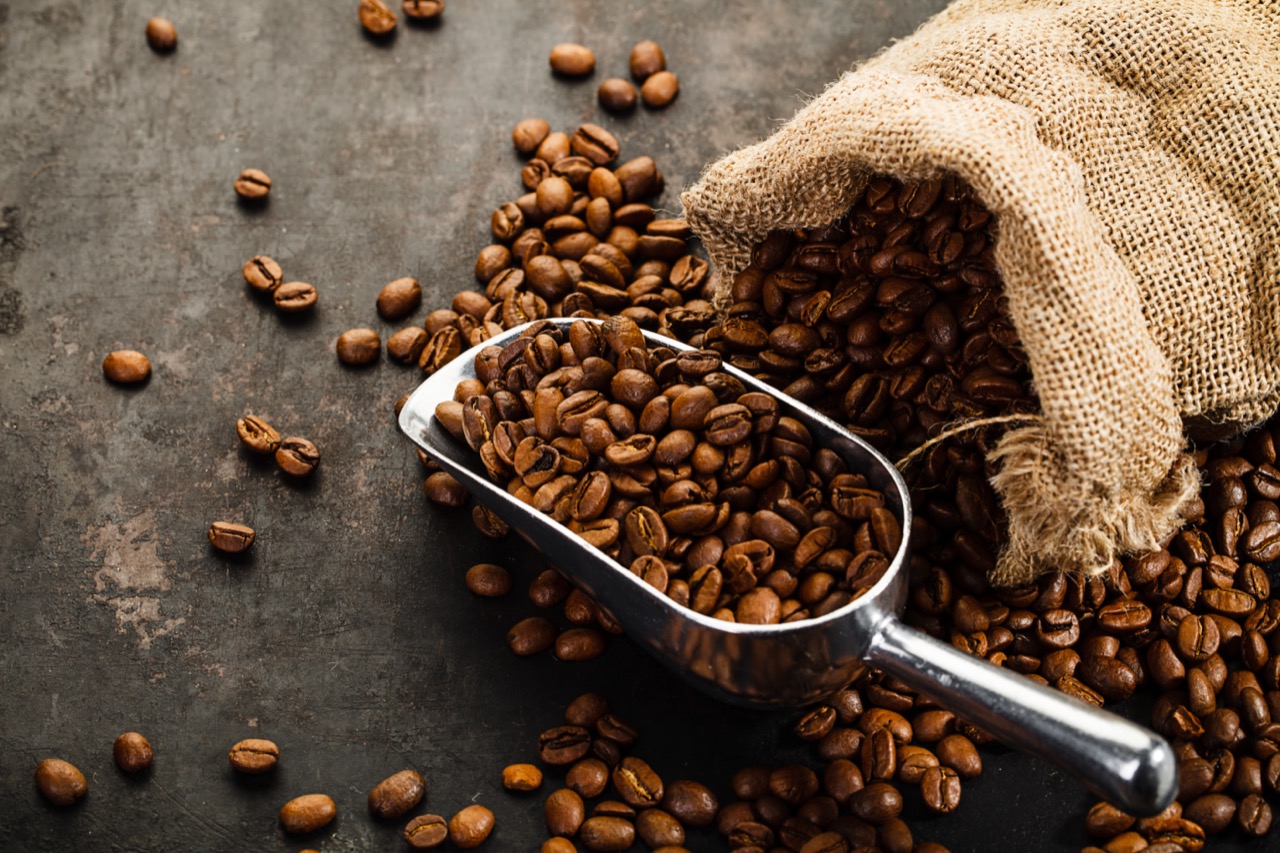
Coffee looks simple in the mug, but it is really a crossroads of geography, chemistry, language, and history. The most repeated origin story begins in Ethiopia, where legend credits a goatherd noticing extra energy in his animals after they ate red coffee cherries. Whether or not that tale is literal, Ethiopia is a real center of coffee diversity, with many distinct local varieties. From there, coffee’s spread through the Red Sea region and into the wider world followed trade routes and empires, turning a plant into a global habit.
Today, the map of coffee is shaped by climate and economics. Brazil became a giant of production thanks to suitable land, large-scale farming, and historical forces that pushed coffee into plantation agriculture. Colombia built a national identity around arabica quality and mountainous terroir, while Vietnam rose rapidly as a robusta powerhouse, influencing the taste and price of everyday blends. Even the word “coffee” carries a travel history, often traced through Arabic qahwa and Turkish kahve into European languages, a reminder that your order is a linguistic souvenir.
Flavor begins long before brewing, and processing choices can change what you taste as dramatically as a different origin. Washed coffees are typically cleaner and brighter because the fruit is removed before drying, reducing certain ferment-driven flavors. Natural or dry-processed coffees dry with the fruit on, often yielding heavier body and fruitier notes. Honey processing sits between, leaving some sticky mucilage on the bean to influence sweetness and texture. These methods are part science, part tradition, and part local practicality, since water availability and weather matter.
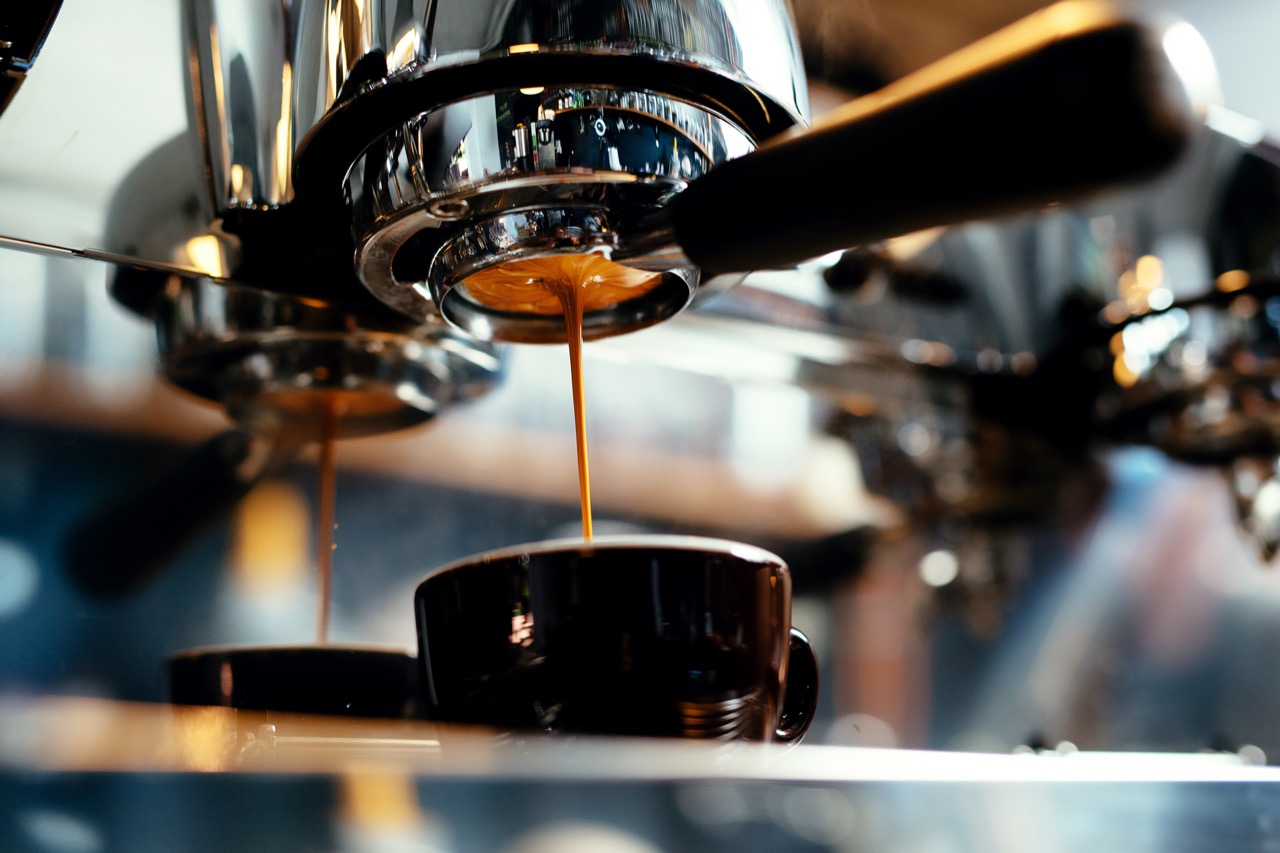
Once roasted, coffee becomes a playground for physics and chemistry. Espresso is not just “strong coffee,” but a carefully engineered extraction: finely ground coffee, high pressure, and precise time create a concentrated drink with a distinctive foam called crema. Crema forms when pressurized carbon dioxide and emulsified oils create a stable layer of bubbles. It can signal freshness and technique, but it is not a simple quality stamp; different beans and roasts produce different crema, and taste matters more than looks.
Milk drinks add another layer of crossover between café culture and food science. Microfoam is created by stretching milk with steam so tiny bubbles and proteins form a silky texture that feels sweet even without added sugar. The difference between a cappuccino, latte, and flat white often comes down to ratios, foam texture, and local tradition, which is why the same name can mean slightly different things in different countries.
Coffeehouses have long been more than places to drink. In parts of the Middle East and Europe, cafés became hubs for debate, news, and creativity, sometimes worrying authorities who saw conversation as a political force. In other eras, coffee fueled long work hours and artistic scenes, linking the drink to music, literature, and the rhythms of city life. Even at home, inventions like the moka pot, drip machines, and modern single-serve systems show how engineering and convenience reshape daily rituals.
From farm decisions to language quirks in your order, coffee connects worlds that rarely seem related. Each sip carries a chain of choices and histories, and that is what makes coffee trivia so satisfying: it turns an everyday drink into a map of human ingenuity and culture.