Aroma Detective Coffee Guessing Quiz










Quiz Complete!
Aroma Detective: How to Read the Clues in Your Coffee Cup

Coffee can feel like a simple comfort, yet every cup is packed with clues. If you pay attention to aroma, texture, and a few menu terms, you can often guess what you are drinking and why it tastes the way it does. The first big clue is roast level. Lighter roasts tend to preserve more of the bean’s original character, so you may notice brighter, fruitier aromas or a tea like finish. Darker roasts develop more roast driven flavors such as cocoa, toasted nuts, or smoky notes, and they often smell more like caramelized sugar than fresh fruit. Contrary to a common myth, darker roasts do not automatically have more caffeine. Roasting can slightly reduce caffeine per bean, and the bigger factor is how you measure. A scoop of light roast beans may weigh more than a scoop of dark roast beans because dark beans are less dense, so caffeine can vary depending on whether you measure by weight or volume.
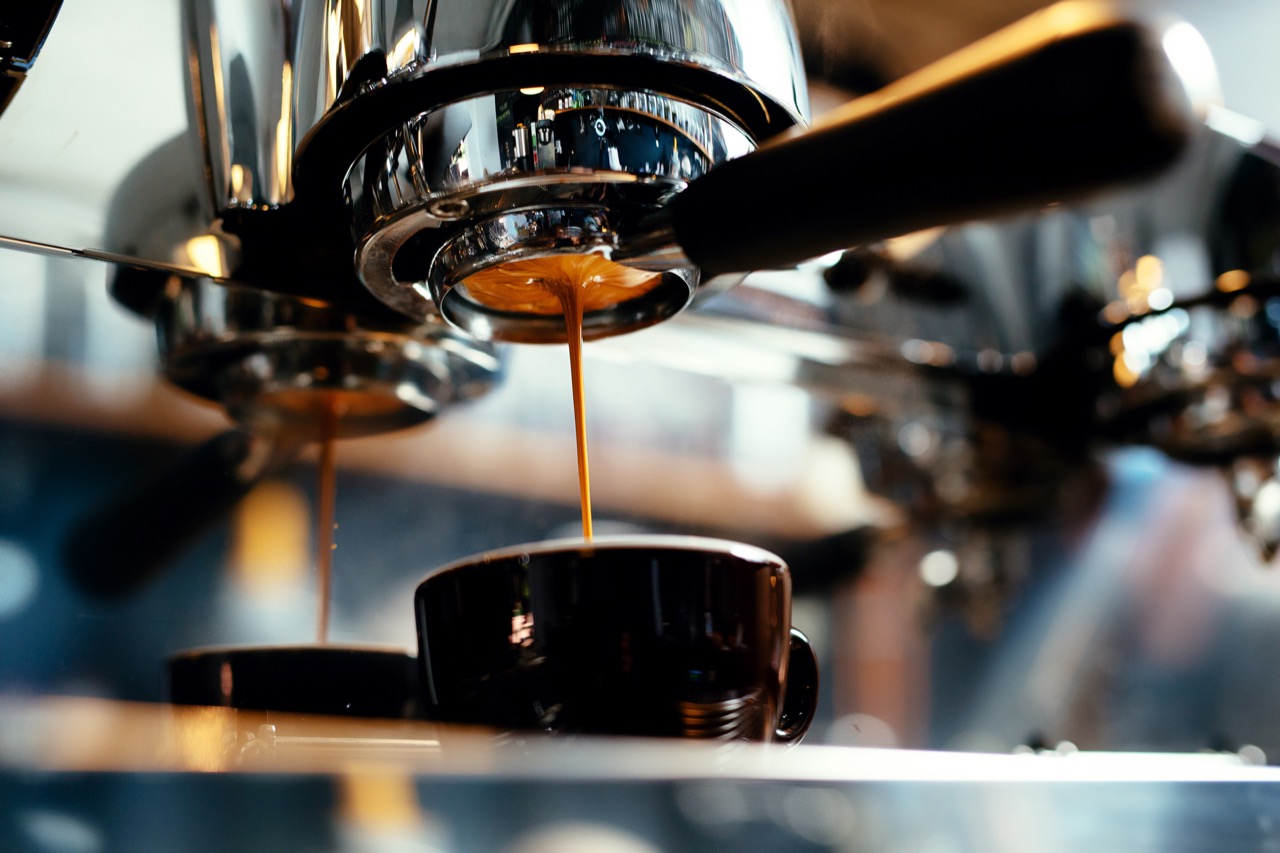
Another common misconception is that espresso is a type of bean. Espresso is a brewing method: hot water forced through finely ground coffee under pressure. Any coffee can be used for espresso, though many cafes choose blends designed to taste balanced and sweet when extracted quickly. Espresso often shows crema, the tan foam on top. Crema is not a reliable sign of quality on its own. It can be influenced by how fresh the coffee is, the roast level, and the amount of carbon dioxide still trapped in the beans. A thick crema can look impressive while the shot underneath may still be over extracted or under extracted.
Processing method is a huge aroma clue and a favorite topic for coffee detectives. Washed coffees are fermented and rinsed before drying, usually producing cleaner flavors and clearer acidity. They can smell crisp, citrusy, or floral, and the finish can feel precise. Natural processed coffees are dried with the fruit still on the seed, which often adds fruit forward aromas like berries, tropical notes, or fermented sweetness. Honey processing sits in between, with some sticky fruit mucilage left on during drying, often giving a round sweetness without as much funk. None of these methods is inherently better; they simply create different flavor signatures.
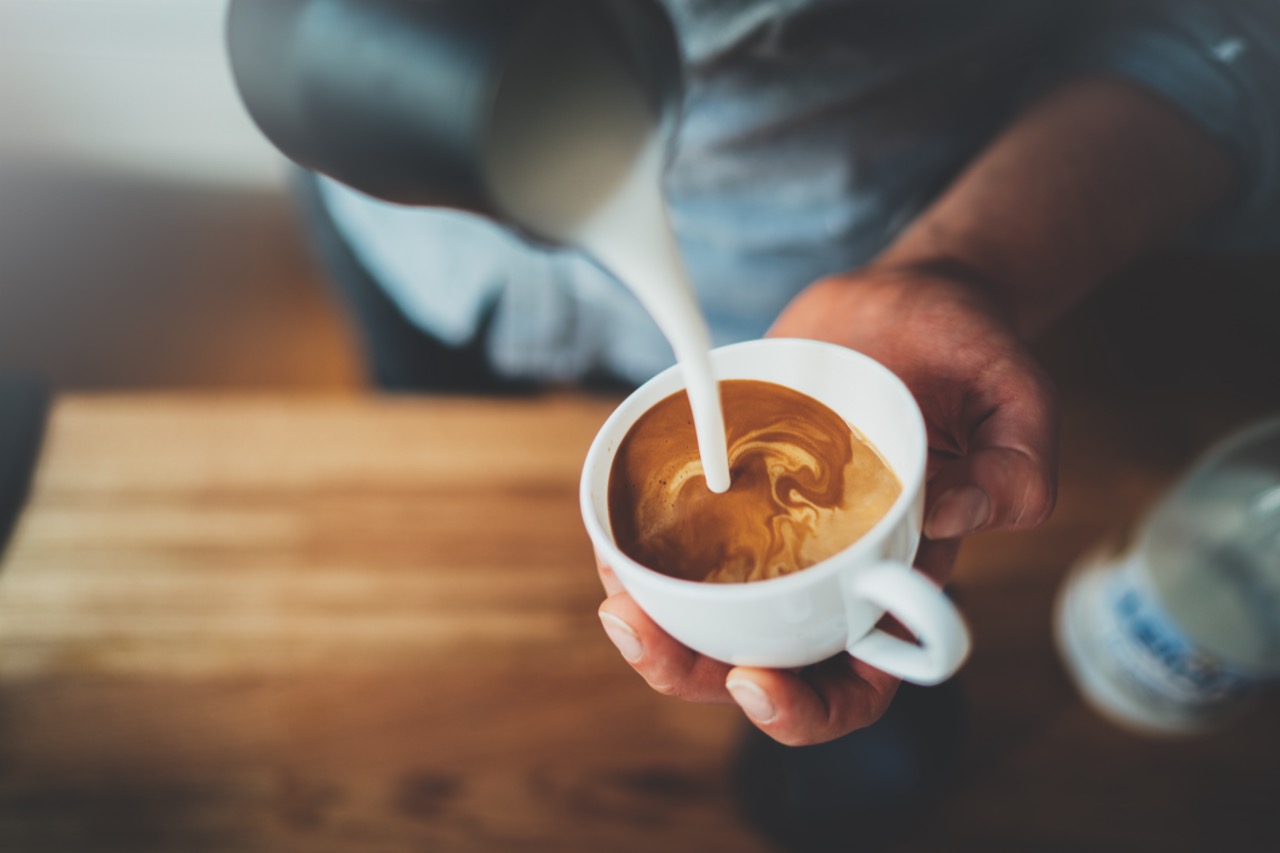
Milk based drinks are another area where names can mislead. Many drinks are defined more by milk texture than by coffee strength. A cappuccino traditionally has a smaller volume with a thick, velvety foam cap, while a latte has more steamed milk and a thinner layer of foam, making it taste creamier and softer. A flat white usually aims for a silky microfoam with minimal froth and a stronger coffee presence relative to milk, though definitions vary by region. If a drink feels airy and spoonable on top, you are likely in cappuccino territory. If it pours glossy like wet paint, that microfoam points toward latte or flat white technique.
Origin labels offer hints, but they are not always straightforward. Ethiopia is often associated with floral or berry like notes, while Colombia is frequently balanced with caramel and citrus, and Indonesia can lean earthy or spicy. Still, altitude, variety, processing, and roast can override stereotypes. “Single origin” usually means the coffee comes from one country, region, or even one farm, depending on how specific the roaster is. A blend is not inferior; it is often crafted for consistency and a particular flavor goal, especially for espresso.
If you want to play aroma detective at home, smell the dry grounds, then smell the coffee as it cools, because many aromas become clearer at lower temperatures. Notice whether the cup feels juicy, syrupy, or drying, and whether the aroma suggests fruit, flowers, nuts, chocolate, or spice. With a little practice, the language on cafe menus stops being mysterious and starts becoming a set of useful clues that help you order smarter and enjoy each cup more.