Pass the Plate Global Eating Traditions







Quiz Complete!
Pass the Plate: How the World Eats, One Custom at a Time

Food isn’t just what’s on the plate; it’s the way the plate gets passed, the tools in your hand, and the small rules everyone seems to know without being told. Travel far enough and you’ll notice that the same basic meal can feel completely different depending on how people eat it. Some habits are practical, shaped by climate, history, and what was available. Others are social signals that say respect, welcome, or belonging.
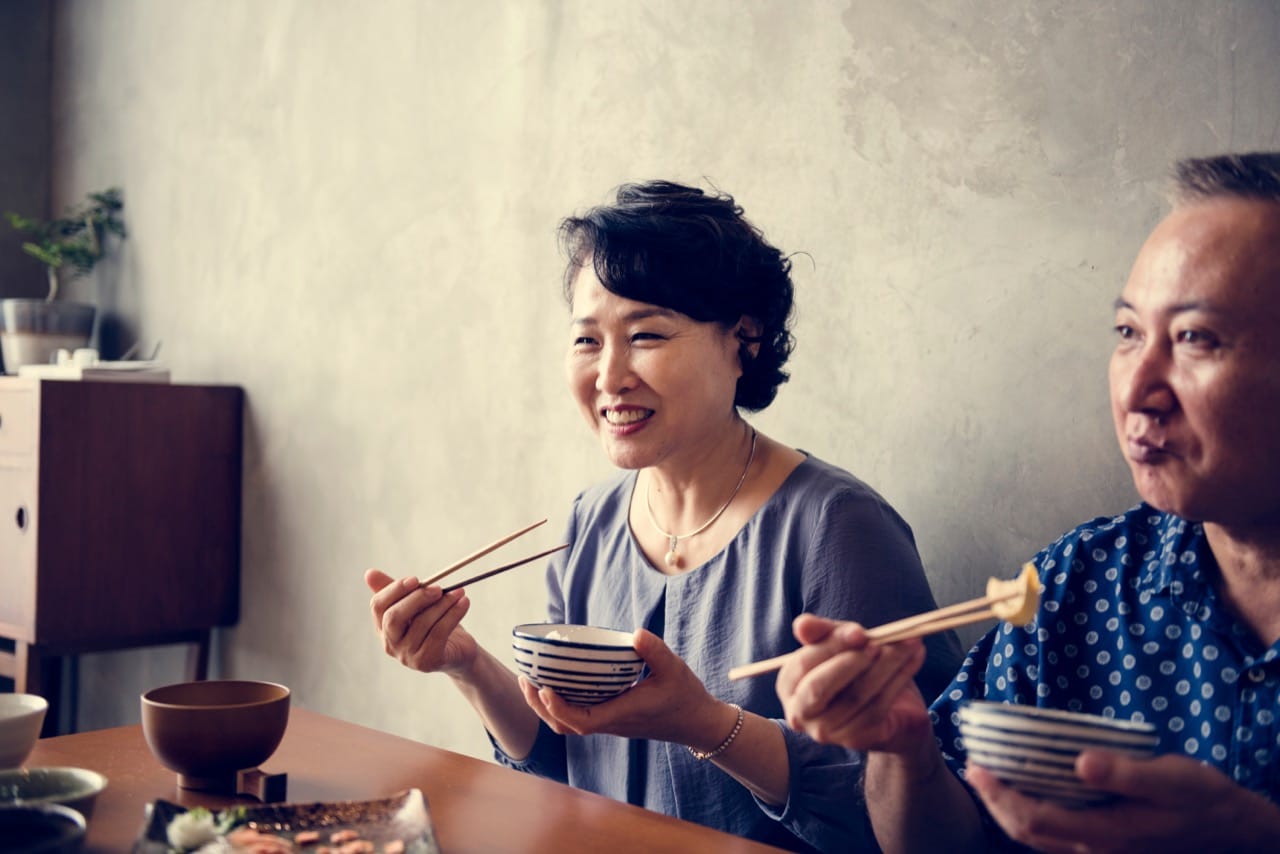
Take chopsticks, for example. They’re common across East Asia, but the etiquette around them varies. In many places, sticking chopsticks upright in a bowl of rice is avoided because it resembles incense offered at funerals. Passing food directly from chopstick to chopstick can also be taboo in Japan because it echoes a funeral ritual involving bones. Even where the rules differ, the idea is similar: table manners aren’t random, they carry memories and meanings.
Then there’s the famous noodle slurp. In parts of Japan, slurping hot noodles is normal and even appreciated, partly because it cools the noodles and partly because it signals enjoyment. In other cultures, loud eating is frowned upon, so visitors can feel unsure. The trick is to watch what locals do and follow their lead. Many dining customs work like a quiet language, and observation is often the best translator.
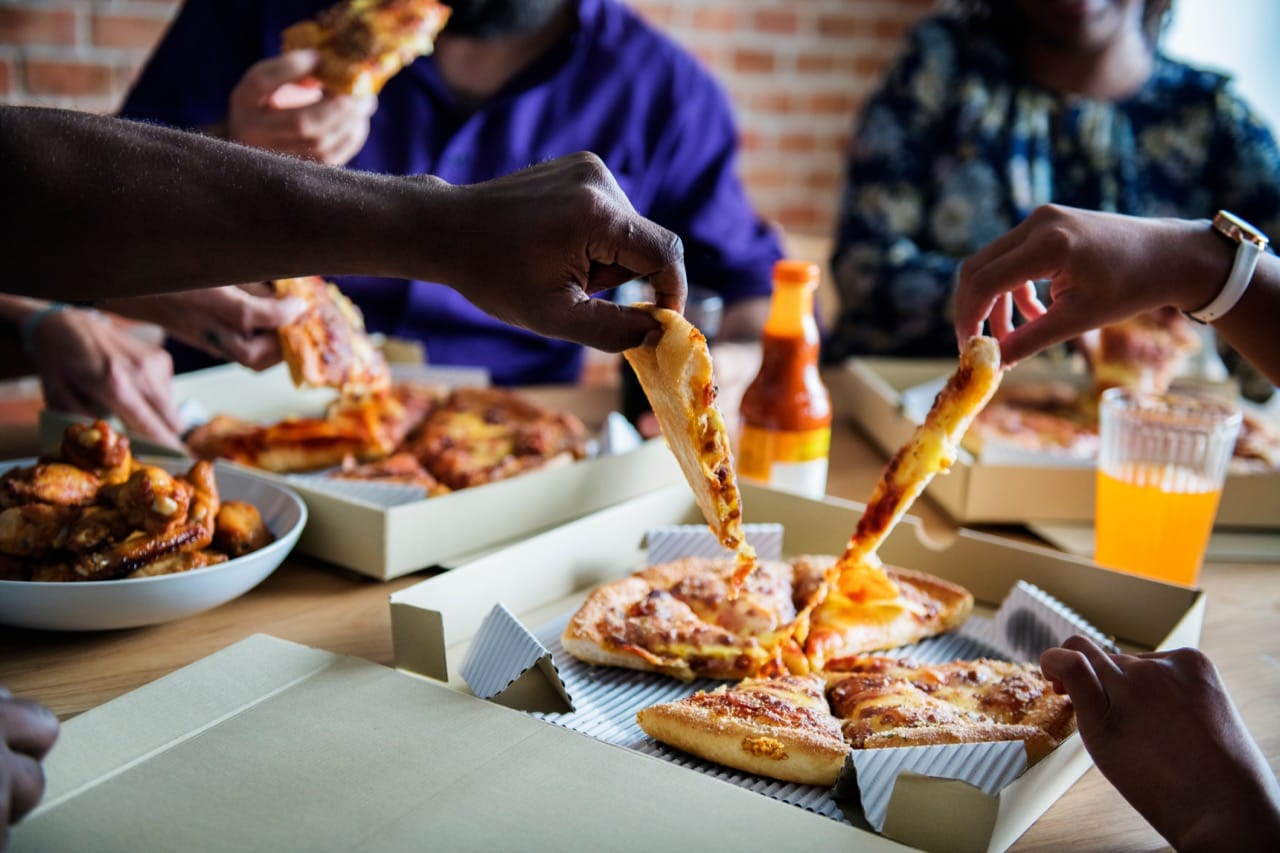
Hands are another global utensil. In India and parts of the Middle East and East Africa, eating with the right hand is traditional, with the left hand kept for other tasks. The practice can be deeply rooted in ideas of cleanliness and respect. It’s also surprisingly efficient: mixing rice with curry, scooping up stew with flatbread, or shaping a bite with your fingertips gives you control over texture and temperature. In Ethiopia, meals often arrive on injera, a spongy flatbread that doubles as plate and utensil. Sharing from a common platter can be a sign of closeness, and offering someone a bite by hand can be a gesture of affection and hospitality.
Who gets served first can matter as much as what’s served. In some households, elders or guests are offered food before everyone else. In others, the host may insist you take more, and refusing too quickly can be taken as polite but final. Learning the rhythm helps: sometimes you decline once to show modesty, then accept to show appreciation.
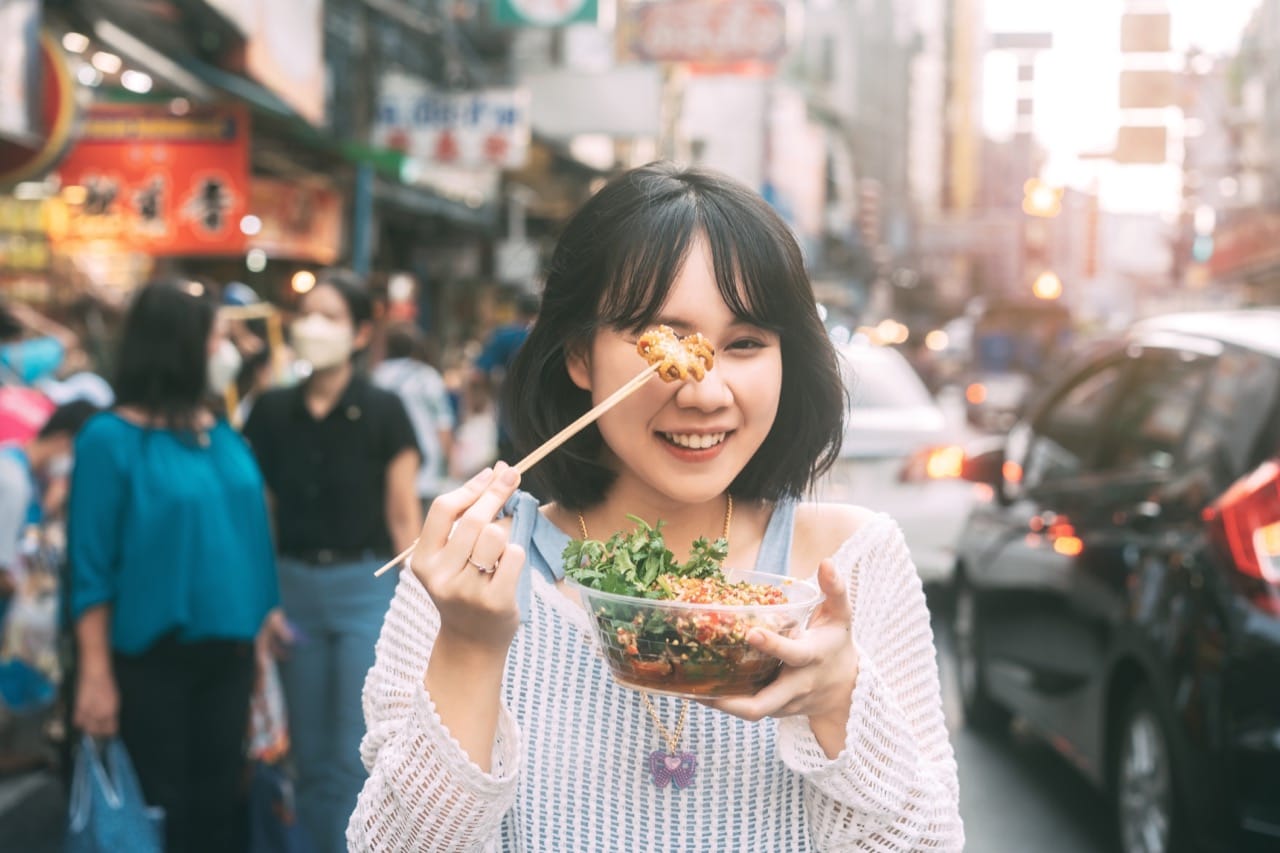
Street food adds another layer, because it’s built around speed, portability, and local taste. The world’s best meals are often eaten standing up: tacos folded in Mexico, skewers grabbed from grills across Southeast Asia, or steamed buns bought from a cart on a cold morning. These foods reflect daily life. They’re designed to be eaten without fuss, yet each comes with its own customs, like adding specific sauces in a certain order, squeezing citrus at the last moment, or eating something immediately while it’s still crackling hot.
Even the way you pay attention at the table can be cultural. In some places, finishing everything on your plate signals gratitude and that the food was good. Elsewhere, leaving a small amount can suggest you were given plenty. Toasting traditions also differ: clinking glasses, making eye contact, or saying a particular phrase can be expected, and in some cultures you wait for the host to begin.
The most useful rule for dining across cultures is simple: be curious, be observant, and be gracious when you make a mistake. Locals often appreciate a sincere effort more than perfect technique. When you learn why a custom exists, whether it’s to keep food hot, show respect, or celebrate togetherness, the meal becomes more than a taste. It becomes a story you can participate in, one bite at a time.