Bean or Blend Coffee Types Trivia Night








Quiz Complete!
Bean or Blend: A Friendly Tour of Coffee Types, Origins, and Drinks

Coffee can feel like a simple daily habit until you start noticing how many choices hide behind the word coffee. Two names show up everywhere: Arabica and Robusta. Arabica generally grows best at higher elevations and is often described as smoother and more aromatic, with flavors that can lean fruity, floral, or chocolatey depending on where it is grown. Robusta is hardier, tolerates warmer conditions, and typically contains more caffeine. It is often earthier and more bitter, which is why it is common in many espresso blends where producers want extra punch, thicker crema, and lower cost. Neither is automatically better; they are different tools for different cups.
Where coffee grows matters because coffee is a seed from a fruit, and that fruit responds to climate, soil, and altitude. That is why single origin coffees are so popular: they come from one country, region, farm, or even a specific lot, aiming to showcase a distinct character. A blend, on the other hand, combines coffees to create a consistent flavor profile, balance acidity with sweetness, or keep the taste steady across seasons. Many classic espresso programs rely on blends because consistency is valuable when you are steaming milk and pulling shots all day.
After harvest, processing methods shape flavor as much as origin does. In the washed process, the fruit is removed and the beans are fermented and rinsed before drying, often producing a cleaner, brighter cup with clearer acidity. Natural or dry processing leaves the coffee to dry inside the fruit, which can boost sweetness and body and bring berry-like or winey notes, though it can also be less predictable. Honey processing sits between the two, drying the bean with some sticky fruit mucilage still attached, often creating a round sweetness and a silky texture.
Roast level adds another layer of clues. Lighter roasts tend to preserve more of a coffee’s origin character and acidity, while darker roasts emphasize roast flavors like cocoa, toast, or smokiness and can feel heavier and less sharp. Contrary to a common myth, darker roasts do not necessarily have more caffeine; caffeine changes only slightly with roasting, and brewing choices usually matter more.
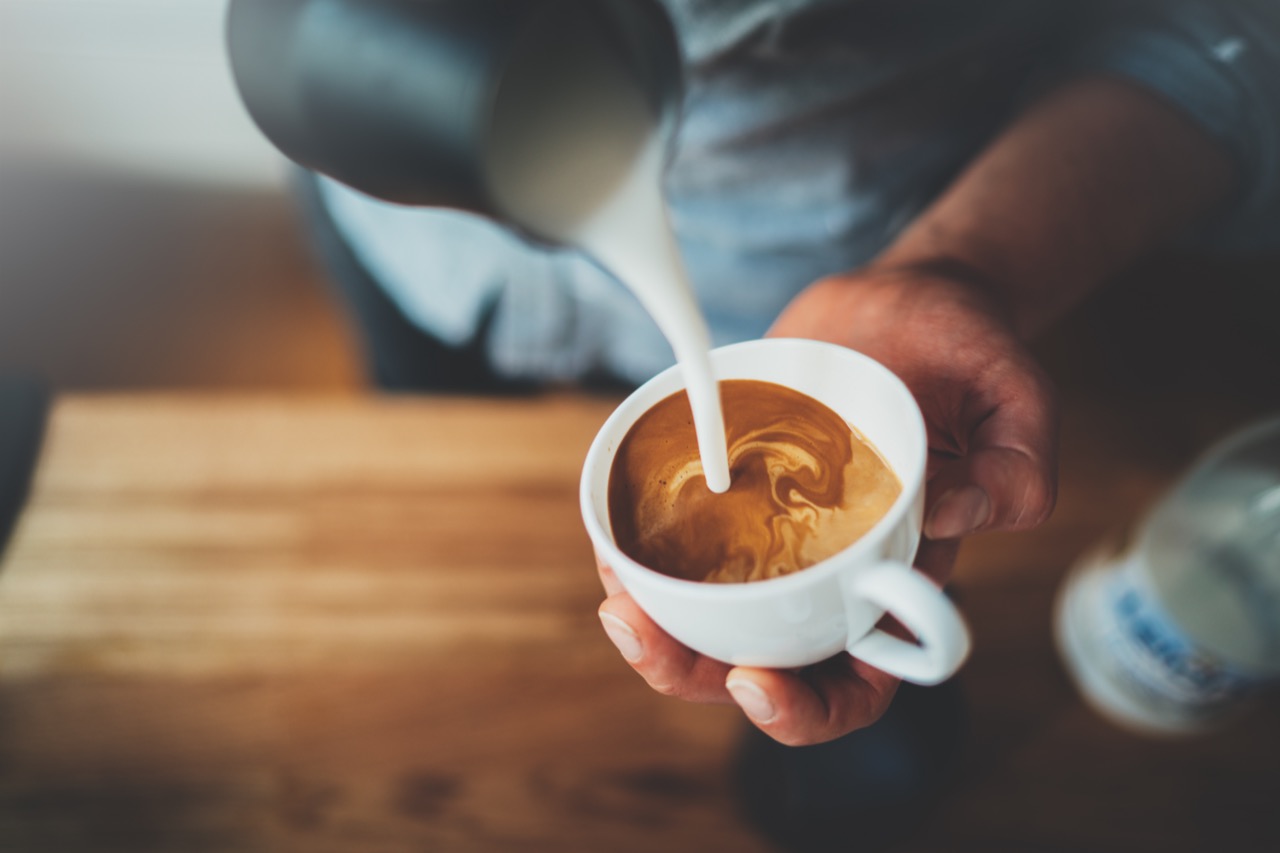
Then there are the drinks people love to debate. Espresso is a concentrated brew made by forcing hot water through finely ground coffee under pressure. An Americano is espresso diluted with hot water, giving a longer cup without the flavor of drip coffee. A latte and a cappuccino both start with espresso and milk, but the balance and texture differ. A latte typically has more steamed milk and a thinner layer of foam, making it creamy and mild. A cappuccino usually has a more equal balance of espresso, steamed milk, and foam, so it can taste stronger and feel lighter on the tongue. A macchiato, in its traditional sense, is espresso marked with a small amount of milk foam, though menus vary widely.
If you want to sound like you know what you are ordering, pay attention to three things: the bean type or blend, the origin and process, and the drink build. Those basics explain most of what ends up in your cup, and they turn trivia night questions into everyday coffee superpowers.