Aging Traditions Across Continents Trivia







Quiz Complete!
How Different Cultures Help People Age Well Around the World

Aging is universal, but the experience of growing older depends heavily on where you live and what your community expects. In many societies, later life is shaped as much by family roles and everyday etiquette as it is by pensions, healthcare, and housing. Looking across continents reveals a mix of long-standing traditions and modern policies that can either cushion the challenges of aging or make them harder.
Demographics alone show how uneven the world is becoming. Countries like Japan, Italy, and Germany have some of the highest shares of older adults, largely because people live longer and birth rates have fallen. In parts of sub-Saharan Africa, populations are much younger on average, but life expectancy is rising in many places, meaning more families are beginning to navigate longer periods of elder care. These shifts matter because the ratio of working-age people to retirees affects everything from tax revenue to the availability of caregivers.
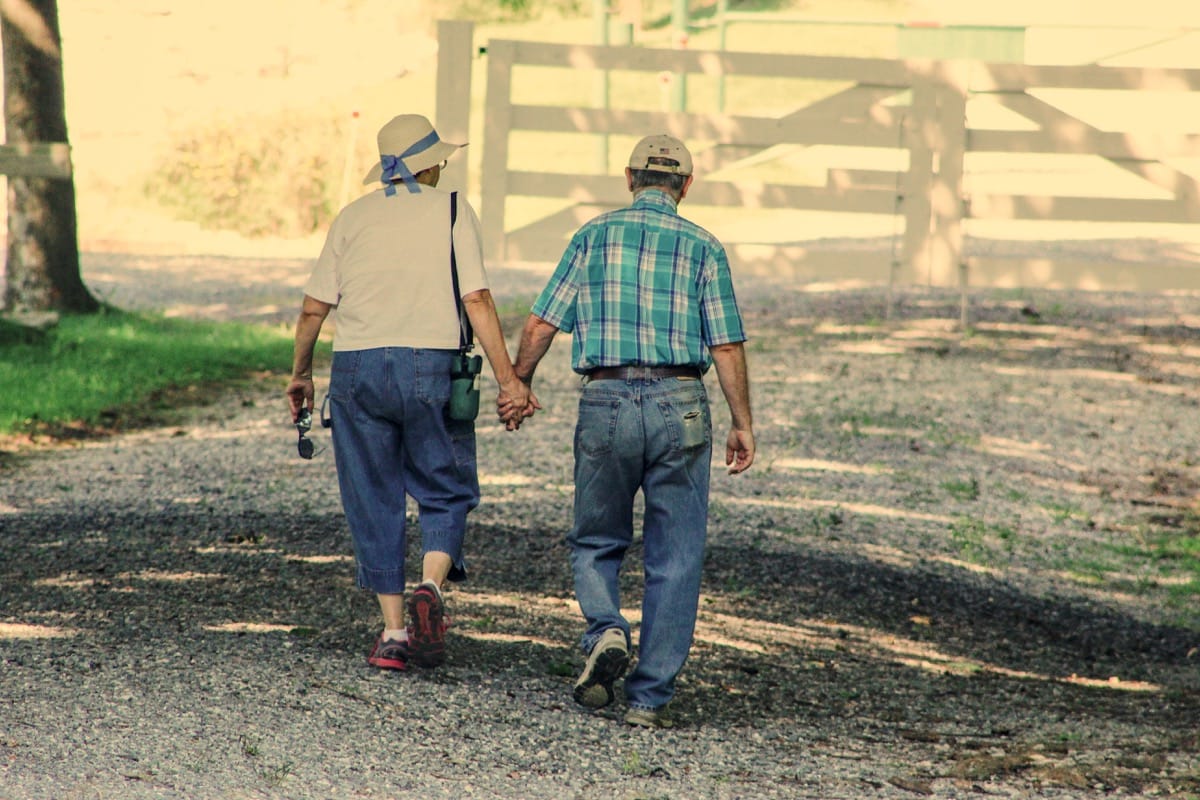
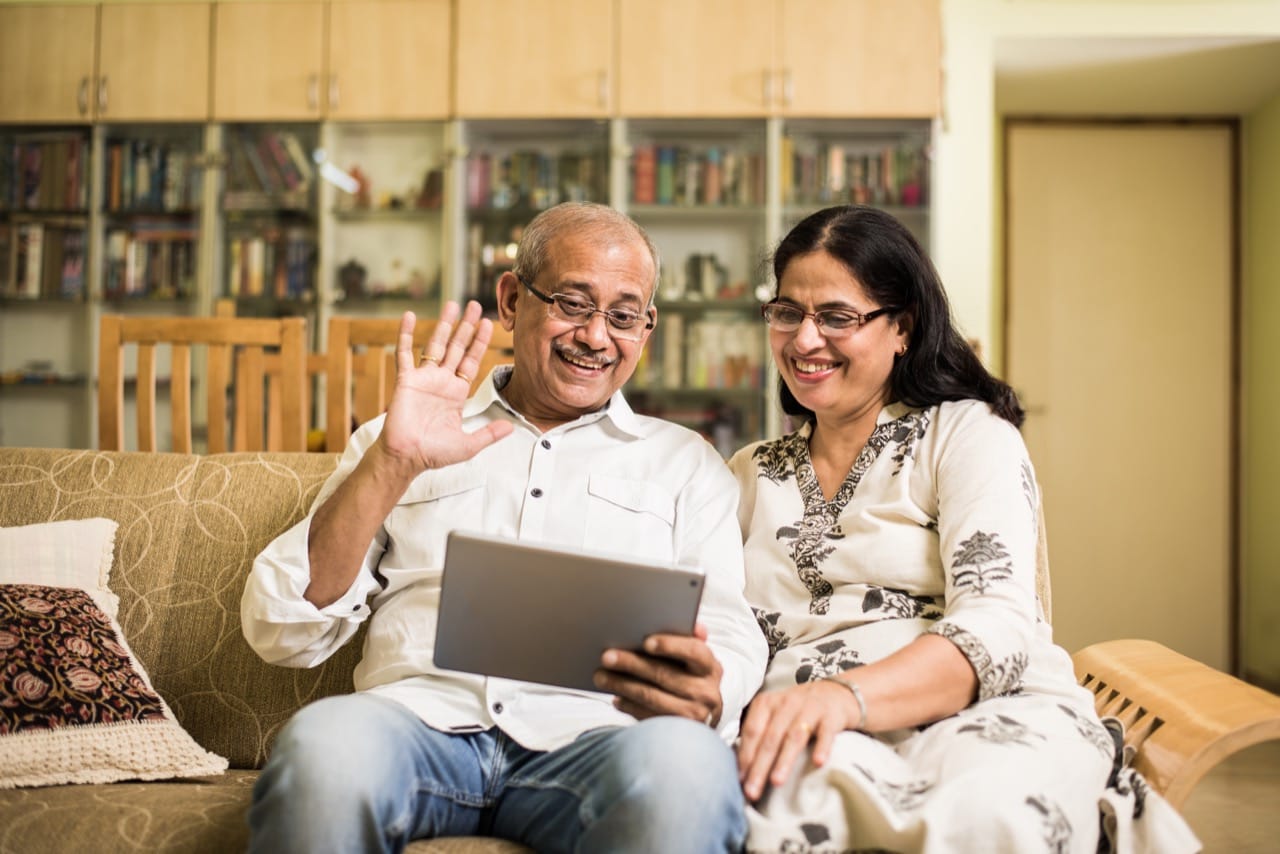
Where you grow old also influences whether you are expected to live with family. Multigenerational households are common in much of Asia, Latin America, the Middle East, and parts of Africa, where older relatives often remain central to family decisions and childcare. This can provide built-in social connection, but it can also create pressure on adult children, especially in cities where housing is expensive and work hours are long. In contrast, independent living is more typical in Northern and Western Europe and in countries like the United States, where many older adults prefer their own homes as long as possible. That preference has fueled the idea of aging in place, supported by home modifications, community services, and assisted living options when needed.
Customs of respect can be subtle and powerful. In many languages, there are formal ways to address older people, and social rules can dictate who sits where, who speaks first, or how food is served. In several East Asian cultures influenced by Confucian ideas, honoring elders is tied to family duty, and certain holidays emphasize gratitude toward parents and grandparents. Elsewhere, respect may be shown through community roles, such as elders serving as mediators, storytellers, or guardians of local knowledge.
Milestone birthdays are another window into cultural attitudes. Some places celebrate particular ages with major gatherings, symbolizing health, wisdom, or a successful passage through life stages. These events can reinforce a sense of belonging and remind younger generations that aging is not only decline but also achievement. Other cultures place less emphasis on birthdays and more on daily care and quiet recognition.
Longevity hot spots, often called Blue Zones, have become famous for high rates of healthy aging. While each place is unique, common themes appear: regular movement built into daily routines, strong social ties, plant-forward diets, and a sense of purpose. Importantly, these communities often make it easy for older adults to stay involved, whether through walkable neighborhoods, shared meals, or intergenerational contact.
Public policy can be just as influential as tradition. Retirement ages vary widely and are changing as governments respond to longer lifespans. Pension systems range from strong, universal safety nets to limited coverage that leaves many older adults reliant on family support or continued work. Healthcare access is a major divider: countries with broad coverage often reduce financial stress from chronic illness, while places with high out-of-pocket costs can see medical needs translate into debt or delayed treatment. Social isolation is increasingly recognized as a health risk, and some cities now design age-friendly transportation, parks, and community centers to keep older residents connected.
Across continents, the most successful approaches to aging tend to share a simple idea: older adults thrive when they are valued, included, and practically supported. Whether that support comes from close-knit family living, respectful social rituals, or robust public programs, the goal is the same: making later life not just longer, but better.