Volt Mysteries and Modern Power Knowhow


Quiz Complete!
Volt Mysteries and Modern Power Knowhow
Electricity can feel like magic because you cannot see it directly, yet you can watch it light a room, push a train, or store a photo on your phone. At its core, electricity is about electric charge and the forces it creates. Static electricity is the easiest place to start: when you rub a balloon on a sweater, electrons are transferred, leaving one object with extra electrons and the other with too few. The resulting electric field can tug on nearby hair or make the balloon stick to a wall. That same idea of fields scales up to the invisible forces around every wire and device.
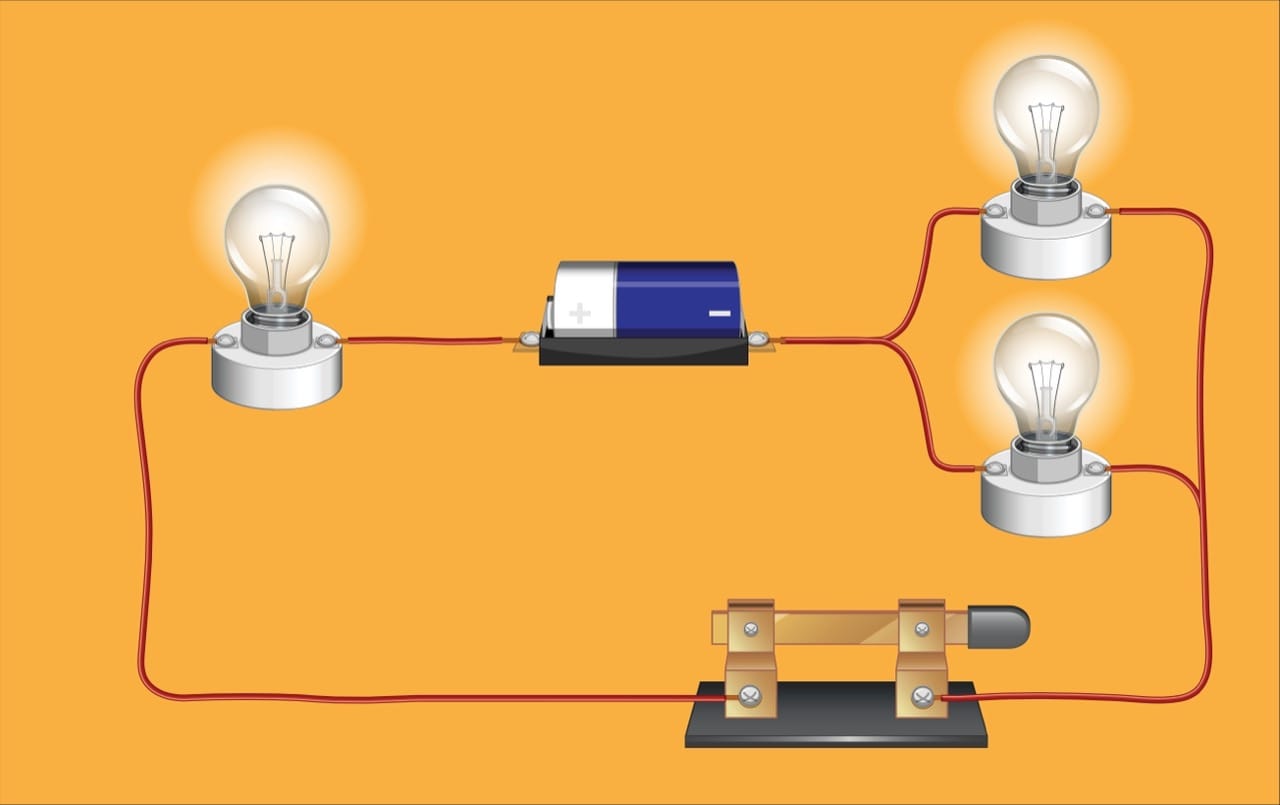
In everyday circuits, the key players are voltage, current, and resistance. Voltage is like an electrical push, measured in volts. Current is the flow of charge, measured in amperes. Resistance, measured in ohms, describes how strongly a material opposes that flow. A common misconception is that a battery “contains” current. Instead, a battery provides a voltage that encourages current to flow when a complete path exists. If the circuit is open, there is voltage at the terminals but essentially no current. This is why a flashlight turns off when the switch breaks the path.
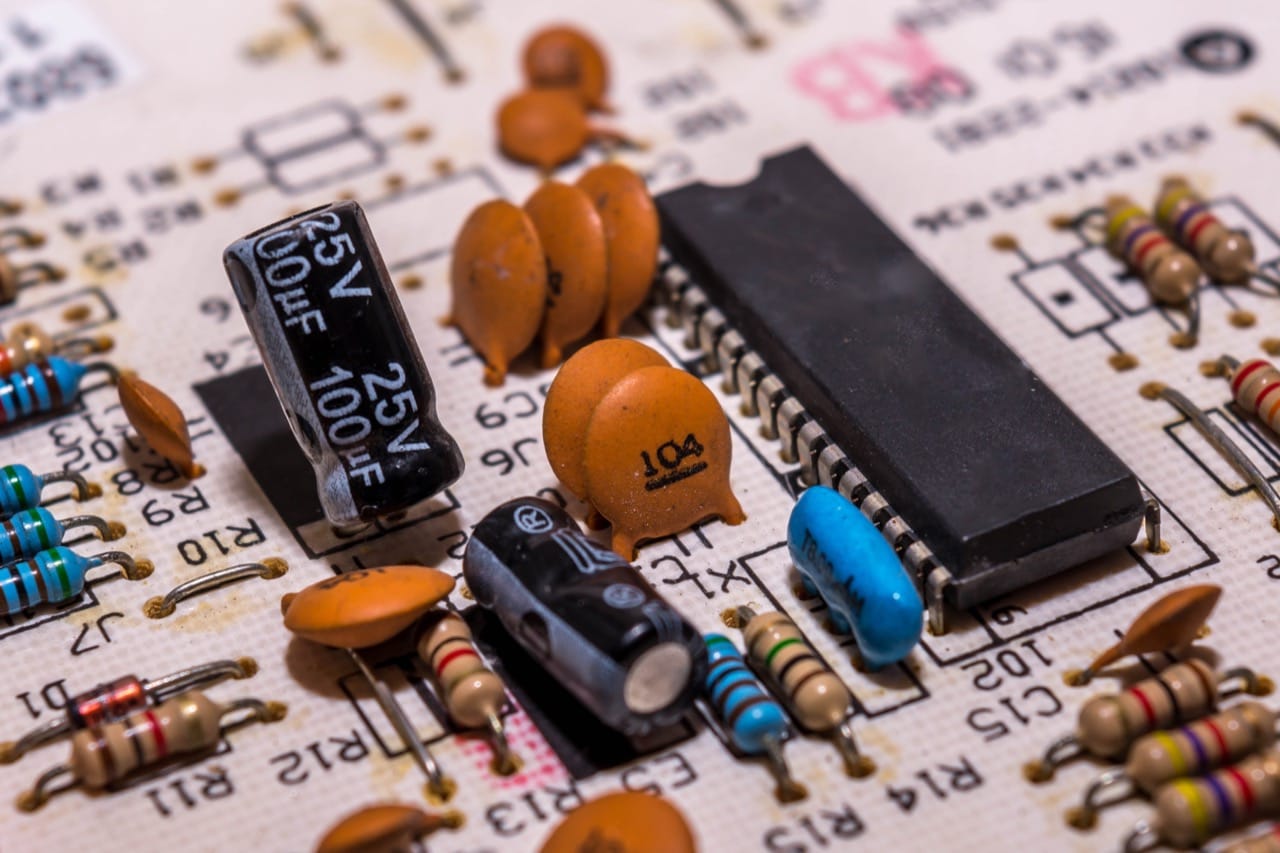
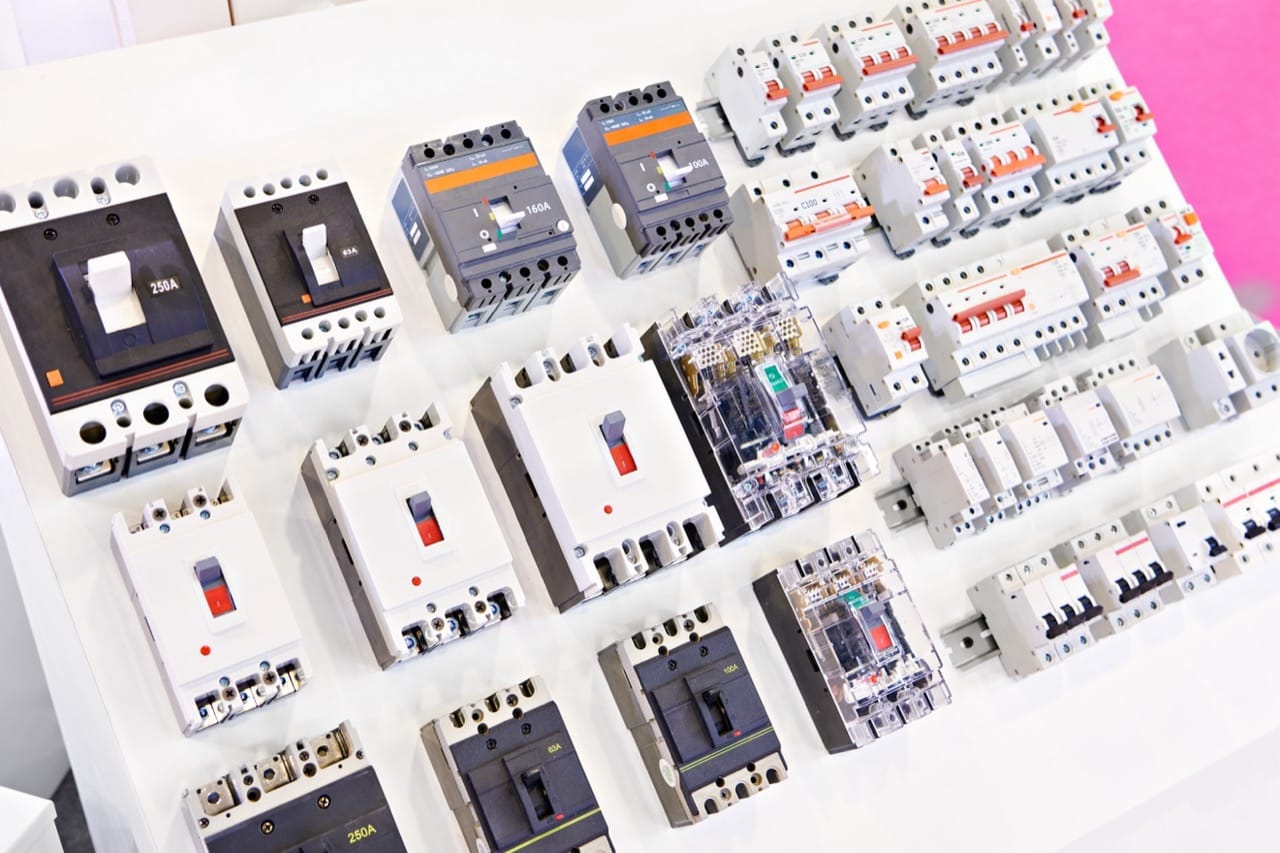
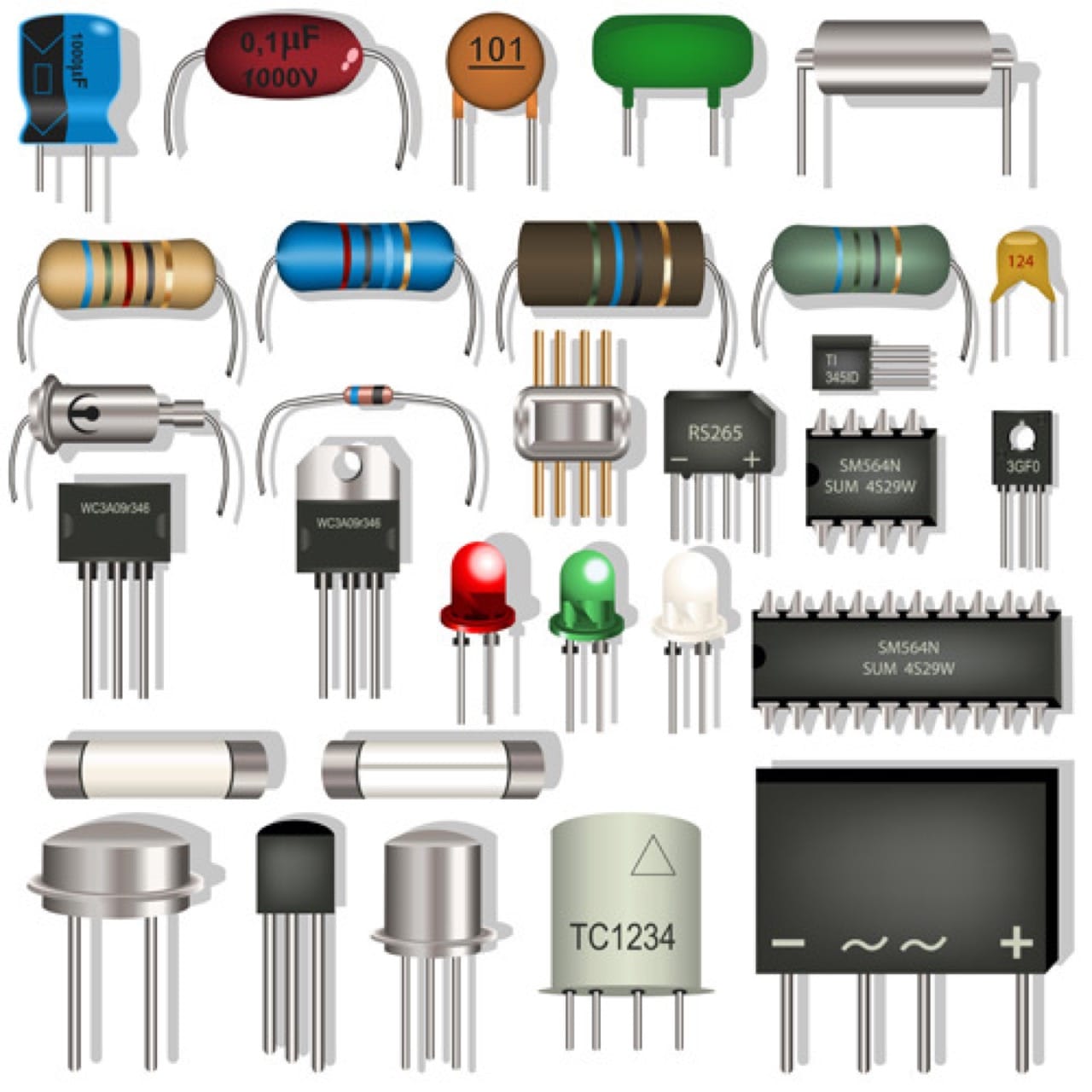
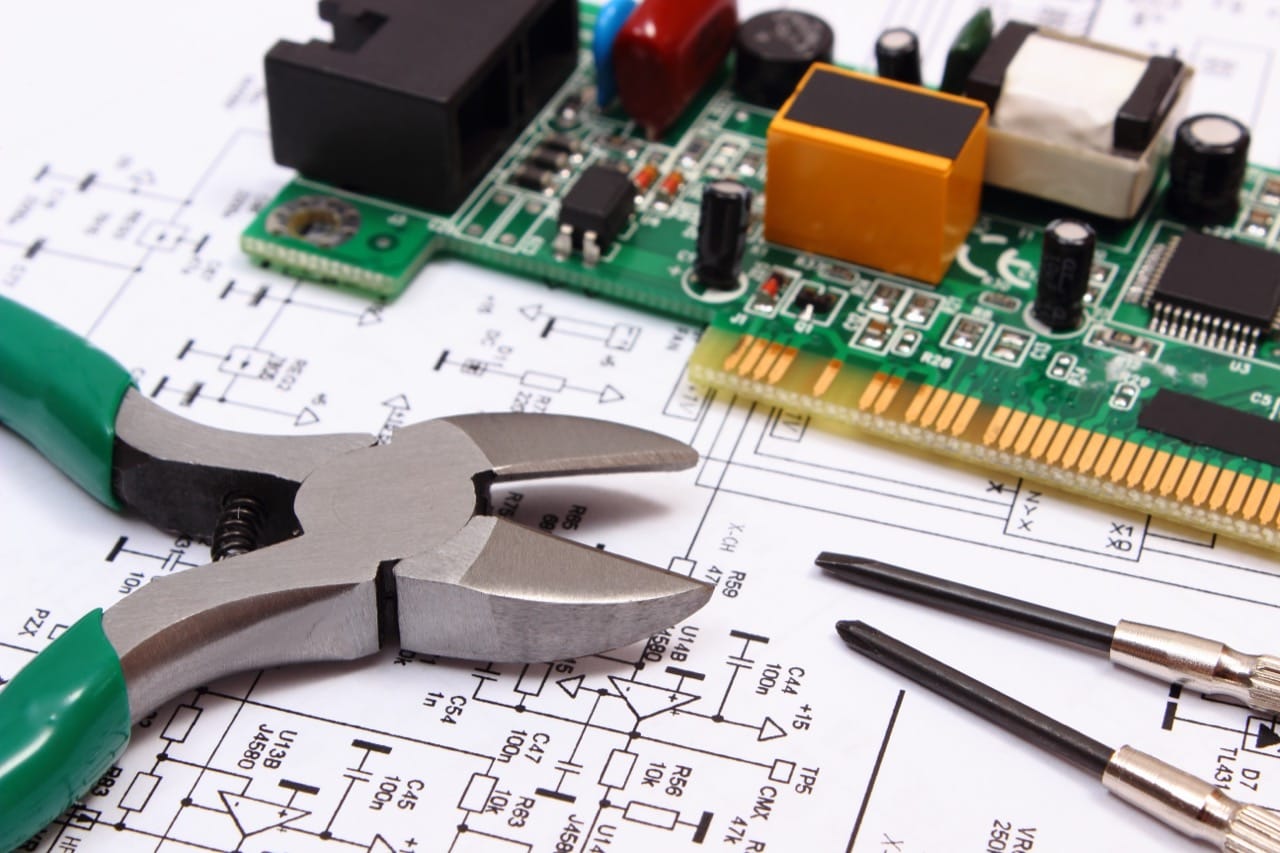
Resistors, fuses, and switches are simple components with big jobs. Resistors limit current and set operating conditions for sensitive parts like LEDs. Fuses are safety devices designed to fail on purpose: if too much current flows, the fuse heats up and melts, opening the circuit before wires overheat. Circuit breakers do something similar but can be reset. Many people think devices “pull” only the current they need, and that is partly true, but only because their internal resistance and design set how much current flows at a given voltage. If you accidentally bypass that resistance with a short circuit, the current can soar.
Magnetism enters the story through moving charges. A current in a wire creates a magnetic field, and changing magnetic fields can create voltage. This is the heart of electromagnetic induction, famously explored by Michael Faraday. In a generator, coils of wire and magnets move relative to each other so the magnetic field through the coil changes, inducing a voltage that drives current. Motors run the same physics in reverse: current in coils produces magnetic forces that create motion. Nikola Tesla championed alternating current, which reverses direction many times per second. AC is especially useful because transformers can easily step voltage up for long-distance transmission and step it down for safe use in homes.
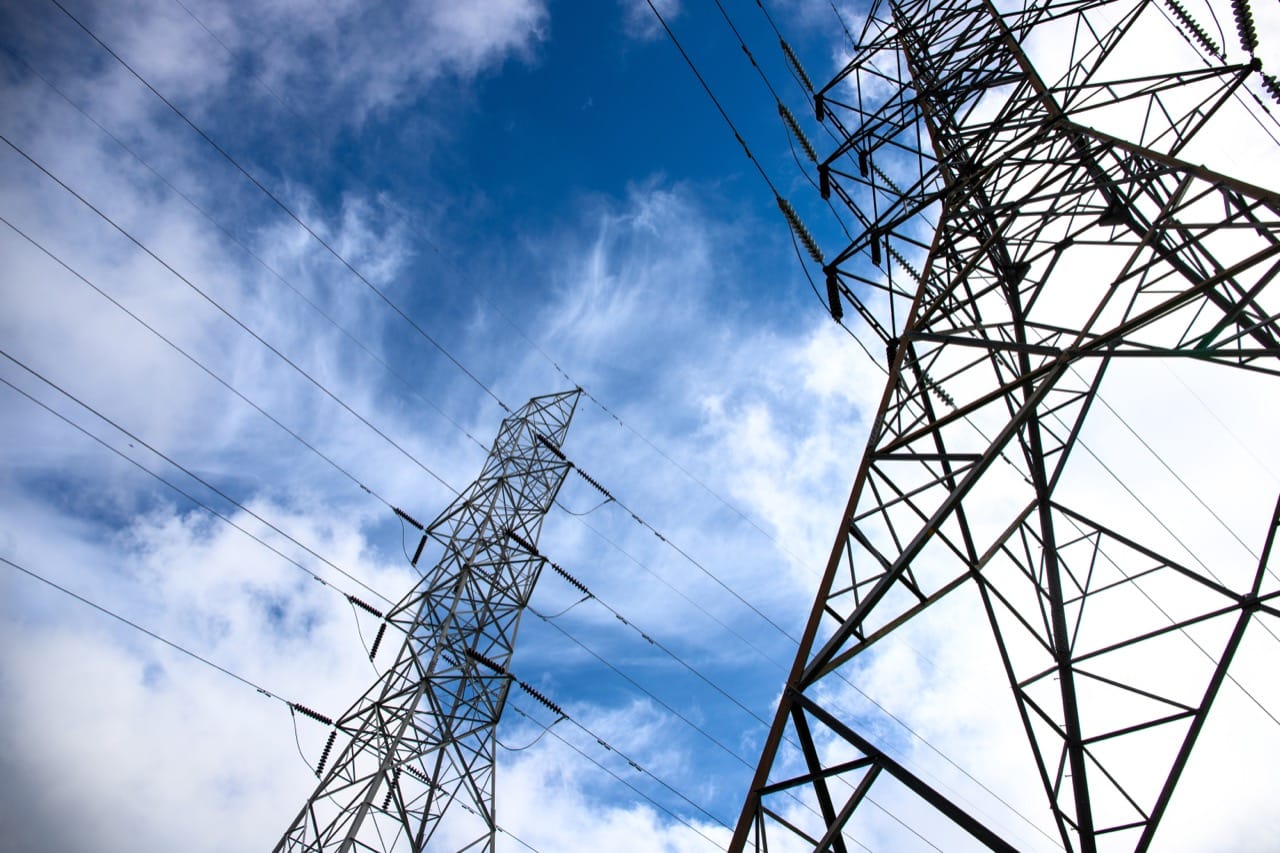
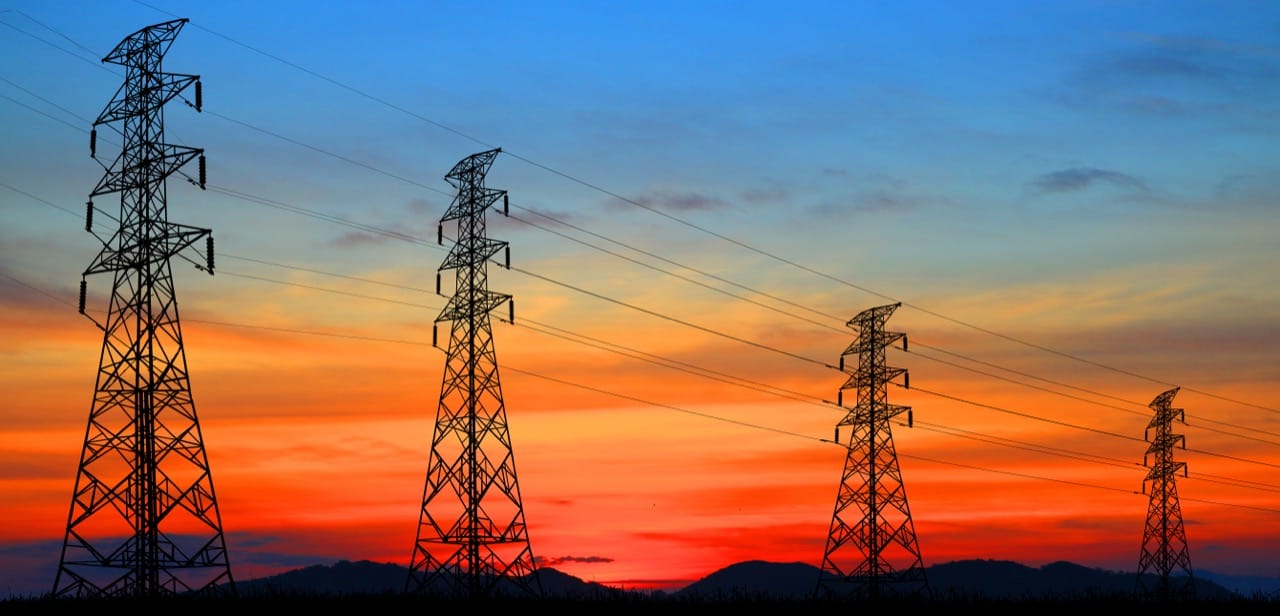
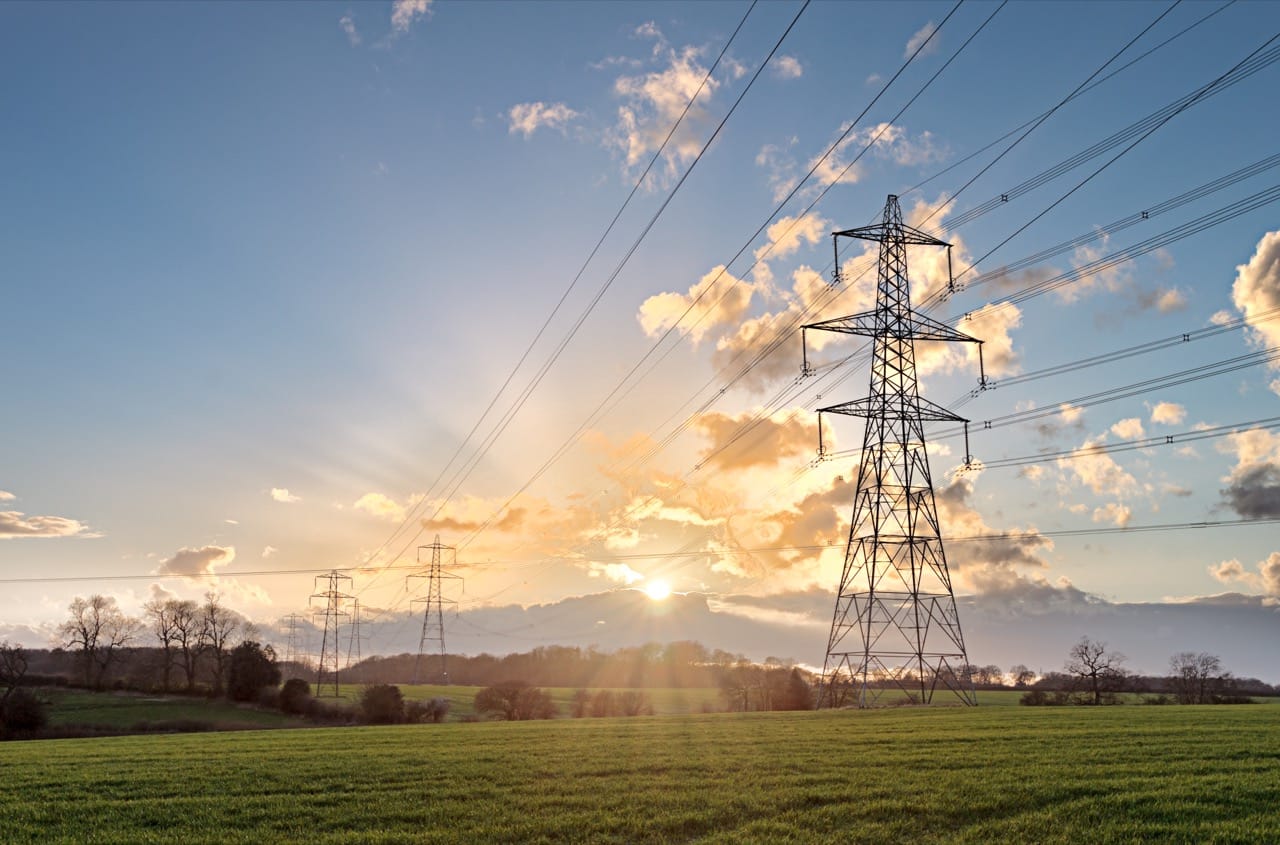
That brings us to the grid, a vast system designed to balance supply and demand in real time. Power plants generate electricity, high-voltage lines carry it efficiently, and substations distribute it locally. High voltage is used for transmission because for the same power, higher voltage means lower current, and lower current reduces energy lost as heat in wires. The outlets in your home deliver a voltage intended to be practical and relatively safe, but it can still be dangerous. The real risk depends on the path through the body and the current that flows, not just the voltage. Dry skin can resist current, while wet conditions dramatically increase danger.
Measurement is where the mysteries become manageable. A voltmeter measures voltage across two points and is connected in parallel. An ammeter measures current through a path and must be placed in series, which is why putting an ammeter directly across a battery can cause a short. Understanding these simple rules helps explain everything from why phone chargers get warm to why power lines hum. Electricity is not magic, but it is full of clever tricks, and thinking like an engineer means tracing paths, fields, and energy as they move through the world.