Sparks and Side Effects Electricity Connections Quiz
Quiz Complete!
Sparks and Side Effects: The Hidden Connections of Electricity
Electricity feels like a modern convenience, but it threads through chemistry, biology, weather, and language in ways that can be surprisingly connected. When you plug in a phone or flip on a light, you are tapping into the same basic idea that powers a battery, triggers a nerve impulse, and flashes across the sky as lightning: moving electric charge and the fields that guide it.
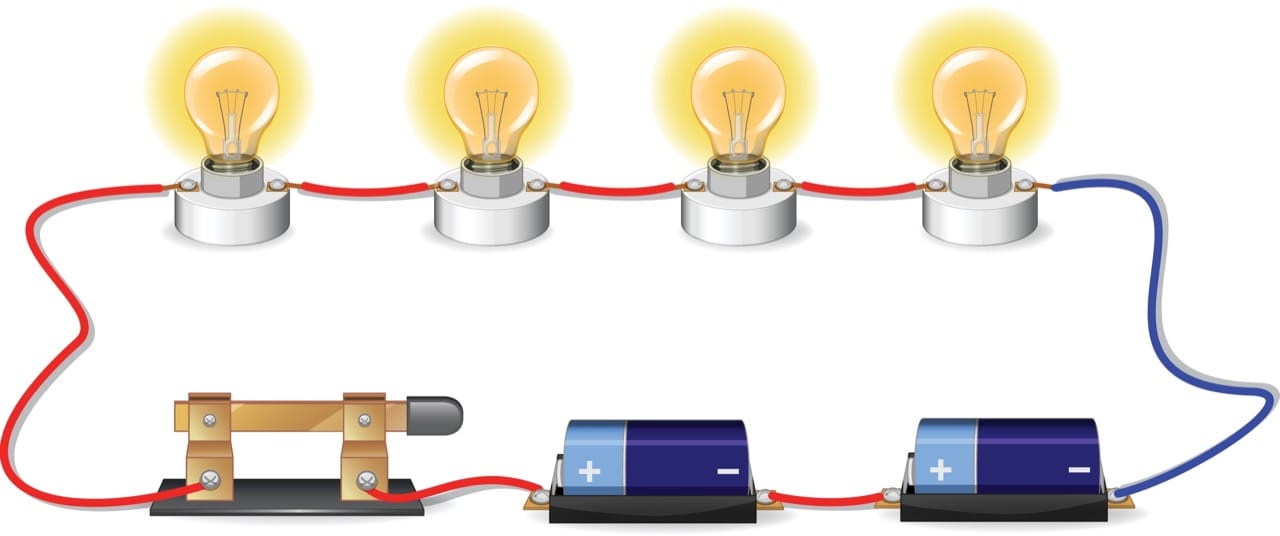
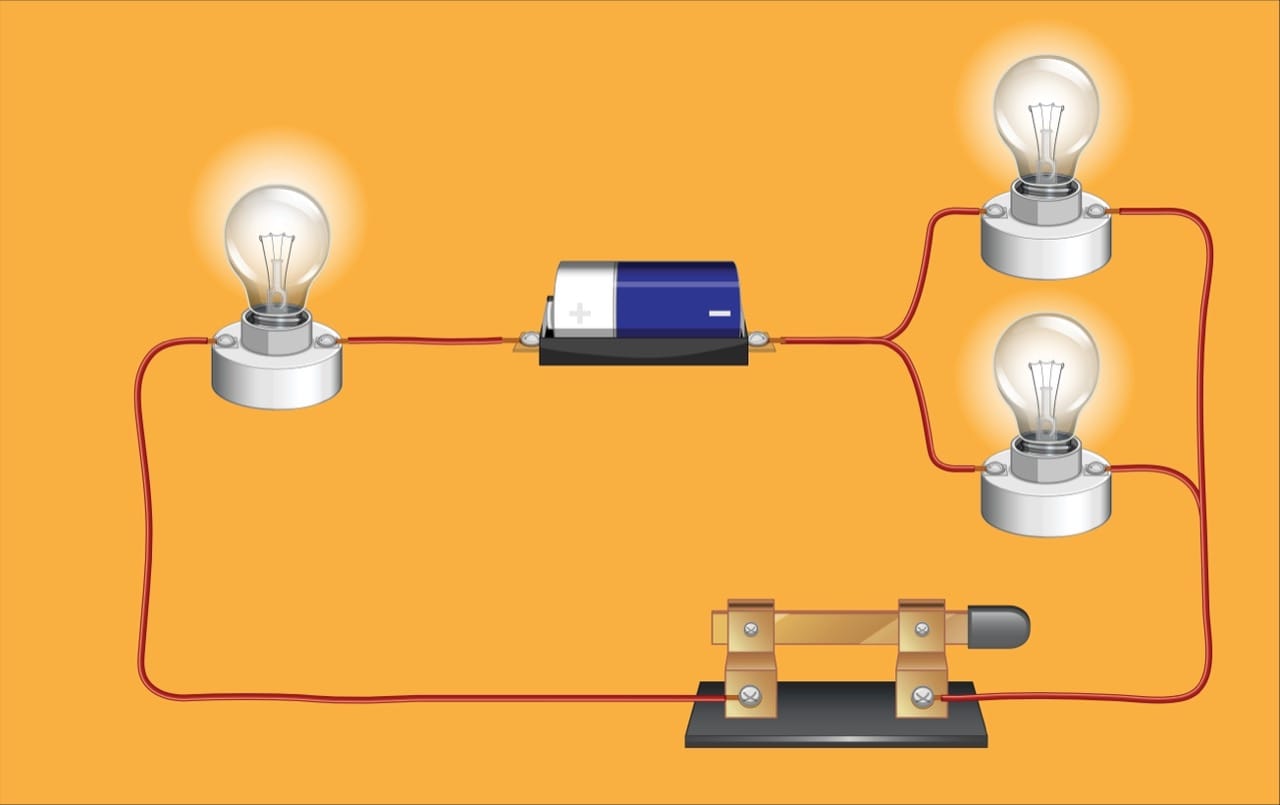
Batteries are a good example of electricity hiding inside chemistry. In a typical battery, two different materials prefer to give up or accept electrons. Separate them with an electrolyte and a barrier that allows ions to move, and you create a controlled chemical reaction that pushes electrons through an external circuit. That flow is current, measured in amperes, named after Andre Marie Ampere, who helped describe the relationship between electric currents and magnetic fields. Voltage, named after Alessandro Volta, measures the electrical potential difference that drives the current, like pressure driving water through a pipe.
Those same electrical ideas run your body. Nerve cells communicate using voltage differences across their membranes, created by carefully managed concentrations of ions such as sodium and potassium. When a neuron fires, channels open and the voltage changes rapidly, creating a traveling electrical signal. It is not electricity in a wire, but it is still charge in motion and it follows physical rules. Even your heartbeat depends on coordinated electrical waves that tell muscle cells when to contract.
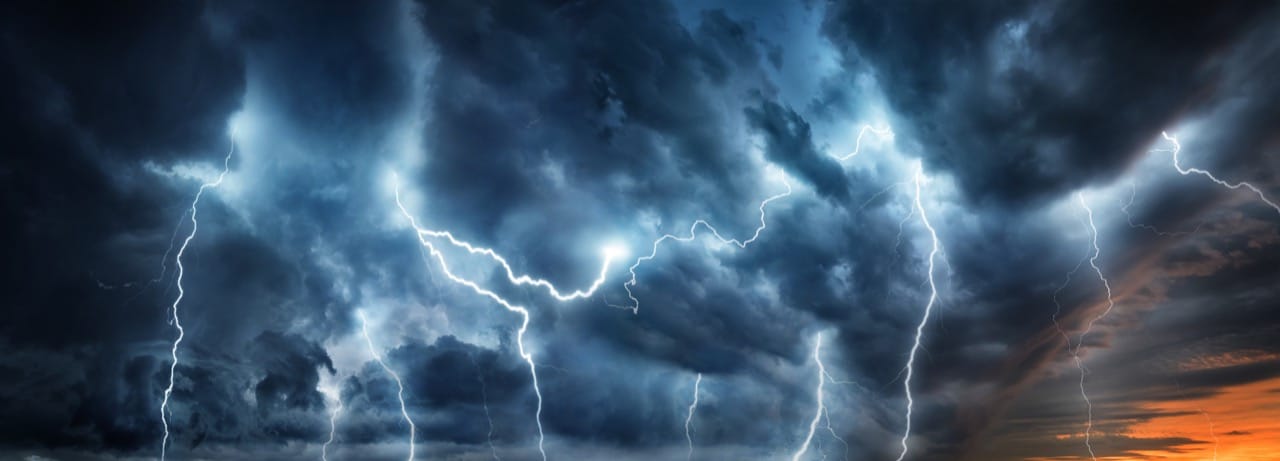
Electricity also shows up in the sky. Lightning is the dramatic discharge that happens when separated charges in clouds and between clouds and the ground build up enough voltage to break down the insulating air. Air normally resists current, but at high electric fields it becomes ionized and conductive, forming a path for a sudden, intense flow of charge. The thunder you hear is the shock wave from air heated and expanded by that current.
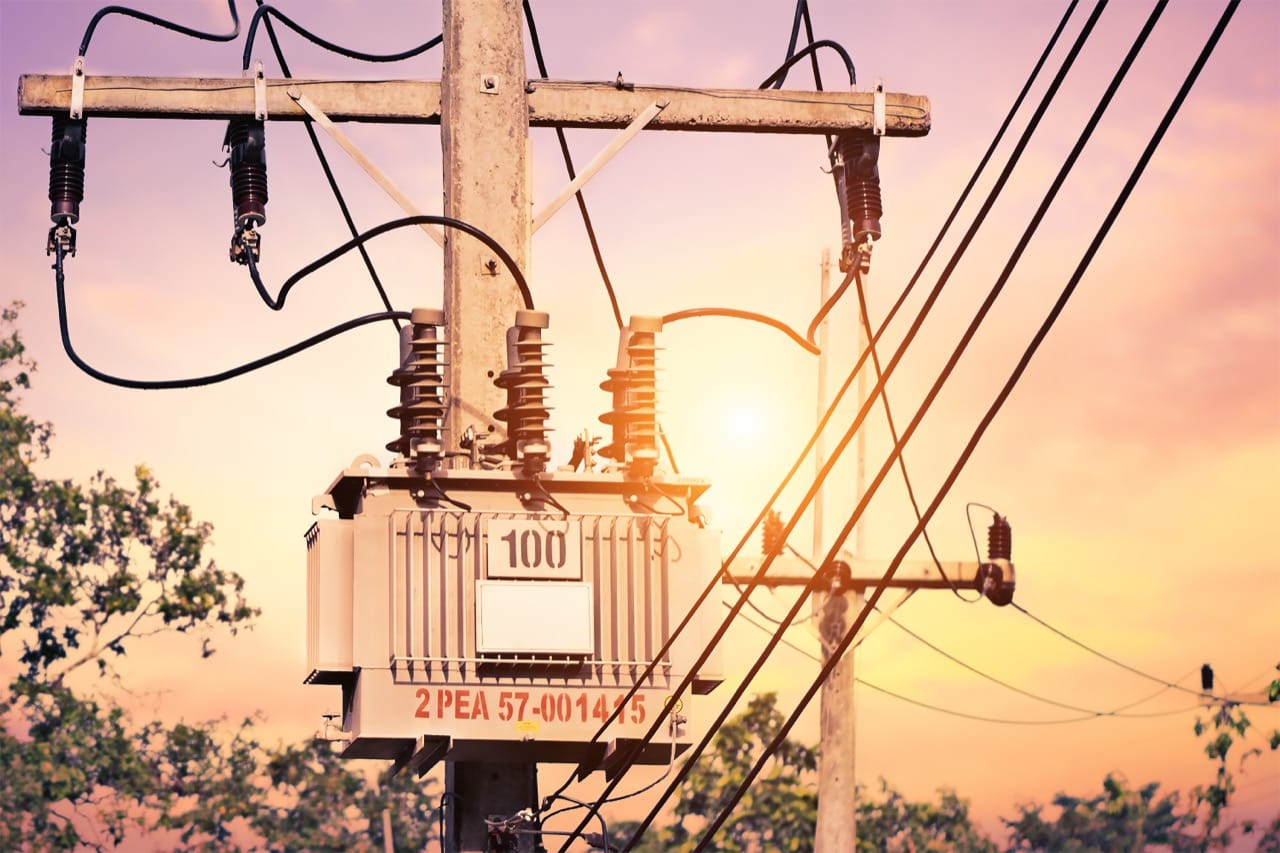
Everyday oddities often make more sense once you think in terms of potential differences and paths. Birds can sit on a power line because they are usually not providing a route for current to flow through them. If both feet are on the same wire, the bird is at nearly the same electric potential at both contact points, so little current passes through its body. The danger comes when an animal touches two points at different potentials, such as a wire and a grounded pole, creating a complete circuit.
Microwave ovens are another place where electricity takes an unexpected form. They use electrical energy to generate microwaves, a type of electromagnetic radiation. These waves make polar molecules, especially water, rotate back and forth. The friction and molecular collisions from that rapid motion produce heat inside the food. This is why microwaves can heat unevenly: the distribution of water, the shape of the food, and standing wave patterns inside the oven all matter.
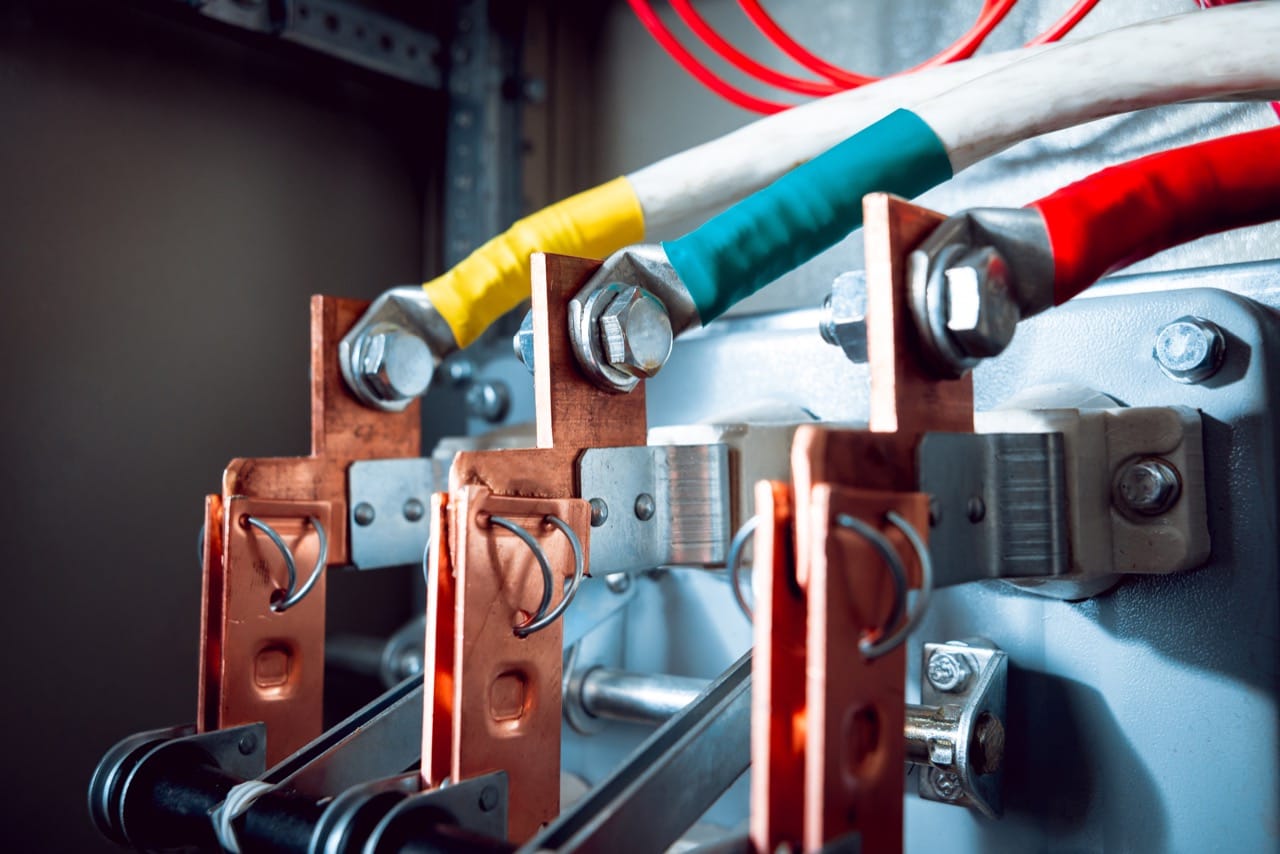
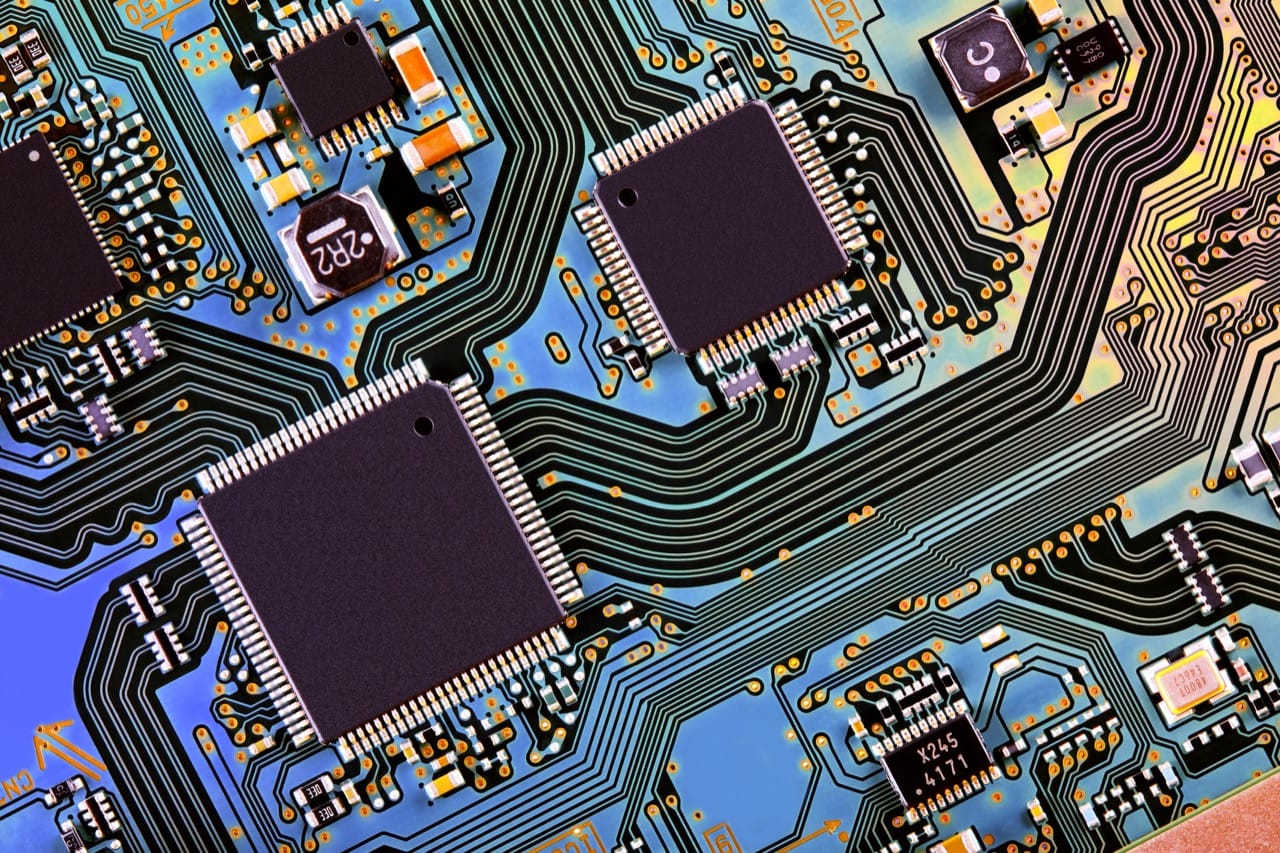
Materials play starring roles in electrical behavior. Metals conduct well because some electrons move freely through a lattice of atoms. Insulators hold electrons tightly, resisting current. Semiconductors sit in between, and their conductivity can be tuned with tiny amounts of impurities, enabling diodes, transistors, and modern computing. Even resistance, measured in ohms after Georg Ohm, connects to practical design: higher resistance reduces current for a given voltage, which is why thin wires heat up and why power lines use high voltage to deliver energy efficiently with less loss.
From word origins to weather and biology, electricity is less a single topic than a set of connected ideas about charge, energy, and fields. Once you start spotting those links, the world looks a little more wired than it first appears.