Origin Stories and Archetypes in Comic Films





Quiz Complete!
Origin Stories and Archetypes in Comic Films

Comic-book films may look wildly different on the surface, but many of their most popular characters are built from a familiar set of archetypes. These patterns are not clichés so much as storytelling tools. They help audiences quickly understand who a hero is, what they want, and what they fear, even when the setting involves alien worlds or impossible technology. Once you start noticing the building blocks, it becomes easier to see why certain origin stories repeat, why teams feel balanced when they do, and why some heroes work best alone.
The origin story is often a test of identity rather than a simple explanation of powers. A reluctant savior usually begins with an ordinary life, a personal loss, or a moral shock that forces a choice. The point is not the costume, but the moment the character decides responsibility outweighs comfort. Filmmakers return to this type because it creates instant stakes: if the hero could walk away, then staying matters. A common weakness here is guilt, which can be both motivating and corrosive, pushing the hero to overreach.
The tech genius archetype offers a different fantasy: control through intellect. In these stories, power is engineered, purchased, or hacked together, which makes the hero’s flaws feel tangible. Pride, impatience, or a blind spot about consequences can be the real villain before any external threat appears. Interesting fact: many tech-hero plots borrow from real-world concerns about surveillance, privatized security, and the ethics of invention. Their “superpower” is often adaptability, but their signature weakness is that every upgrade creates a new vulnerability someone else can exploit.
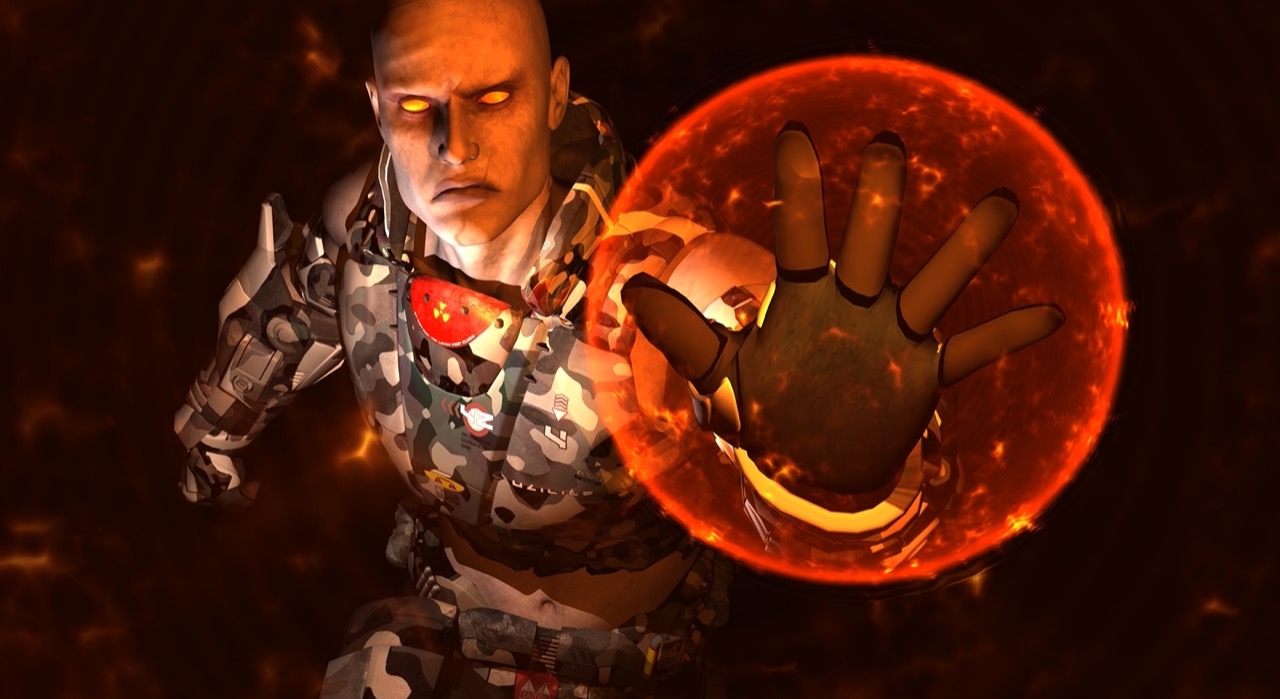
Cosmic outsiders bring scale and wonder, but their emotional core is frequently loneliness. Whether they are the last of their kind, displaced across galaxies, or simply misunderstood, their journey is about belonging. Their powers can seem limitless, so films often introduce constraints that are personal rather than physical: an oath, a code, a dependency, or a fear of losing control. This is why cosmic champions often pair well with more grounded characters. The contrast keeps the story relatable while letting the spectacle soar.
Street-level vigilantes are built for moral tension. They typically operate where institutions fail, and their “rules” are what separate them from the criminals they fight. No killing, no guns, protect the innocent at any cost, or never reveal the mission. These rules create drama because the villain’s job becomes forcing the vigilante to break them. A key insight is that many vigilante films are really about boundaries: how far a person can go before their cause becomes an excuse.
Antiheroes blur justice and revenge, and that ambiguity is their appeal. They may do the right thing for the wrong reasons, or the wrong thing for sympathetic reasons. Their origin stories often involve betrayal, trauma, or a life shaped by systems that never offered them a fair choice. Instead of a clear moral compass, they carry a personal code, and the plot tests whether that code can evolve. Modern comic films use antiheroes to explore accountability, because the audience is asked to enjoy the action while questioning the cost.
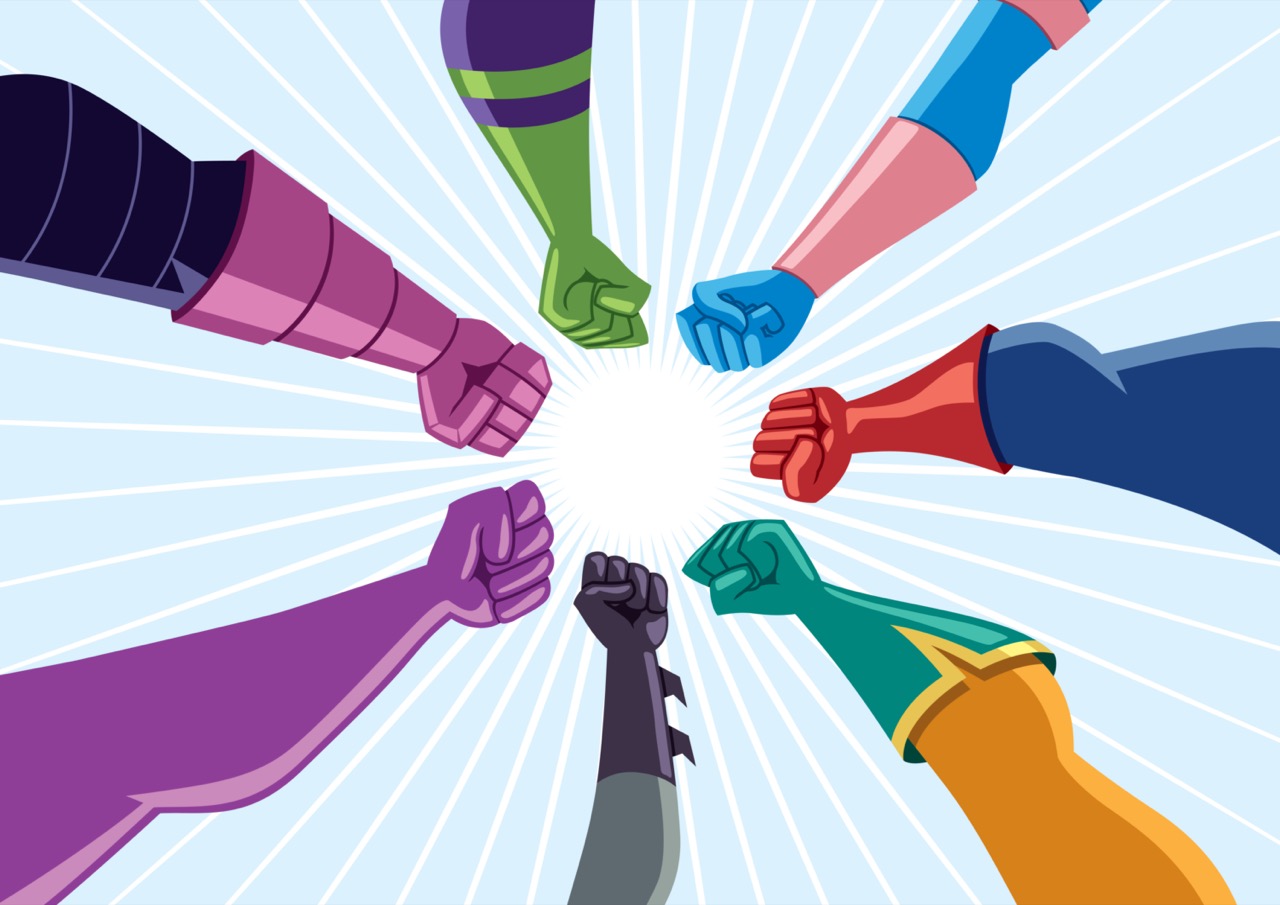
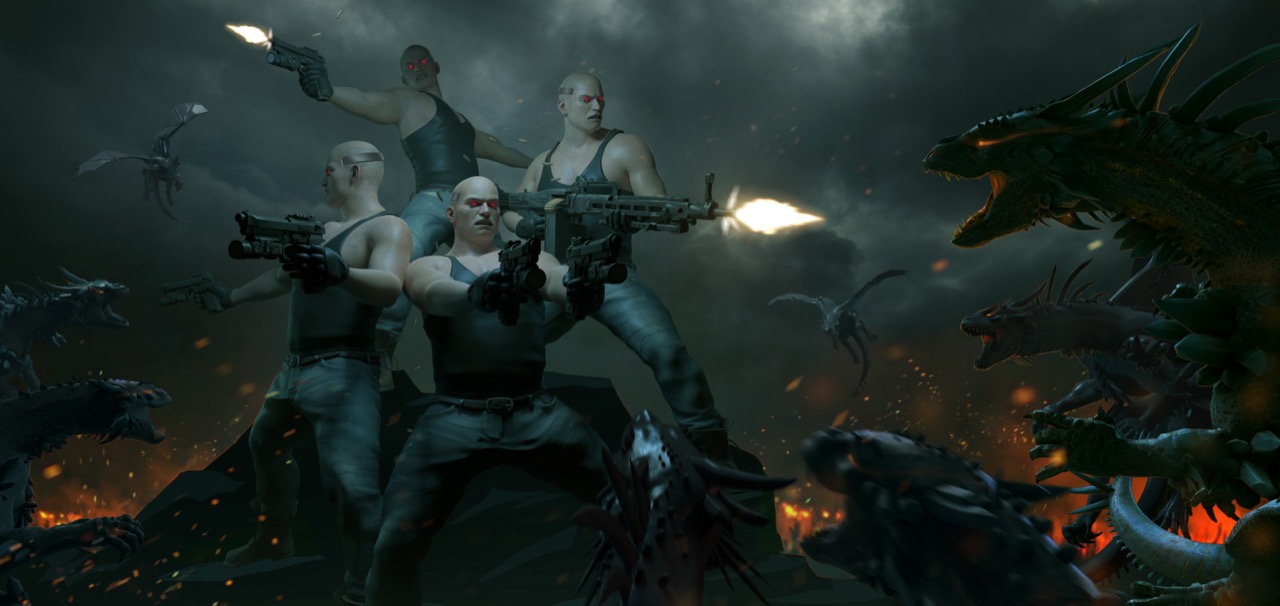
Ensemble movies rely on team roles as much as individual powers. The leader makes decisions under pressure, the powerhouse changes the battlefield, the strategist sees patterns, the heart keeps the group human, and the wildcard introduces risk and surprise. Mentors and sidekicks serve a similar purpose: they externalize the hero’s inner conflict. A mentor embodies the ideal the hero is trying to reach, while a sidekick reflects what the hero stands to protect. Even villains mirror these archetypes, acting as distorted versions of the hero’s path.
What keeps these archetypes fresh is remixing. A reluctant savior can also be a cosmic outsider. A tech genius can become a vigilante. An antihero can grow into a leader. Comic-book films thrive because they treat identity as a puzzle and power as a responsibility, then let familiar patterns collide in new worlds. The next time you watch a cape-less hero or a galaxy-spanning champion, it can be fun to ask not just what they can do, but which archetype they are wrestling with, and why it still works.