Neon Echoes Pop Art Connections Quiz Xtreme Edition


Quiz Complete!
Neon Echoes and Hidden Threads: How Pop Art Connected Culture, Commerce, and Technique
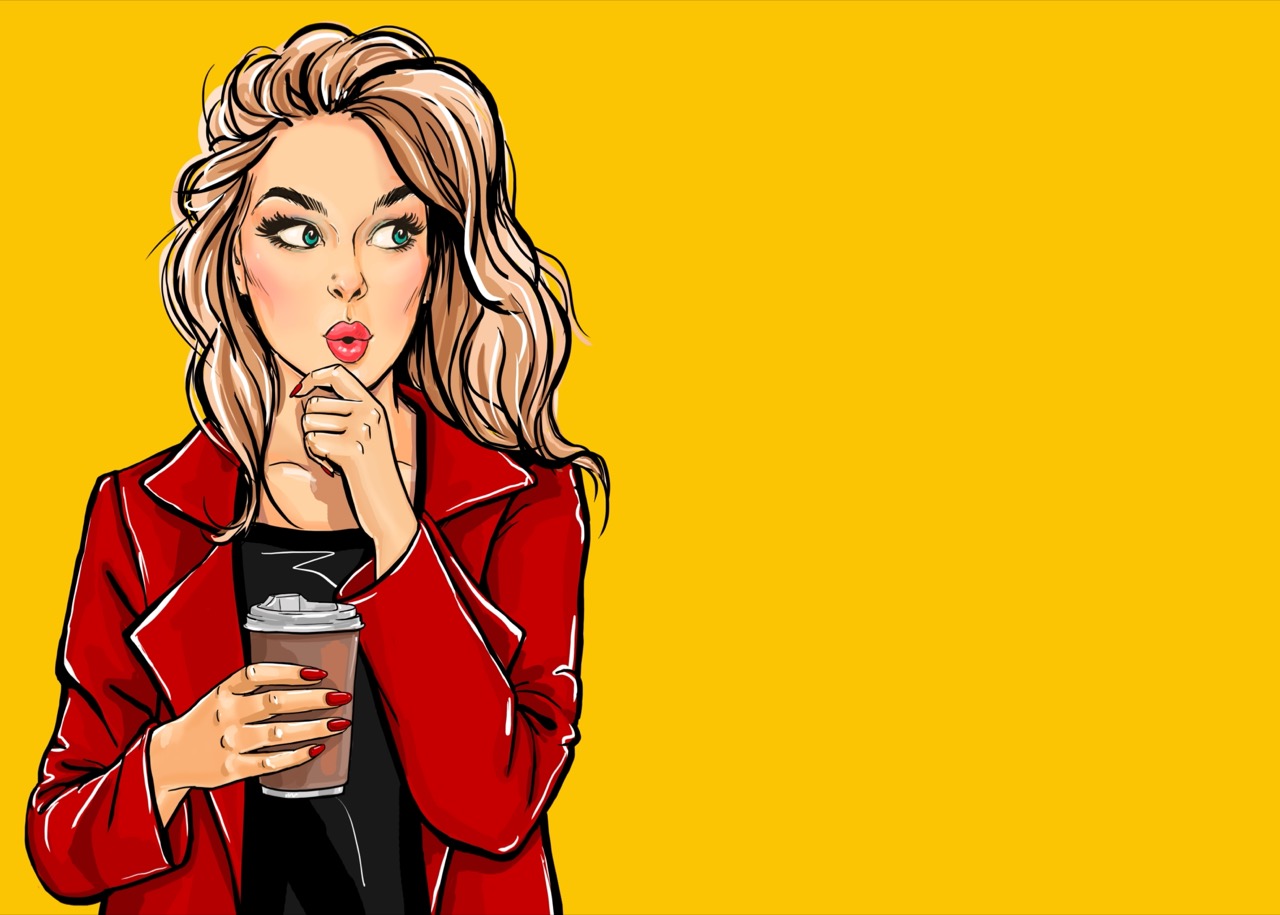
Pop Art is often remembered as a burst of bright color and instantly recognizable imagery, but its real power lies in how cleverly it stitched together worlds that used to seem separate. It treated billboards, supermarket aisles, movie magazines, and comic strips as legitimate visual sources, then turned them into art that could be funny, critical, and oddly intimate. The movement’s most fascinating feature is its network of connections: between older avant garde experiments and new consumer culture, between handwork and industrial processes, and between Britain’s postwar skepticism and America’s advertising driven confidence.
Many of Pop Art’s tricks were not invented from scratch. Long before soup cans and celebrity portraits, Dada artists were already challenging the idea of what counted as art. Marcel Duchamp’s readymades suggested that selection and context could matter as much as craft. Collage and photomontage, developed by artists working with newspapers and mass printed images, offered a direct ancestor to Pop Art’s habit of sampling. When Pop artists lifted an image from a magazine or repeated it like a product on a shelf, they were extending those earlier experiments into a new era dominated by television and branding.
Pop Art’s British roots are sometimes overlooked, yet they explain a lot about its tone. In 1950s Britain, artists and critics associated with the Independent Group studied American advertising, science fiction, and popular design with a mix of fascination and distance. Richard Hamilton’s famous collage that asks what makes today’s homes so different, so appealing packed a living room with consumer fantasies, almost like a playful warning. Eduardo Paolozzi’s early collages also treated mass media as raw material, foreshadowing the movement’s later obsession with repetition and spectacle.
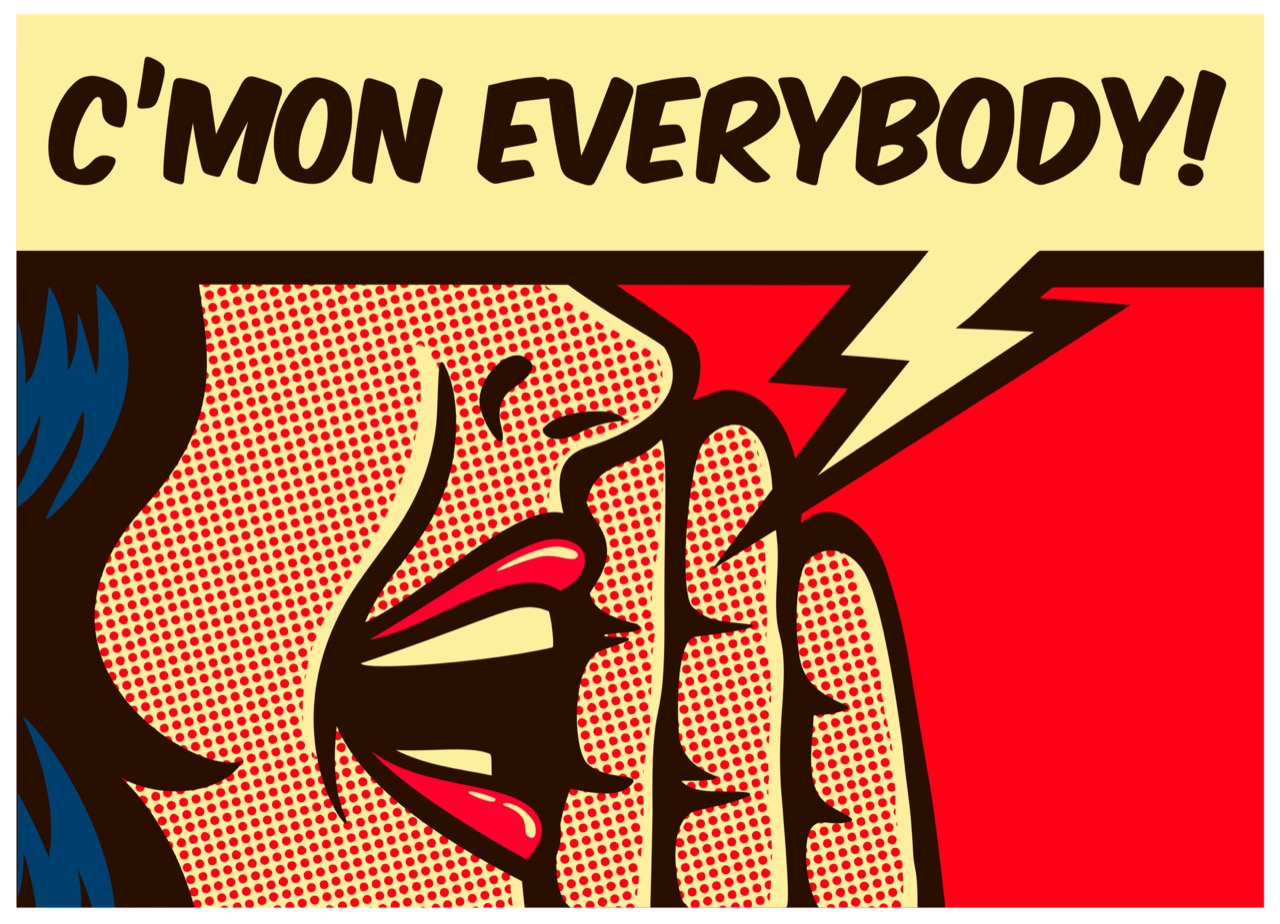
When Pop Art took off in the United States in the early 1960s, it met a culture where mass production was not just background noise but a national language. Andy Warhol’s approach made the studio feel like a factory, and that was the point. Screen printing, originally a commercial technique, allowed him to produce images that looked both personal and impersonal at once. The slight misregistrations and ink variations became a signature, suggesting that even mechanical reproduction carries traces of chance. Roy Lichtenstein, meanwhile, borrowed the look of comic printing dots and bold outlines, translating cheap newsstand graphics into monumental paintings that question how emotion gets packaged into clichés.
Other Pop artists expanded the conversation beyond flat images. Claes Oldenburg turned everyday objects into soft sculptures and oversized monuments, making consumer goods feel strangely vulnerable or absurd. James Rosenquist used his background as a billboard painter to create huge fragmented scenes that mimic the way advertising hits you in pieces while you move through the world. Tom Wesselmann’s interiors and nudes blended art history references with the visual language of product displays, hinting that desire itself was being redesigned by marketing.
Pop Art also kept a quiet dialogue with fine art traditions. Even when it looked new, it often echoed older composition strategies, portrait conventions, and still life themes, swapping fruit bowls for packaged foods and royal likenesses for movie stars. Celebrity became a modern form of icon painting, with repetition standing in for worship and media exposure replacing religious ritual.
Its influence spread quickly and kept evolving. In Japan, artists absorbed Pop’s graphic punch into new hybrids with local visual culture. In Europe, Pop mingled with political critique and design. Today its legacy is everywhere: in album covers, sneaker collaborations, streetwear logos, and the looping, remix driven style of social media. The same questions Pop Art raised still feel current: Who owns an image? How do brands shape identity? When everything is reproducible, what makes something feel real? Pop Art endures because it never stopped being about the world we actually live in, where art, commerce, and media are constantly borrowing from one another.