Megabytes and Milestones Record Breaking Tech Trivia







Quiz Complete!
Megabytes and Milestones: Record Breaking Moments That Shaped Modern Technology
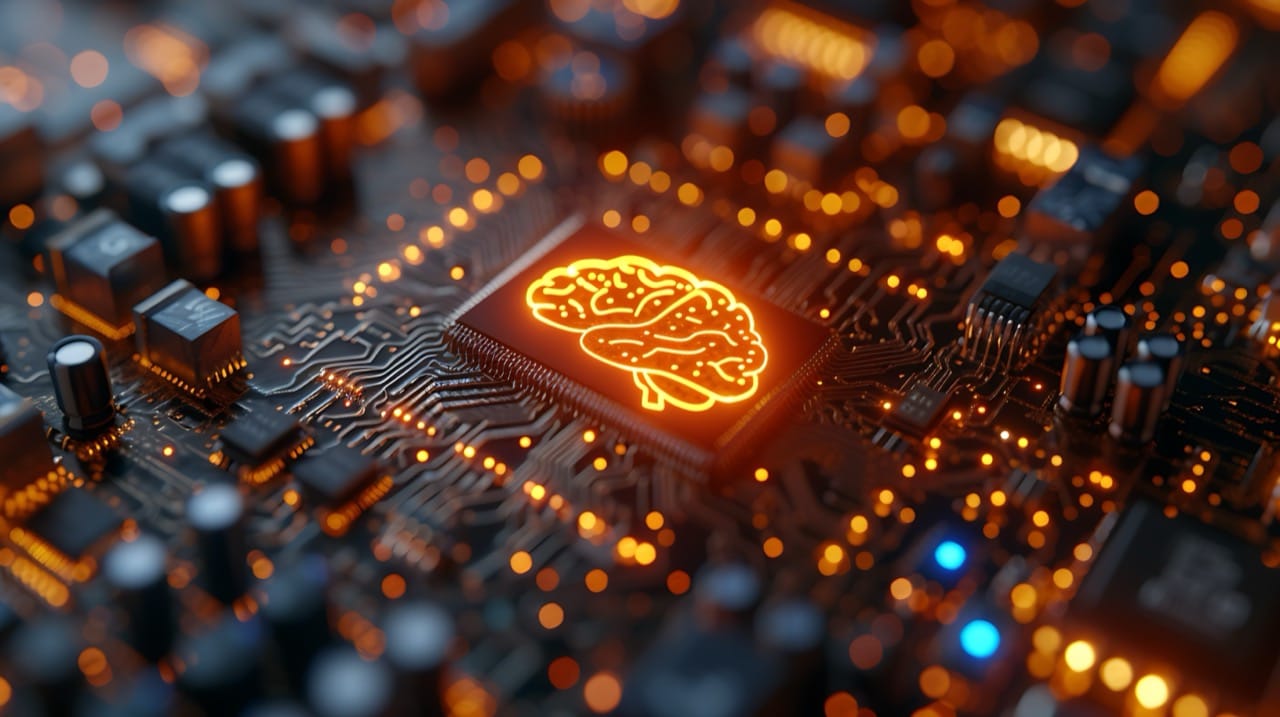
Technology history is full of superlatives, and the most memorable milestones often come with numbers that sound unbelievable until you remember how quickly engineering evolves. Early electronic computers could fill a room yet struggle with tasks your phone handles casually. ENIAC, completed in the mid 1940s, used thousands of vacuum tubes and consumed enormous power, but it proved that programmable electronic computing could work at scale. A few years later, the idea of storing programs in memory, rather than rewiring hardware for each new job, helped set the pattern for modern computers. Those early breakthroughs mattered less because they were convenient and more because they were possible, and once something is possible, competition quickly turns it into a race.
One of the most influential record setters was not a single machine but a tiny component. The transistor, demonstrated in 1947, replaced fragile, heat producing vacuum tubes with a smaller, more reliable switch. That shift unlocked miniaturization, and it set the stage for the integrated circuit, where many components could be built onto one piece of semiconductor material. When microprocessors arrived in the early 1970s, putting a computer’s central processing unit on a single chip, it became feasible to build affordable personal computers. The numbers behind chip progress are famously summarized by Moore’s law, a long running observation that transistor counts tended to rise rapidly over time. Even as the pace changes, the trend toward smaller features continues, with modern manufacturing measured in nanometers, a reminder that record breaking today often happens at scales too small to see.
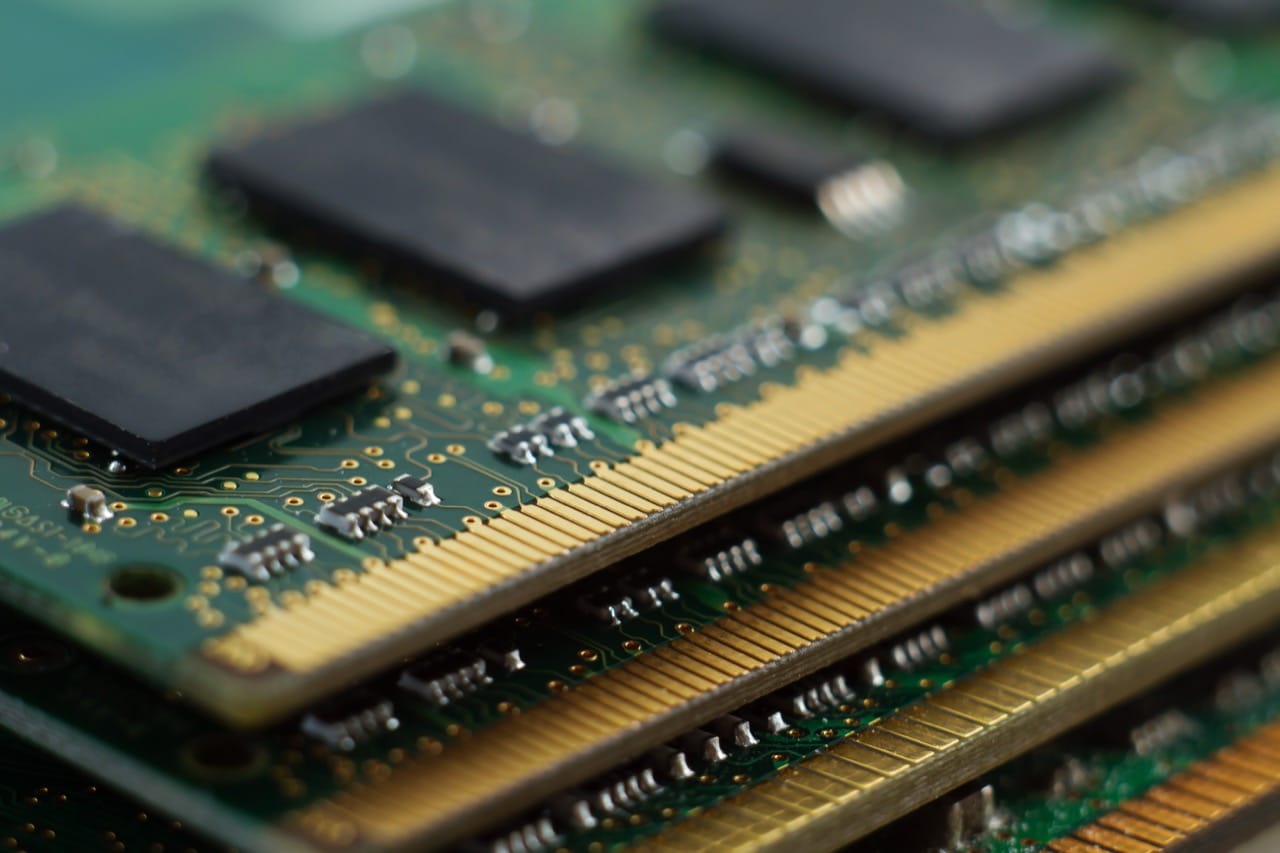
Storage milestones tell a similarly dramatic story. Early hard drives could weigh as much as a person and store only a few megabytes, with costs that made data feel precious. Over decades, magnetic storage density exploded, and solid state storage removed moving parts entirely. The result is that terabytes, once the stuff of research labs, are now common in consumer devices. It is not just about capacity either. Speed records matter because they change what software can do. Faster storage and more memory enable everything from instant photo libraries to large language models, and they also make new experiences feel normal so quickly that we forget they were once engineering stunts.
The internet has its own set of landmark firsts. ARPANET, a pioneering packet switched network, sent early messages in 1969 and proved that computers could share data in a resilient way. Decades later, the World Wide Web popularized the internet for everyday use by combining web pages, browsers, and a simple addressing system. Email, domain names, and TCP IP protocols became foundational, and each milestone brought a shift in scale. When the number of connected devices began to outgrow the available addresses in IPv4, IPv6 provided a vastly larger pool, a behind the scenes change that supports the modern world of phones, sensors, and smart appliances.
Supercomputers are where the biggest numbers tend to appear, and the record book is constantly rewritten. Performance is often measured in floating point operations per second, with milestones like gigaflops, teraflops, petaflops, and now exaflops marking leaps in capability. These machines are not just about bragging rights. They model climate, simulate materials, forecast weather, and help design medicines. The engineering feats include packing thousands of processors together, moving data fast enough to keep them busy, and managing power and heat so the whole system can run reliably.
What makes record breaking tech trivia fun is that the details really do matter. A first can mean first to exist, first to be practical, or first to be widely adopted. A unit can change the story, whether you are talking about bits versus bytes or decimal versus binary prefixes. And behind every spectacular number is a human story: researchers chasing a theory, engineers solving a bottleneck, and users discovering that a new invention quietly changed how the world communicates.