Icon Hunt Pop Art Signs and Meanings Pro Mode


Quiz Complete!
Icon Hunt: How Pop Art Turned Everyday Signs into Cultural Clues
Pop Art is often described as loud, bright, and instantly recognizable, but its real power comes from how it treats ordinary signs as evidence. Instead of inventing new symbols, Pop artists borrowed the ones already shaping daily life: brand logos, product labels, comic book speech bubbles, celebrity photographs, and the simplified graphics of advertising. By pulling these familiar images into galleries and museums, they asked a provocative question: if an image dominates our attention in the supermarket aisle or on a billboard, why should it be excluded from serious art?
One of the most famous Pop strategies is repetition. Andy Warhol’s soup cans and rows of celebrity faces mimic the logic of mass production, where sameness is a feature, not a flaw. In a factory, repetition promises consistency; in advertising, repetition builds desire through familiarity. On a canvas, it can feel hypnotic or unsettling. Seeing the same face again and again can flatten a person into a product, suggesting that fame itself is manufactured. Warhol’s interest in screen printing was not just a technical choice but a message: the method looks mechanical, and the slight imperfections from one print to the next hint at how even mass culture contains small accidents and distortions.
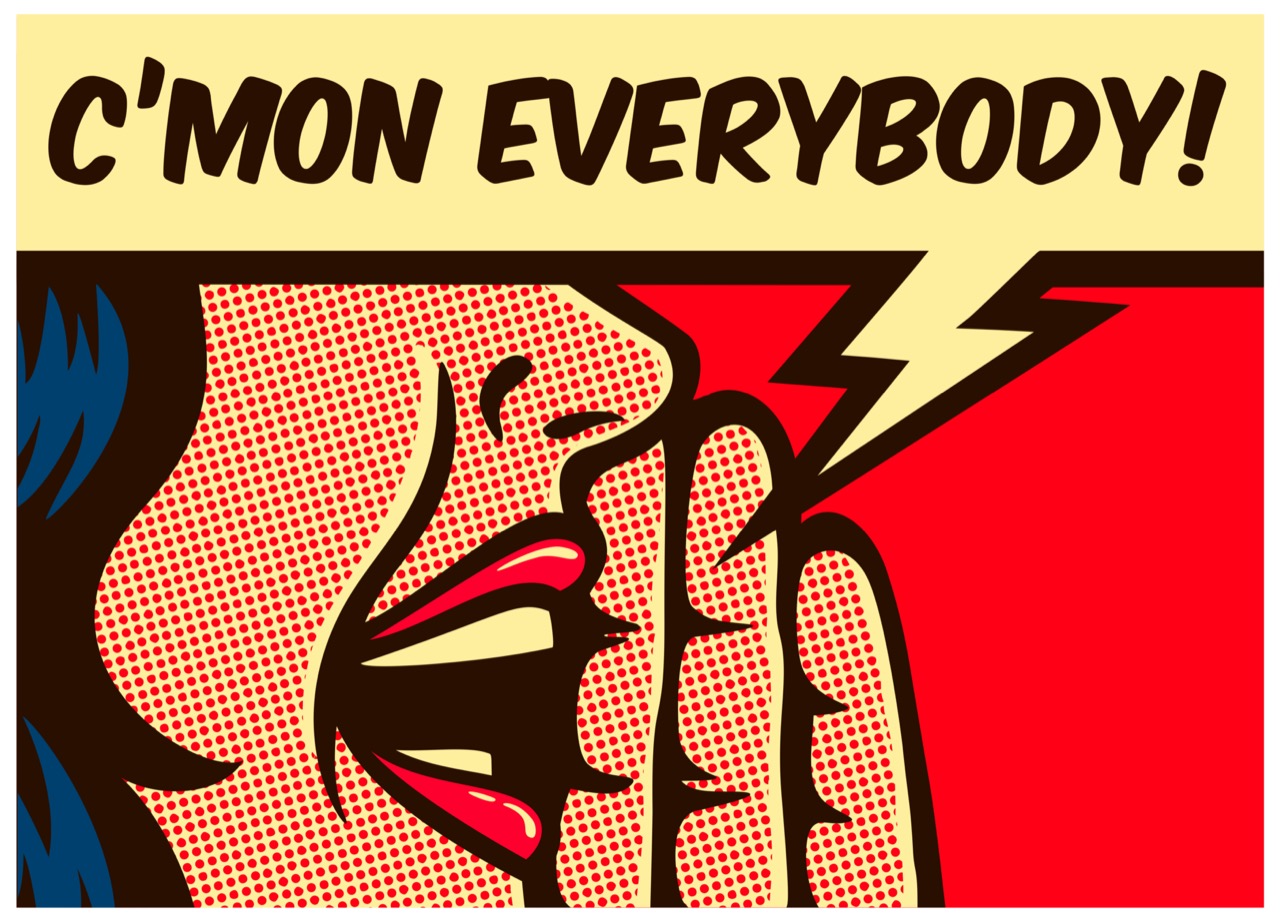
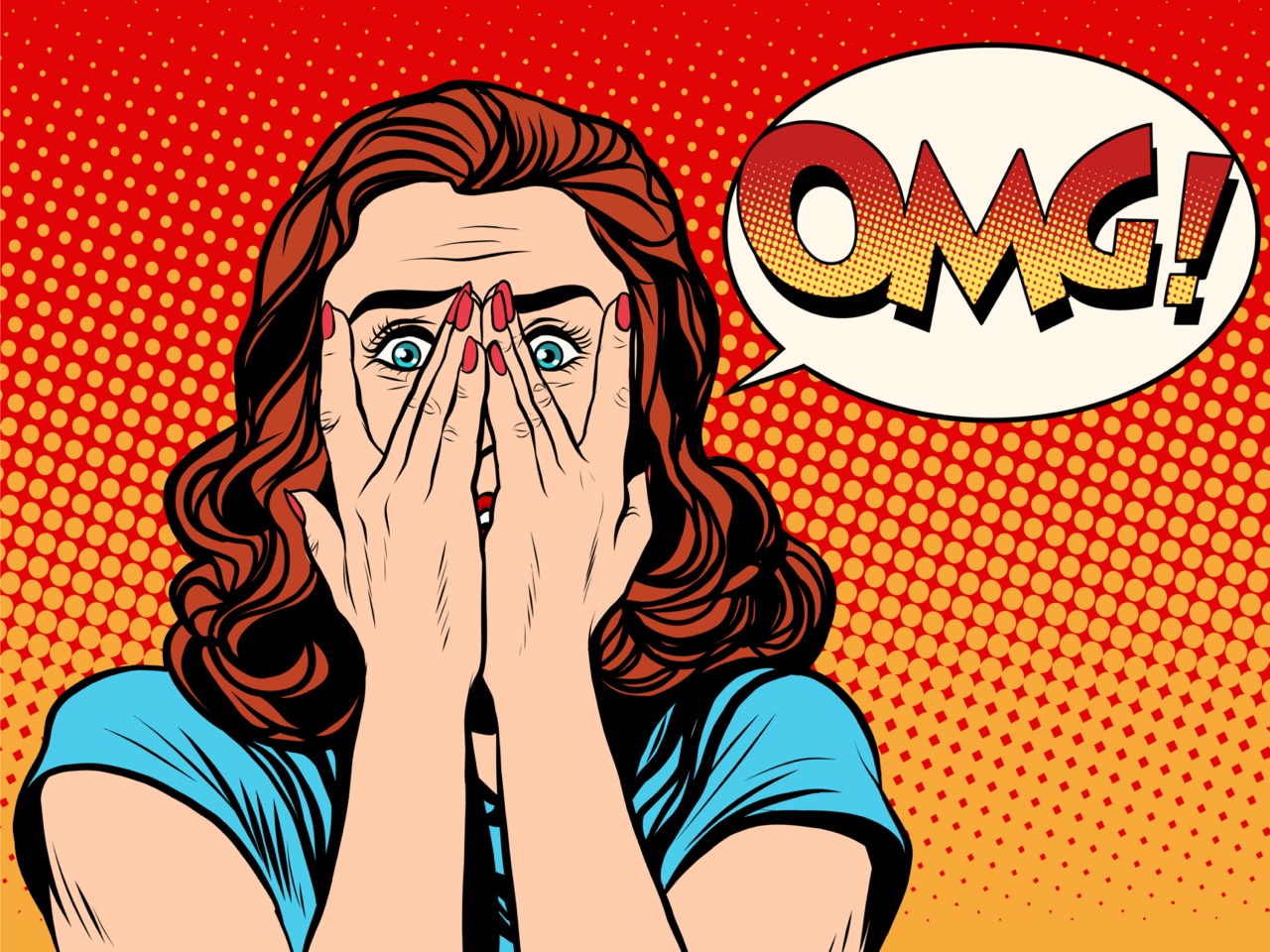
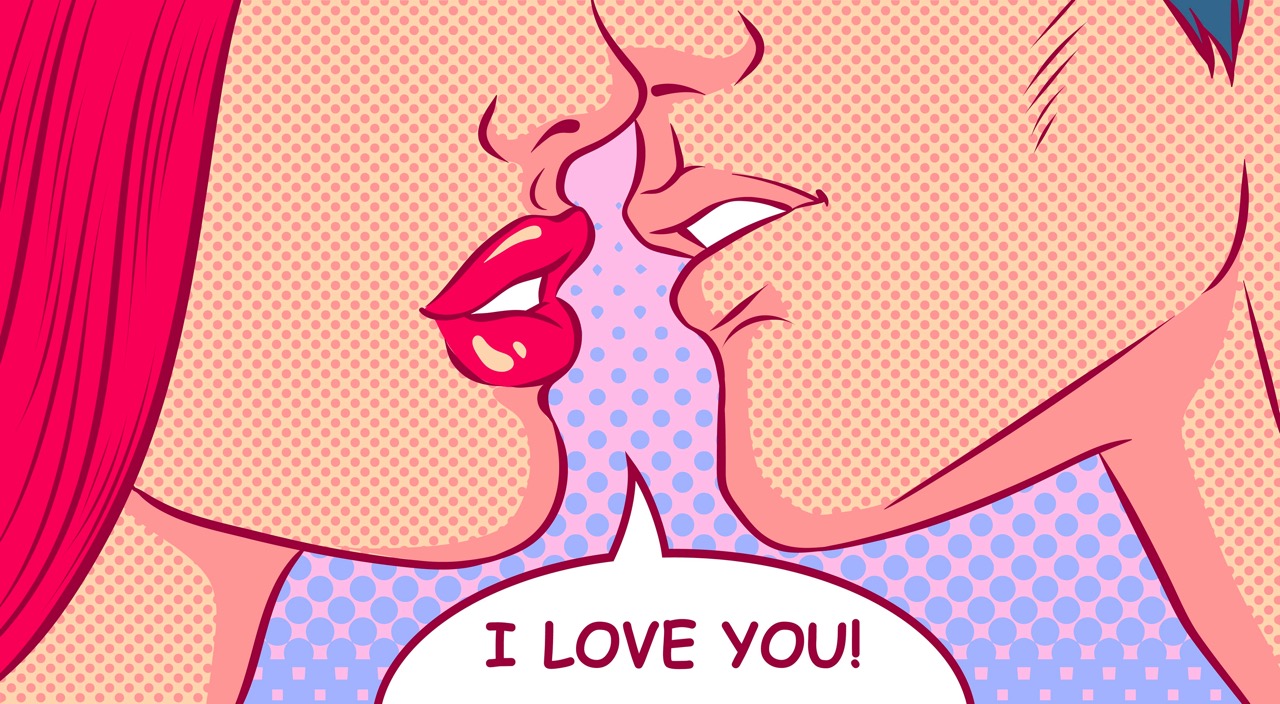
Pop Art also thrives on flat color and hard edges, which borrow the visual punch of commercial printing. Bold blocks of primary color and crisp outlines read quickly, like a poster glimpsed from a passing car. This directness is part of the point. Advertising is designed to be understood instantly, and Pop Art often keeps that speed while changing the context. Roy Lichtenstein’s comic-inspired paintings, for example, enlarge panels that were originally meant to be disposable entertainment. By magnifying the Ben Day dots and the melodramatic expressions, he makes viewers notice the language of comics: simplified emotion, dramatic cropping, and captions that tell you what to feel. The famous words in speech balloons, like WOW or OH JEFF, are not just jokes. They are compressed cultural scripts about romance, heroism, and consumer-era drama.
A key Pop question is whether the work celebrates popular culture or criticizes it. The answer is often both. A shiny product package can look beautiful, and Pop artists did not pretend otherwise. At the same time, turning a mundane label into a monumental image can expose how strongly branding shapes identity and desire. Claes Oldenburg’s oversized sculptures of everyday objects push this idea further by making the familiar strange through scale. When a common item becomes gigantic, it stops being purely practical and starts to feel like an idol.
Pop Art emerged in different forms on both sides of the Atlantic. British Pop, developing in the 1950s, often carried a more analytical tone, examining American-style consumer abundance from a slight distance. Richard Hamilton’s collage work is frequently cited as a foundational moment because it assembles household goods, media images, and modern interiors into a single snapshot of desire. American Pop in the 1960s arrived in a culture already saturated with television, magazines, and advertising, and it leaned into that saturation with a cooler, more deadpan surface.
What makes Pop Art a great subject for an icon-hunting quiz is that it trains you to read images the way you read a city street. A logo is never just a logo; it is a promise, a memory, and a social signal. A repeated portrait is never just a face; it is a lesson in how fame circulates. A comic bubble is never just text; it is a shortcut to emotion, packaged for quick consumption. Pop Art turns these everyday signs into clues about the era that produced them, and about the ways our own attention is shaped by what we see again and again.