Circuit Mashups and Silicon Side Stories
Quiz Complete!
Circuit Mashups and Silicon Side Stories: Where Computers Borrowed, Blended, and Bounced Back
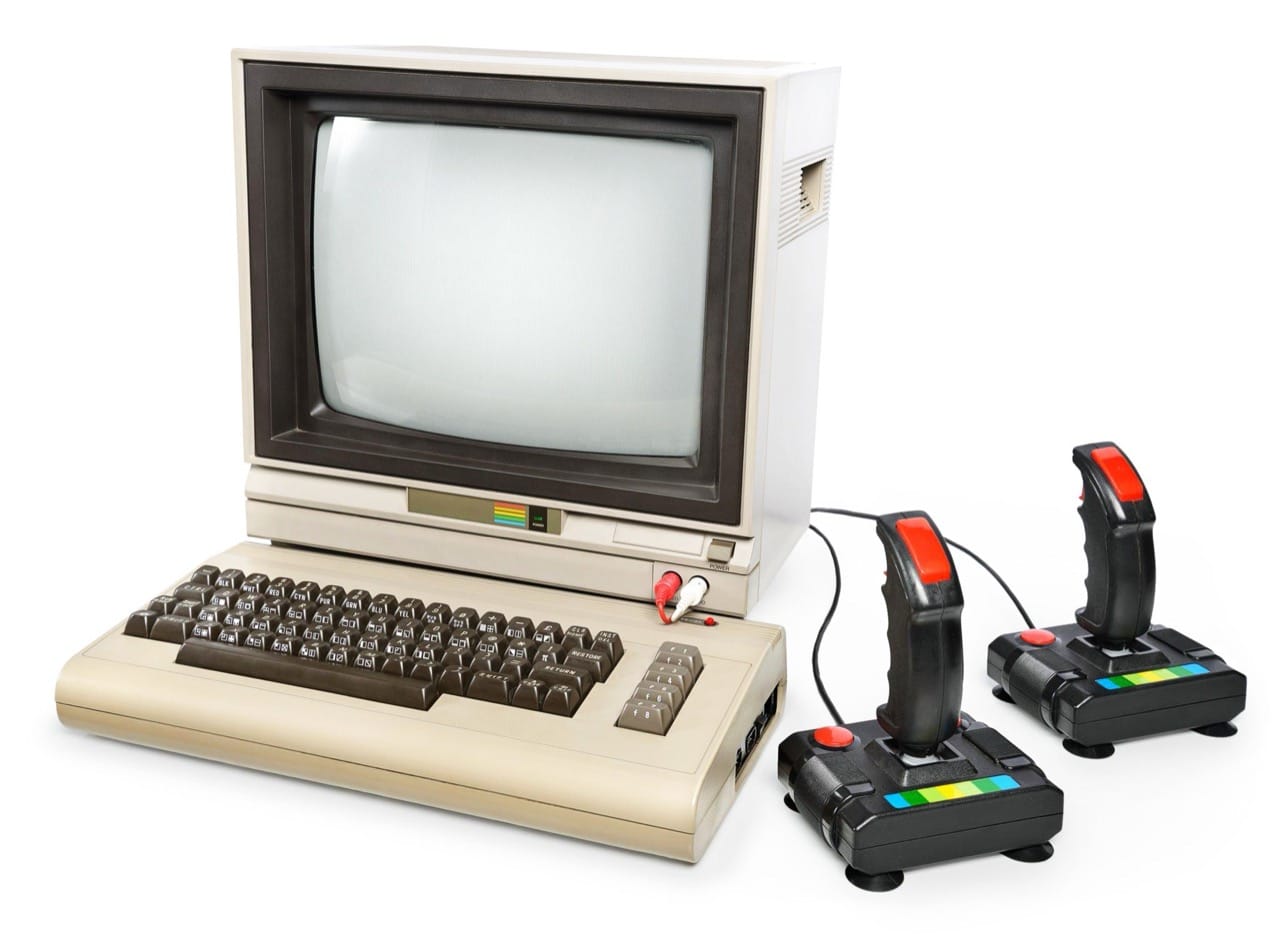
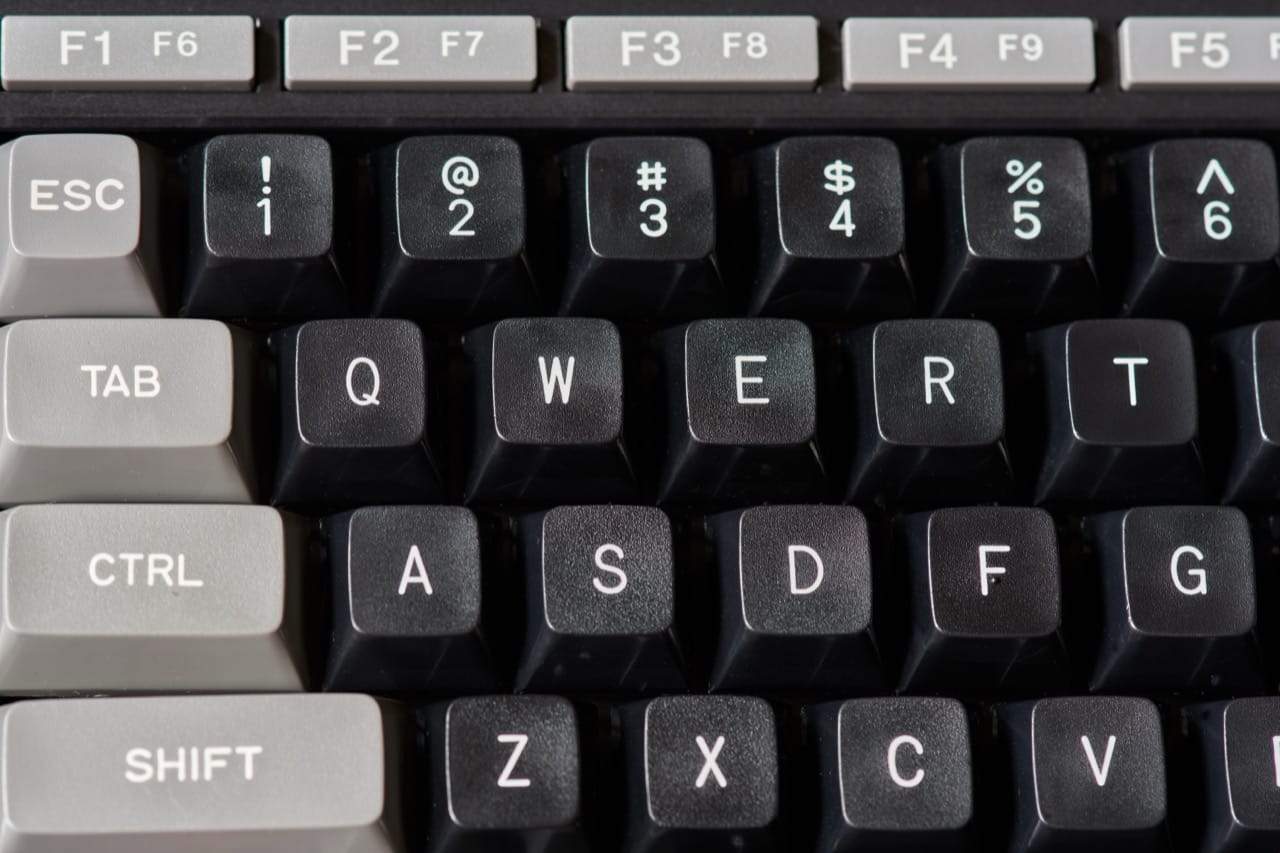
Computers feel like a category of their own, but many of their most familiar features are hand-me-downs from older technologies, stitched together by practical needs and happy accidents. Take the keyboard: the common QWERTY layout was shaped for mechanical typewriters, partly to reduce jamming by separating frequently paired letters. When computers arrived, it was far easier to keep a layout people already knew than to retrain the world. Even the word “typewriter” lingered in early computing culture, and the idea of a “keyboard” as the main input device is really a continuation of office machinery. The same is true for the “return” key, a direct echo of the carriage return lever that moved paper back to the left margin. Modern keys like Shift and Control also come from earlier needs: Shift literally shifted typebars to access uppercase letters, while Control grew into a way to send non-printing commands.
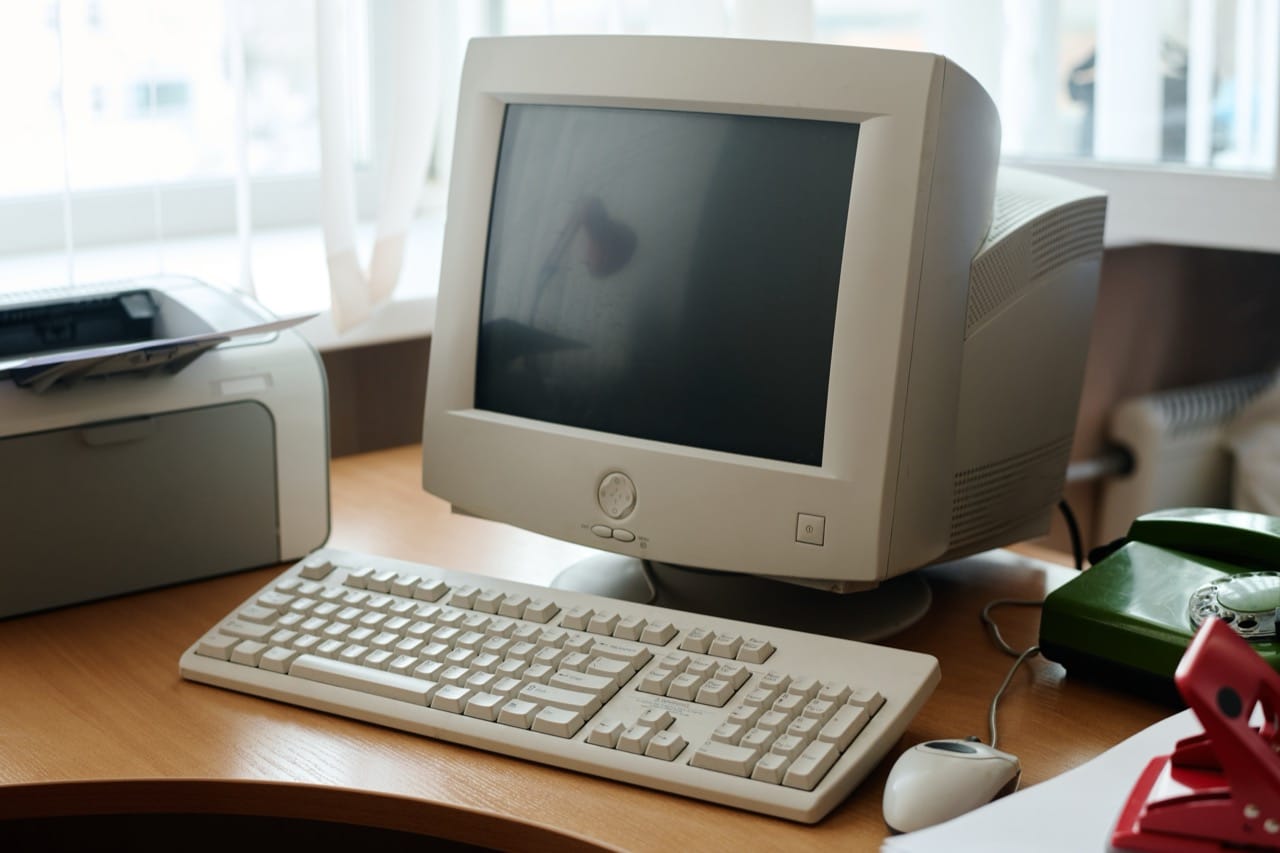
Telephony and radio contributed just as much. Long before home internet, modems were built to let computers talk over phone lines by turning digital bits into audible tones. That legacy still shows up in the language of “dial-up,” “handshaking,” and even “carrier” signals. Meanwhile, television helped normalize the idea of a live, refreshing display. Early computer monitors borrowed concepts from CRT televisions, including scan lines and timing signals. That is why so much early computer graphics is tied to video standards and why terms like “raster” show up in computing. Even today, display connectors and resolutions carry the DNA of broadcast and consumer video.
Wartime cryptography and codebreaking pushed computing from theory into urgent engineering. During World War II, the pressure to decode messages at scale encouraged the development of specialized machines and the organizational habits that resemble modern computing projects: large teams, careful procedures, and relentless testing. The idea that computation could be mechanized to process patterns faster than humans helped shape later general-purpose computers. After the war, cryptography continued to influence computing through secure communications, authentication, and the constant tug-of-war between secrecy and openness. Many everyday actions, from logging in to shopping online, trace back to principles refined under high-stakes conditions.
Office inventions quietly became digital standards. Filing systems inspired folders and directories. Index cards resemble early database thinking: structured fields, consistent formats, and fast retrieval. Even the “clipboard” is a metaphor from the physical desktop. Terms like “cut,” “copy,” and “paste” reflect literal editing methods used in publishing, where text was physically cut and rearranged. When graphical interfaces arrived, they succeeded partly because they mapped computer actions onto familiar desk work.
Rival platforms also cross-pollinated more than people admit. Interface ideas spread through employees moving between companies, through published research, and through the simple fact that users demanded similar conveniences everywhere. Networking is another story of mashups. Early experiments linked distant machines for resource sharing and resilience, borrowing ideas from telegraphy, packet radio, and military communications. Concepts like packets, routing, and addressing sound abstract, but they mirror real-world logistics: break a message into pieces, label them, send them by any available path, and reassemble them at the destination.
Even computer vocabulary is full of borrowed metaphors. A “bug” was famously popularized after an actual moth was found in a relay-based machine, but the term also fits the older engineering habit of calling glitches “bugs.” A “boot” comes from the notion of bootstrapping, doing something seemingly impossible by using a small starting mechanism to lift yourself into a working state. “Handshake” comes from human ritual, “driver” from machinery, and “daemon” from a background helper spirit in older scientific slang.
The result is that modern computing is less a straight line of invention and more a busy intersection. Every time you press Enter, connect to Wi-Fi, plug in a display, or trust a password manager, you are using a tool shaped by telephones, televisions, offices, battlefields, and laboratories. The fun of these connections is realizing that the devices in your pocket are not isolated miracles, but the latest remix in a long history of practical borrowing and unexpected feedback into everyday life.