Chromed Soup Cans and Comic Shouts Quiz






Quiz Complete!
Chromed Soup Cans and Comic Shouts: How Pop Art Remade Modern Images

Pop Art is often remembered as a parade of bright colors, celebrities, and supermarket products, but its real revolution was broader and sneakier. It changed not only what artists pictured, but how they made pictures and where those pictures could appear. Pop Art treated mass media as both subject and toolbox, borrowing the look of advertising, comics, and packaging while using industrial methods that made art feel more like something you might encounter in a shop window than a hushed museum.
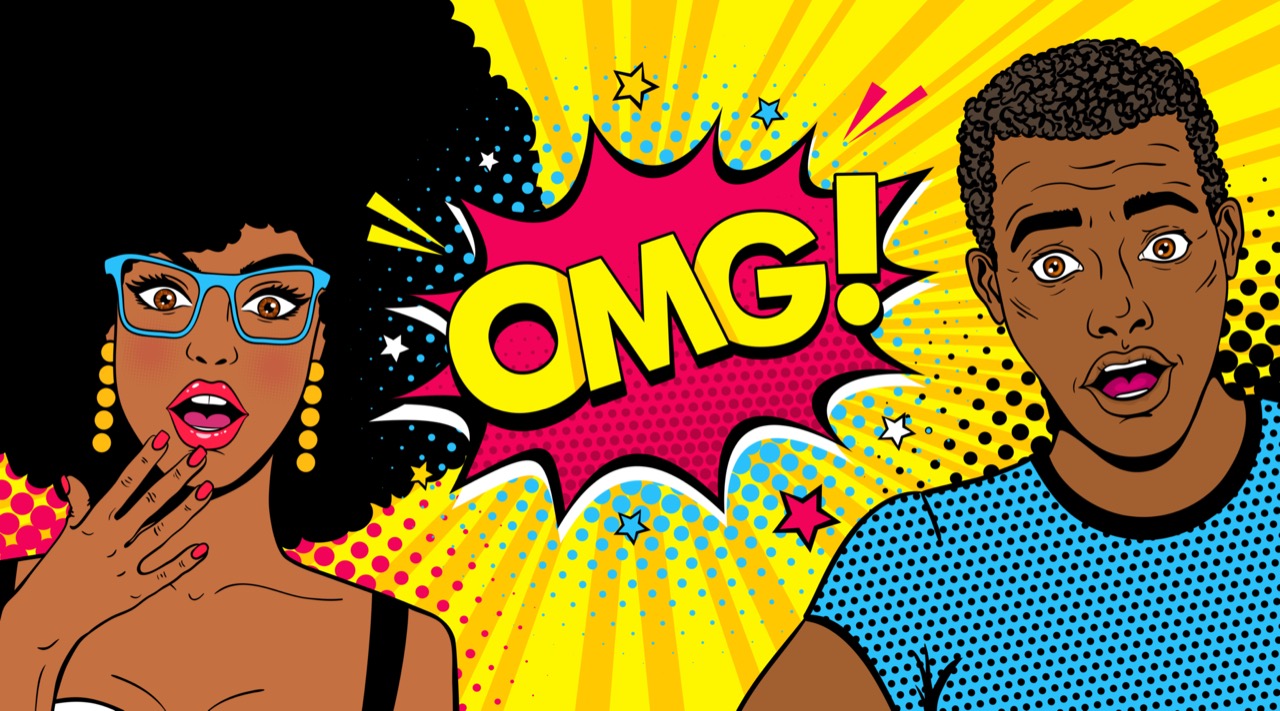
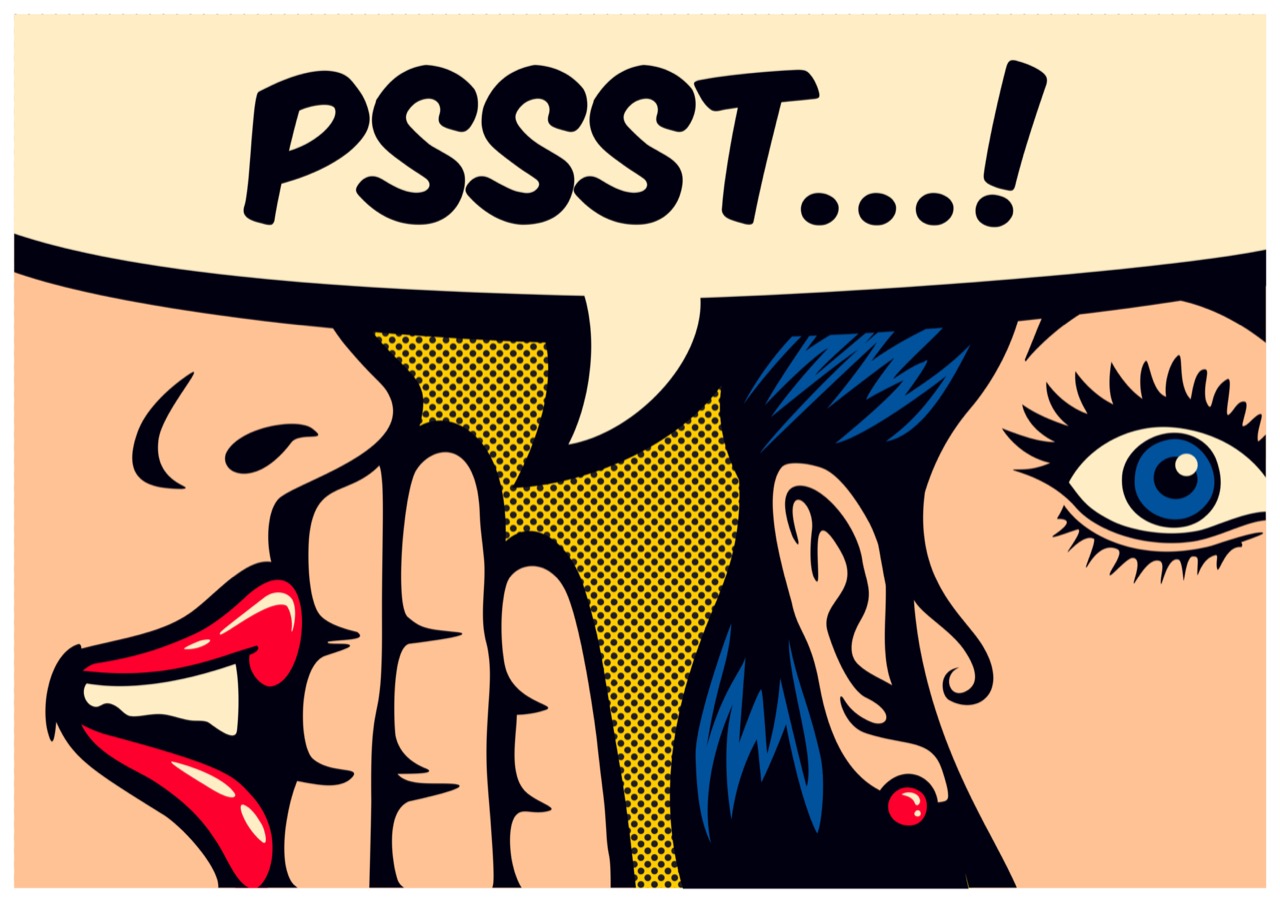
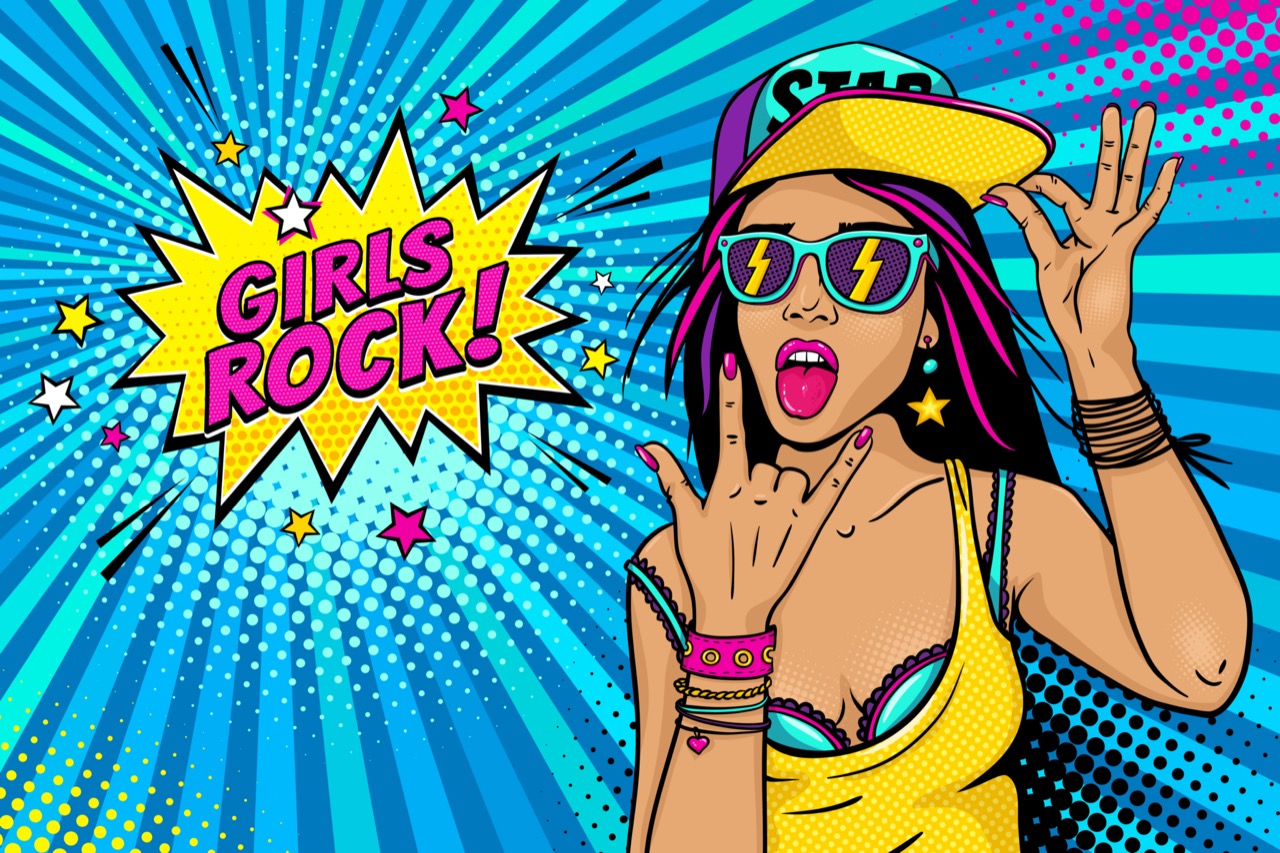
One of the most recognizable Pop signatures is the Ben-Day dot, the tiny pattern of colored dots used in commercial printing to create shading and blends, especially in mid-century comic books. Artists such as Roy Lichtenstein enlarged these dots until they became almost architectural. By mimicking the printing process, he turned the mechanics of reproduction into the drama of the image. His paintings often keep the crisp outlines and simplified colors of comic panels, but they also slow the moment down, making you notice how emotions can be manufactured through visual shorthand like a teardrop, a speech bubble, or a burst of onomatopoeia.
Andy Warhol pushed reproduction even further through screenprinting, a technique rooted in commercial signage and textile printing. Screenprinting allowed him to repeat the same image with slight variations, turning repetition into meaning. A soup can or a movie star could be printed again and again, echoing the way mass culture circulates icons until they feel both intimate and strangely hollow. The method also welcomed accidents: misaligned layers, uneven ink, and smudges. Those flaws made the work feel simultaneously machine-made and human, a perfect match for Pop Art’s fascination with the boundary between factory and studio.
Pop Art did not limit itself to paint on canvas. Found objects and assemblage helped expand the movement into three dimensions, where everyday materials could be elevated, questioned, or simply enjoyed. Claes Oldenburg became famous for oversized versions of ordinary items and soft sculptures that made rigid consumer goods look floppy and vulnerable. Inflatable sculptures and large-scale public works brought Pop into streets and plazas, proving that art could share space with billboards, traffic, and storefronts without losing its bite.
The movement also depended on innovations that sound technical but had real creative impact. Commercial inks offered sharper, flatter color than traditional oil paint, matching the clean punch of printed advertising. Photographic transfers and projectors helped artists trace or reproduce images with a new kind of accuracy, blurring the line between handmade drawing and mechanical copy. Industrial fabrication, including metalworking, plastics, and professional sign painting, let artists produce surfaces that looked manufactured rather than brushed, aligning the art object with the sleekness of consumer design.
Pop Art’s cast was wider than a single city or style. Tom Wesselmann’s bold still lifes and nudes mixed art history with the language of magazine layouts. James Rosenquist brought the scale of billboard painting into the gallery, creating fractured panoramas of consumer desire. In Britain, Richard Hamilton and Eduardo Paolozzi explored how American advertising and technology shaped postwar imagination, helping set the stage for Pop’s later explosion.
What makes Pop Art endure is its double vision. It can feel celebratory, like a high-volume jukebox of modern life, but it can also feel critical, exposing how images sell dreams and identities. By embracing the tools of mass production and the aesthetics of commerce, Pop Art proved that modern culture itself could be a studio, and that the most ordinary objects, printed dots, and loud comic shouts could become the raw material of lasting art.