Backstage Pass to Asian Travel Secrets










Quiz Complete!
Backstage Pass to Asian Travel Secrets: The Small Systems That Make Trips Smoother

A lot of what makes travel in Asia feel efficient, confusing, or surprisingly strict comes down to hidden systems that locals take for granted. You notice the temples and skylines, but the real magic is often in the rules and habits that keep millions of people moving. Understanding a few of these backstage details can save time, prevent awkward moments, and help you read situations faster.
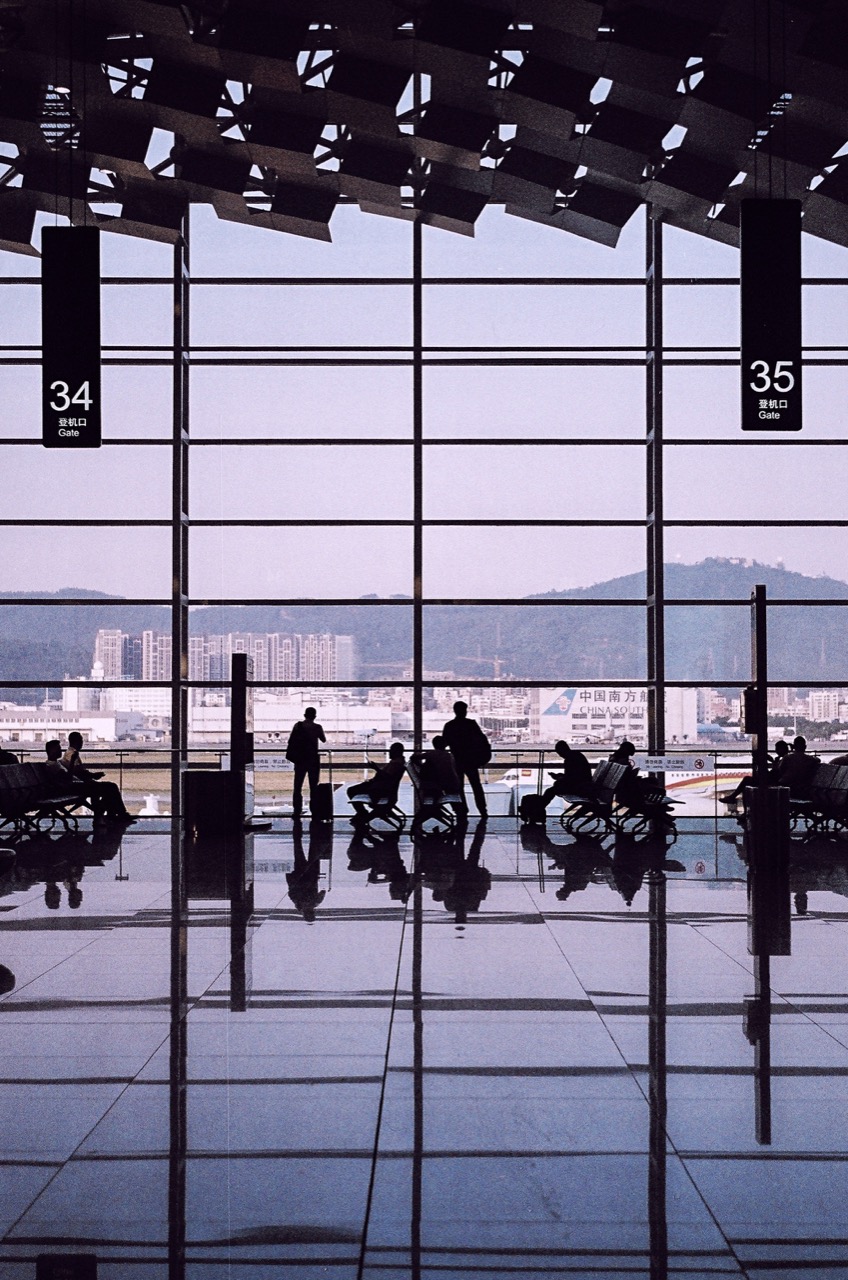
Start at the airport, where passport handling can be more than a formality. Some places still use paper arrival and departure cards, and losing the departure portion can create delays when you leave. In others, your passport might be stamped with a date that is not your permitted length of stay unless you also check a separate sticker or receipt. It is worth taking ten seconds at the counter to confirm the allowed days, because overstays can lead to fines, extra paperwork, or being escorted to a payment window you did not know existed. Another quiet detail is that some hotels are legally required to record passport details for foreign guests. That is not always a sign of distrust; it can be a compliance rule, and staff may photocopy your passport or ask you to fill in a registration card even if you already paid online.
Once you hit the city, the concept of the last train is a classic trap. In many Asian rail networks, last train means the last departure from a station, not the last train that gets you where you want to go. If you need to transfer, the final connecting service may be earlier, and some lines stop through services before they stop all services. People who miss it often end up with expensive taxis, long waits until morning, or a night spent in a 24 hour venue. Planning apps help, but it also helps to recognize station announcements that indicate service is ending or platforms are closing.
Queue culture is another behind the scenes system. In some cities, lines are strict and reinforced by floor markings, staff, and social pressure. In others, the line may look like a cluster, but there is still an invisible order based on who arrived first. You may also see separate queues for women, elderly riders, or certain ticket types. On escalators, the stand left, walk right rule is common in some places and reversed or ignored in others, and locals will signal what is expected without saying a word.
Rail and metro etiquette can be subtle. Priority seats are not decorative; they may be monitored, and offering a seat is often appreciated more than small talk. Eating and drinking rules vary widely, from normal on long distance trains to banned on metros. Quiet carriages exist in some countries, and phone calls can be frowned upon even when texts are fine. When in doubt, watch what most people do and follow the dominant pattern.
Money and payment quirks can be surprisingly local. Cash is still essential in some markets and street stalls, but in other places you might need a specific QR payment app that requires a local bank account. Even when cards are accepted, small businesses may only take domestic networks, or they may add a fee quietly. Convenience stores often become travel command centers because they bridge these gaps. You can top up transit cards, pay utility style bills, print tickets, pick up online orders, buy SIM cards, and sometimes even pay for attractions or buses. Learning the basic workflow at a convenience store can feel like unlocking a cheat code.
Finally, attractions can appear open while actually being closed. Temples and shrines may allow entry to grounds but restrict inner halls during prayer times, cleaning, or private ceremonies. Museums can close earlier than the posted time because last entry is well before closing. Some sites shut on specific weekdays, public holidays, or for seasonal maintenance, and the lights being on may only mean staff are present. Signs that mention last admission, closed for cleaning, or no entry beyond this point are worth taking literally.
These small systems are not obstacles; they are the operating manual of daily life. Once you start noticing them, Asia becomes easier to navigate, and the trip feels less like guessing and more like reading the room with confidence.