Railways, Fur, and Flags Canada Travel Origins





Quiz Complete!
Railways, Fur, and Flags: How Travel Took Shape in Canada
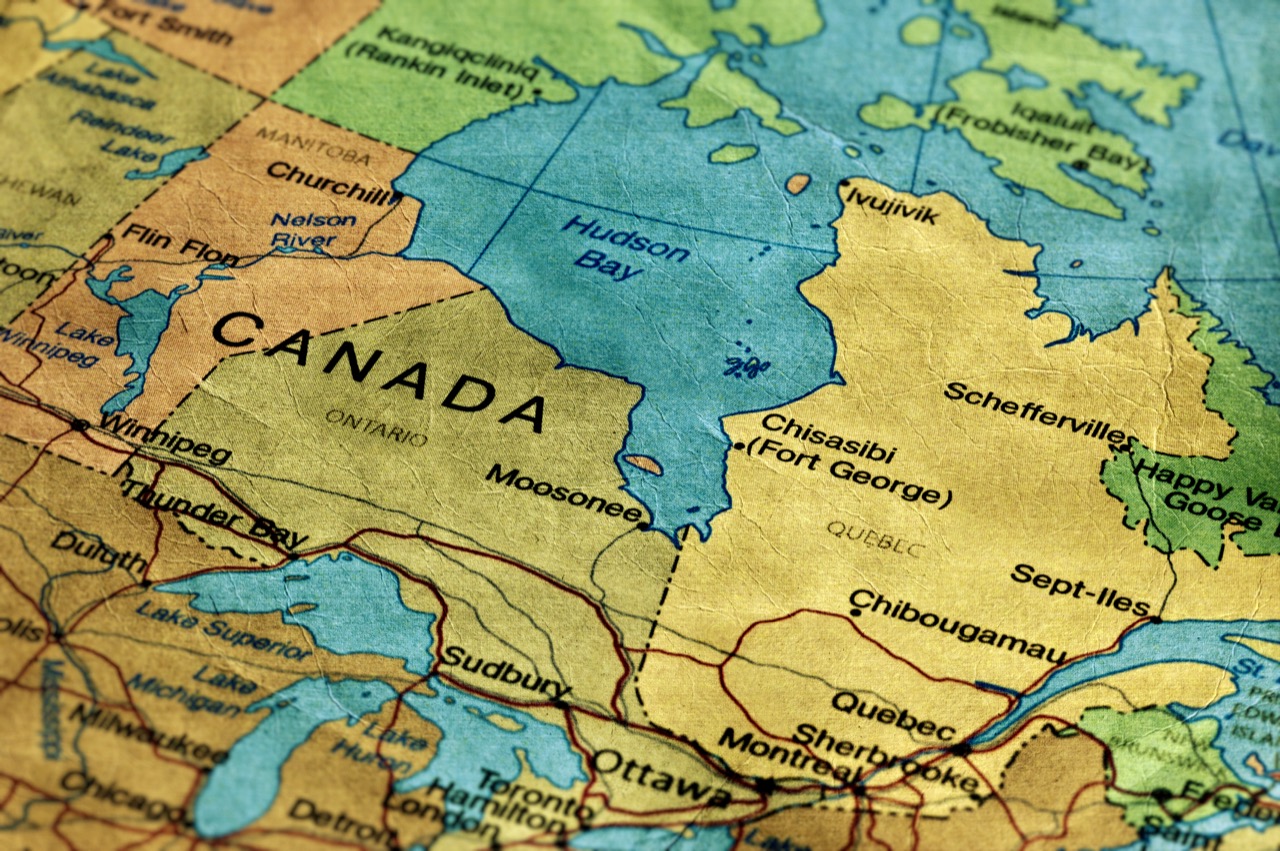
Canada’s travel story begins long before anyone bought a ticket or checked into a hotel. For thousands of years, Indigenous peoples built sophisticated networks of movement tied to seasons, trade, diplomacy, and survival. Waterways were the original highways, and portages were the crucial links between river systems. Routes along the St. Lawrence, the Great Lakes, the Ottawa River, and deep into the interior connected communities and carried goods such as copper, shells, foodstuffs, and crafted items. These paths were not empty corridors but lived landscapes, supported by knowledge of currents, weather, and safe gathering places.
When European newcomers arrived, many of their earliest journeys depended on Indigenous guidance and on routes that already worked. Fishing stations and early settlements clustered along coasts and major rivers because ships could reach them and supplies could move. The fur trade then pushed travel farther inland and made mobility central to economic life. Canoes became icons of the era, not as romantic symbols but as practical technology for hauling people and cargo across immense distances. The voyageurs who paddled for trading companies followed established river highways and portages, while posts and wintering camps created a chain of stopping points that shaped later travel patterns.
As settlements grew, travel diversified. Stagecoaches and rough roads linked towns in the east, while winter brought sleigh roads that could be smoother than muddy summer tracks. Coastal schooners moved people and goods between Atlantic communities, and steamships later turned lakes and rivers into scheduled routes. Canals, including those built to bypass rapids and connect key waterways, helped goods and travelers move more reliably and supported the growth of cities. Even place names preserve travel history, from portage-related names to towns that began as river crossings, trading posts, or rail stops.
The railways transformed travel from a local necessity into a national experience. The promise of crossing the country by rail helped bind distant regions into a single economic and political project, but it also changed how Canadians and visitors imagined the landscape. Long journeys became timetabled, and remote scenery became something you could visit rather than only endure. Railway companies promoted Canada as a destination, building grand hotels that were attractions in themselves. Properties such as the Château Frontenac in Quebec City and the Banff Springs Hotel in the Rockies were designed to impress travelers stepping off the train, turning architecture into part of the itinerary.
The idea of protecting scenery for travelers also has deep roots. In 1885, hot springs in the Rockies helped spark the creation of what became Banff National Park, Canada’s first national park. Parks were not only about preservation; they were also about making wilderness accessible and marketable, often through rail links and later highways. This approach created lasting images of Canada as a place of mountains, lakes, and open space, even as it raised difficult questions about who controlled those lands and whose histories were being highlighted.
Symbols of travel and nation-building appeared alongside these routes. The North-West Mounted Police, formed in 1873, rode west to assert Canadian authority and help impose order as settlement expanded, becoming a powerful image in postcards and popular storytelling. In the 20th century, highways joined the older networks. The Trans-Canada Highway, completed in 1962, offered a new way to stitch together regions, while the Icefields Parkway between Lake Louise and Jasper became one of the world’s classic scenic drives. From birchbark canoes and portages to rail corridors, hotel verandas, and mountain roads, Canada’s travel origins are a layered map of technologies, ambitions, and stories that still shape how people move across the country today.