Checkpoint Smarts for U.S. Travelers










Quiz Complete!
Checkpoint Smarts for U.S. Travelers: Rules That Save Time, Money, and Stress

Travel in and around the United States is usually straightforward until you hit a checkpoint, a gate agent, a border booth, or a roadside stop. The tricky part is that travel rules come from different sources: federal agencies like the TSA and CBP, state traffic laws, and even local ordinances. Knowing a few practical basics can keep a minor mistake from turning into a missed flight, a confiscated souvenir, or an expensive citation.
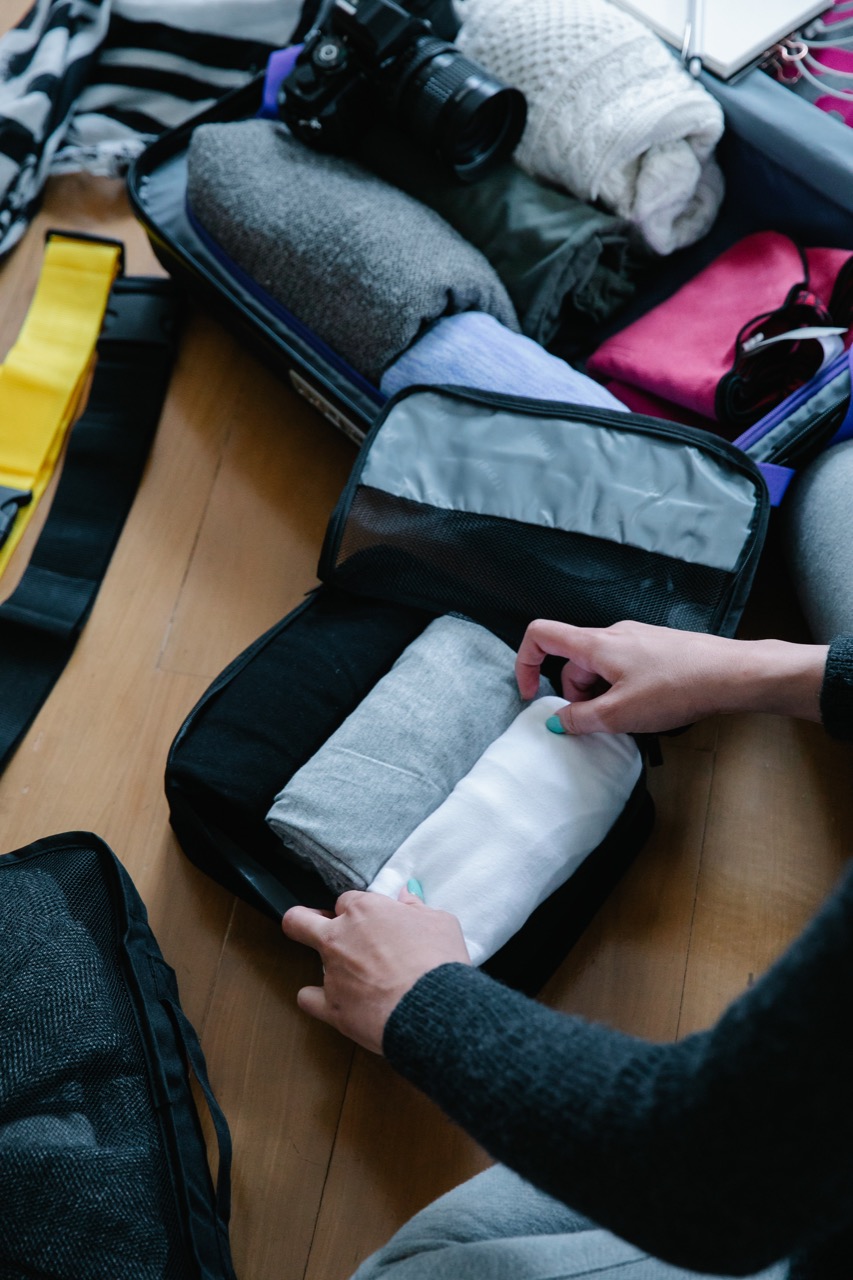
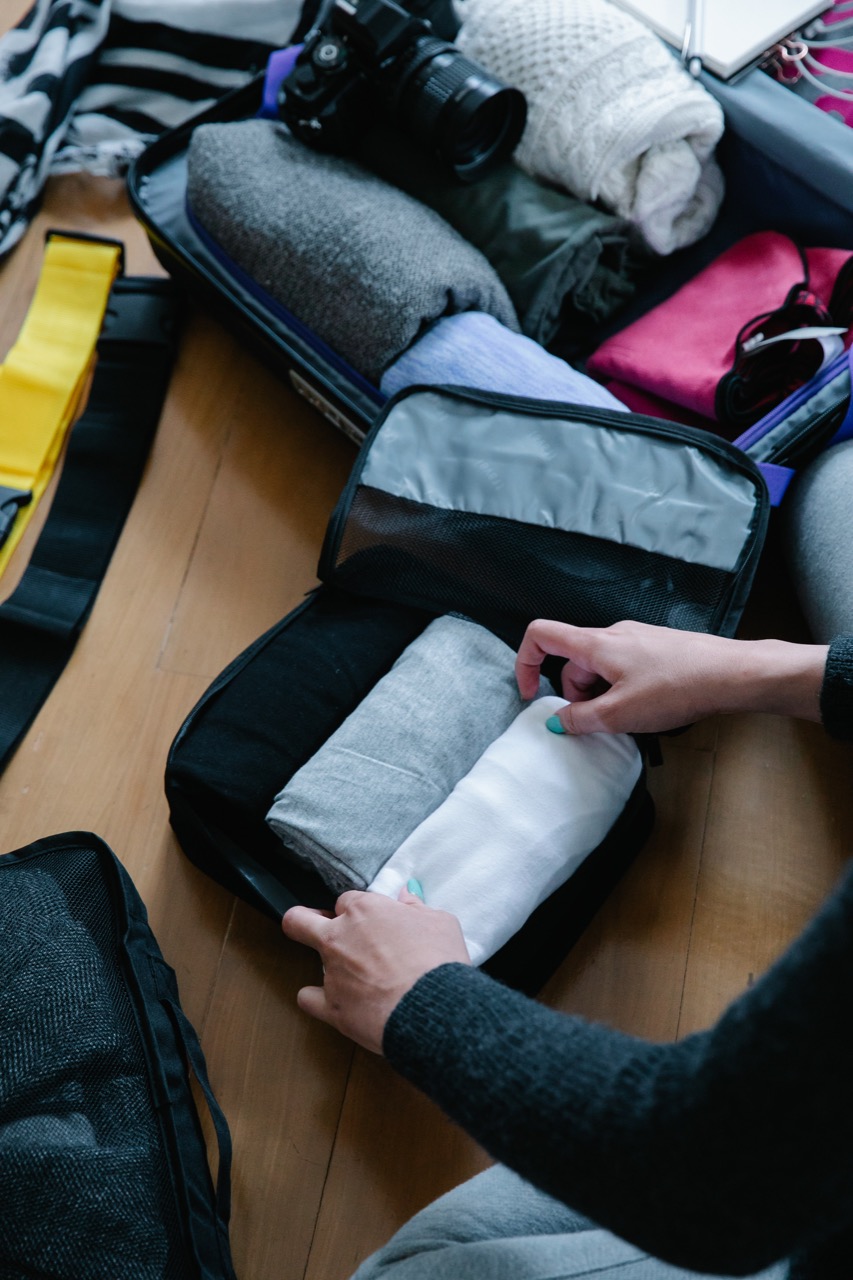
At airports, the Transportation Security Administration focuses on safety, not convenience. The fastest way through security is to pack with screening in mind. Liquids in carry-on bags generally need to be in small containers and fit inside a single quart-size bag, but travelers still get tripped up by items that feel “not really a liquid,” such as gels, creams, and spreadable foods. Peanut butter, soft cheese, and some cosmetics can be treated like liquids. If you want to avoid the bin of surrendered items, put questionable toiletries and food spreads in checked luggage or buy them after security.
Identification rules also surprise people. For domestic flights, you must present acceptable ID to pass the checkpoint, and the list of acceptable documents can change as security standards evolve. If you show up without ID, you may still be allowed to fly after additional identity verification, but that process is not guaranteed and can take time. The practical takeaway is simple: arrive early, keep your ID accessible, and make sure it is valid and not expired.
International travel adds a second layer: customs and immigration. U.S. Customs and Border Protection expects travelers to declare certain items and purchases, even if they seem harmless. “Declare” does not automatically mean “pay.” Often it simply means being honest about what you are bringing in. Failing to declare can lead to delays, fines, or confiscation. Food is a classic problem area. Many fresh fruits, vegetables, meats, and plants can carry pests or disease, so they are restricted or prohibited. Packaged and commercially labeled items are often easier, but the safest move is to declare food whenever you are unsure. If it is allowed, you keep it. If it is not, you usually just surrender it, and honesty tends to go a long way.
Visas and entry permissions have their own pitfalls. Overstaying a visa or authorized period of stay can create serious future consequences, including being barred from reentering for years. Even if you leave on your own, the overstay can follow you in immigration records. If you are traveling on a visa, track your authorized stay carefully and do not assume that a visa expiration date is the same as your allowed time in the country.
On the road, the biggest confusion comes from the fact that state laws differ. Open-container rules are a prime example: some states prohibit open alcohol containers in the passenger area, others have narrower rules, and enforcement can vary. Seat belt requirements, hands-free phone laws, speed limits, and rules for turning right on red can also change quickly as you cross state lines. Rental cars add another twist: the car may be registered in a different state, but you must follow the laws where you are driving.
If you are stopped by police while traveling, the best approach is calm and predictable. Pull over safely, keep your hands visible, and wait for instructions. You generally must provide your driver’s license, registration, and proof of insurance when asked. If you are asked questions beyond basic identification, you can be polite and measured. Consent matters in many roadside scenarios, including some searches, so it helps to know that you can ask whether you are free to leave and whether a request is optional.
Cruises and cross-border hops can feel casual, but they are still international travel. Closed-loop cruises may allow certain U.S. citizens to travel with specific documents, yet having a passport usually makes problems easier to solve if plans change or you need to fly home unexpectedly. In travel, the smoothest trips are rarely about luck. They are about anticipating the checkpoint moments where rules matter most.