Syllabus of the Past Quick Quiz










Quiz Complete!
Syllabus of the Past: How Key Ideas and Inventions Shaped the Modern World
History can feel like a long list of names and dates until you notice the patterns that connect them. Many of the things we treat as normal today, like written laws, formal schooling, money, and scientific method, grew out of specific moments when people tried to solve practical problems. Once you start tracing those solutions, the past becomes less like a distant story and more like a blueprint for the present.
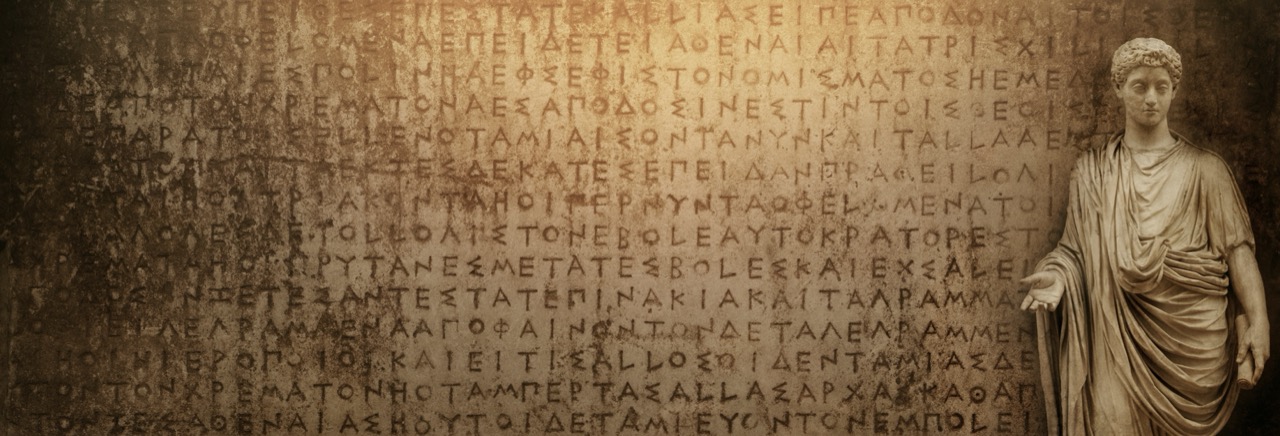
One of the biggest turning points was writing. Early systems such as cuneiform in Mesopotamia and hieroglyphs in Egypt did more than record poetry or prayers. They made it possible to track taxes, store contracts, and standardize rules across large areas. Administration is hard without reliable memory, and writing became a kind of shared memory for a society. That, in turn, supported the rise of complex states and empires. When people talk about “civilization,” they often mean the combination of cities, specialization, and bureaucracy that writing helped manage.
Empires expanded this logic. Whether you think of Persia’s roads, Rome’s legal tradition, or China’s imperial examinations, large states tended to build systems that outlasted individual rulers. Roman law, for example, shaped later European legal thinking by emphasizing concepts like citizenship, property, and codified statutes. Even when Rome fell in the West, its institutions and language left a long shadow. Another recurring theme is how empires spread ideas as well as power. Trade routes and conquests moved technologies, crops, and beliefs across continents, creating unexpected blends.
Religions and philosophies also acted like social technologies. They offered shared stories and moral frameworks that could unite diverse populations. In the ancient Mediterranean, Greek philosophy encouraged debate about logic, ethics, and the nature of reality, while later religious institutions preserved learning during unstable periods and built networks of schools and libraries. In the Islamic Golden Age, scholars translated and expanded on Greek and Indian works, making major advances in mathematics, medicine, and astronomy. Many everyday terms and concepts, including algebra and algorithms, carry traces of that era.
Inventions often become historical “hinge points” because they change what is possible. Paper and printing lowered the cost of storing and sharing information. The printing press in Europe didn’t just make books cheaper; it accelerated the spread of new ideas, from religious reform to scientific arguments. When more people can read the same texts, public debate changes, and so does politics. The Scientific Revolution built on this information boom, pushing the idea that knowledge should be tested through observation and repeatable experiments rather than accepted solely on authority.
Political ideas evolved in similar leaps. The notion that rulers should be limited by laws, that citizens have rights, and that governments derive legitimacy from the governed gained force through documents, revolutions, and philosophical arguments. These ideas were never applied perfectly, and they were often contested, but they influenced constitutions and institutions across the world. Understanding those debates helps explain why certain dates and documents keep appearing in history classes: they mark moments when people tried to redefine power.
Modern history adds its own accelerators. Industrialization transformed work, cities, and the environment, while new communication tools shrank distances. Mass education expanded as societies needed literate workers and informed citizens, creating the school systems many people recognize today. Meanwhile, scientific breakthroughs reshaped daily life, from public health to electricity to computing.
A quick quiz that jumps from ancient writing to modern institutions is really asking one bigger question: how did we get here? The fun comes from seeing that the modern world is not a sudden invention. It is a layered result of people experimenting, arguing, building, failing, and trying again, leaving behind ideas and tools that still organize our lives.