Pop Culture’s Secret History and Academia Quiz









Quiz Complete!
Pop Culture’s Secret History and Academia: The Real Stories Behind the References
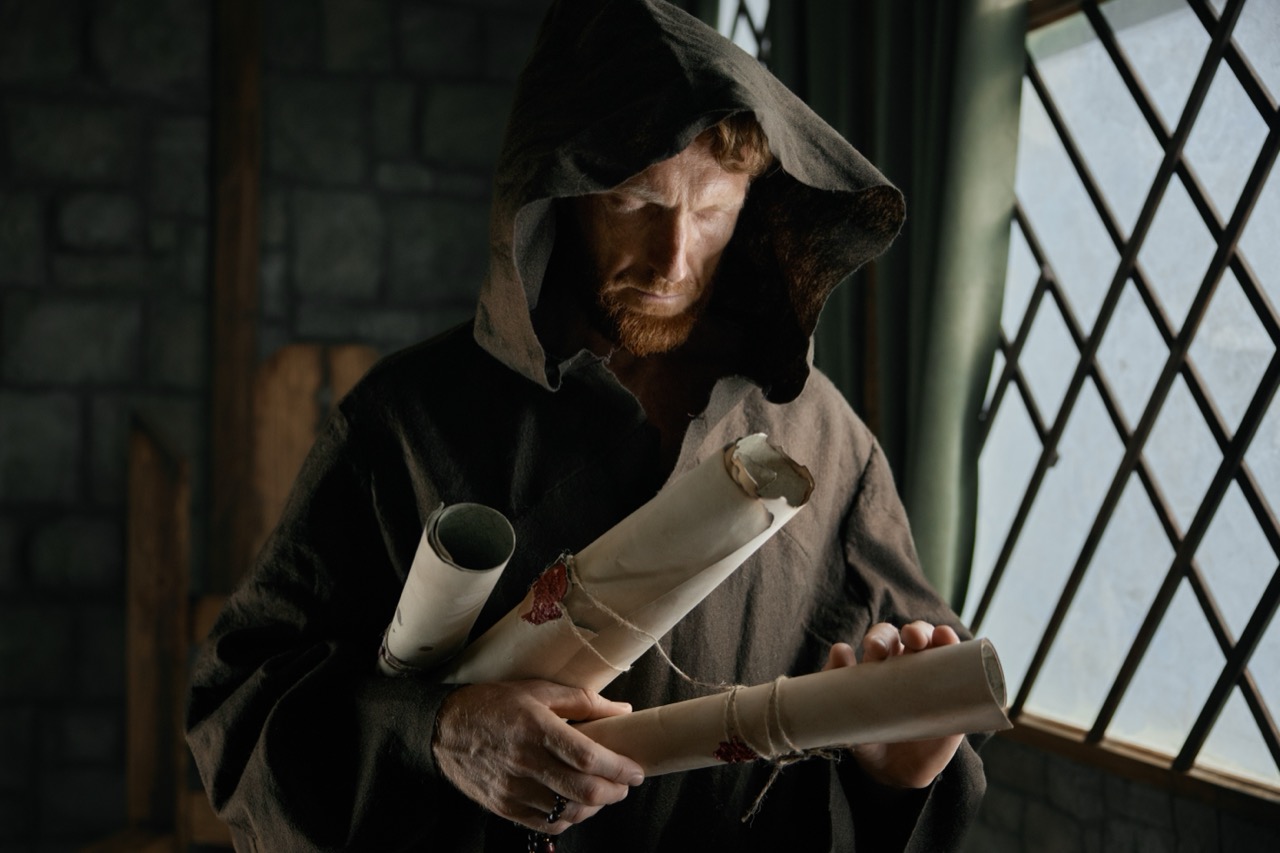
Popular culture often feels like pure entertainment, but it is packed with hidden homework. Writers, directors, and songwriters borrow from history, literature, and academic ideas because those sources come with built in drama and meaning. Even when you do not recognize the origin, the reference can shape how a scene lands. Once you start noticing these links, a catchy chorus or a throwaway joke can feel like a doorway into the real world.
A lot of blockbuster storytelling runs on ancient foundations. Modern hero narratives echo epics like The Odyssey and The Aeneid, where a journey tests identity, loyalty, and fate. Science fiction loves classical structure because it turns unfamiliar worlds into familiar emotional arcs. The idea of a chosen one, a descent into an underworld, or a final homecoming is older than cinema, but it still works because it maps onto how people understand struggle and growth. Even the way films frame a tragic flaw or a moral dilemma often traces back to Greek tragedy, which was basically a public seminar on ethics performed for an audience.
Shakespeare is another quiet engine of pop culture. His plots are endlessly reusable because they are built on misunderstandings, ambition, jealousy, and love under pressure. Teen comedies have reworked The Taming of the Shrew, animated films have echoed Hamlet, and countless songs lift phrases or ideas that sound modern even though they are centuries old. When a character says something that feels quotable and oddly timeless, it is often because it has been refined through generations of retelling.
History seeps into entertainment not just as setting, but as subtext. The Cold War shaped the tone of spy stories, alien invasion plots, and paranoia driven thrillers. Films about shadowy agencies, double agents, and secret technology are often remixing real fears about surveillance, propaganda, and nuclear escalation. Even the way villains are coded can reflect the politics of the moment. A monster is rarely just a monster; it is often a metaphor that made sense to the audience of its time.
Legal and academic history show up in surprising places, especially in comedy. Sitcom courtroom episodes and procedural dramas borrow from real landmark cases and constitutional debates because they provide instant stakes. Ideas like reasonable doubt, the right to remain silent, or freedom of speech are not just legal phrases; they are cultural symbols. A joke about a contract, a copyright dispute, or a bizarre lawsuit can be funny on the surface while also pointing to how societies decide what is fair. Universities and research labs play a similar role as shorthand for authority, ambition, and rivalry, which is why so many stories revolve around professors, experiments, and competitive admissions.
Music carries its own secret history. Protest songs and political anthems often respond to specific events, from wars to civil rights struggles, and later listeners may sing along without knowing the original spark. Even dance hits can be tied to turning points in technology and media, such as the rise of MTV, sampling culture, or the shift from radio gatekeepers to online fandoms. Broadway is a special case because it openly blends scholarship with spectacle, turning biographies, revolutions, and debates into rhyme and rhythm.
The fun of a quiz like this is realizing that pop culture is not separate from the classroom or the archive. It is one of the ways history stays alive, sometimes accurately, sometimes loosely, but often with enough truth to reward curiosity. When you catch a reference, you are not just recognizing trivia. You are seeing how stories travel across time, how real events become myth, and how the facts hiding in plain sight can make the entertainment you love feel deeper and more connected.