Semesters and Empires Global Education Trivia







Quiz Complete!
Semesters and Empires: How Education Became Global
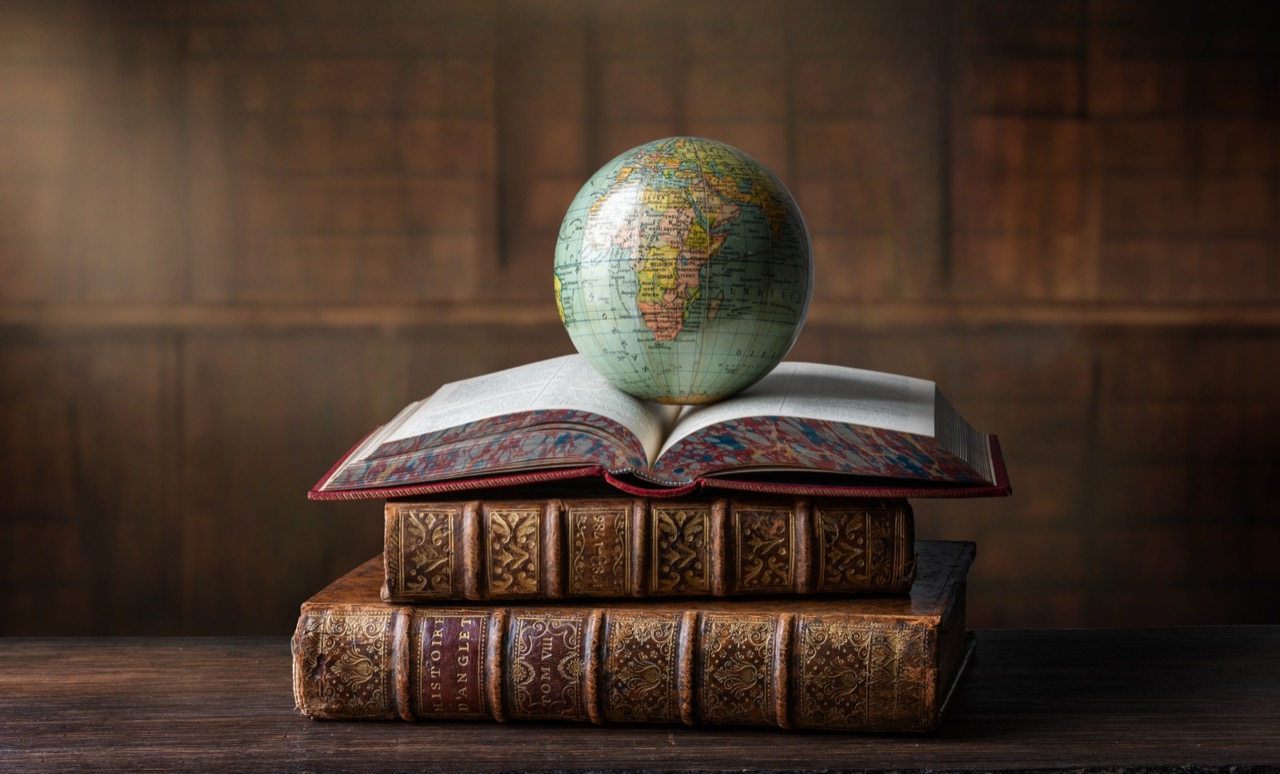
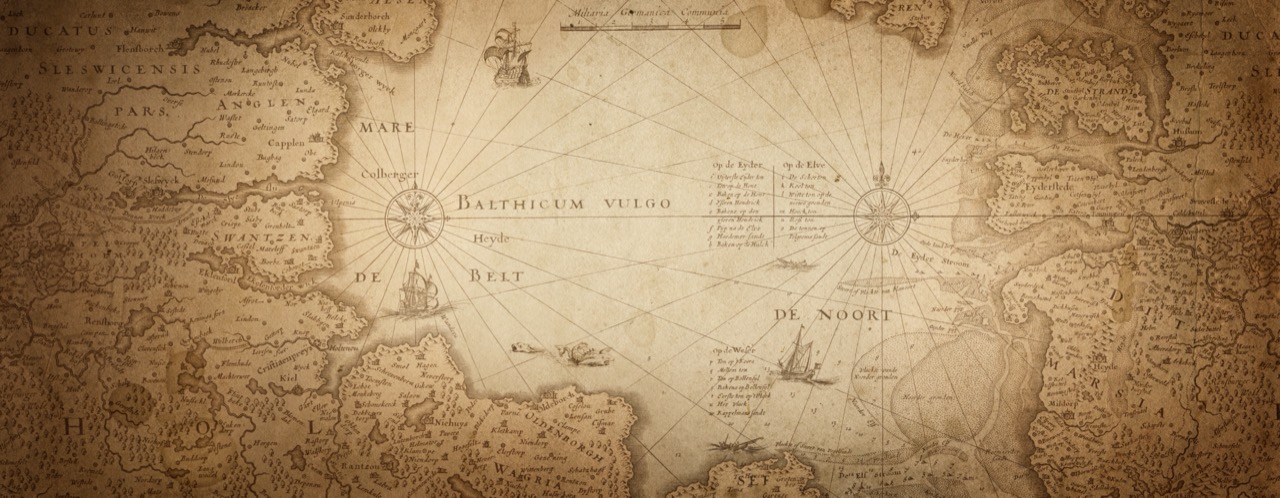
Universities feel like a modern invention, yet organized higher learning has deep roots that stretch across continents. What counts as a university depends on local traditions, but many societies built institutions to train scholars, preserve texts, and certify expertise long before today’s campuses. In medieval Europe, places like Bologna and Paris became famous for law and theology, often tied to the Church and conducted in Latin, a shared scholarly language that let ideas travel across borders. Meanwhile, the Islamic world supported centers of learning that blended religious study with mathematics, medicine, and philosophy, and scholars moved between cities carrying books, methods, and debates. In South Asia, long-standing traditions of debate and instruction flourished in monastic and temple settings, and in East Asia, academies and state schools developed alongside strong bureaucratic needs.
One of the most influential educational ideas in history was the civil service exam system in China. Rather than relying only on family status, the state used rigorous examinations based on classical texts to select officials. It was not perfectly fair and access depended on resources, but it established the powerful notion that standardized testing could shape a government and a society. That idea echoed far beyond China, inspiring later reforms and modern entrance exams. The content of study mattered too: mastery of writing, moral philosophy, and interpretation of canonical works created an educated class with shared references, much like Latin scholasticism did in Europe.
Technology repeatedly changed what learning could be. Paper, first developed in China and later spreading westward, made books cheaper and more portable than parchment. With more texts available, students could compare sources, copy notes, and build personal collections. Then the printing press accelerated everything. Printed books stabilized texts, reduced copying errors, and helped new ideas spread quickly, including religious reforms and scientific arguments. Libraries and museums also shifted from private treasuries to public institutions. Collecting, cataloging, and preserving objects and manuscripts became part of scholarship itself, laying groundwork for modern research practices.
Degrees and academic titles tell their own story. The word doctor comes from a Latin verb meaning to teach, reflecting a role earned through advanced study and public demonstration of knowledge. A PhD literally means doctor of philosophy, but philosophy once referred broadly to the love of wisdom, covering what we now separate into sciences and humanities. Medieval European universities organized learning into faculties and formalized credentials that could be recognized in different cities, an early version of portable professional certification.
Even the way schools divide time reflects history. Semesters and quarters are administrative tools, but calendars were once political and religious statements. Different regions used lunar, solar, or mixed systems, and reforms like the Gregorian calendar changed how societies coordinated holidays, record keeping, and academic schedules. Numerals also shaped education: the spread of Hindu-Arabic numerals made calculation easier than Roman numerals, supporting advances in accounting, astronomy, and engineering.
Across all these changes, a pattern emerges. Empires, trade routes, and translation movements carried knowledge between languages and faiths. Institutions adapted to local needs, whether training clergy, doctors, judges, or civil servants. New tools like paper, print, and later laboratories did not replace older traditions overnight; they layered on top of them. Modern classrooms, with their exams, degrees, libraries, and research methods, are the result of centuries of borrowing, reinvention, and the constant human desire to learn and to prove what one knows.