Chalkboard to Checkout Everyday History Trivia



Quiz Complete!
From Chalkboard to Checkout: How History Hides in Everyday Routines

Everyday life is full of quiet historical leftovers. The moment you glance at a receipt, check your phone for the time, or follow a street sign, you are using systems shaped by scholars, merchants, engineers, and governments from centuries ago. What feels automatic today often began as a debated idea in a classroom or a practical fix to a problem that once seemed urgent.
Take the way we organize time. The modern world runs on standardized time zones, but for most of human history, noon simply meant when the sun was highest where you lived. That worked until railroads and telegraphs made long distance travel and communication routine. In the nineteenth century, train schedules exposed the chaos of thousands of local times. Rail companies began coordinating time, and governments eventually formalized time zones. Even the concept of measuring time precisely has deep roots in astronomy and mathematics, where careful observation of the sky pushed improvements in clocks and calendars.
Your calendar itself is a historical compromise. The widely used Gregorian calendar was introduced in 1582 to correct drift in the older Julian system, which had slowly slipped out of alignment with the seasons. The adjustment was controversial and adopted at different times in different countries, which caused confusion and occasional political suspicion. The names of months and days carry older layers still. Many are tied to Roman gods and emperors, and the seven day week reflects ancient Near Eastern and Greco Roman traditions linked to the visible celestial bodies.
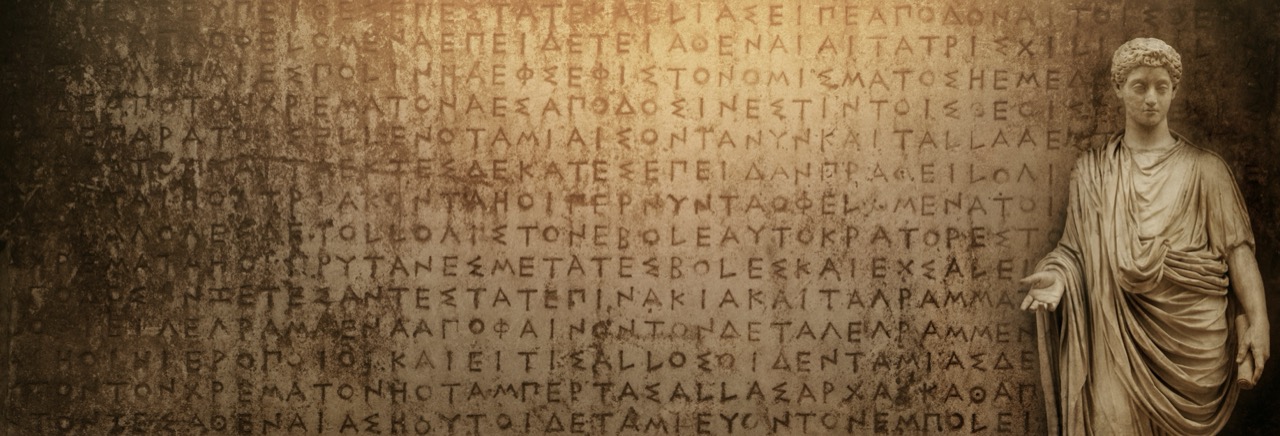
Language offers another set of time capsules. The word alphabet comes from the first two letters of the Greek alphabet, alpha and beta, but the story goes further back. Greek letter forms were influenced by the Phoenician writing system, a major step in the spread of phonetic writing around the Mediterranean. Even everyday punctuation and typographic habits have academic ancestry. Quotation marks, italics, and standardized spelling were strengthened by printing and scholarship, especially as universities and publishers tried to make texts easier to copy, cite, and compare.
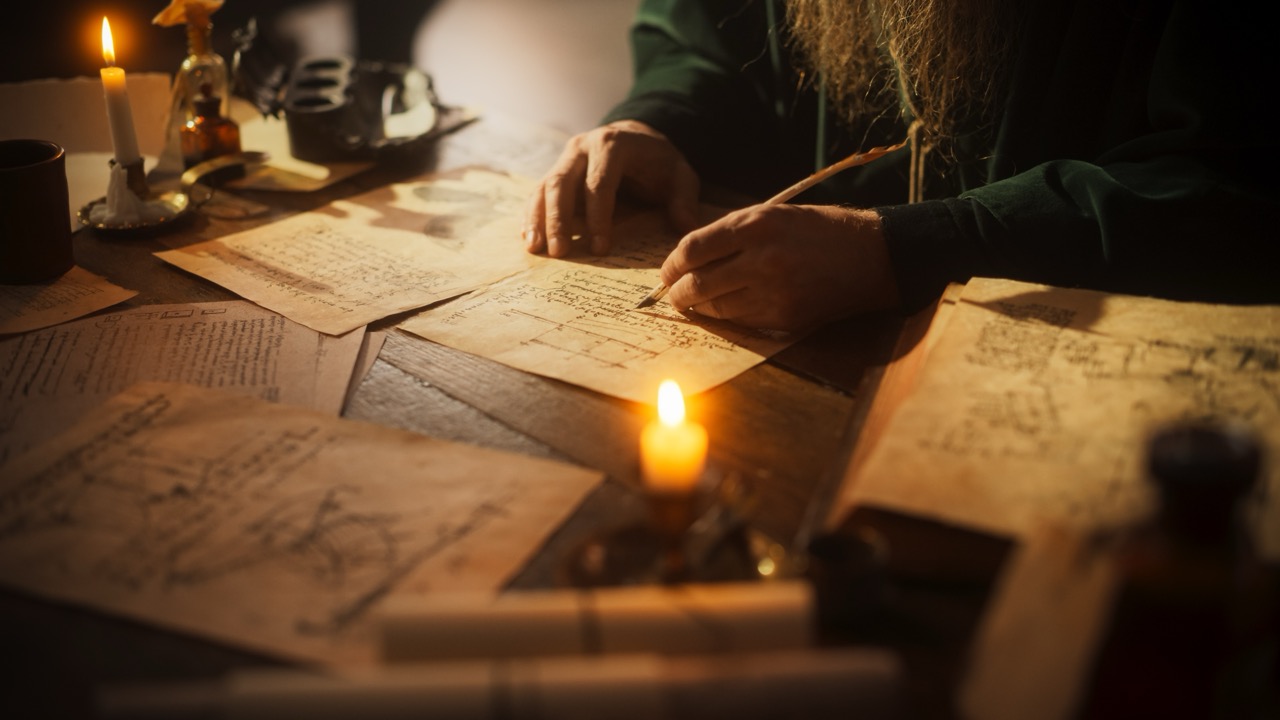
That brings us to citation systems, which feel like a school requirement but support a larger idea: knowledge should be traceable. Footnotes and bibliographies grew alongside modern scholarship as a way to show sources, settle disputes, and let readers verify claims. Different academic styles emerged because different fields valued different kinds of evidence and reading flow. The same impulse shows up outside school when you see a link to a source, a product’s ingredient list, or a legal reference number. These are all methods of accountability through documentation.
Money talk is packed with medieval habits. Many terms in finance reflect bookkeeping practices developed in Italian city states where merchants needed reliable ways to track debts, credits, and partnerships. Double entry bookkeeping, often associated with the work of Luca Pacioli in the fifteenth century, made it easier to spot errors and understand a business at a glance. Words like debit and credit come from Latin roots meaning owe and believe or trust, echoing the idea that commerce depends on recorded promises. Even the word bank traces back to the bench or counter used by money changers.
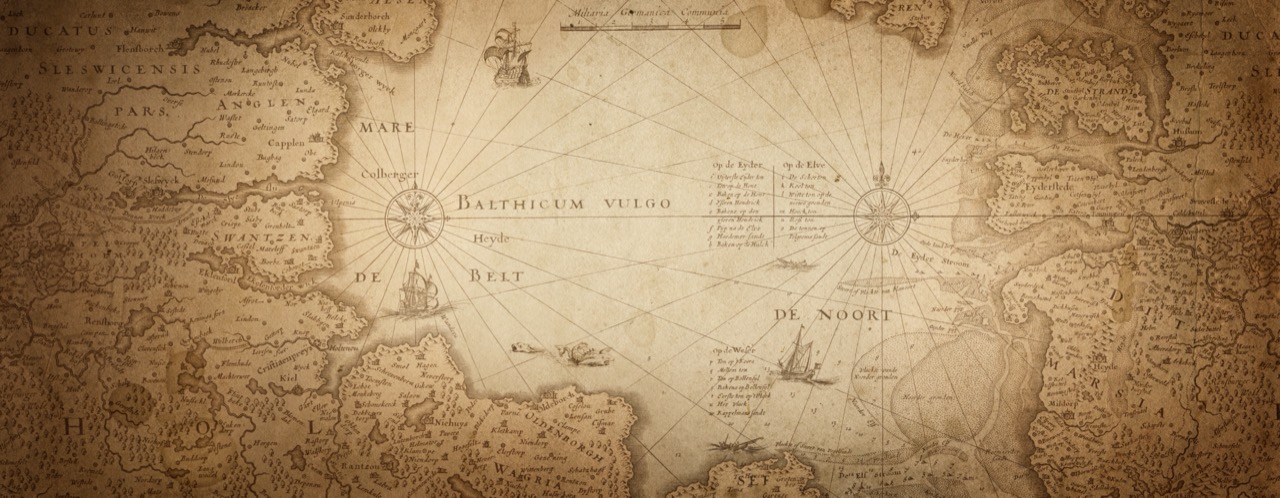
Look around your neighborhood and you will find history in street names and measurements. Roads called Broadway, Market, or Mill often point to what a place once did. Many countries still juggle older units and newer metric standards, a reminder that measurement is both scientific and political. Standard units made trade fairer and engineering safer, but changing them required persuading people to abandon familiar habits.
The charm of everyday history is that it does not stay in museums. It rides in your pocket as a timestamp, sits on your table as a receipt, and slips into your speech as a borrowed word. Once you notice these traces, ordinary routines start to feel like clues, and the past becomes something you handle all day without realizing it.