Victorian Futures Steampunk Culture and Customs Quiz
Quiz Complete!
Victorian Futures: How Steampunk Became a Living Culture of Craft, Costume, and Community
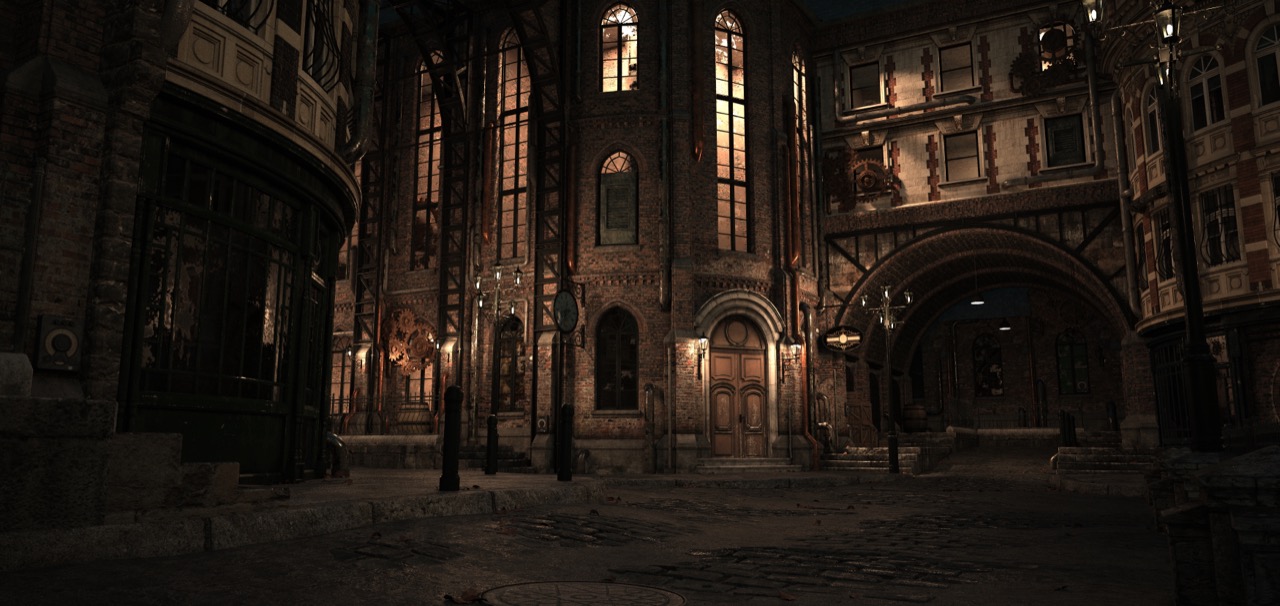
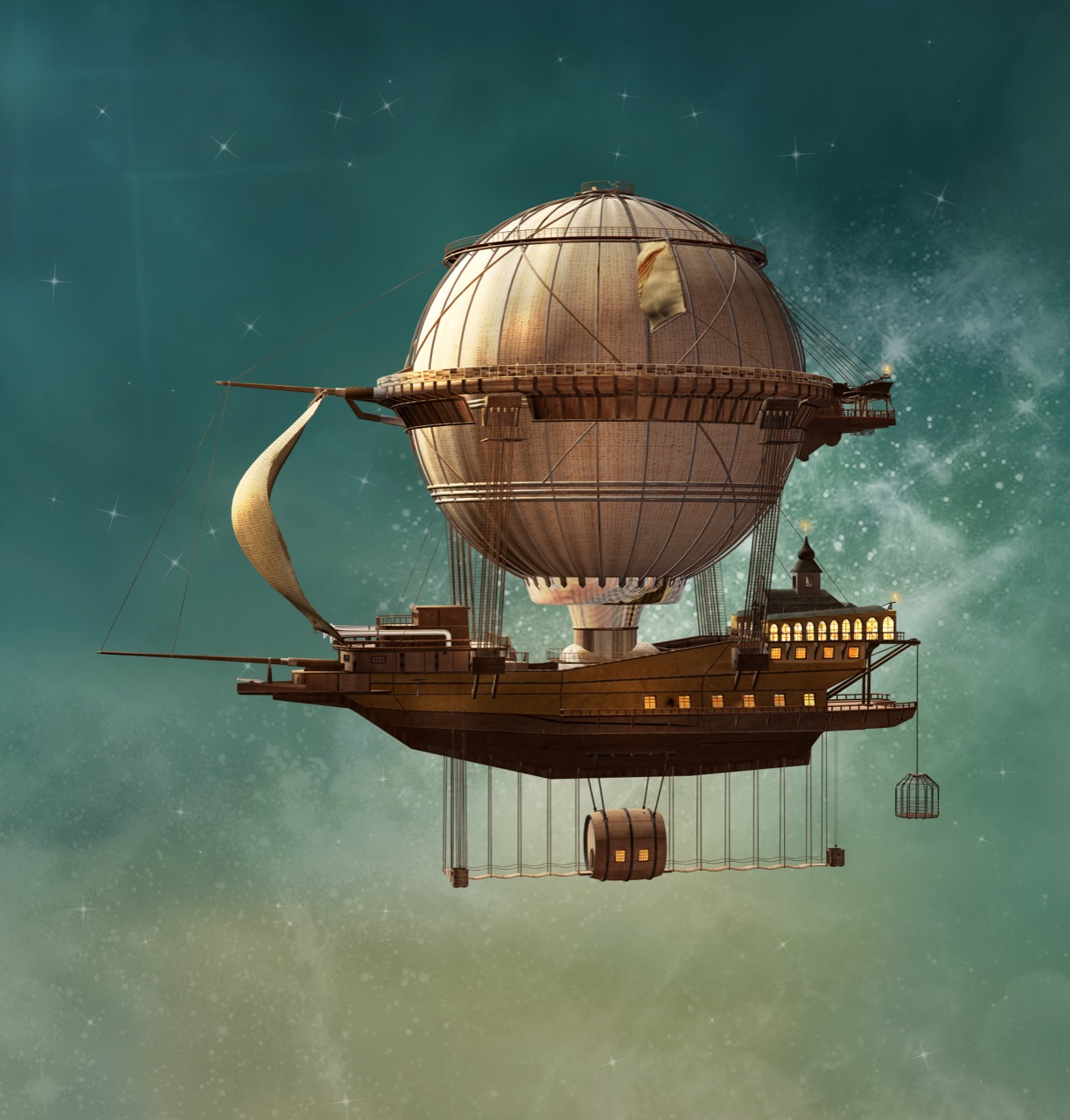
Steampunk began as a playful question: what if the future had arrived powered by steam, brass, and imagination rather than microchips? The look borrows heavily from the Victorian era and the broader nineteenth century, when railways, telegraphs, and industrial machinery transformed daily life. But steampunk is not simply historical nostalgia. It is a kind of speculative remix that combines period manners and silhouettes with an alternate history of airships, clockwork automatons, and adventurous science. Over time, that aesthetic grew into a real world scene with its own gatherings, creative traditions, and ongoing debates about what the genre can and should be.
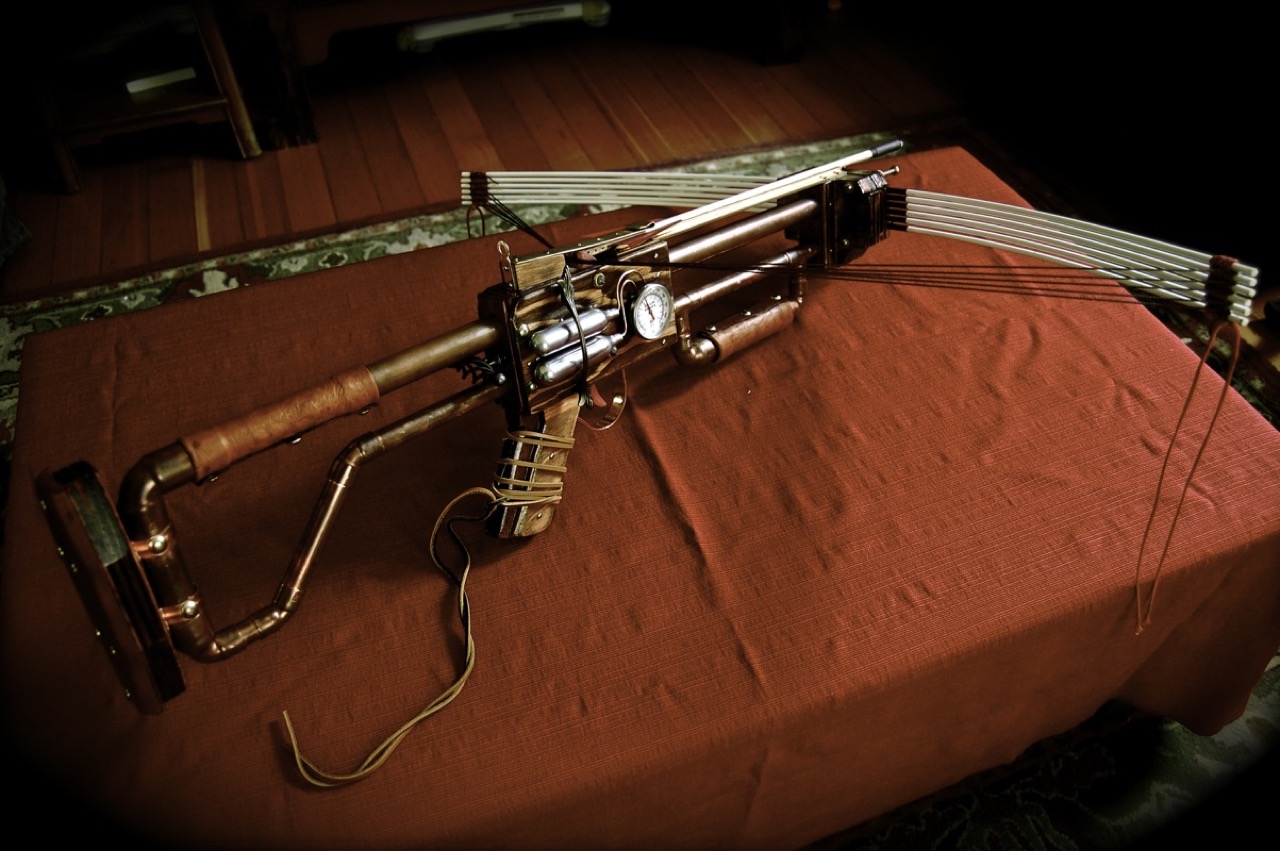
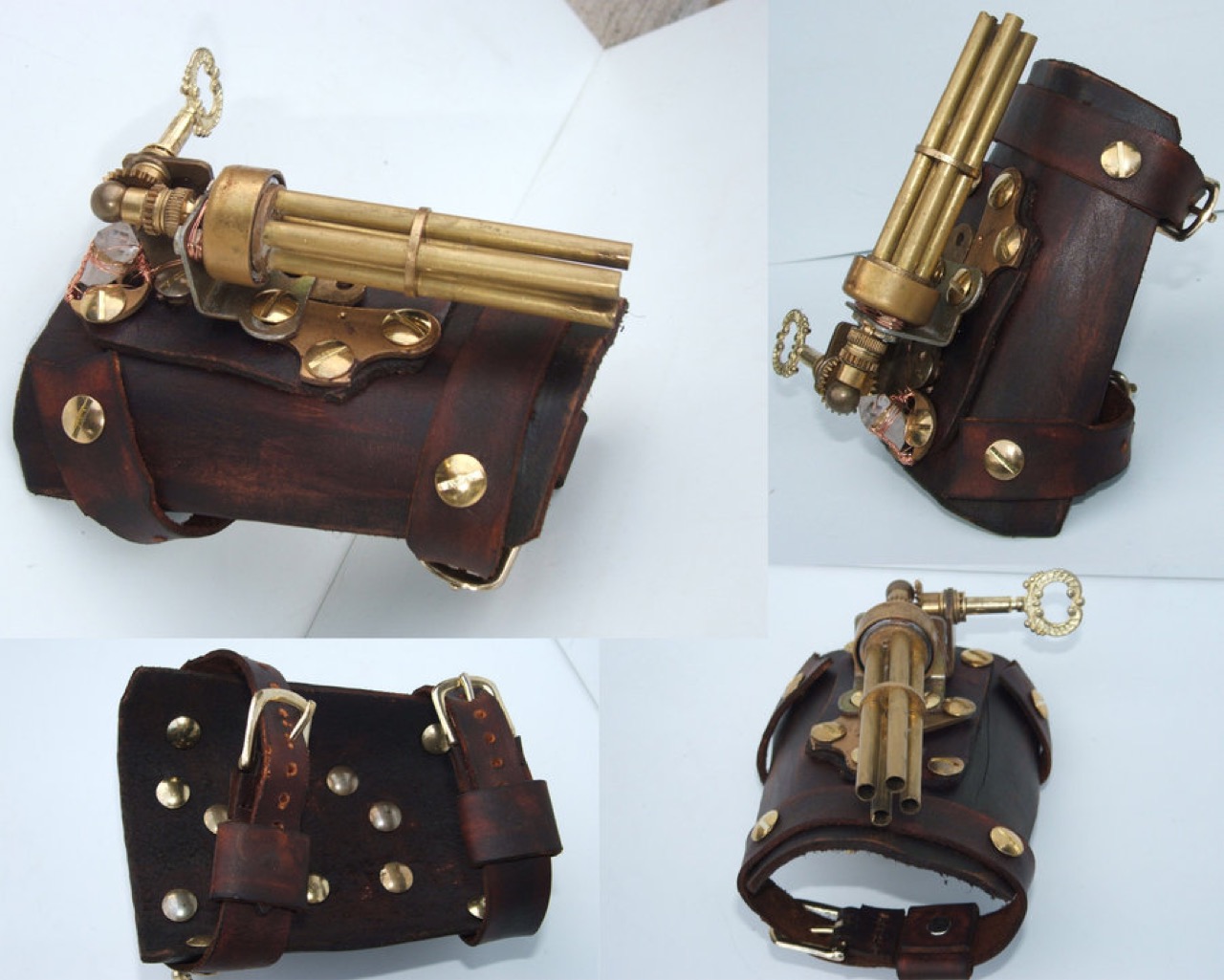
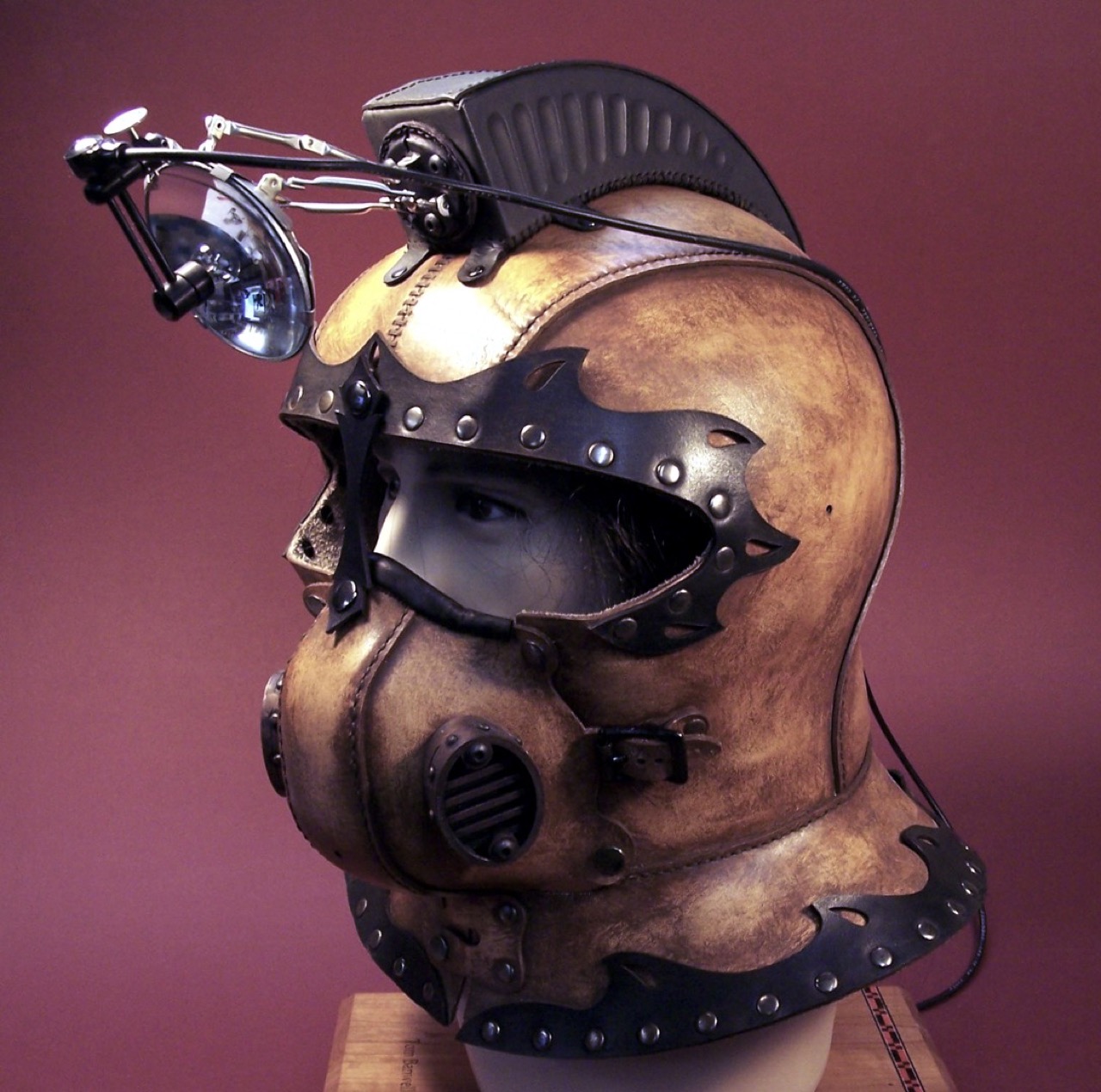
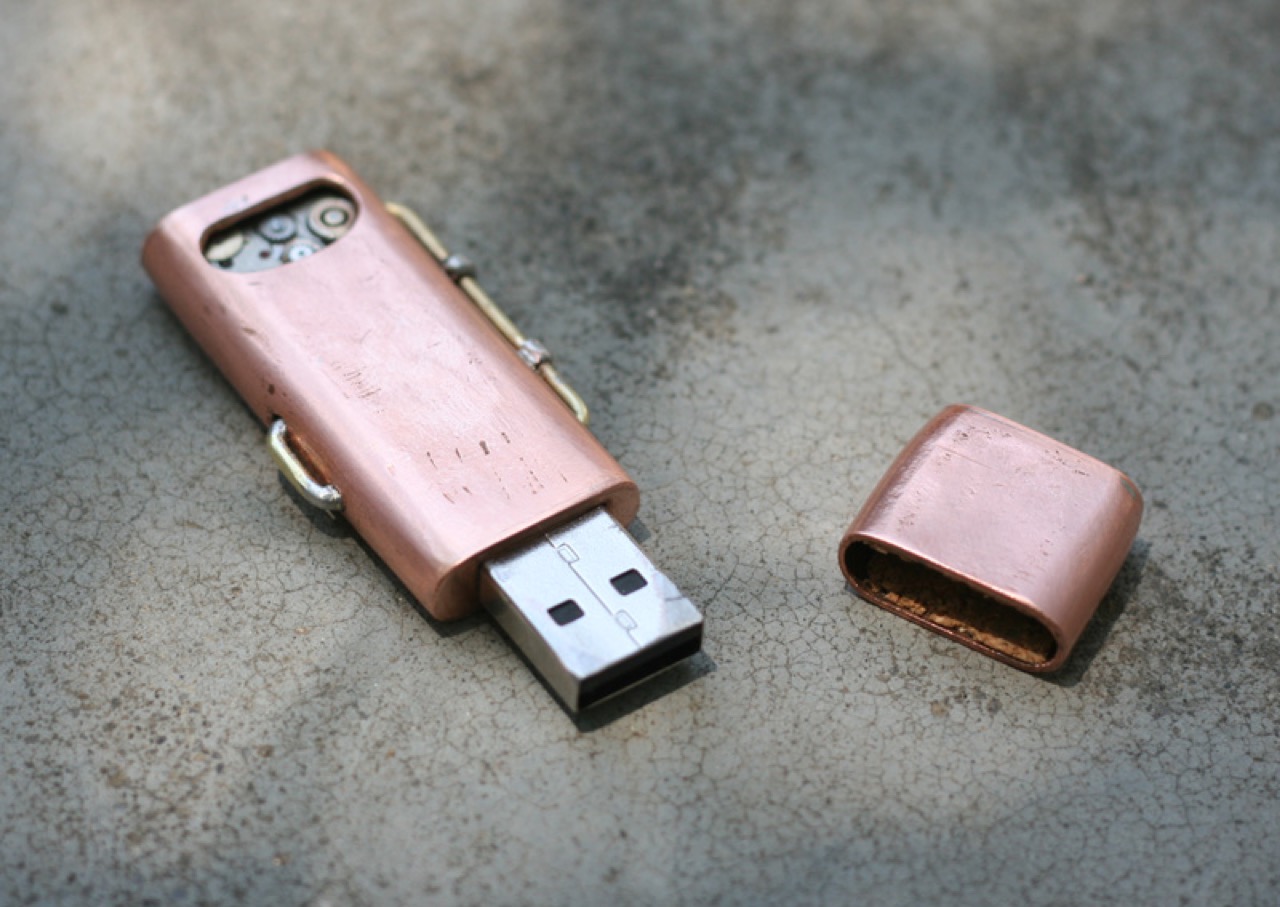
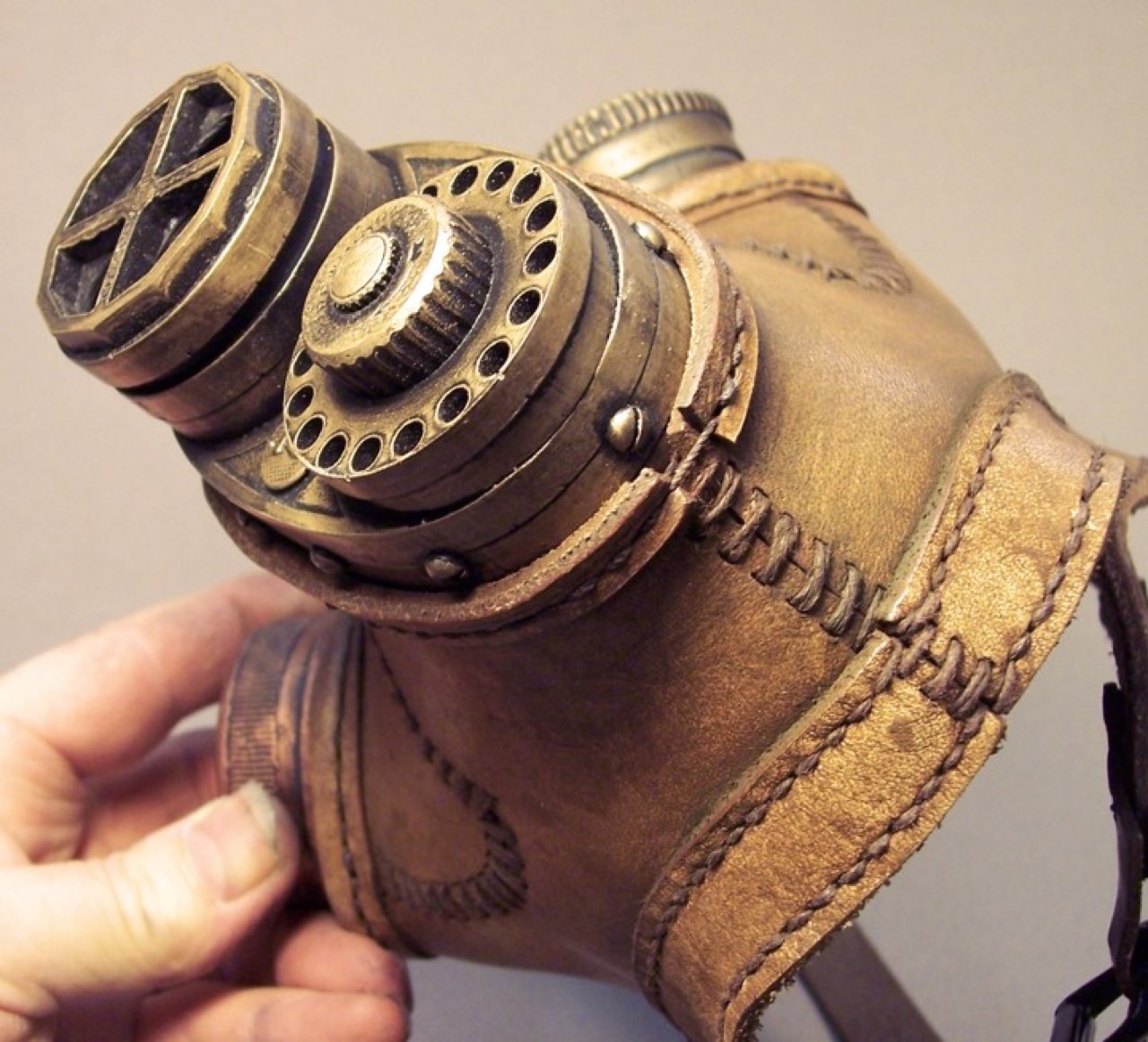
Much of steampunk culture thrives on maker ethics. People build props, modify clothing, and craft accessories from scratch or by repurposing everyday objects. A pair of goggles can be assembled from welding lenses, leather scraps, and thrifted straps. A toy ray gun might become a convincing “aether blaster” with paint, faux rivets, and careful weathering. This DIY approach is part practicality and part philosophy: steampunk values visible workmanship, clever reuse, and a sense that anyone can make something extraordinary with patience and ingenuity.
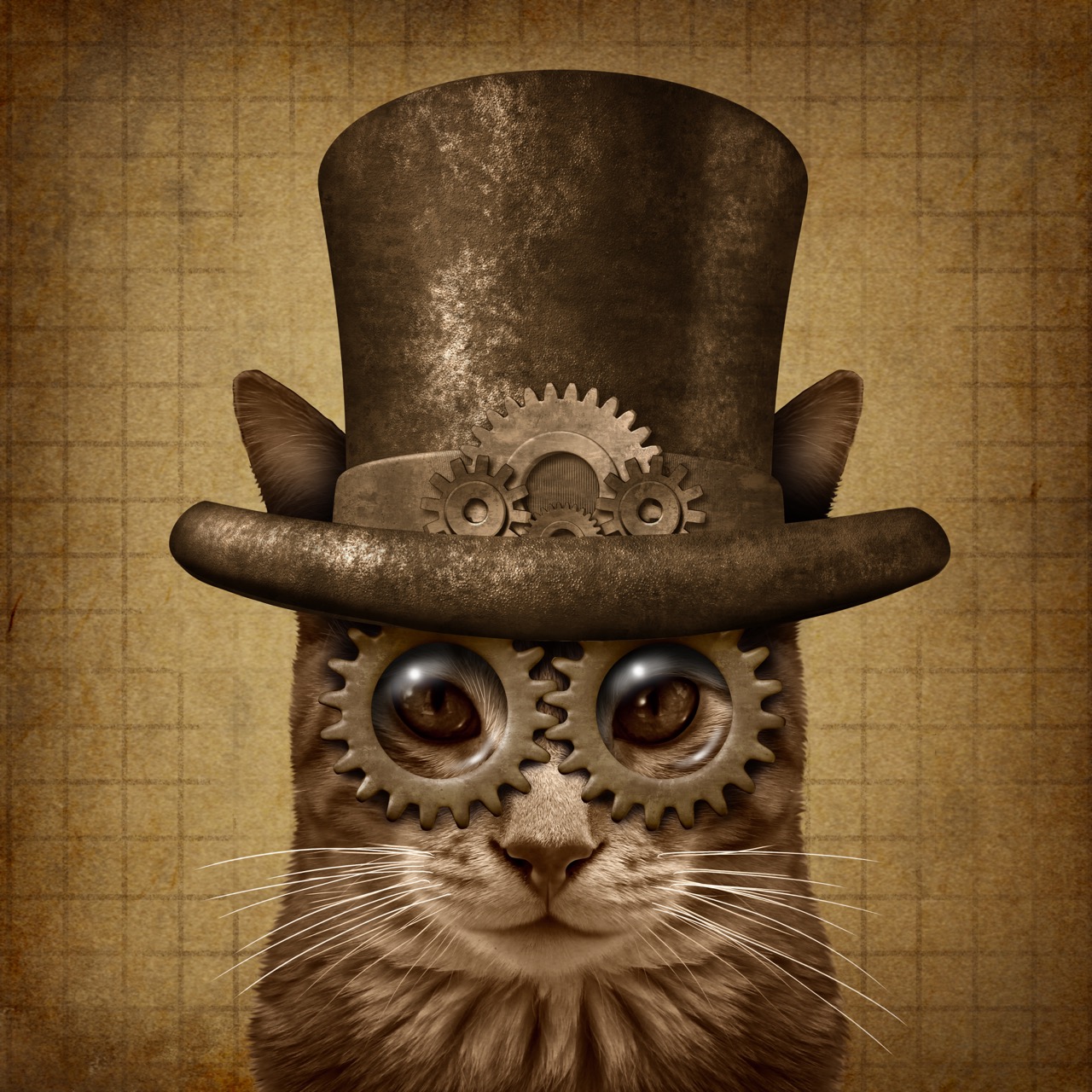
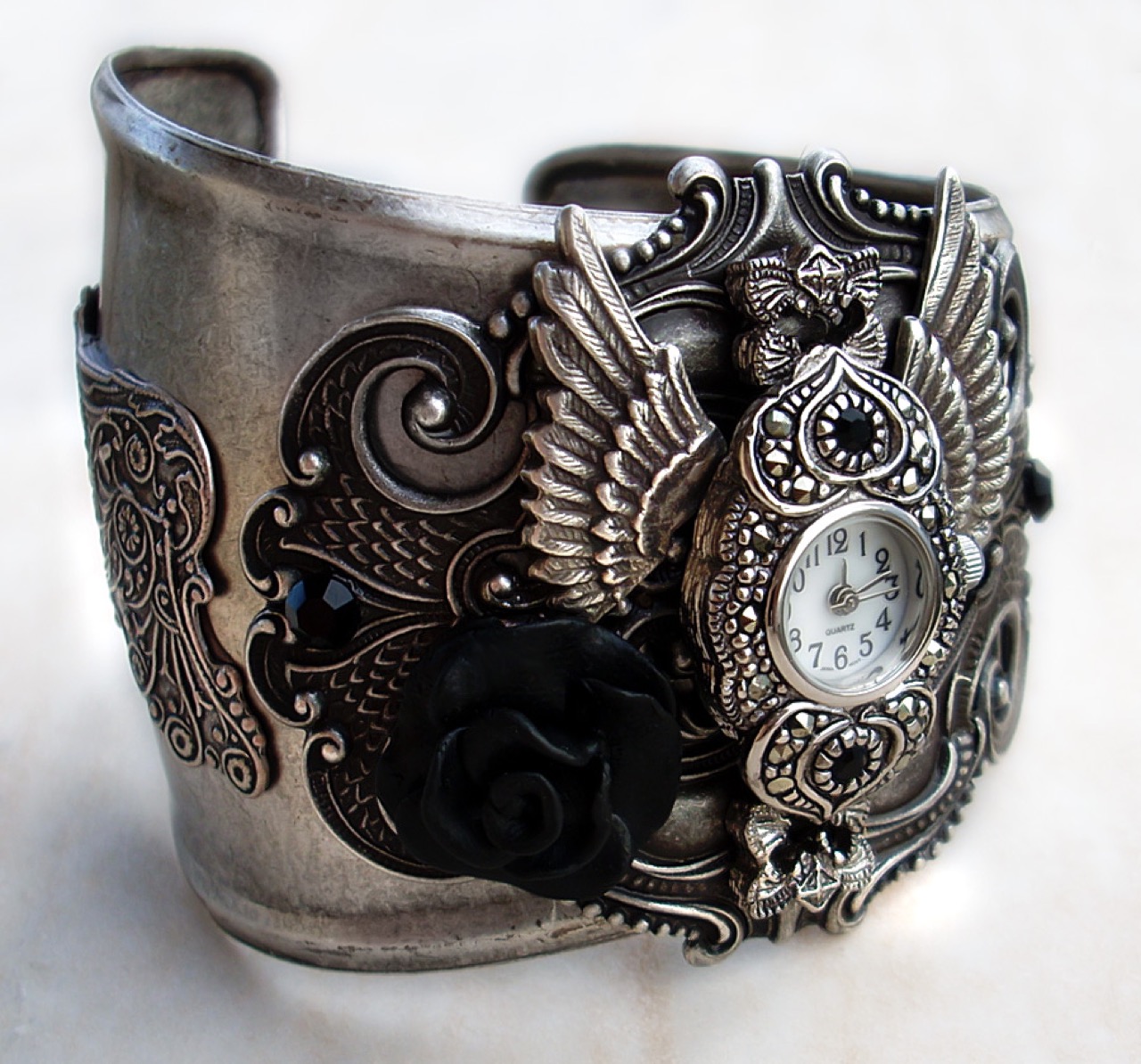
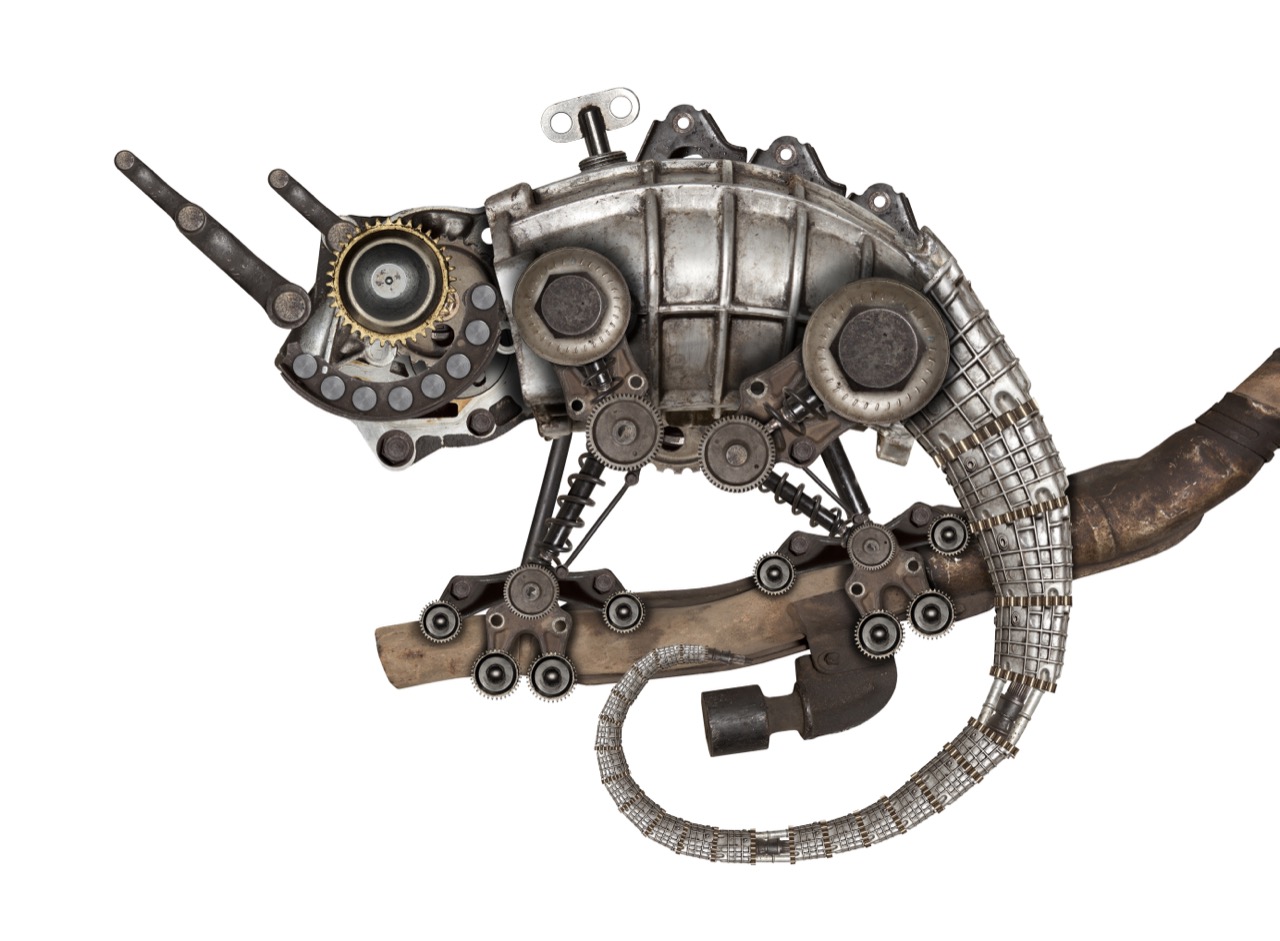
Certain materials and motifs repeat because they signal the world steampunk imagines. Brass and copper suggest old instruments and engines, leather evokes travel and utility, and gears imply mechanical complexity even when they are purely decorative. Keys, pocket watches, typewriter keys, and monocles nod to communication and timekeeping, themes that fit a genre fascinated by invention. Even tea sets and etiquette manuals appear for similar reasons. They point to social rituals, and steampunk often enjoys the contrast between refined manners and wild adventure.
In real life, conventions and meetups are where the culture becomes most visible. Events typically include costume promenades, maker workshops, dances, tea socials, and photo shoots in historic districts or industrial backdrops. Many communities host swap meets for handmade goods and “modding” sessions where newcomers learn safe techniques for painting, sewing, and working with foam or thermoplastics. Music also plays a major role. Some performers blend folk instruments with industrial sounds; others write sea shanties for airships, cabaret songs about mad scientists, or upbeat dance tracks that feel like a Victorian nightclub.
Steampunk overlaps with cosplay and historical reenactment but is not identical to either. Like cosplay, it celebrates costume and character, yet it usually invites original personas rather than strict copies. Like reenactment, it can involve research into garments, manners, and technology, but it allows deliberate anachronisms. Someone might wear a bustle skirt with modern boots, or carry a “steam powered” smartphone case. This flexibility is part of the fun, but it also fuels debates about authenticity. Some prefer historically grounded outfits with subtle inventions, while others embrace maximal fantasy with glowing gadgets and impossible machines.
Another important conversation concerns inclusivity. Because steampunk draws on an era shaped by empire, class inequality, and exclusion, fans often discuss how to enjoy the style without romanticizing its injustices. Many creators expand the genre by highlighting overlooked histories and global influences, imagining alternate futures centered on different cultures, and welcoming a wide range of body types, genders, and backgrounds. At its best, steampunk becomes a shared stage where craftsmanship, storytelling, and community etiquette meet, proving that the most powerful engine in a Victorian future is collective imagination.