Verdict of the Gods True or False Brain Buster Edition






Quiz Complete!
Verdict of the Gods: Why Myth Details Trick Us in True or False Challenges
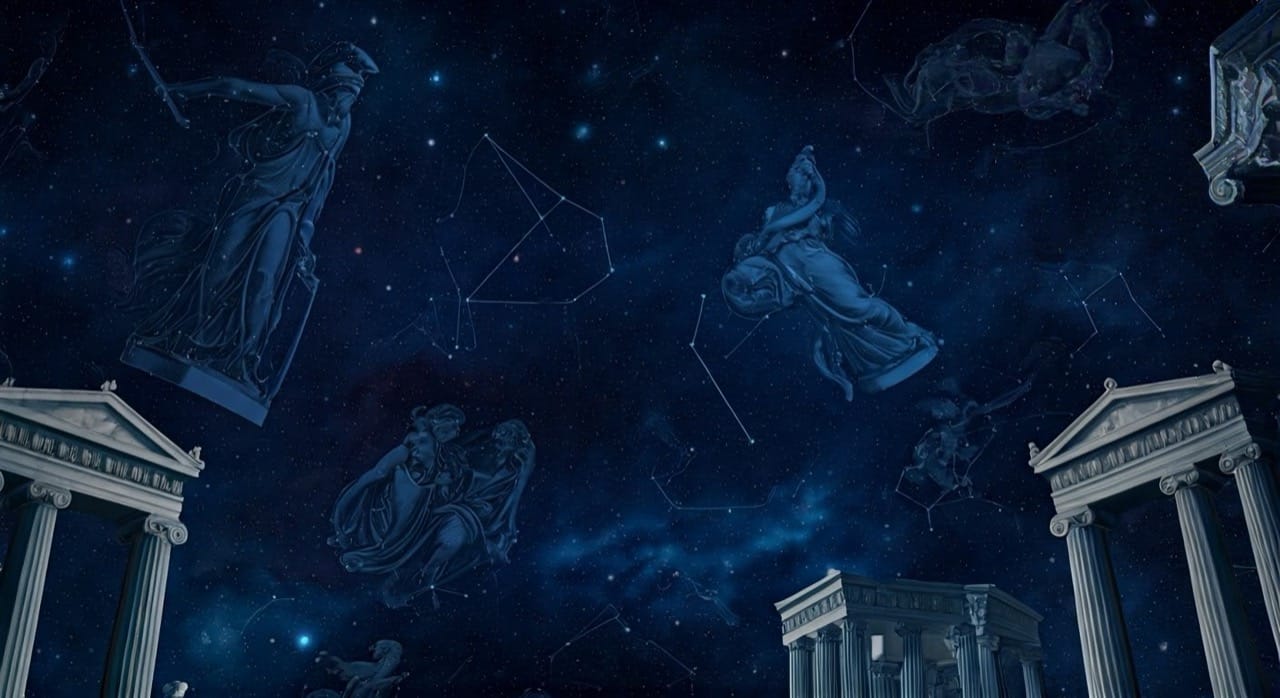
Mythology feels familiar because its characters have become cultural shorthand: Zeus equals thunder, Thor equals a hammer, Anubis equals mummification. But the closer you look, the more the details refuse to stay neat. A true or false quiz about gods, heroes, and monsters works so well because myths were never a single, fixed story. They were told by different poets, carved on different temple walls, and reshaped for different audiences. What sounds obviously correct may come from a modern summary rather than an ancient source, while something that sounds absurd can be exactly what the myth says.
Greek myth is a prime hunting ground for trick statements because family trees are tangled and names repeat. Aphrodite, for example, can be described as born from sea foam after Uranus was mutilated, but some traditions make her the daughter of Zeus and Dione. Both versions circulate, so a quiz statement can be true in one telling and false in another. Heroes also get their achievements swapped. Heracles is famous for twelve labors, yet people often attribute any monster slaying to him, even when another figure did it. Perseus kills Medusa, not Theseus. Theseus confronts the Minotaur, not Perseus. And the Trojan War is full of similar traps: Achilles is not invulnerable everywhere, only protected except for the famous vulnerable point in later retellings, and even that detail is less prominent in early sources than many assume.
Norse myth adds confusion because much of what we know was written down after conversion to Christianity, and because popular media has standardized a few images. Thor is indeed linked to thunder and carries Mjolnir, but he is not the chief god in the way Zeus is; Odin is more closely tied to rulership, wisdom, and the dead. Loki is another frequent quiz ambush: he is not simply a devil figure, and he is not always treated as an outright enemy until later narratives harden his role. Even Ragnarok, the end-of-the-world battle, is often misremembered as total annihilation, when many versions emphasize renewal and a world that returns.
Egyptian mythology can mislead because it is deeply regional and symbolic. Anubis is widely known as a funerary god, yet the ruler of the underworld is more properly Osiris, with Anubis serving as guide and embalmer. Horus and Set are often simplified into pure good versus pure evil, but the myths show political and cosmic complexity, with shifting alliances and legal disputes among the gods. Even Isis, commonly presented as a generic mother goddess, is also a powerful magician whose cleverness drives major plot turns.
Mesopotamian epics are full of details that feel surprisingly modern. In the Epic of Gilgamesh, the flood story resembles later traditions, but the names and motivations differ, and the hero is not a prophet but a king seeking meaning. The goddess Ishtar is not a gentle love deity in the way some people expect; she is also warlike and volatile, which makes certain “too strange to be true” statements accurate.
What makes a true or false brain buster fun is learning to read myths like a detective. Ask which culture, which period, and which source a claim resembles. Watch for swapped parents, merged characters, and modern assumptions that flatten messy traditions into a single neat fact. The gods may demand a verdict, but the myths themselves often insist on ambiguity, and that is exactly where the best trick questions are born.