Supermarket to Selfies Pop Art Spotting Quiz Expert Round
Quiz Complete!
From Supermarket Shelves to Selfies: How Pop Art Trained Us to Spot the Everyday
Pop Art began with a simple but radical idea: the images that surround ordinary life can be as powerful as anything hanging in a museum. Instead of distant myths or grand landscapes, Pop artists looked at grocery aisles, comic strips, celebrity photos, and advertising slogans. They treated mass-produced culture as a shared visual language and then amplified it until it became impossible to ignore. Once you learn the cues, you start noticing Pop Art everywhere, because in many ways modern life is built from the same ingredients Pop artists sampled.
One of the most recognizable Pop moves is repetition. When Andy Warhol lined up Campbell’s soup cans or repeated Marilyn Monroe’s face in different colors, he borrowed the logic of the supermarket and the printing press: the same product, the same image, again and again. Repetition can feel celebratory, like a catchy jingle you can’t stop humming, but it can also feel unsettling, as if the individual disappears inside the copy. Warhol’s use of screenprinting mattered because it mimicked commercial production. Screenprinting allows an image to be transferred quickly, with slight misalignments or smudges that make each version a little different, like a human fingerprint left on a machine-made world.
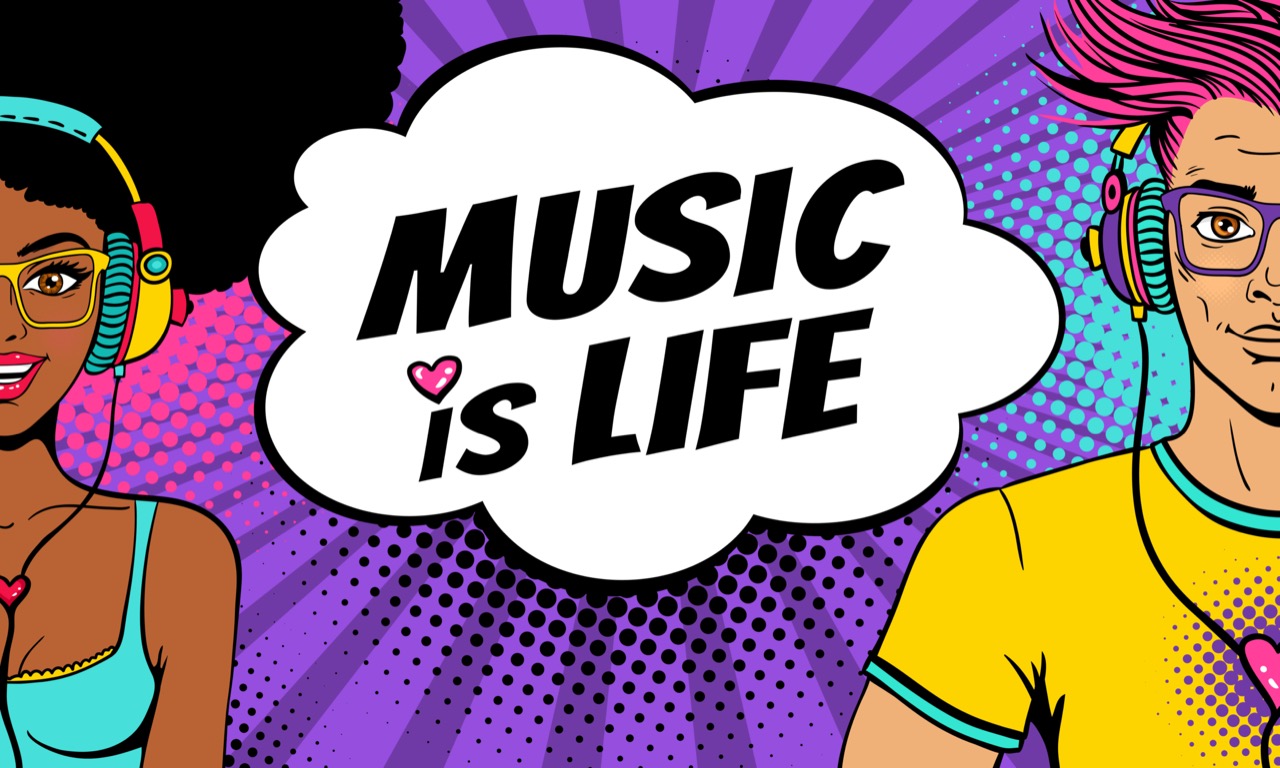
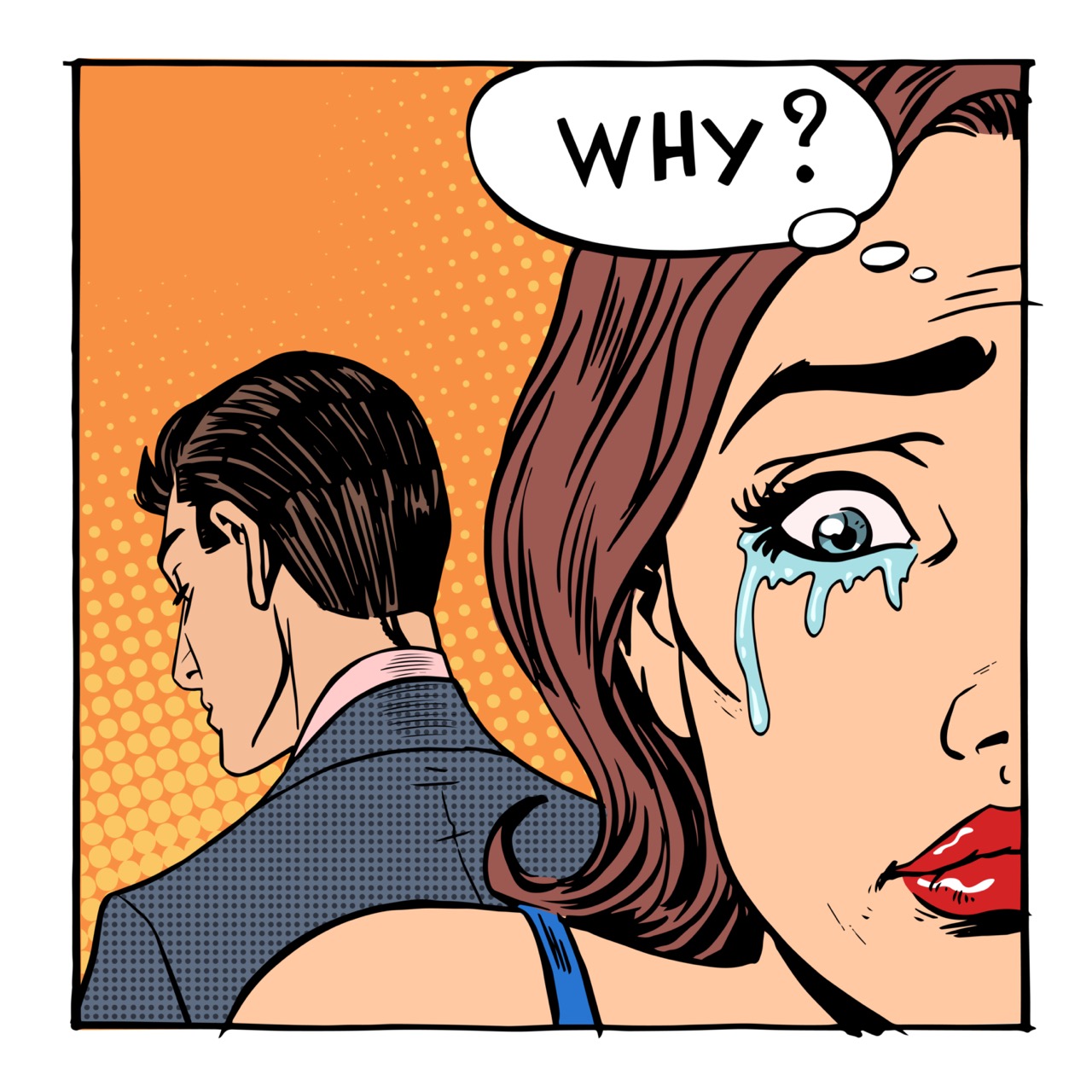
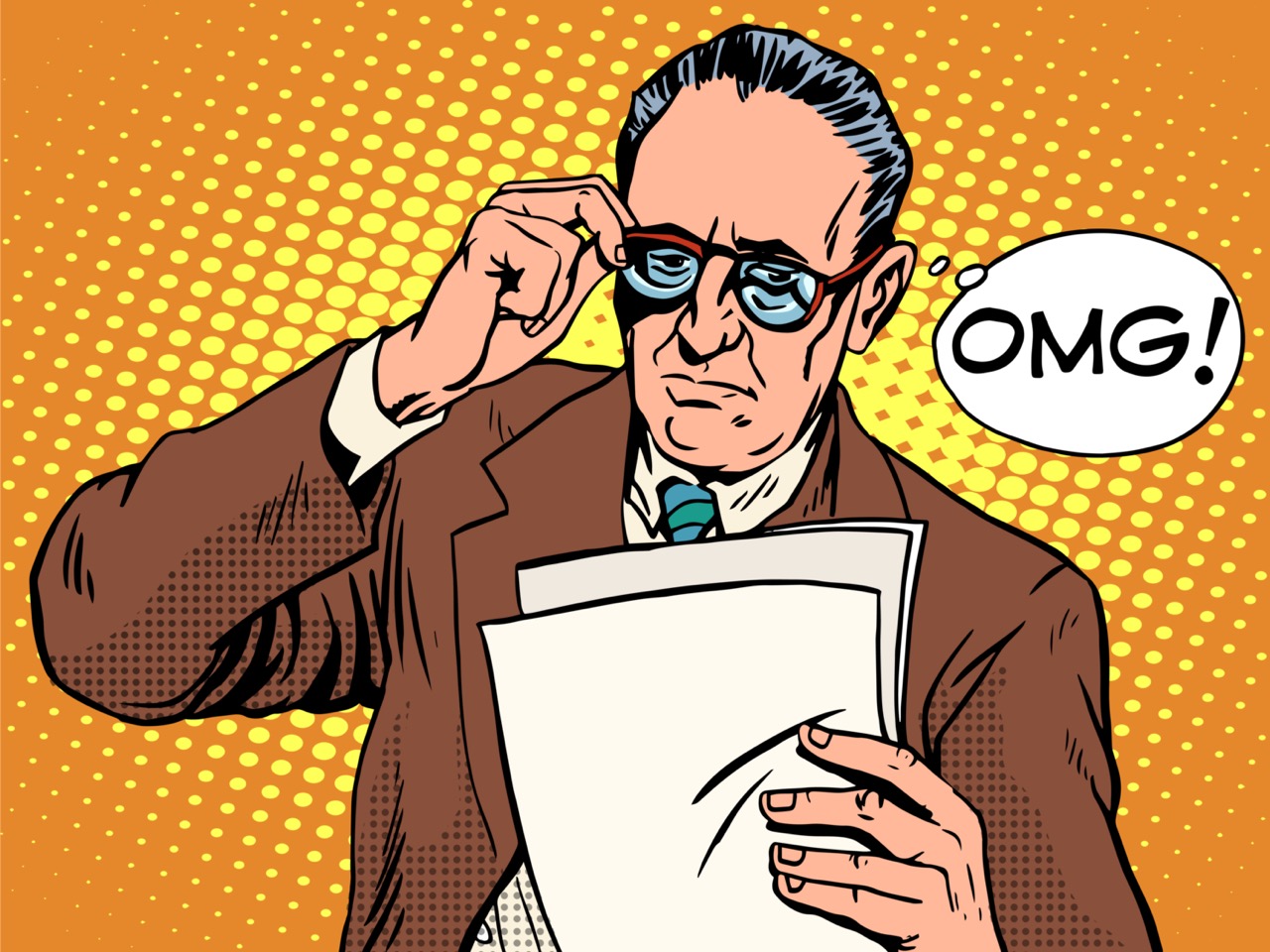
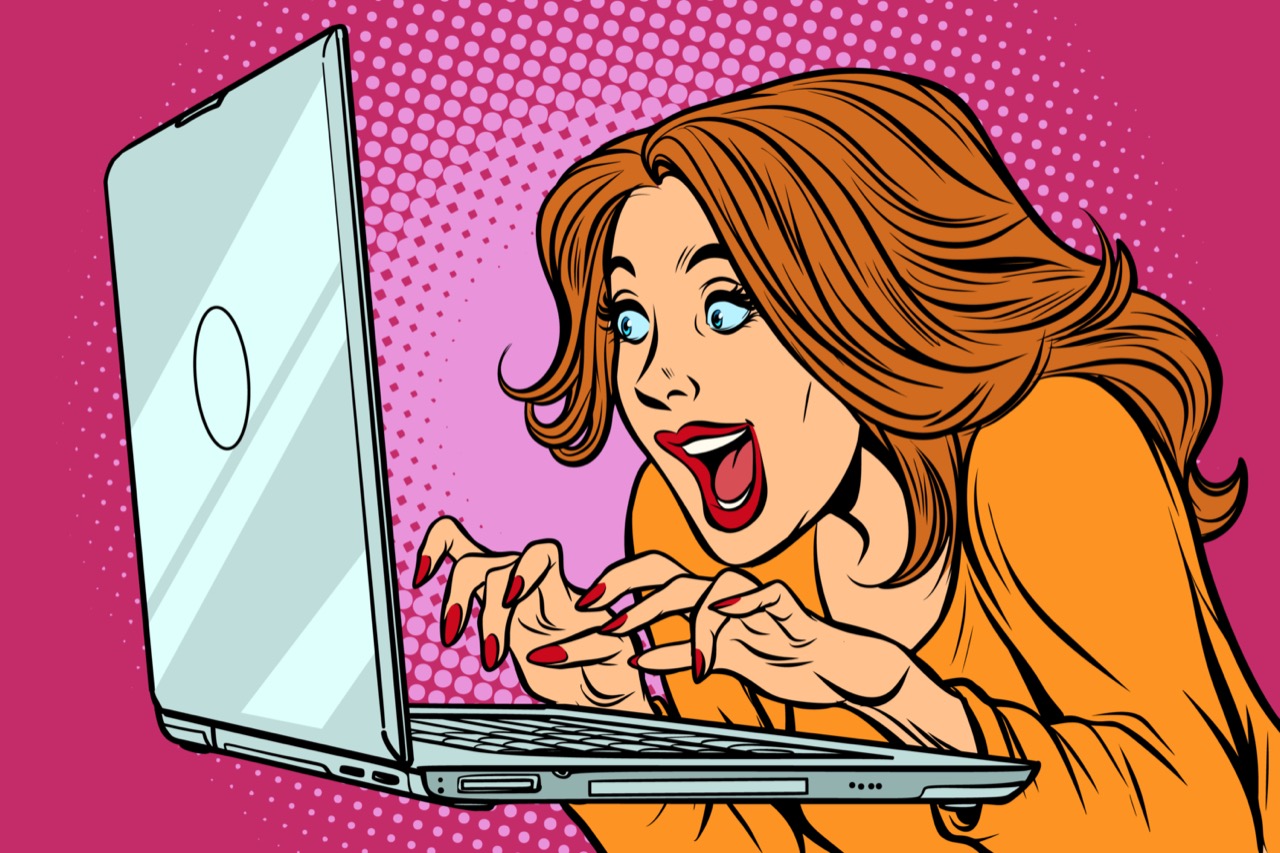
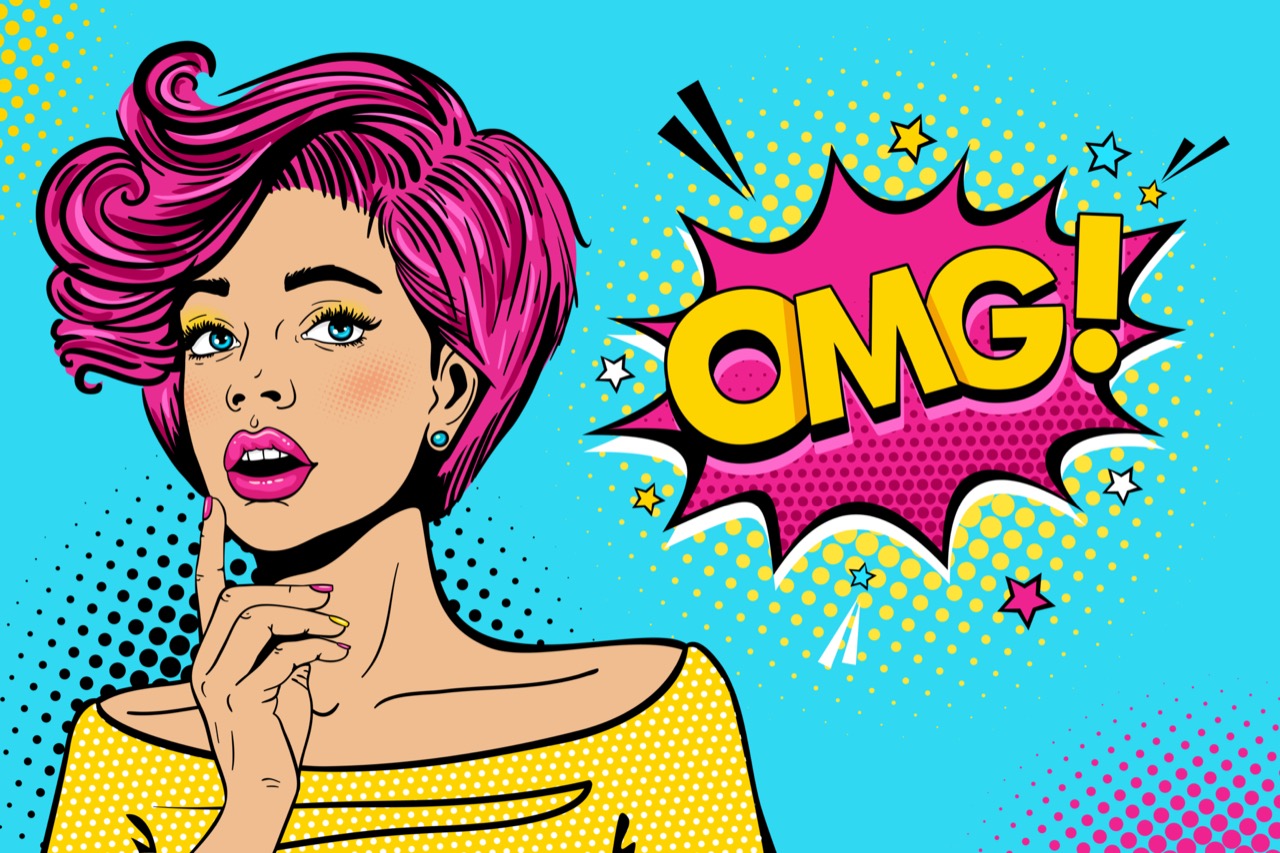
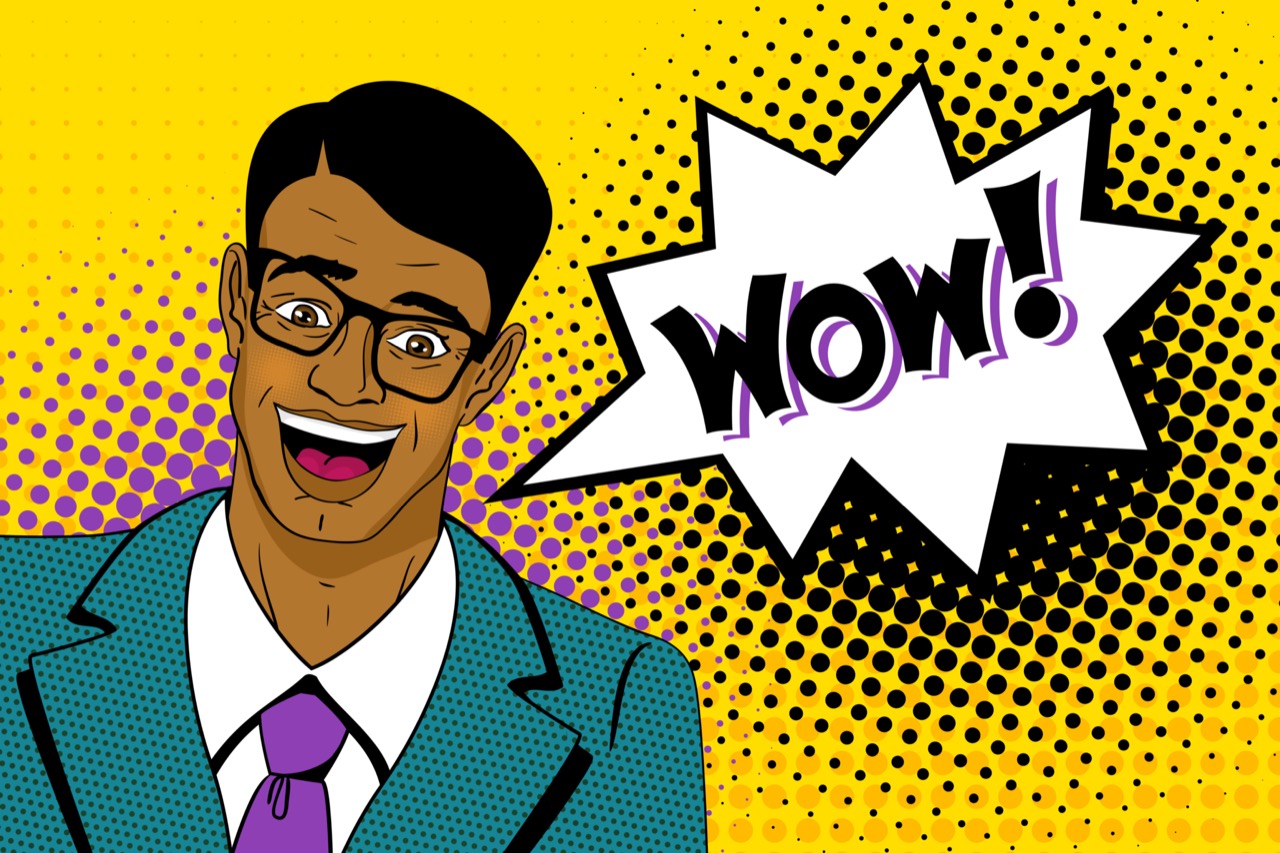
Another signature look comes from comic books and cheap printing. Roy Lichtenstein famously painted scenes that resemble enlarged comic panels, complete with speech bubbles and dramatic close-ups. He imitated Ben-Day dots, the tiny colored dots used in mid-century printing to create shading and blended tones. Up close, the dots are mechanical and obvious; from a distance, they become smooth and emotional. That tension between artificial technique and real feeling is part of Pop Art’s trick. It asks you to consider how much of your emotional life is mediated by images designed to grab attention fast.
Pop Art also thrives on appropriation, the act of borrowing existing images. Advertising, logos, and celebrity photos were already familiar to viewers, so Pop artists could use them like shortcuts. A brand logo carries a whole story about desire, status, and trust without needing explanation. When an artist reuses it, the meaning can flip. Is it praise for the beauty of modern design, or a critique of how easily people are persuaded? Often it is both at once, which is why Pop Art still sparks debate.
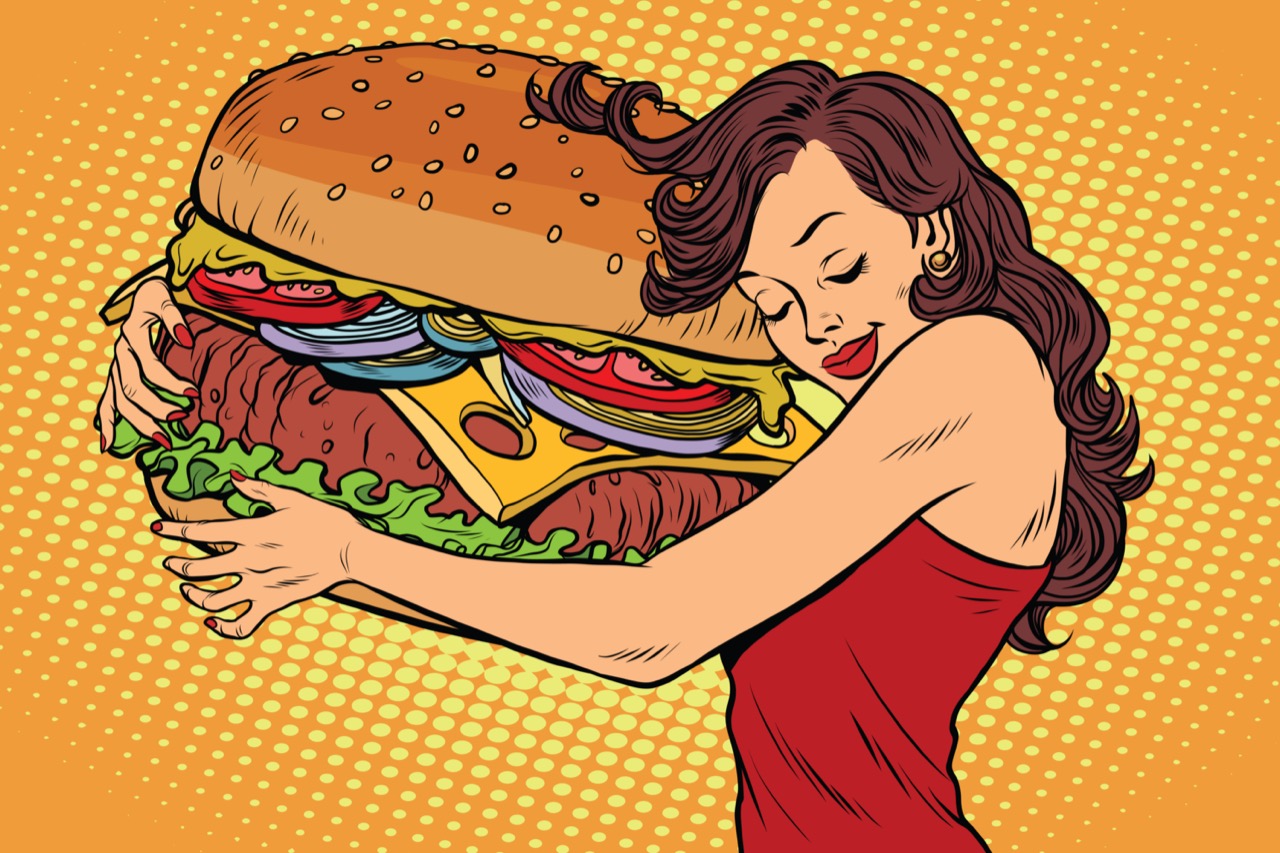
Different places shaped different flavors of Pop. In Britain, early Pop artists such as Richard Hamilton explored American consumer culture with a mix of fascination and skepticism, often collaging together magazine clippings to show how desires are assembled. In the United States, the movement collided with booming postwar advertising and celebrity media. Artists like Claes Oldenburg made soft sculptures of everyday objects, turning a hamburger or a lipstick into something playful and oddly monumental. James Rosenquist, who once painted billboards, used his commercial skills to create giant, fragmented images that feel like walking through an advertisement at full volume.
The reason Pop Art feels so current is that today’s world is even more saturated with repeatable images. Social media feeds reward bold colors, strong outlines, and instantly readable symbols, all Pop-friendly qualities. Filters flatten complex scenes into graphic styles. Memes repeat a template with small variations, echoing the logic of serial images. Even the selfie can resemble a Pop portrait when it is brightly lit, heavily edited, and shared as a kind of personal brand.
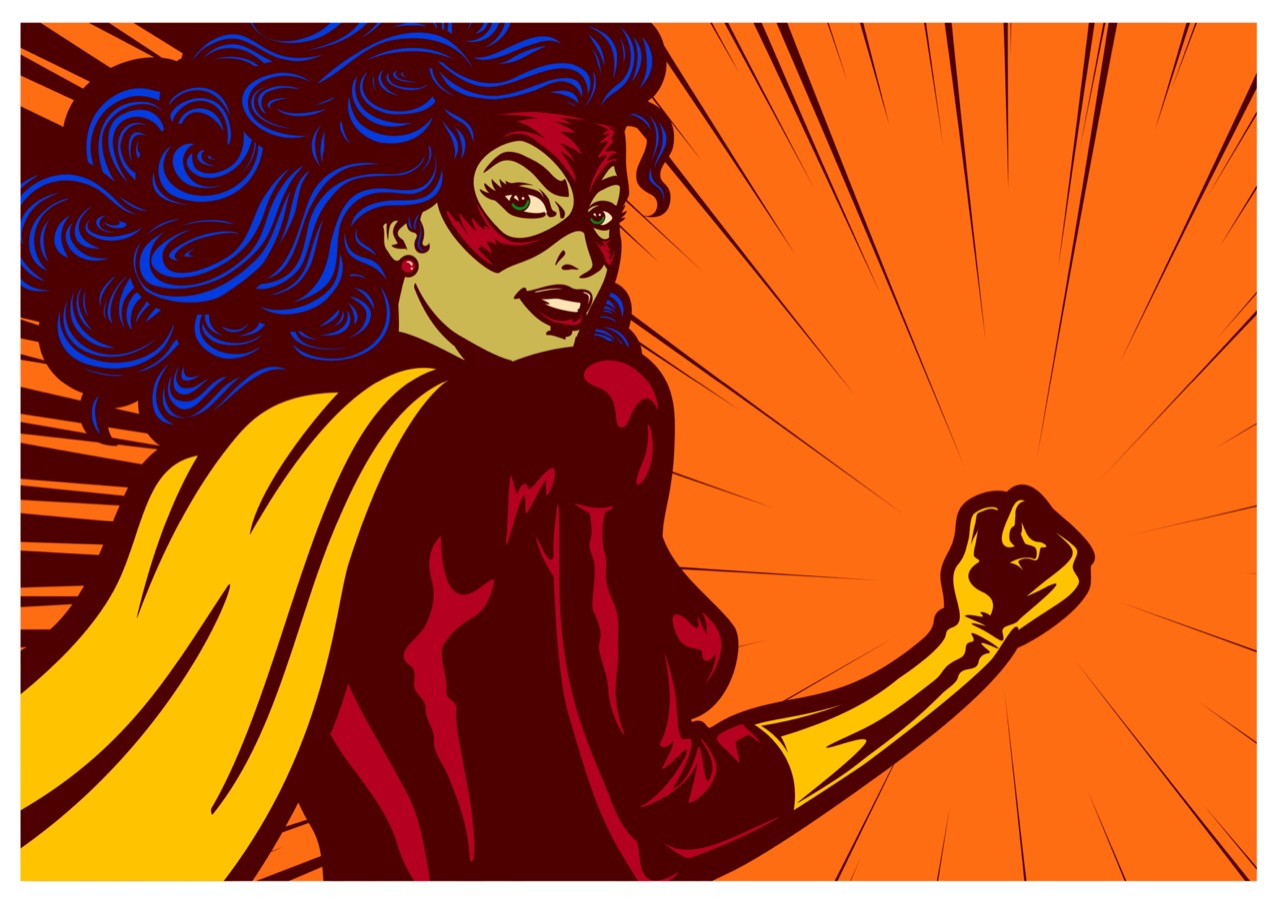
Spotting Pop Art references in daily life becomes a game of noticing techniques: flat color blocks, high contrast, thick outlines, dot patterns, and deliberate repetition. It is also about noticing subjects: packaged food, glamorous faces, household items, and slogans that sound like they belong on a billboard. Pop Art invites you to look at these things twice. The first glance is the familiar world of shopping and scrolling. The second glance asks what those images are doing to you, and what you might be doing back when you remix them into your own style.