Rivets, Roses, and Rayguns Steampunk Symbol Quiz



Quiz Complete!
Reading the Symbols of Steampunk: From Gears to Airships
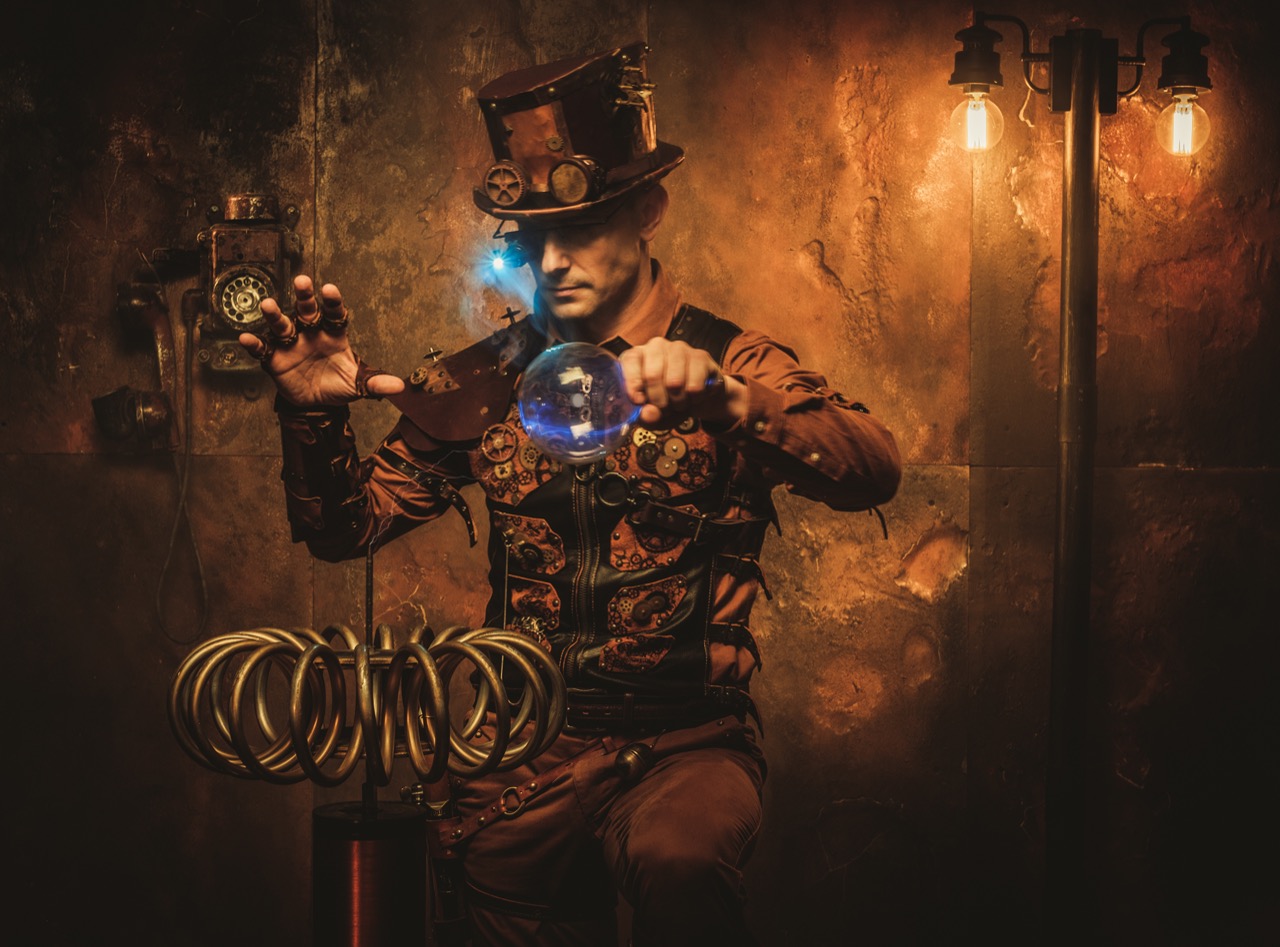
Steampunk is often described as a mashup of Victorian fashion and futuristic invention, but what makes it instantly recognizable is its symbolic vocabulary. A single object, like a pair of goggles or a brass cog, can tell you what kind of world you are in and what values it celebrates. These symbols are not random decorations. They borrow from real history, especially the Industrial Revolution, and from the hopes and anxieties people attached to new machines, new energy sources, and new social movements.
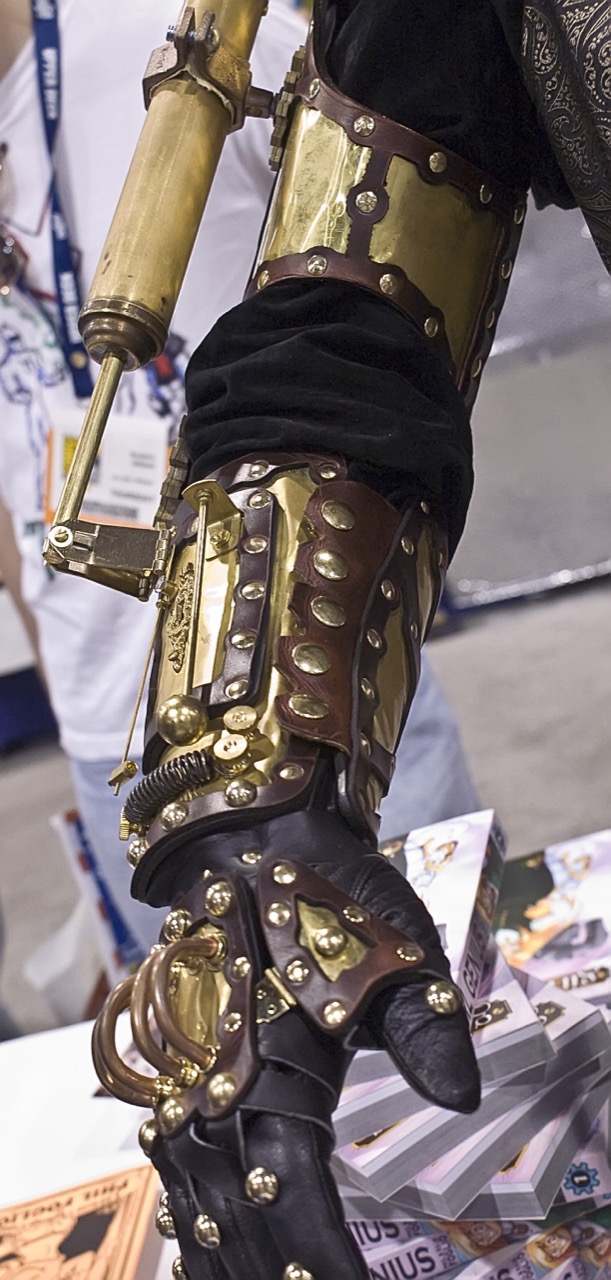
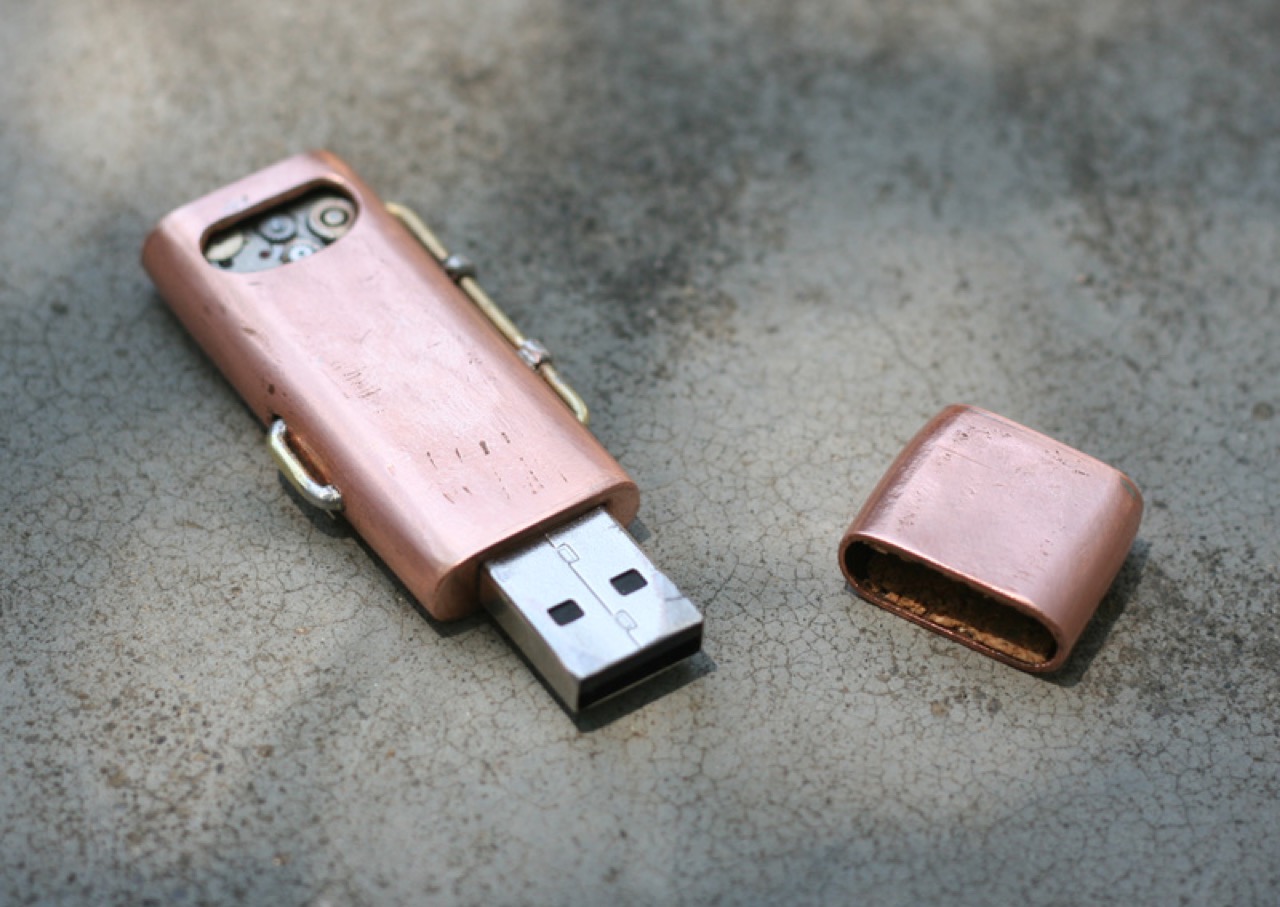
Brass, copper, and polished wood are more than an aesthetic preference. Brass became common in scientific instruments, navigation tools, and fittings because it resists corrosion and can be machined precisely. When a steampunk scene glows with warm metal, it quietly suggests a workshop culture where things are built by hand, repaired, and improved rather than replaced. Rivets and visible seams reinforce the idea that construction is honest and legible. You can see how the machine is held together, which implies a world that trusts engineering and celebrates craft.
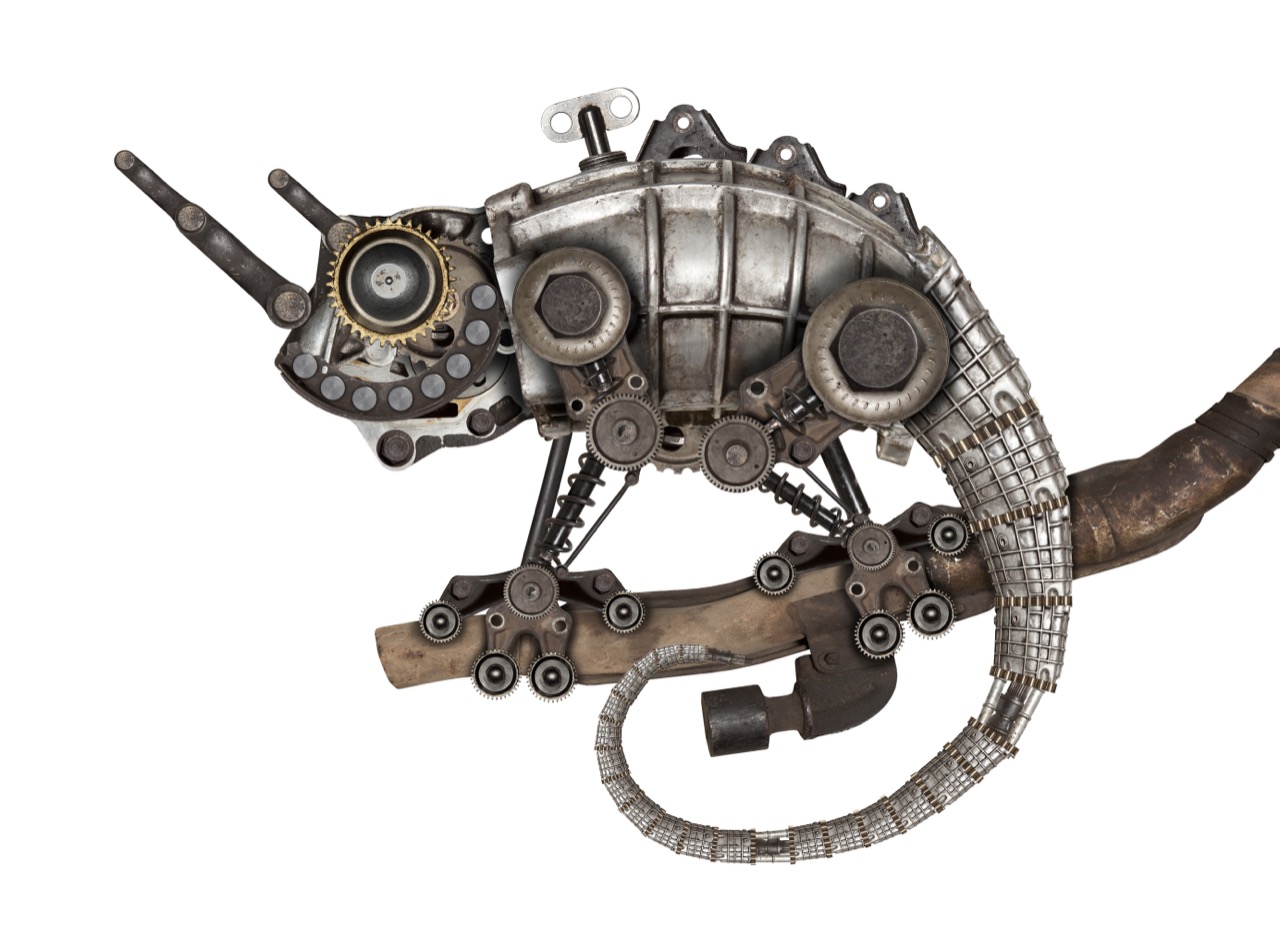
Gears and cogs are the most famous steampunk emblem because they compress a whole worldview into a simple shape. A gear is a symbol of interlocking systems: society as a mechanism, progress as something that can be designed, and personal identity as part of a larger machine. In some stories, that is optimistic, the idea that clever design can solve problems. In others, it is a warning about people being treated like replaceable parts. That tension is part of steampunk’s appeal, and a small cog on a lapel can hint at either pride in industry or anxiety about it.
Airships appear everywhere because they represent adventure without modern convenience. Historically, balloons and dirigibles were real experiments in the nineteenth and early twentieth centuries, and they captured the public imagination as symbols of exploration and spectacle. In steampunk, an airship is a floating city, a pirate haven, a scientific expedition, or a mobile empire. It also nods to an age when the map still had blank spaces and travel was slow enough to feel like a journey. The airship silhouette instantly suggests romance and risk, plus the idea that the sky itself can be engineered.
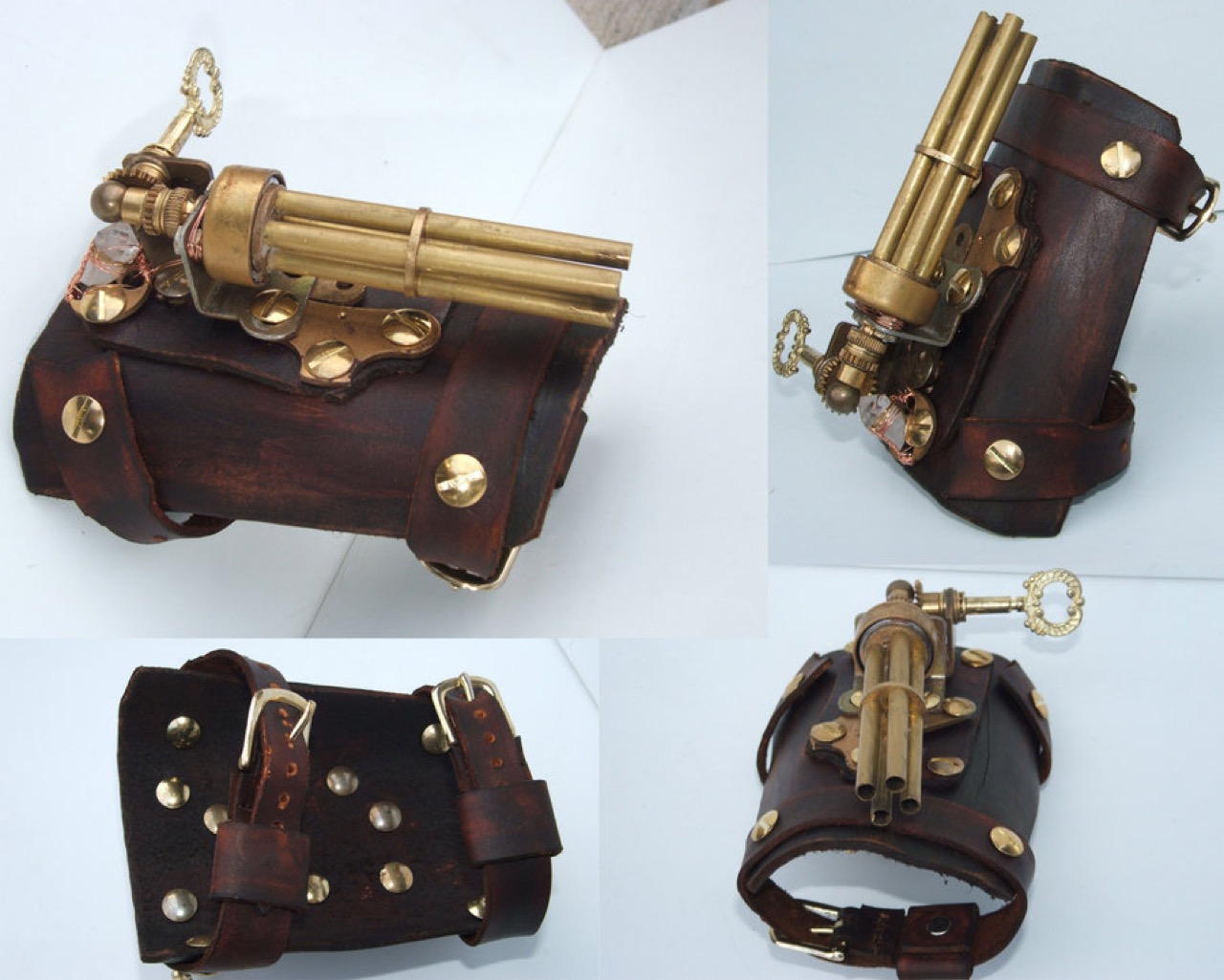
Keys and locks are another frequent motif, and they do a lot of narrative work. A key can mean access to hidden knowledge, secret rooms, or forbidden technology. It can also suggest class and power: who is allowed through the door and who is kept outside. In a genre that often plays with conspiracies, private clubs, and shadowy ministries, a key is a compact symbol of both curiosity and control.
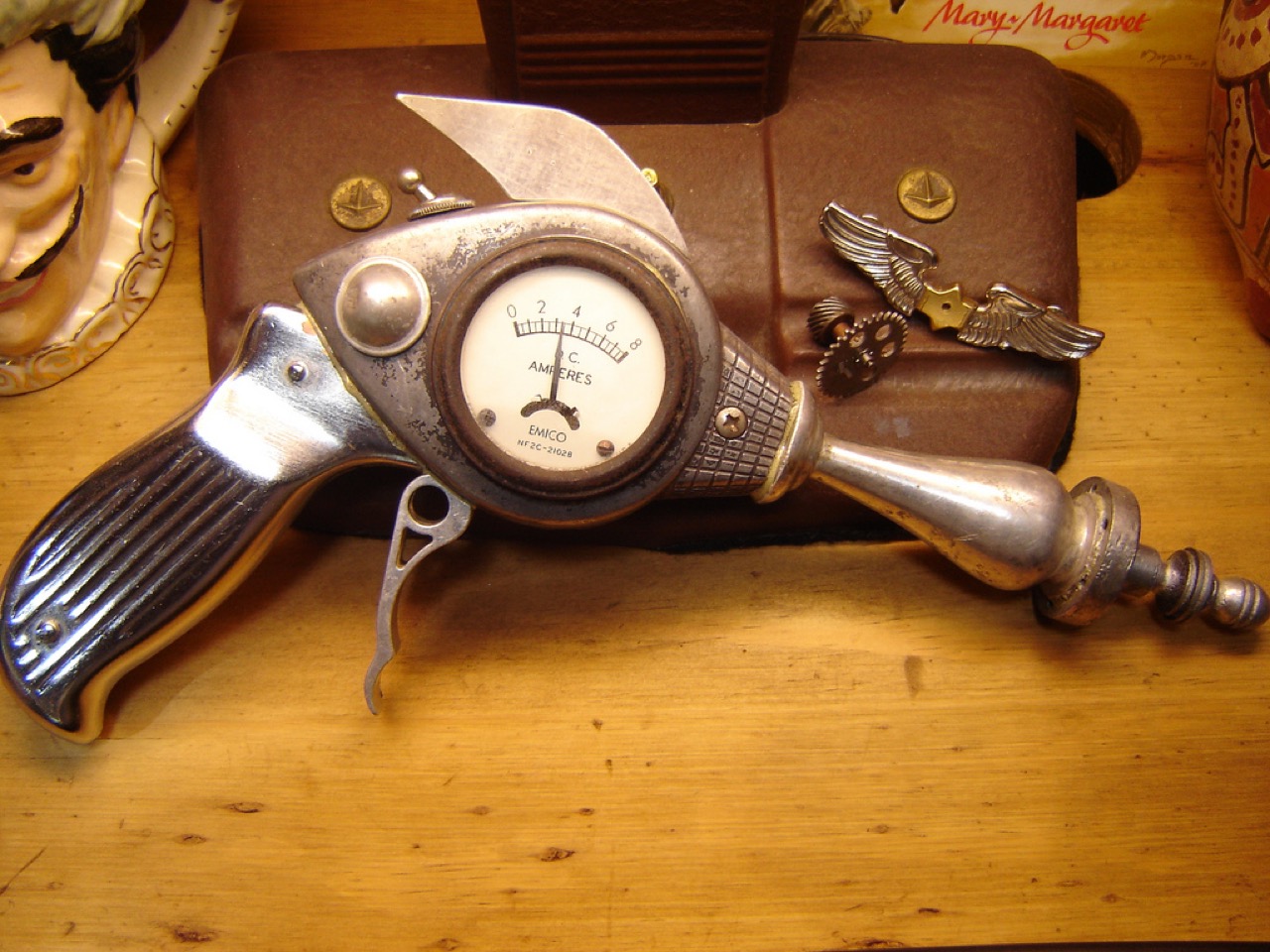
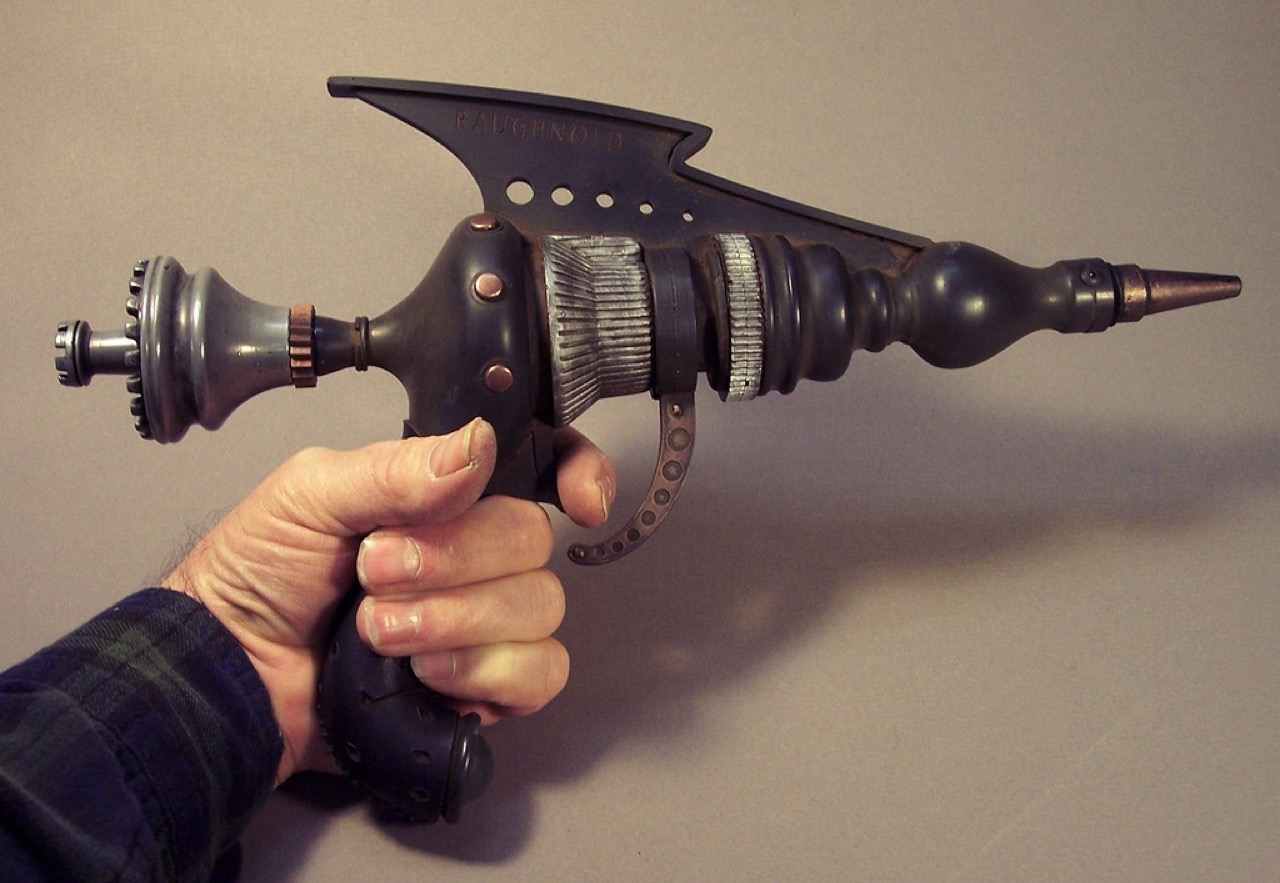
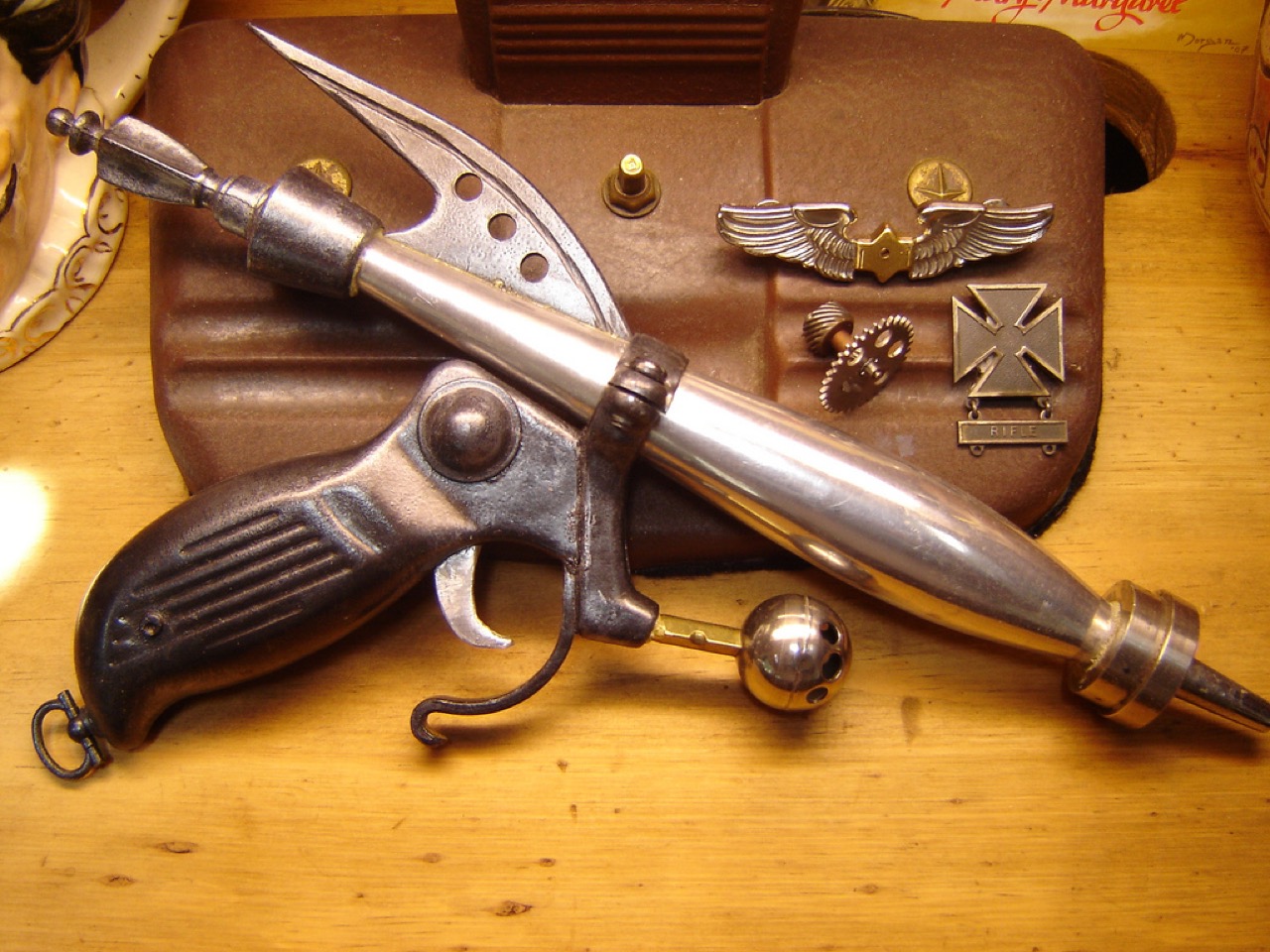
Rayguns and electrical coils pull steampunk toward retro futurism, echoing early electrical experiments when electricity felt mysterious and almost alive. The nineteenth century was full of public demonstrations of sparks, magnets, and strange new devices. Steampunk exaggerates that era’s wonder by imagining compact power sources, improbable weapons, and humming machines built from brass and glass. Even the choice of materials matters: glass tubes and exposed wiring signal that science is visible, theatrical, and a little dangerous.
Botanical elements like roses, ivy, and lace soften the machinery and add another layer of meaning. A rose can symbolize romance, beauty, and the persistence of nature inside an industrial city. It can also hint at secrecy, as in old associations with coded messages and private societies. Pairing flowers with metal suggests a world negotiating between progress and tradition, or between human feeling and mechanical logic.
Top hats, corsets, pocket watches, and monocles are not just costume pieces. They reference Victorian social codes, invention culture, and the prestige of science and exploration. The pocket watch in particular is a symbol of time as something measured, managed, and monetized, which fits neatly with factories, schedules, and the era’s obsession with efficiency. When you learn to read these symbols, steampunk becomes a kind of visual shorthand. A single gear can whisper industry, a key can promise secrets, and an airship can invite you to climb aboard and leave the ordinary world behind.