Passport to Myths Across World Traditions

Quiz Complete!
Passport to Myths Across World Traditions
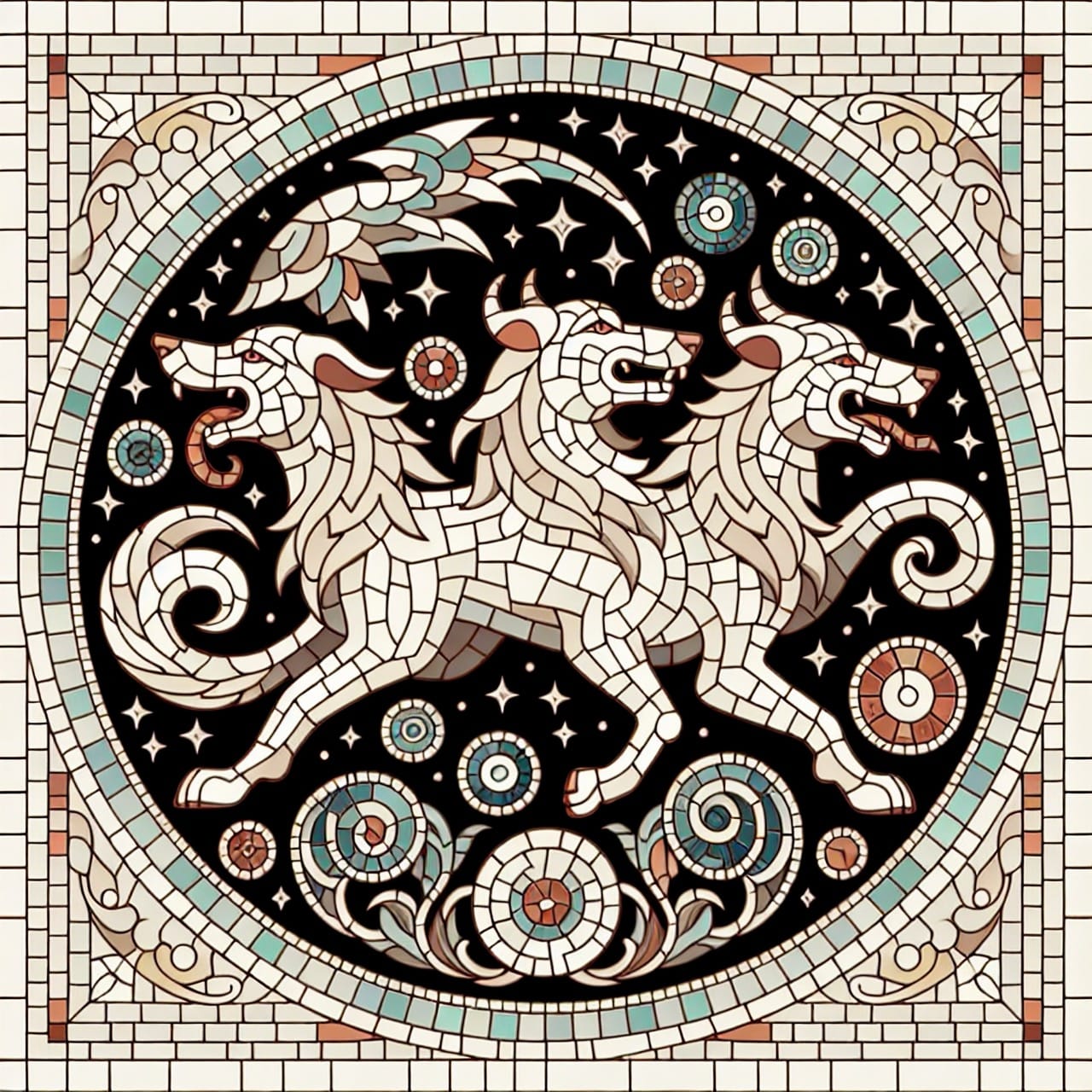
Mythology is often treated like a catalog of famous gods and monsters, but in most cultures it functions more like a shared language for explaining reality. Myths describe how the world began, why it can be dangerous or unfair, and what people owe to one another and to the unseen powers around them. Even when the names and settings differ, many traditions return to a handful of story types that help communities think through the biggest questions.
Creation stories, for example, are rarely just about the first sunrise. They also explain what a society considers basic and sacred. Some myths begin with an ordered creator who speaks or shapes the world, while others start in chaos, darkness, or an endless sea. In several traditions, the world is made from a body: a giant or primordial being is dismembered so land, sky, and rivers can exist. This dramatic image turns creation into an act with a cost, suggesting that life is built from sacrifice and transformation. Other creation tales emphasize emergence rather than construction, with people climbing up from underground or arriving through a cosmic opening, which frames human life as part of a layered universe.
Flood and catastrophe myths appear across continents and can sound uncannily similar: warnings ignored, a chosen survivor, a vessel or refuge, and a renewed world. These stories may preserve memories of real disasters, but they also work as moral thought experiments about human arrogance, divine limits, and second chances. A catastrophe resets the moral ledger and raises a question: what should be different this time?
Hero cycles bring mythology closer to adventure. A hero may be of unusual birth, marked by prophecy, hidden away, then tested through trials that prove worthiness. The pattern is familiar because it mirrors human development: leaving home, facing danger, gaining allies, and returning changed. Yet heroes are not always purely virtuous. Some are reckless, some are tragic, and some succeed through stubborn endurance rather than strength. Their stories often justify social values such as hospitality, courage, or loyalty, and they can also legitimize rulers by tracing royal lines back to a semi-divine ancestor.
Trickster stories add a different kind of wisdom. Tricksters break rules, steal fire, invent language, or embarrass the powerful. They can be animals like a raven, coyote, spider, or hare, or they can be shape-shifting beings who blur every boundary. Their mischief is not merely comedy; it explains why the world is imperfect and why humans must be clever. Tricksters also reveal that rules exist because they can be broken, and that creativity sometimes looks like trouble.
Underworld journeys and descents into the land of the dead explore grief and the fear of oblivion. A traveler may seek a lost loved one, stolen knowledge, or a cure for a community. These myths often include guardians, passwords, trials, and irreversible bargains. They ask what death means, what can be brought back, and what must be left behind. Even when a figure returns, the story may insist on a lasting mark, teaching that contact with death changes the living.
The beings that populate myths are not random monsters. Dragons, giants, ogres, and spirits often represent forces that feel larger than human control: storms, famine, disease, or the wild. Helpful ancestors and household spirits express the opposite idea, that the world can be negotiated through respect, offerings, and proper behavior. Folklorists and myth scholars use categories and motifs to compare these patterns, but the real pleasure is noticing how each culture reshapes shared questions into its own imagery. Mythology becomes a passport not to one fantasy world, but to many ways humans have tried to understand the same mysteries.