Pantheons on Screen Pop Mythology Quiz Lightning Round

Quiz Complete!
Pantheons on Screen: How Pop Culture Remixes Ancient Mythology
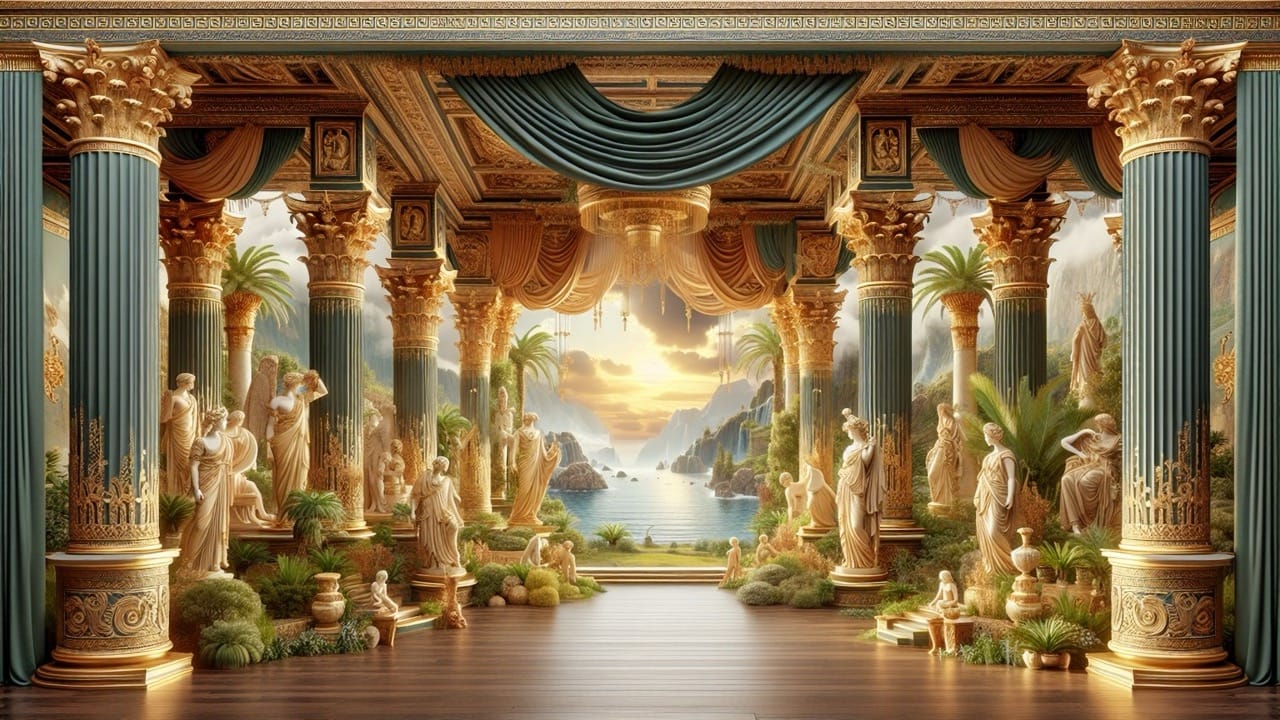
Ancient myths were never fixed in the first place. Long before movies and video games, storytellers adjusted gods and monsters to fit local tastes, political needs, or the moral lessons of the day. Modern pop culture continues that tradition, but at a faster pace and with a global audience. A single character like Thor can be a thunder god in medieval poems, a red bearded traveler in folk memory, and a wisecracking superhero on the big screen, all while still carrying recognizable symbols like the hammer and the storm.
One reason myth adapts so easily is that pantheons function like shared universes. Greek mythology alone offers a sprawling cast, clear relationships, and dramatic conflicts that resemble serialized storytelling. That is why Hades often becomes a central villain in modern retellings, even though ancient sources present him more as a stern ruler of the dead than an embodiment of evil. Pop stories like to simplify the underworld into a place of punishment, but the Greek afterlife had multiple destinations. The gloomy Asphodel Meadows were for ordinary souls, Elysium rewarded the exceptional, and Tartarus held the truly monstrous. When a game or film turns the underworld into a single lava filled dungeon, it is usually borrowing more from later religious imagery and fantasy conventions than from Homer.
Artifacts and rules travel especially well into new media. The trident, the helm of invisibility, Achilles heel, Medusa gaze, and the labyrinth are instantly legible plot devices. Yet creators often swap their meaning. Medusa, for example, is frequently reimagined as a tragic victim or even a protector figure, reflecting modern interest in perspective and injustice. Likewise, the Minotaur may shift from a singular monster to a species of horned warriors, because games and comics need repeatable enemies and expandable lore.
Norse myth is another favorite because it already feels cinematic: world ending prophecies, giants, shapeshifting tricksters, and gods who can die. But adaptations often smooth out the strangeness. Loki in the old stories is not simply a charming antihero; he is a complicated figure who helps the gods and harms them, and his actions lead to catastrophic consequences. Ragnarok is not just a final battle spectacle. It is a cycle of destruction and renewal, with survivors and a world that continues, a theme that modern stories sometimes keep but often replace with a definitive apocalypse.
Egyptian mythology is frequently presented as a neat hierarchy of gods with clear job titles, but the original tradition spans thousands of years and many regions. Pop culture tends to spotlight the most visually iconic elements: Anubis as a jackal headed guide, Ra as the sun, and the weighing of the heart against a feather. That famous judgment scene is rooted in the idea of maat, a concept of truth, balance, and proper order. When a film turns it into a simple good versus evil courtroom, it loses some nuance, but it keeps the memorable image that makes the myth stick.
Modern creators also blend traditions. A single fantasy setting might place Greek Olympians beside Norse aesir and Egyptian gods, even though these pantheons were never meant to share a map. That mashup can be fun, but it can also blur what belongs where. A helpful quiz mindset is to look for signature clues: Odin is associated with ravens, a spear, and the pursuit of wisdom; Zeus with thunder and kingship; Isis with protection and powerful magic; and Hermes with travel and boundaries. When you spot those motifs, you can often trace the character back to older sources, even if the name, costume, or personality has been updated.
The best adaptations do not aim for perfect accuracy. They aim for resonance. Myths survive because they can be retold to match new fears and new hopes, whether that means a superhero grappling with responsibility, a game hero trying to escape the underworld, or a TV drama reframing a monster as misunderstood. Knowing the ancient essentials makes the remix more enjoyable, because you can recognize both the original melody and the clever changes.