Mythic VIPs and Their Signature Legends





Quiz Complete!
Mythic VIPs and the Tiny Details That Made Them Immortal

Mythology is crowded with unforgettable personalities, but what keeps these figures alive in memory is often a single sharp detail: a strange birth, a symbolic weapon, a rule they cannot break, or one disastrous choice. Those signature traits work like a shortcut into an entire story. They also explain why myths still shape modern language and storytelling, from calling someone an Achilles heel to warning against opening Pandora’s box.
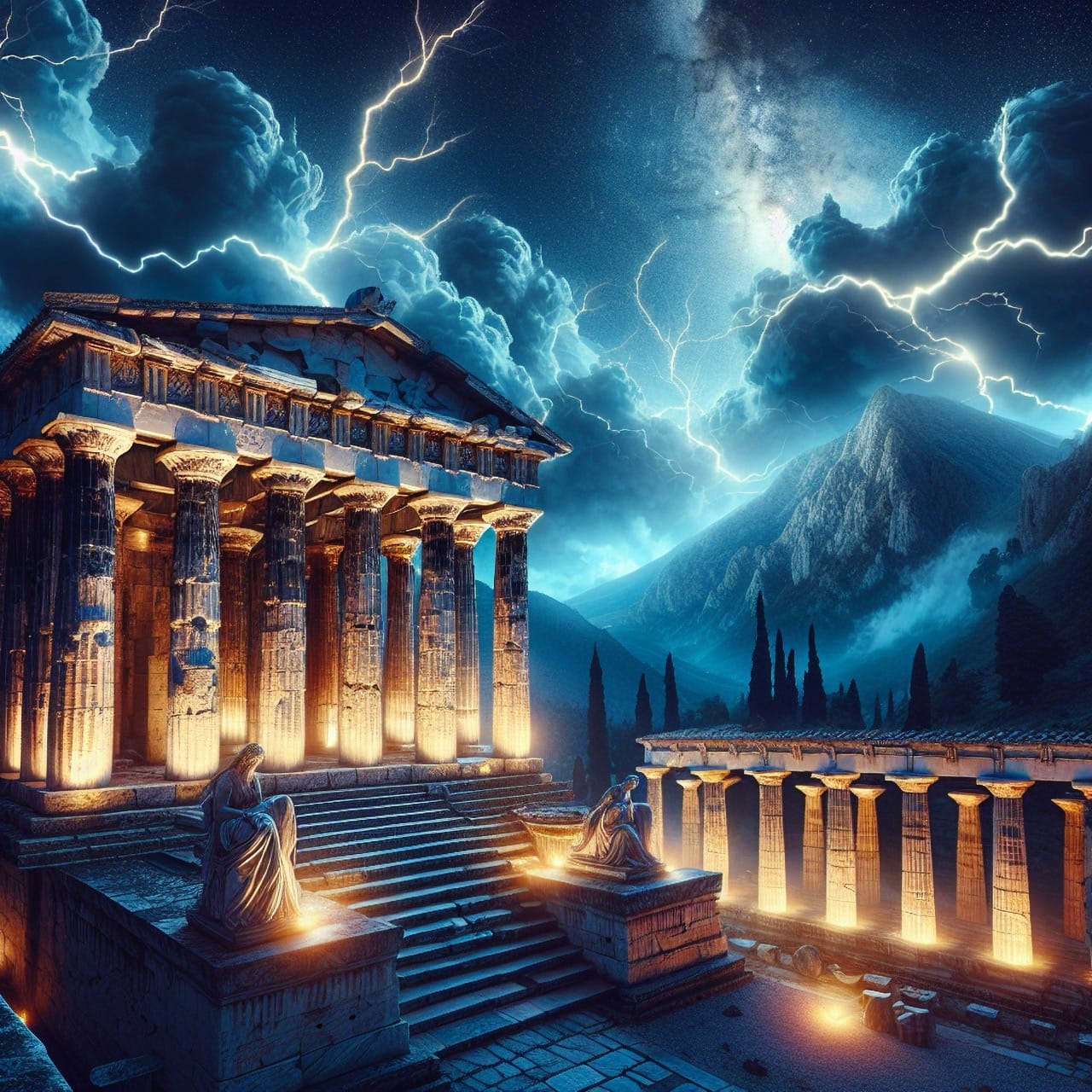
Greek myth offers some of the clearest examples of how one detail can define a legend. Achilles is the greatest warrior of the Trojan War, yet his fame is inseparable from vulnerability. Later tellings focus on the spot his mother failed to protect when she tried to make him invincible, turning an unstoppable hero into a cautionary tale about hidden weaknesses. Odysseus, by contrast, is remembered less for strength than for cunning, and one small moment captures it: he tells the Cyclops his name is Nobody, a trick that saves him and also reveals the mythic admiration for clever speech. Even the gods have their signatures. Zeus is the king of Olympus, but his lightning bolt is more than a weapon; it is a symbol of authority and sudden, unanswerable power. Athena’s owl and Ares’ spear similarly signal wisdom versus brute force, making them instantly recognizable in art and modern logos.
Some myths revolve around a boundary that must not be crossed. Orpheus is defined by a single backward glance. His music can charm the underworld itself, yet impatience and doubt undo him at the last step, turning his story into a lasting image of love tested by trust. Pandora is remembered for a container she opens, not because curiosity is evil, but because consequences can escape faster than anyone can contain them. The detail is simple, but it carries a complex idea: humans live with troubles they did not choose, and hope is tangled up with them.
Norse legends often highlight fate and the cost of power. Odin’s missing eye is a compact symbol of sacrifice for knowledge, and his ravens, often described as thought and memory, make him feel like a god who is always gathering intelligence. Thor’s hammer is similarly iconic, not just as a tool for smashing giants but as a sign of protection and sanctification, used in stories for blessing as well as battle. Loki, the trickster, is harder to pin down because his defining trait is change itself, yet even he is marked by a fateful turning point: the death of Baldr, where mischief becomes catastrophe and sets the world on a path toward Ragnarok.
Egyptian myth preserves its legends through striking images and family drama. Osiris is the murdered king whose dismembered body becomes a map of loss and restoration, while Isis is the relentless healer and magician who reassembles what was broken. Their story is not only about death and rebirth; it also explains why kingship is sacred and why devotion is portrayed as practical, persistent work. Anubis, with his jackal head, signals the boundary between the living and the dead, a guardian presence that made the afterlife feel navigable rather than random.
South Asian epics add another layer: the idea that a hero’s defining detail often reflects a moral duty. In the Ramayana, Rama’s exile is not merely misfortune; it becomes a test of righteousness and self-control, while Sita’s trials highlight how virtue is judged and contested. In the Mahabharata, Arjuna’s hesitation before battle is a signature moment because it frames heroism as a moral crisis, not a simple desire to win. Krishna’s guidance turns that crisis into a teaching about responsibility, attachment, and the complexity of doing the right thing.
Across cultures, monsters and tricksters also rely on memorable traits. Medusa’s gaze that turns people to stone is a vivid warning about danger and taboo, but her story has been reinterpreted as one about fear, punishment, and power. The Sphinx’s riddle shows that intelligence can be as deadly as claws, and that a city’s survival may depend on understanding rather than force.
These small, telling facts are why mythology works so well in quizzes and in life. They are easy to remember, but each one opens a door into a larger world of values and anxieties: courage shadowed by weakness, love tested by doubt, power purchased with sacrifice, and fate shaped by choices that cannot be undone.