Goggles Off Steampunk Scandals Quiz


Quiz Complete!
Brass, Gears, and Gossip: The Real Debates Behind Steampunk Scandals
Steampunk looks like polished brass and whirring gears on the surface, but the scene has always run on lively argument as much as imagination. Part of the appeal is that it is a remix culture: people borrow from Victorian and Edwardian aesthetics, speculative science, pirate lore, Wild West myths, and industrial design, then rebuild it into wearable art and fiction. That same freedom invites disputes about who gets represented, who gets paid, and who gets to define what steampunk is.
One long-running controversy centers on Victorian nostalgia. Critics argue that celebrating the era without acknowledging colonialism, racism, labor exploitation, and rigid class and gender systems can turn steampunk into a costume party that politely ignores real harm. Supporters counter that steampunk is inherently revisionist, a chance to rewrite history with more agency for women, queer people, and marginalized communities. The tension is not simply academic; it affects what stories get published, what imagery appears in marketing, and what behavior is tolerated at events.
Cultural appropriation debates appear whenever steampunk draws on non-European motifs. The genre’s global potential is huge, but it can slide into using Asian, African, or Indigenous aesthetics as decorative flavor while keeping the narrative focus and profits centered elsewhere. Many community discussions now emphasize research, credit, collaboration, and sensitivity to power dynamics. The best work tends to come from creators who treat cultures as living contexts rather than a box of exotic props.
Conventions have provided some of the most memorable flashpoints. As steampunk grew from small maker meetups into ticketed festivals, questions emerged about accessibility, safety, and professionalism. Disputes over harassment policies, guest behavior, and organizer accountability have periodically erupted into public call-outs. These moments can be messy, but they have also pushed many events to adopt clearer codes of conduct, better reporting channels, and more thoughtful programming.
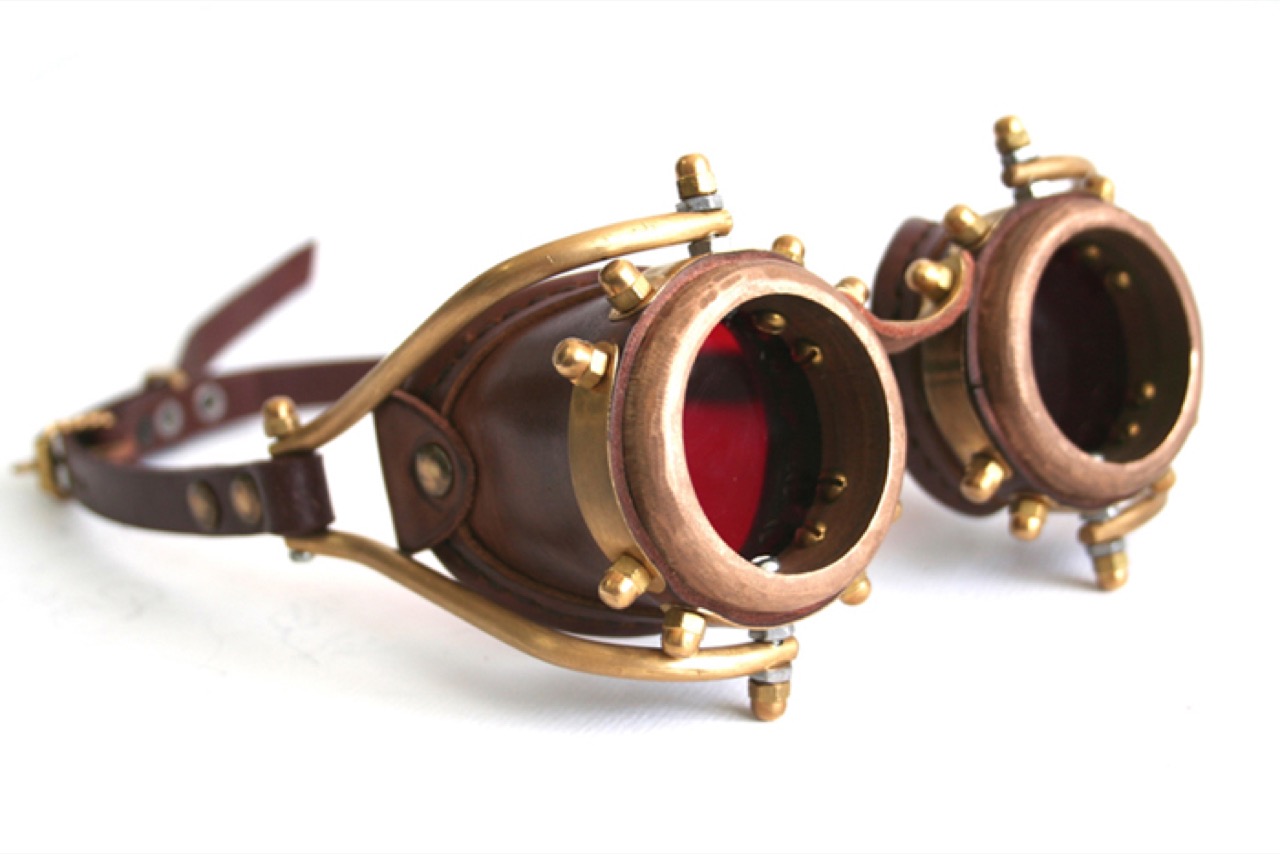
Another fault line runs between DIY maker values and commercial branding. Early steampunk culture prized thrift-store ingenuity, hand-built props, and visible craftsmanship. As the look became marketable, mass-produced goggles and pre-distressed corsets flooded online shops. Some fans see commercialization as a betrayal of the maker spirit; others welcome it as a way for newcomers to participate without specialized tools, time, or money. In practice, the scene now contains both: artisans selling high-end custom work, hobbyists swapping tips, and brands packaging the aesthetic for broad consumption.
Author dustups and creator feuds have also shaped the conversation. Because steampunk sits at the intersection of literature, cosplay, music, and visual art, audiences often form strong loyalties. Accusations of plagiarism, disputes over credit, and arguments about who originated certain ideas can spread quickly, especially online. Sometimes the “scandal” is more rumor than record, amplified by social media’s tendency to reward outrage. A useful habit is to separate verifiable statements from screenshots without context, and to remember that a loud narrative is not always a true one.
Hoaxes and pranks fit steampunk’s playful relationship with history. Faux artifacts, invented explorers, and “rediscovered” journals can be clever storytelling devices, but they can also confuse audiences when presented without clear framing. The line between immersive fiction and misinformation matters, particularly when real historical tragedies or marginalized histories are involved.
If there is a through line to steampunk scandals, it is that the genre is constantly negotiating its identity: celebration versus critique, fantasy versus responsibility, community craft versus commerce. The drama can be entertaining, but the most interesting part is what it reveals about how fandoms mature. Steampunk remains a workshop as much as a wardrobe, and its debates are often the sound of people trying to build something imaginative without repeating the worst parts of the past.