Gearshift Timeline Steampunk Milestones Quiz

Quiz Complete!
From Brass Dreams to Maker Reality: A Timeline of Steampunk Milestones
Steampunk feels like an alternate Victorian world of brass fittings and goggles, but its roots are tied to real moments in history and to later bursts of storytelling that reframed the nineteenth century as a playground for imagination. Many steampunk timelines begin with the Industrial Revolution, when steam power moved from curiosity to infrastructure. James Watt’s improvements to the steam engine in the late 1700s helped make factories and railways practical, and by the 1820s and 1830s steam locomotives were transforming travel. The Great Exhibition of 1851 in London, staged inside the Crystal Palace, became a symbol of the era’s confidence in technology. It displayed machines, textiles, and engineering feats from around the world, and it still reads like a catalog of objects steampunk loves to remix.
The literature that steampunk borrows from is just as important as the inventions. Mary Shelley’s Frankenstein, published in 1818, offered an early template for science fiction by combining scientific ambition with moral unease. Later in the century, Jules Verne and H G Wells provided many of the genre’s favorite ingredients: daring voyages, eccentric inventors, and machines that embody both wonder and danger. Verne’s Twenty Thousand Leagues Under the Seas in 1870 gave readers the Nautilus, a sleek technological fantasy that feels like a direct ancestor of countless steampunk submarines and airships. Wells’s The Time Machine in 1895 and The War of the Worlds in 1898 pushed speculative ideas into popular culture and helped cement the Victorian period as a natural stage for futuristic dreams.
Early cinema carried these images forward. Georges Melies’s 1902 film A Trip to the Moon, with its theatrical sets and handmade effects, looks strikingly like the crafted, gear-filled visual language that modern steampunk celebrates. Decades later, film and television kept returning to retrofuturism. The 1960s and 1970s brought a renewed fascination with Victorian adventure and mad-science aesthetics, and by the 1980s the cultural ingredients were ready for a name.
That name arrived in 1987, when author K W Jeter used the word steampunk in a letter to describe a style of fiction that played with Victorian settings and speculative machinery, echoing the sound of cyberpunk while pointing backward in time. Around the same period, novels by Tim Powers, James Blaylock, and Jeter himself helped define what readers came to recognize as steampunk: historically flavored worlds where technology takes strange turns and where the past is both lovingly detailed and mischievously reinvented.
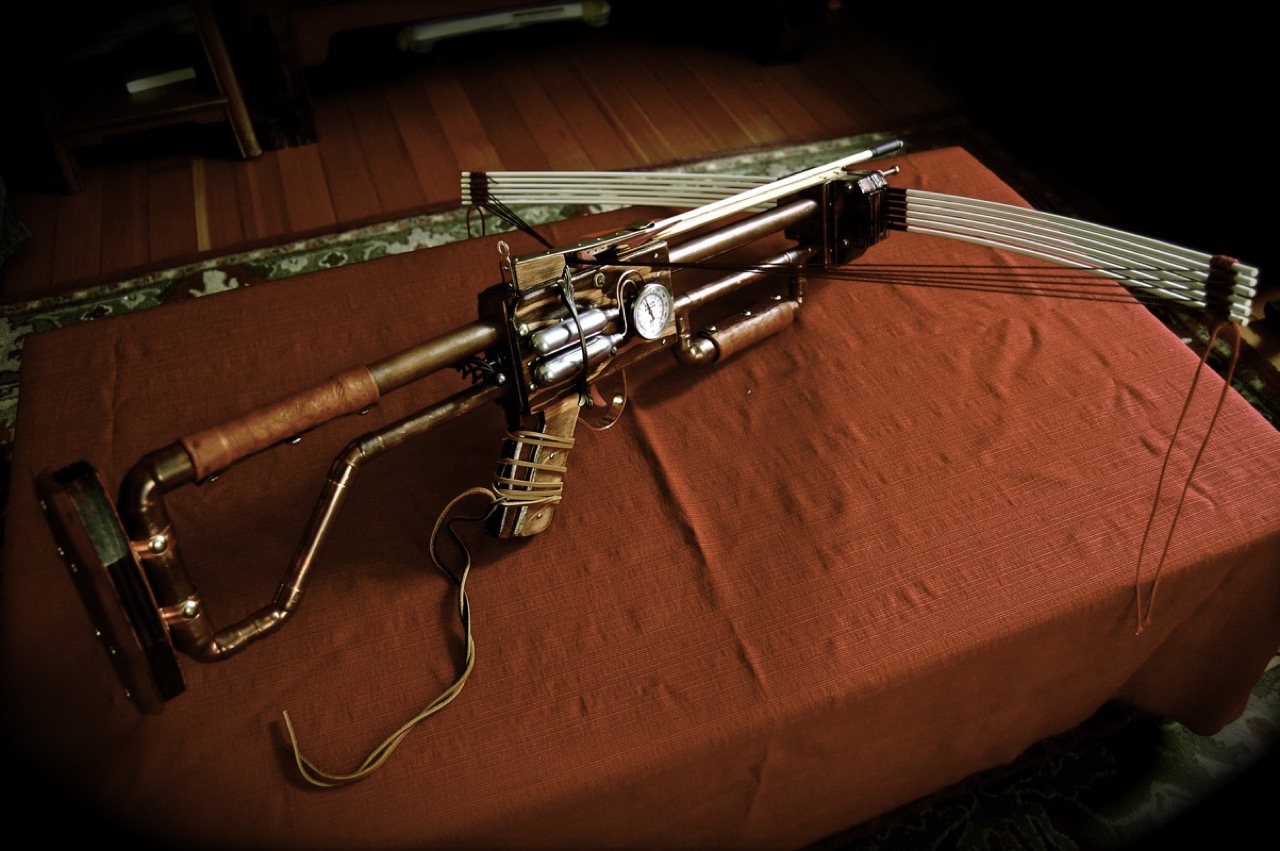
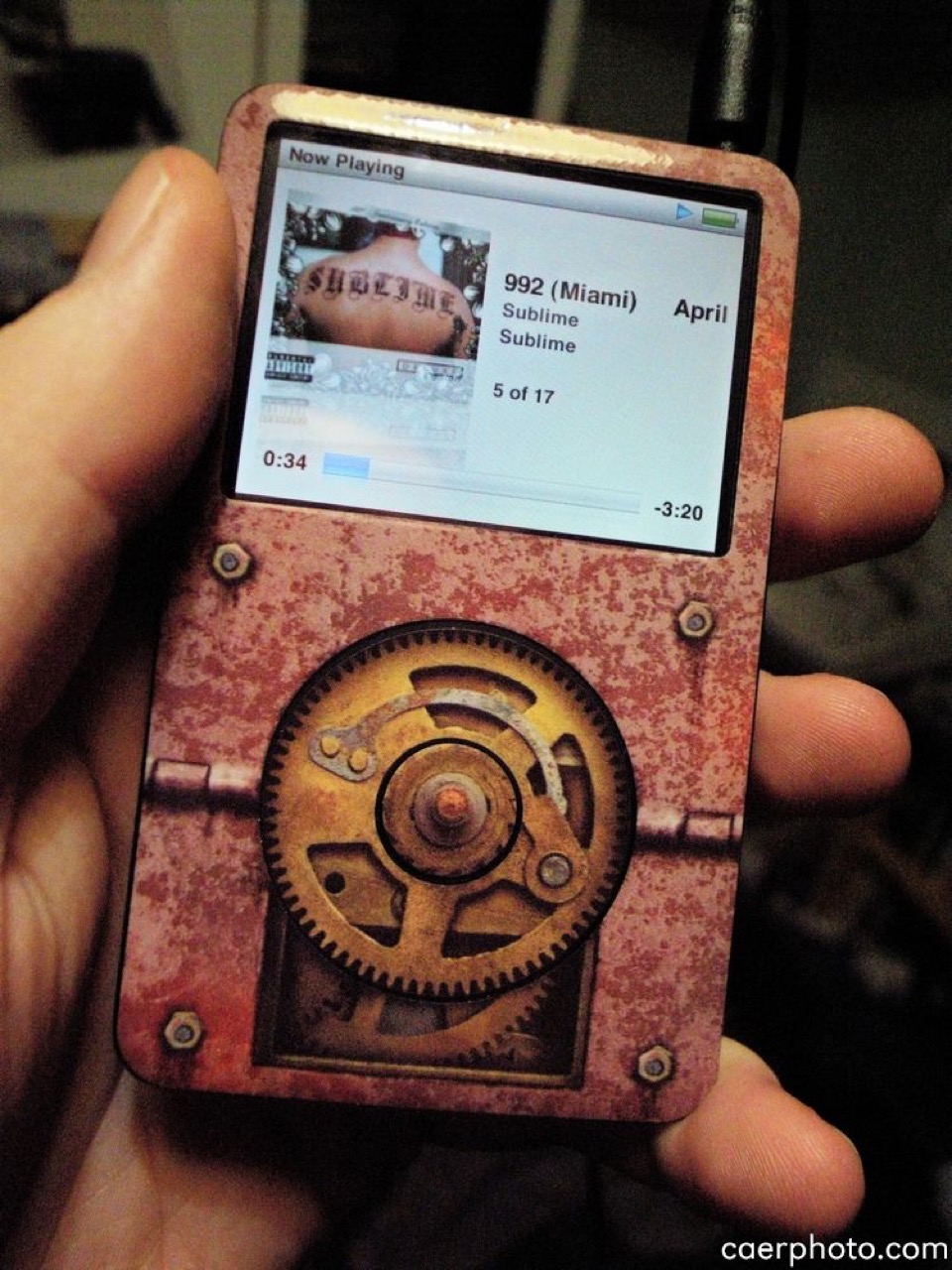
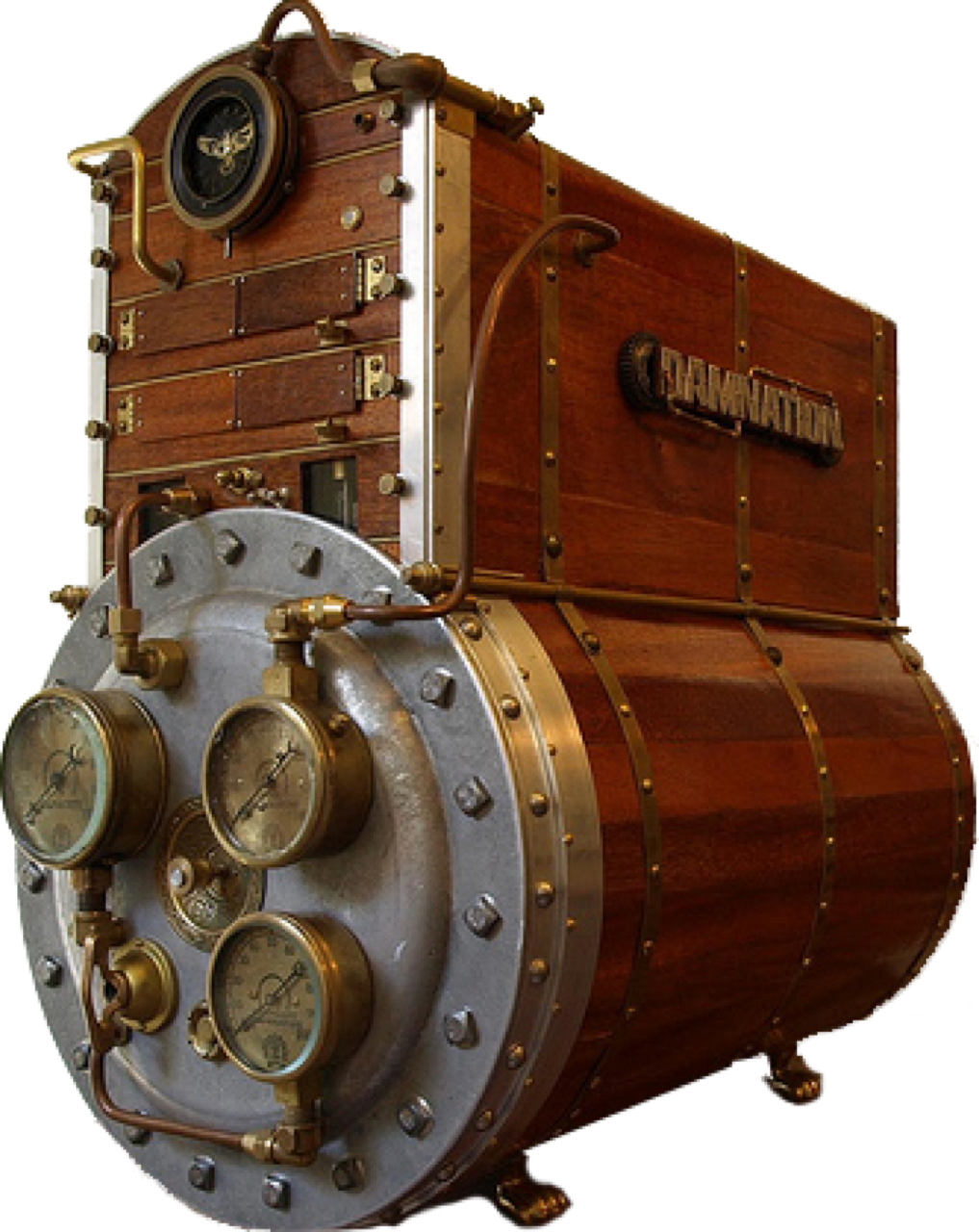
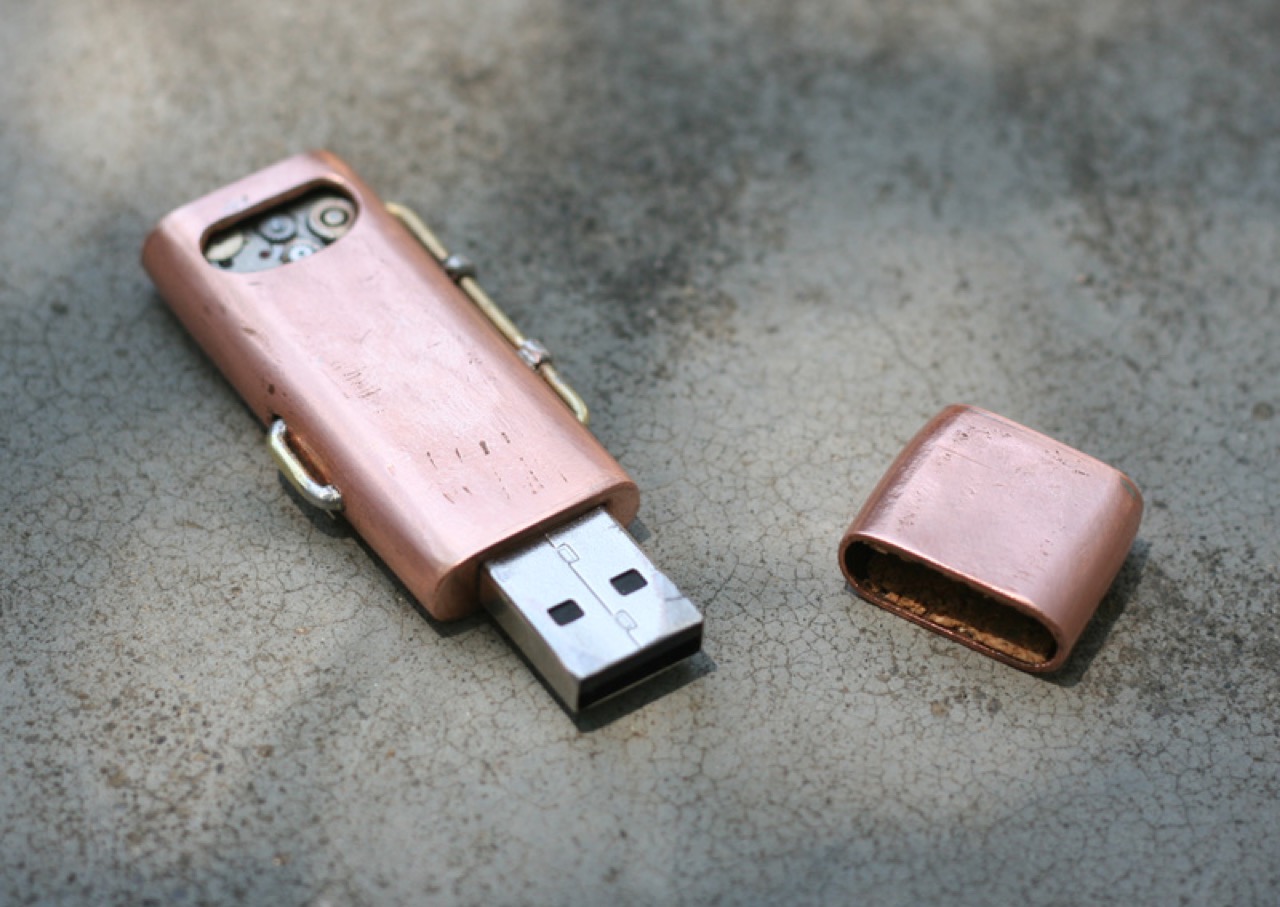
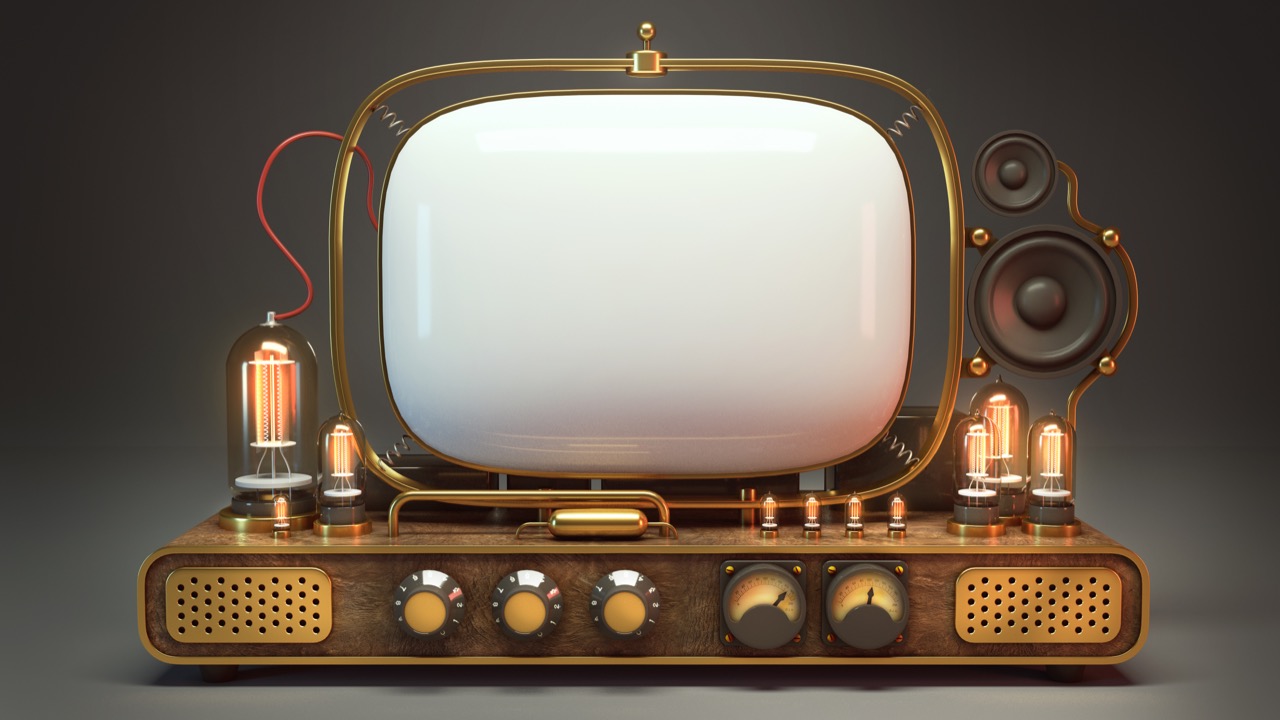
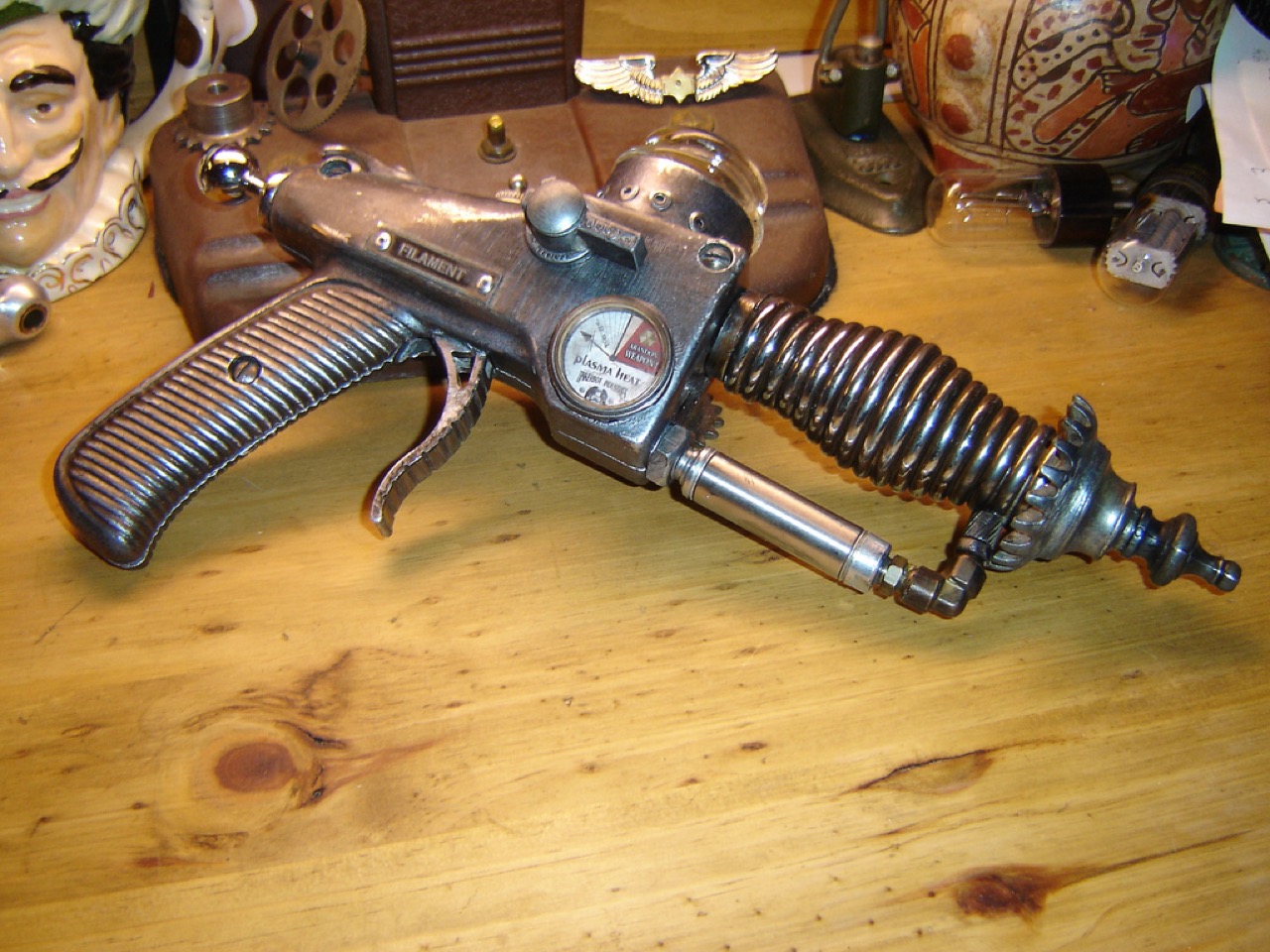
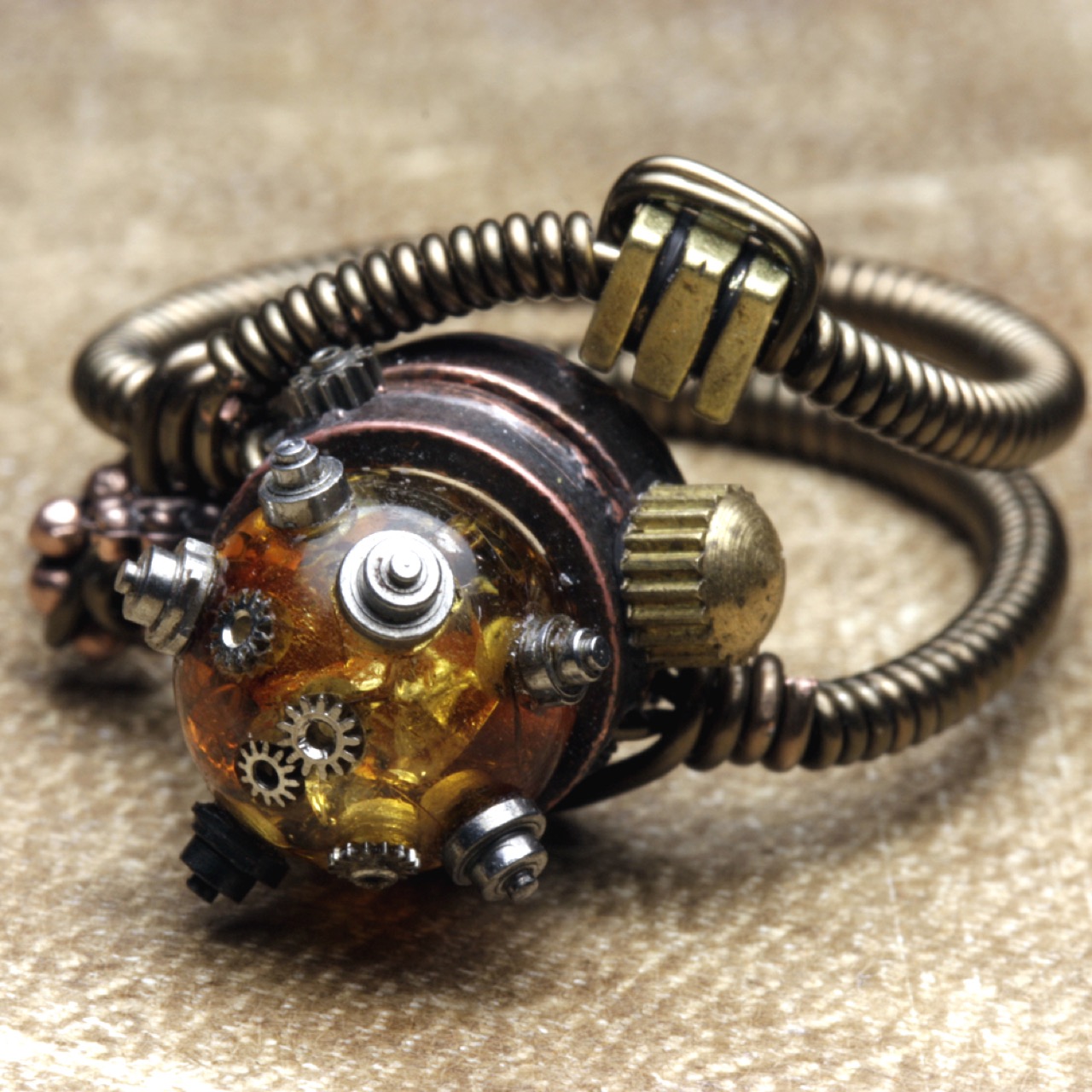
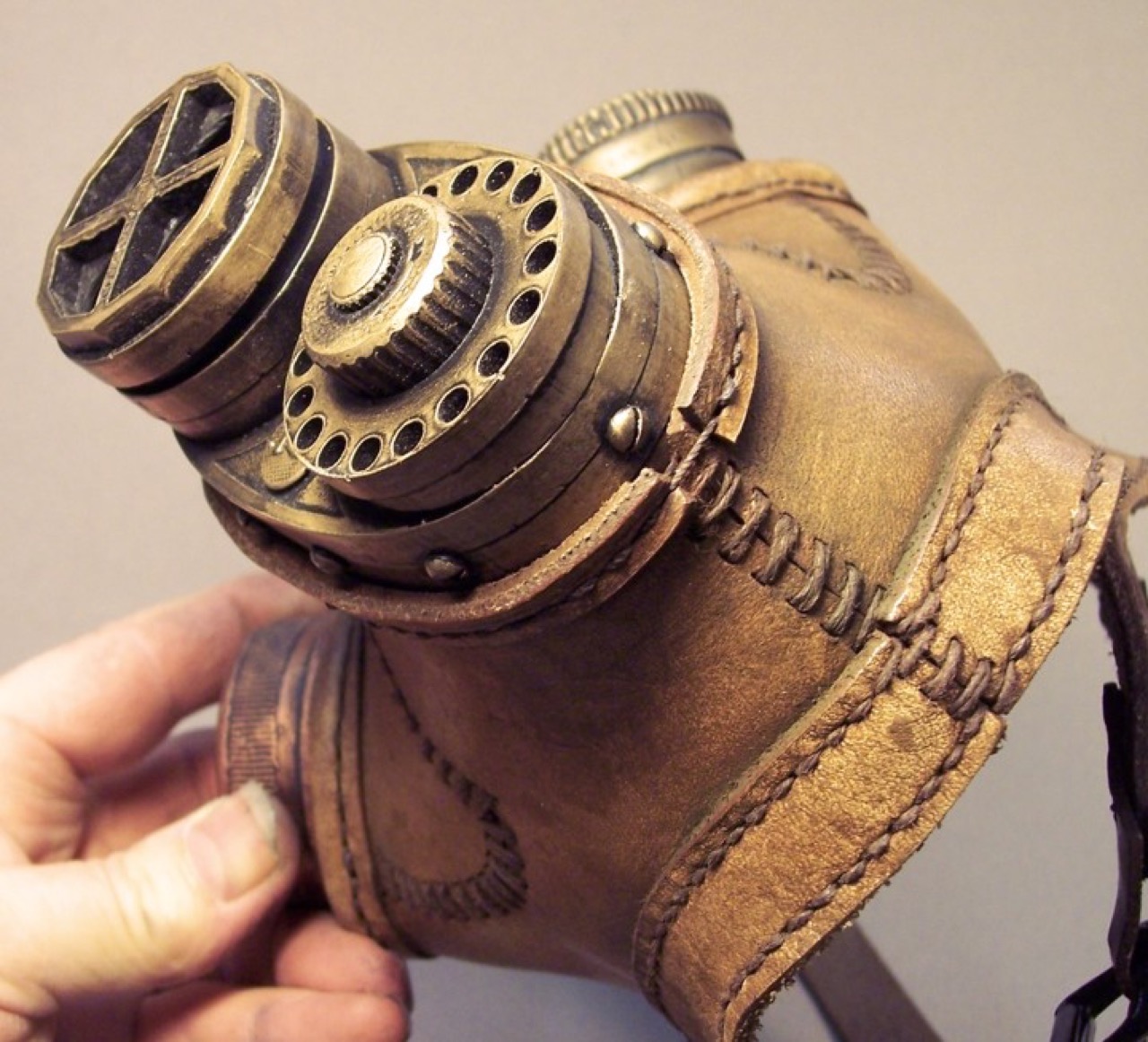
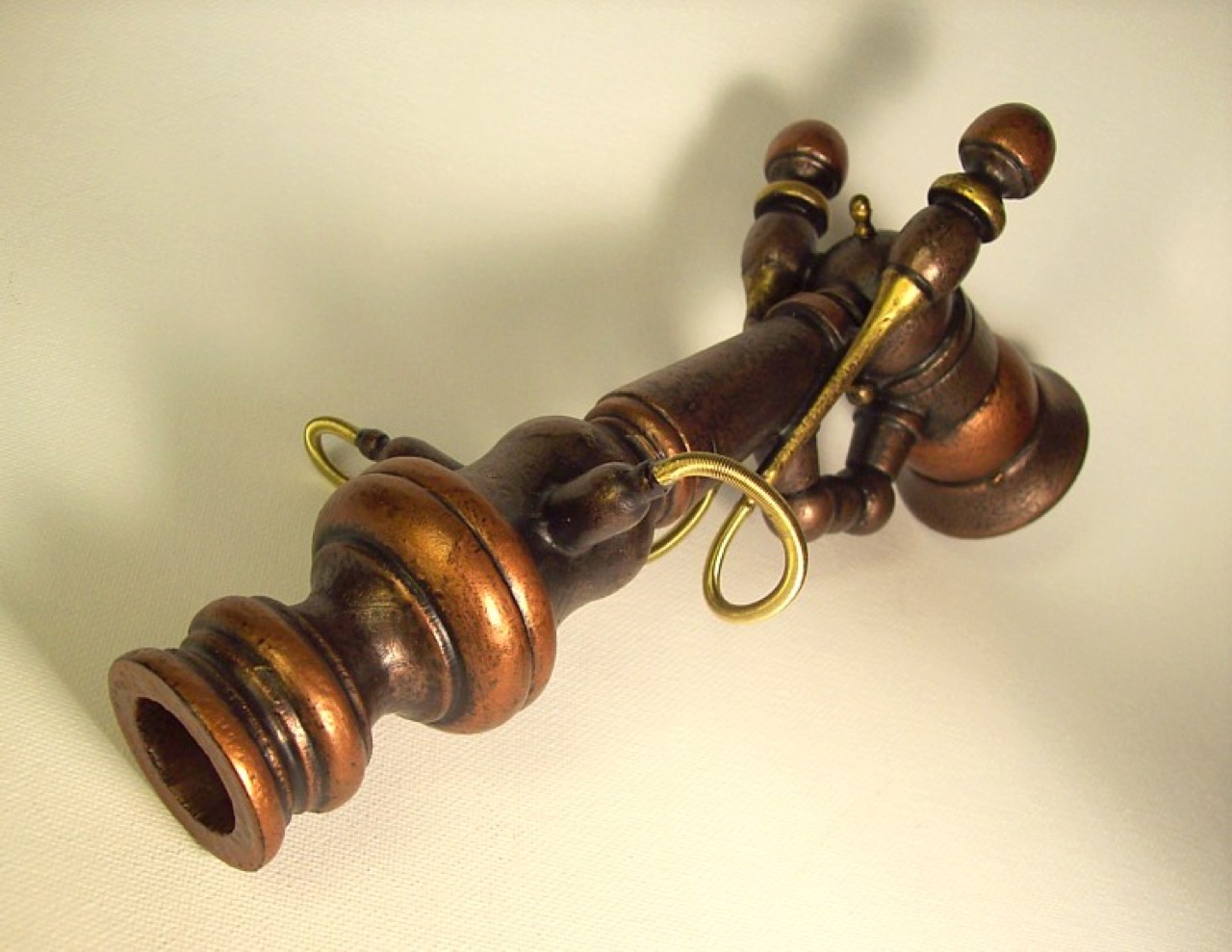
In the 1990s and 2000s, steampunk expanded beyond books into a visible subculture. Roleplaying games, comics, and anime offered new gateways, while music and fashion scenes turned the aesthetic into something you could wear. Conventions and themed events gave fans places to trade costume tips, show off props, and debate favorite timelines. The maker movement amplified this shift. As affordable tools, online tutorials, and community workshops spread, steampunk became a hands-on craft culture. People built ray guns from scavenged parts, modified keyboards and cameras with brass and wood, and created cosplay that blended historical tailoring with imagined engineering.
What makes a steampunk milestone memorable is not just the date but the way it changes the story. A new exhibition can spark public fascination, a novel can define the vocabulary, a film can lock in an iconic look, and a convention can turn private fandom into a shared community. The best steampunk timelines connect these dots: real Victorian innovation, early science fiction’s daring ideas, the moment the genre got its name, and the rise of makers who turned fantasy into objects you can hold. When a quiz asks you to pick a year or identify a first, it is really asking whether you can see the gears turning between history and imagination.