Colossal Myths and Record Breaking Legends




Quiz Complete!
Colossal Myths and Record Breaking Legends Across World Traditions
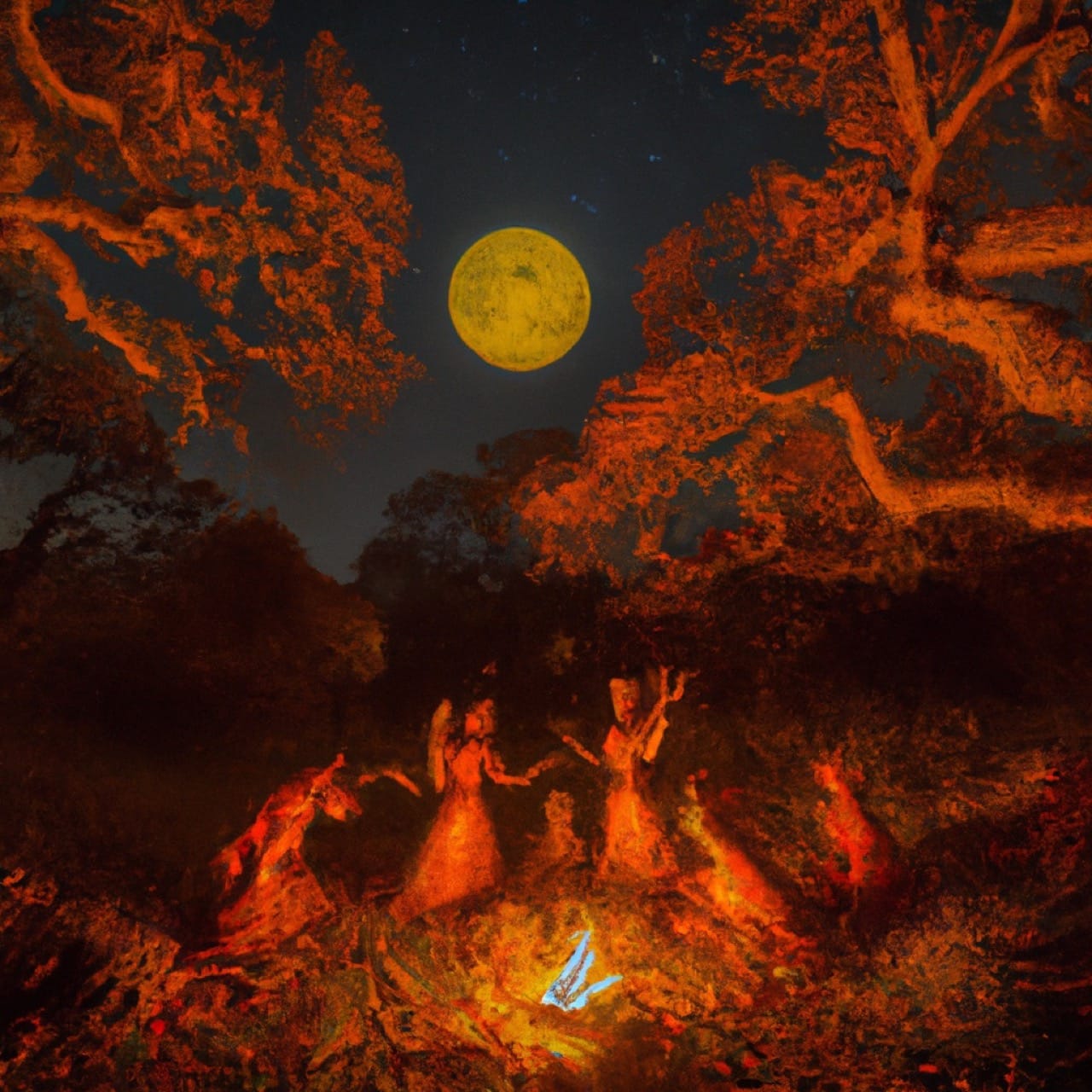
Mythology loves extremes because superlatives make stories memorable. When a hero is not just brave but the strongest, when a monster is not merely dangerous but has countless heads, the tale becomes a kind of mental landmark. These outsized figures also help explain an outsized world: mountains, storms, oceans, and the fear of the unknown. Across cultures, storytellers used gigantic bodies, impossible journeys, and exaggerated numbers to express real ideas about power, order, and survival.
Giants are among the most common record breakers. In Norse tradition, the jötnar are not simply big people; they represent ancient forces that even the gods struggle to contain. The world itself is shaped through immense bodies and cosmic scale, as when the primordial being Ymir becomes raw material for creation. Greek myth offers a different flavor of gigantic threat in the Titans and the later Giants, whose rebellions test the stability of Zeus’s rule. In some tales, landscape features become evidence of these battles, as if cliffs and islands are leftover debris from divine warfare.
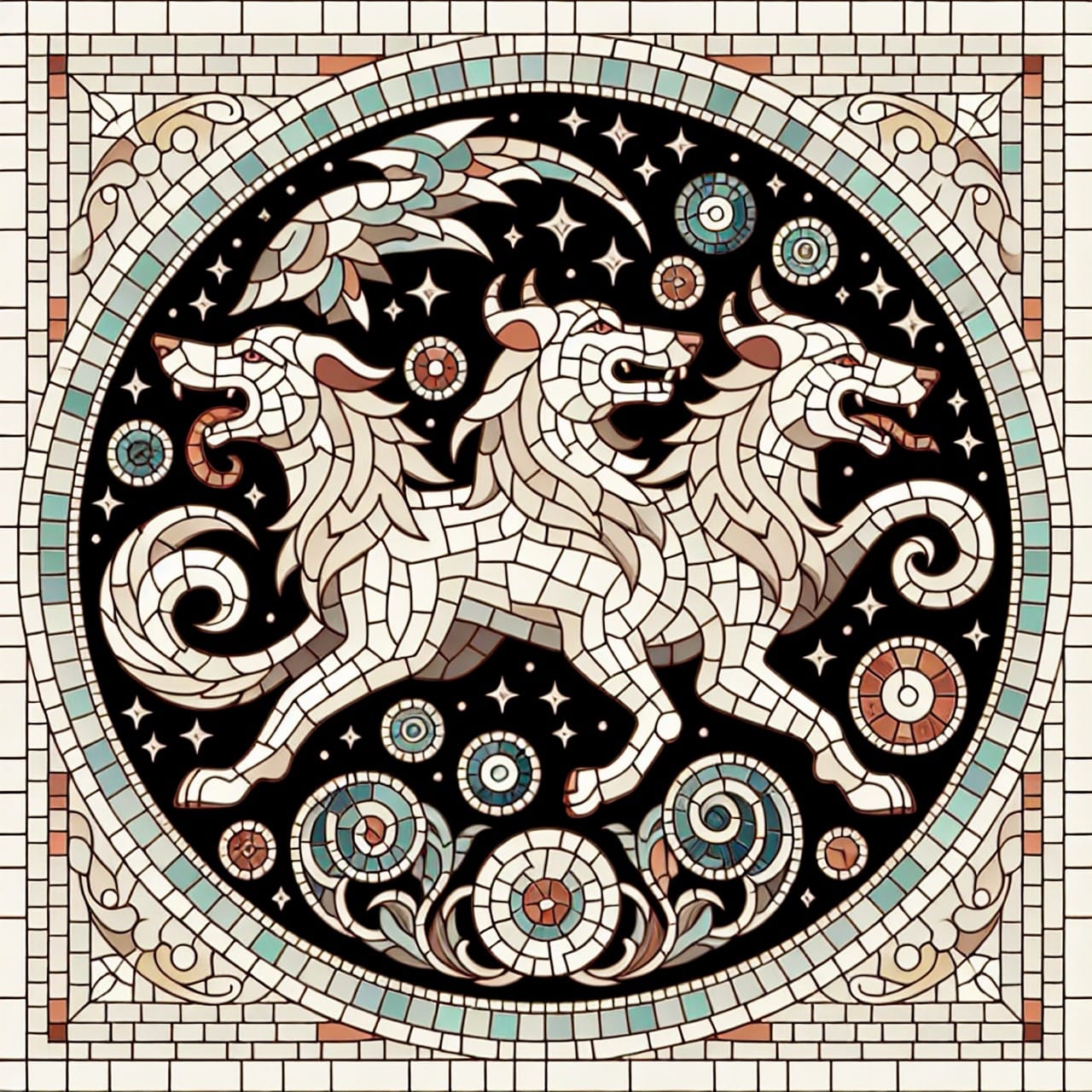
Monsters often compete for the title of most unkillable. The Hydra from Greek myth is famous for multiplying its danger: cut off one head and more appear, turning a straightforward fight into a problem of strategy. That detail also makes the creature quiz friendly, because the number of heads and the method of defeating it become signature clues. Elsewhere, the idea of a monster that cannot be beaten by ordinary means appears again and again. Dragons in many traditions demand special weapons, secret weaknesses, or clever bargains. The point is less biology and more storytelling logic: if the threat is extreme, the solution must be extraordinary too.
Heroes become record holders by surviving tasks that look designed to break a human being. Heracles is a classic example, with labors that range from wrestling a near invulnerable lion to capturing a fearsome boar and descending into the underworld. The variety matters: strength alone is not enough, because the challenges test endurance, courage, and ingenuity. In Mesopotamian epic, Gilgamesh pushes the limits of travel and ambition, seeking a way past death itself. In India’s Mahabharata, warriors like Bhima are celebrated for overwhelming force, yet their feats are tied to duty, rivalry, and the consequences of power.
Numbers act like mythic shorthand. Three, seven, nine, and twelve recur because they are easy to remember and feel meaningful. Twelve labors, nine worlds, seven gates, or a monster with many heads all signal that the story operates on a grand scale. These numbers are not always consistent across versions, which is part of the fun in comparing traditions: one culture may crown a champion by size, another by endurance, and another by cleverness.
Journeys to the edge of the world are another kind of superlative. Odysseus wanders across seas filled with one eyed giants, witches, and whirlpools, while other heroes travel to the underworld to retrieve knowledge or a loved one. These trips dramatize the boundary between the familiar and the terrifying. Legendary locations like sacred mountains, world trees, and river crossed after death turn geography into a map of values, showing where courage is tested and where rules change.
Record breaking myths endure because they scale up ordinary human questions. How strong is strong enough, how far can someone go, what does it take to defeat a problem that grows when attacked? When a quiz asks you to compare the biggest giants or the toughest labors, it is also inviting you to notice what each tradition admires. The extremes are entertaining, but they are also a way ancient storytellers measured the world and humanity’s place within it.